Beyond the Postcard: How Ethical Wildlife Encounters Changed My Life Forever
There was a time, not so long ago, when my travel goals involved ticking off bucket list destinations and snapping the perfect, envy-inducing photo. I wanted to see the "Big Five," swim with dolphins, and ride an elephant – because that's what you did, right? Like many well-meaning travelers, I was drawn to the allure of exotic wildlife, but blissfully unaware of the dark underbelly of much of the animal tourism industry.
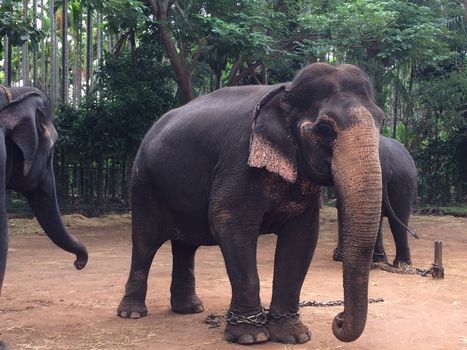
My wake-up call came in Thailand. I was on a package tour, excited for my "once-in-a-lifetime" elephant ride. The elephant, a majestic creature, looked tired. Its eyes seemed to hold a sadness I couldn't quite place at the time. The mahout used a sharp, hooked stick to guide it. I remember the momentary discomfort, the fleeting thought that this felt… wrong. But the tour guide assured us it was traditional, and the other tourists were doing it, so I pushed the feeling down. I got my photo. I posted it. I moved on.
But that image, that feeling, lingered. It gnawed at me. When I returned home, I started researching. What I found was heartbreaking: the "phajaan" or spirit crushing ritual, the years of abuse, the broken spirits behind those seemingly docile eyes. My heart sank. I had, unknowingly, contributed to suffering. It was a pivotal moment. I vowed then and there that my travel would never again be at the expense of an animal's welfare.
This realization ignited a new passion: to seek out wildlife experiences that actually help animals. Experiences where my presence, my money, and my enthusiasm directly supported conservation, rehabilitation, and ethical treatment. What I discovered on this journey wasn't just a different way to travel; it was a profound, life-altering connection to the natural world and its incredible inhabitants. These aren't just trips; they are calls to action, moments of deep learning, and opportunities to truly give back. And I promise you, they are infinitely more rewarding than any fleeting selfie.
Ready to dive into the kind of travel that truly changes lives – both yours and the animals'? Let me share some of my most impactful experiences.
1. The Gentle Giants of Elephant Sanctuaries: A Lesson in Compassion (Northern Thailand)
My first step towards redemption, if you will, was revisiting Thailand, but this time with a very different agenda. I booked a multi-day visit to a renowned elephant sanctuary in Northern Thailand, a place dedicated to rescuing and rehabilitating elephants from the logging and tourism industries.
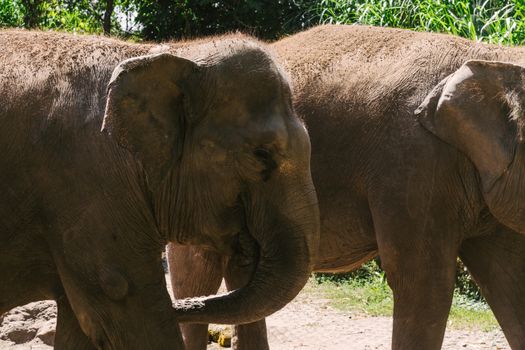
Stepping onto the sanctuary grounds, the atmosphere was immediately different. There were no chains, no saddles, no hooks. Just vast, open fields, rivers, and dozens of elephants roaming freely, interacting with each other, and simply being elephants. My heart swelled.
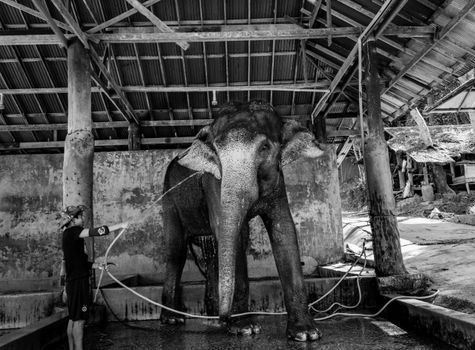
My days were spent observing these magnificent creatures, preparing their food (mountains of bananas and watermelon!), and walking with them through the lush landscape. We helped bathe them in the river, gently scrubbing their thick skin as they playfully sprayed water. There was no riding, no forced performances, just respectful interaction guided by their natural rhythms.
One afternoon, I sat quietly observing a rescued matriarch, her ear torn, her body scarred from years of abuse. As she slowly ambled past, she paused, looked directly at me with those deep, intelligent eyes, and let out a soft rumble. It wasn't a demand or a performance; it was a moment of pure, unadulterated connection. In that instant, I felt a wave of humility and an overwhelming sense of purpose. This was what ethical tourism felt like. This was real.
Practical Tips & Details:
* Where to Go: Look for sanctuaries like Elephant Nature Park near Chiang Mai, Thailand, or MandaLao Elephant Conservation in Laos. Always do your research!
* What to Look For:
* No Riding: This is the golden rule. Ethical sanctuaries do not allow riding.
* No Chains (or minimal, only for medical/safety): Elephants should roam freely.
* Focus on Rescue & Rehabilitation: They should prioritize the welfare of the elephants above all else.
* Educational Programs: Good sanctuaries educate visitors on elephant welfare and conservation.
* Small Group Sizes: Less stress for the animals.
* Cost: Day visits can range from $60-$150 USD, while multi-day volunteer programs can be $500-$1500+ USD, often including accommodation and meals. This money directly funds their vital work.
* Instagram-Worthy Moment: A candid shot of you preparing food for the elephants, or a wide shot of elephants freely roaming in their natural habitat. #EthicalElephant #SaveElephants
2. Diving Deep: Marine Conservation & Coral Restoration (Belize & The Philippines)
My love for the ocean runs deep, and the thought of its fragile ecosystems collapsing was unbearable. This led me to explore marine conservation projects, which proved to be equally, if not more, hands-on and impactful.
My first foray was in Belize, volunteering with a local organization focused on coral reef restoration within a protected marine reserve. Picture this: donning my snorkel gear, I'd descend into the warm, turquoise waters, not for leisure, but for work. We spent hours meticulously attaching small coral fragments, grown in underwater nurseries, onto damaged parts of the reef. It was like gardening underwater, except our "plants" were living organisms vital to the entire marine ecosystem.
The work was painstaking but incredibly rewarding. Seeing a patch of bleached, barren reef slowly come back to life, teeming with tiny fish and vibrant new coral growth, filled me with an indescribable sense of hope. We also participated in marine debris cleanups, collecting plastic and fishing nets that choke marine life.
Later, I joined a similar initiative in the Philippines, focusing on giant clam propagation and sea turtle monitoring. One evening, patrolling a secluded beach, we witnessed a majestic green sea turtle emerge from the waves to lay her eggs. We carefully documented the nest, ensuring its safety from poachers, and then watched, mesmerized, as she slowly made her way back to the ocean. It was a profound reminder of the delicate balance of nature and our role in protecting it.
Practical Tips & Details:
* Where to Go: Look for projects in marine biodiversity hotspots like Belize (Hol Chan Marine Reserve area), The Philippines (e.g., Apo Island, Malapascua), Indonesia (Raja Ampat), or Australia (Great Barrier Reef).
* What to Look For:
* Scientific Backing: Projects should be based on sound scientific principles.
* Local Community Involvement: Ensuring local communities benefit and are part of the conservation effort.
* Hands-on Opportunities: From coral gardening to reef monitoring, actively contributing.
* Responsible Diving/Snorkeling Practices: Education on how to interact with marine life without causing harm.
* Cost: Marine conservation volunteer programs can range from $800-$3000+ USD for 1-4 weeks, often including accommodation, food, and diving certifications. Day trips for reef cleanups or educational dives are much less, around $50-$150 USD.
* Instagram-Worthy Moment: A shot of you underwater, carefully planting coral, or a wide shot of a pristine coral reef teeming with life after conservation efforts. #MarineConservation #SaveOurReefs #OceanWarrior
3. A Second Chance: Primate Rehabilitation & Sanctuary Work (Uganda & Borneo)
My journey then took me deep into the jungles, first to Uganda, where I spent time at a chimpanzee sanctuary, and later to Borneo, assisting at an orangutan rehabilitation center. These experiences were intensely emotional and deeply humbling.
At the Ugandan chimp sanctuary, many of the residents were victims of the illegal bushmeat and pet trade, orphaned and traumatized. My role involved preparing their complex diets, helping with enrichment activities (like hiding food to encourage foraging), and observing their social dynamics. There was strictly no direct contact with the chimps, as the goal was to prepare them for potential reintroduction into the wild or, for those too habituated, to live out their lives in a natural, protected environment with their own kind.
The most poignant moments were observing the "kindergarten" chimps – the youngest, still grappling with their past trauma. Seeing them slowly regain their playful nature, form bonds with caregivers and other chimps, was a testament to resilience. It taught me patience, empathy, and the immense power of a second chance.
In Borneo, the orangutan sanctuary faced similar challenges, compounded by habitat loss due to palm oil plantations. Here, I assisted with forest restoration efforts, planting native trees that would one day provide food and shelter for these magnificent "people of the forest." The sheer effort involved in these projects, the dedication of the staff, and the sheer scale of the environmental challenges were eye-opening.
Practical Tips & Details:
* Where to Go: Look for reputable primate sanctuaries like Ngamba Island Chimpanzee Sanctuary (Uganda), Sepilok Orangutan Rehabilitation Centre (Borneo, Malaysia), or Sumatran Orangutan Conservation Programme (Sumatra, Indonesia).
* What to Look For:
* Strict No-Contact Policy: Especially for great apes. Human contact can hinder their rehabilitation and expose them to human diseases.
* Focus on Reintroduction: The ultimate goal should be release back into the wild if possible.
* Habitat Protection: Involvement in reforestation and anti-poaching efforts.
* Ethical Funding: Transparency about how donations are used.
* Cost: Visiting these centers often involves park fees and guided tours, ranging from $30-$150 USD. Volunteer programs can be significantly more, from $1000-$4000+ USD for several weeks, covering accommodation, food, and program fees.
* Instagram-Worthy Moment: A powerful, respectful shot of a primate in its natural or semi-natural habitat from a distance, or a photo of you planting trees as part of reforestation efforts. #PrimateRescue #OrangutanConservation #ChimpanzeeSanctuary
4. The Unsung Heroes: Wildlife Rescue & Rehabilitation Centers (Global)
Not all impactful wildlife experiences involve exotic, far-flung locations. Sometimes, the most profound work happens closer to home, or in places you might not expect. My travels have led me to various wildlife rescue and rehabilitation centers, from a bird sanctuary in Costa Rica to a pangolin rescue center in South Africa, and even a koala hospital in Australia.
These centers are often the last hope for injured, orphaned, or illegally trafficked animals. My time at a small, independent rescue in South Africa, dedicated to pangolins (the world's most trafficked mammal), was particularly eye-opening. Pangolins are elusive, nocturnal creatures, and seeing one up close, a shy, scaly mammal curled into a ball, was a privilege. I assisted with preparing their specialized ant-based diet, cleaning enclosures, and monitoring their health. The dedicated vets and staff worked tirelessly, often against immense odds, to save these critically endangered animals.
In Australia, after the devastating bushfires, I volunteered at a koala hospital. The work was emotionally taxing but incredibly important – helping with the care of burned, injured koalas, providing hydration, changing dressings, and simply offering a quiet, comforting presence. It highlighted the direct impact of human activity and climate change on wildlife, and the incredible resilience of both animals and the people dedicated to saving them.
Practical Tips & Details:
* Where to Go: These centers exist worldwide. Research specific animal crises (e.g., bushfire recovery in Australia, anti-poaching in Africa, avian rescue in Central America) and look for reputable organizations.
* What to Look For:
* Clear Rehabilitation Goals: The ultimate aim should be release back into the wild.
* Veterinary Care: Access to qualified vets and proper medical facilities.
* Educational Outreach: Raising awareness about local wildlife issues.
* No Public Handling: Unless it's part of essential medical care by trained professionals.
* Cost: Many smaller centers rely heavily on donations. Some offer short-term volunteer placements for a fee (e.g., $300-$1000+ USD per week), or simply welcome donations for day visits.
* Instagram-Worthy Moment: A respectful photo of a rehabilitated animal being released back into the wild (if permitted), or a close-up of a care package being prepared for an animal. #WildlifeRescue #PangolinPower #KoalaCare
5. The Safari That Gives Back: Community & Conservation (Kenya & Tanzania)
My initial safari dreams were purely about seeing lions and giraffes. But I've since learned that a responsible safari can be so much more than a game drive; it can be a powerful engine for conservation and community development.
On my most recent trip to Kenya, I specifically chose an eco-lodge that was community-owned and operated, situated on the edge of a conservancy managed by local Maasai communities. The difference was palpable. Our guides were local Maasai warriors, intimately familiar with the land and its creatures. They shared not just facts about the animals, but also their cultural stories, their deep respect for nature, and the challenges they faced living alongside wildlife.
A significant portion of our safari fees went directly back to the community – funding schools, healthcare, and anti-poaching units. We visited a local village, not as a spectacle, but as an invited guest, learning about their traditions and seeing how tourism supported their livelihoods, reducing pressure on poaching or unsustainable land use.
One evening, sitting around a crackling campfire under a sky ablaze with stars, our guide told us a story of tracking a pregnant rhino for days, ensuring her safety from poachers. The passion in his voice, the pride he took in protecting his ancestral lands and its wildlife, was truly inspiring. This wasn't just a safari; it was an immersion into a holistic conservation model where humans and wildlife co-existed, benefiting from each other.
Practical Tips & Details:
* Where to Go: Look for conservancies and eco-lodges in Kenya (Maasai Mara Conservancies), Tanzania (Serengeti, Ngorongoro Conservation Area), Botswana (Okavango Delta), or South Africa (private reserves) that prioritize community engagement.
* What to Look For:
* Community-Owned/Operated: Ensures benefits go directly to local people.
* Eco-Certified Lodges: Look for certifications like EcoTourism Kenya or Green Leaf.
* Transparent Funding: Ask how your money supports conservation and anti-poaching.
* Local Guides: Knowledgeable guides who share cultural insights.
* Low Impact Tourism: Smaller camps, respectful game viewing rules.
* Cost: Responsible safaris can range from $300-$1000+ USD per person per day, depending on luxury level and duration. This might seem high, but remember it covers guides, vehicles, park fees (which fund conservation), accommodation, and often directly supports local communities.
* Instagram-Worthy Moment: A breathtaking landscape shot of the savannah at sunrise, with a silhouette of wildlife, or a candid photo respectfully taken with a local guide, highlighting cultural exchange. #ResponsibleSafari #CommunityConservation #WildlifeWarrior
Your Journey Begins: Practical Tips for Ethical Wildlife Travel
Inspired to make your next trip count? Here's how you can ensure your wildlife experiences truly help animals and communities:
- Do Your Homework (Thoroughly!):
- Research Organizations: Don't just trust a catchy name. Look for reputable NGOs, scientific partnerships, and clear conservation goals. Check reviews on multiple platforms (TripAdvisor, Google, independent travel blogs).
- Look for Red Flags: Does the organization allow direct contact with wild animals (especially infants)? Do they offer rides, performances, or "selfie ops" that seem unnatural? Do animals appear lethargic, stressed, or housed in unsuitable conditions? If yes, steer clear.
- Ask Questions: Before you book, email them. Ask about their animal acquisition policy, reintroduction efforts, veterinary care, and how your money is used. A transparent organization will be happy to answer.
- Prioritize Observation Over Interaction:
- The most ethical wildlife experiences prioritize the animal's welfare and natural behavior. This means observing from a respectful distance, minimizing disturbance, and never interfering.
- No Touching, No Feeding (unless guided by experts): Direct contact can habituate animals to humans, make them vulnerable, and transmit diseases.
- Support Local & Sustainable:
- Choose locally owned and operated businesses. This ensures that your money directly benefits the communities living alongside the wildlife, giving them a vested interest in conservation.
- Stay at eco-lodges or accommodations with strong environmental policies (e.g., renewable energy, waste reduction, water conservation).
- Volunteer Wisely:
- "Voluntourism" can be amazing, but also problematic. Ensure the organization genuinely needs volunteers and that you have the appropriate skills. Avoid programs that seem more like a "pay-to-play" experience with minimal real impact.
- Longer commitments often have a greater impact.
- Be a Responsible Tourist On-Site:
- Follow Rules: Listen to your guides and respect park rules.
- Leave No Trace: Pack out everything you pack in. Dispose of waste responsibly.
- Minimize Your Footprint: Conserve water and electricity.
- Educate Others: Share your ethical choices and experiences with friends and family.
- Budget for Impact:
- Ethical wildlife experiences often cost more than unethical ones. This is because they aren't cutting corners on animal welfare, staff salaries, or conservation efforts. View it as an investment in our planet's future.
The Unforgettable Journey Continues...
My journey into ethical wildlife travel has fundamentally reshaped my understanding of the world and my place within it. It’s moved me from a passive observer to an active participant in conservation. It’s taught me that travel can be a powerful force for good, a way to connect deeply with nature, and a means to leave a positive legacy.
These experiences are not just about seeing incredible animals; they are about understanding their struggles, celebrating their resilience, and actively contributing to their survival. They are about humbling yourself before the wild, learning from dedicated conservationists, and finding your own role in protecting our planet's precious biodiversity.
If you're ready to transform your travels from mere sightseeing into life-changing adventures that genuinely help animals, I urge you to take the leap. Research, choose wisely, and embark on a journey that will fill your heart, broaden your mind, and leave you with stories far more profound than any postcard could ever capture.
What ethical wildlife experiences have changed your life? Share your stories in the comments below, or tag us on social media using #TripsoraImpact and #TravelThatHelps! Let's inspire each other to travel with purpose.
---