The air hung heavy and humid, thick with the scent of damp earth and something vaguely wild. I was deep in the Amazon, on what I thought would be an authentic wildlife encounter. The guide, smiling broadly, led me to a small, makeshift enclosure where a sloth, lethargic and seemingly dazed, clung to a branch. "Touch him!" he urged, and a line of eager tourists, including a younger, less informed me, queued up. My heart sank as I felt the coarse fur, the animal barely reacting. It wasn't an encounter; it was an exploitation. That moment, years ago, was a turning point. It ignited a fire in me, a determination to find wildlife experiences that actually helped animals, not harmed them.
Since then, I’ve dedicated my travels to uncovering those rare, precious opportunities – the ones that are often smaller, community-led, and fiercely protected from the commercial tourism machine. These aren't the places plastered across billboards or pushed by every tour operator. These are the experiences where your presence, your money, and your passion directly contribute to conservation, research, and the well-being of both wildlife and the local people who live alongside them. These are the "secrets" locals almost don't want you to know, not because they're unwelcoming, but because they cherish the delicate balance and authenticity of their efforts. And today, I’m thrilled to share some of them with you.
The True North: Why Ethical Wildlife Experiences Matter
Before we dive into the incredible journeys, let's talk about why these ethical encounters are so vital. Mass tourism, while bringing economic benefits, can often inadvertently (or overtly) harm wildlife. Think about the elephant rides, the 'orphanages' that breed animals for petting, the crowded boat tours that stress marine life, or the selfie opportunities with drugged big cats. These experiences prioritize human entertainment over animal welfare and conservation.
The "secrets" I'm about to reveal are different. They are rooted in:
- Direct Conservation Impact: Your participation often funds anti-poaching efforts, habitat restoration, research, and rehabilitation.
- Community Empowerment: Locals are not just employees; they are guides, conservationists, and decision-makers, ensuring benefits stay within their communities.
- Minimal Environmental Footprint: These experiences prioritize low-impact tourism, often in remote areas, to protect fragile ecosystems.
- Authentic Connection: You're not just observing; you're often learning from, and sometimes even contributing to, the daily lives of those dedicated to protecting these creatures.
These are the kinds of trips that transform you, igniting a deeper connection to our planet and its magnificent inhabitants. They’re harder to find, require more effort, and often less glamorous than a luxury safari, but the rewards are immeasurable.
1. Hands-On Hope: Protecting Sea Turtles in Costa Rica's Osa Peninsula
The Osa Peninsula, a wild, verdant finger of land jutting into the Pacific on Costa Rica's southwest coast, is a biodiversity hotspot. It's also a critical nesting ground for several species of sea turtles. While many tourists flock to more accessible beaches, the real magic happens on the more remote stretches, where local communities and dedicated NGOs run small-scale conservation projects.
My Experience:
I remember walking a deserted stretch of beach under a blanket of stars, the only sound the rhythmic crash of waves. My guide, a local woman named Elena whose family had lived on the Osa for generations, scanned the moonlit sand. Suddenly, she stopped, pointing to fresh tracks. A Leatherback! For hours, we carefully monitored the massive turtle as she dug her nest and laid her precious eggs. Later that week, I helped collect data on hatchlings, gently guiding tiny, determined creatures towards the ocean. It wasn't a 'show'; it was raw, immersive conservation. My hands, covered in sand, trembled with the weight of responsibility and awe.
The "Secret" Angle:
These projects often rely on small groups of volunteers and operate with minimal publicity to avoid overwhelming nesting sites. Locals are incredibly protective of these areas, sharing knowledge only with those genuinely committed to helping.
How You Can Help:
* Find a Project: Look for community-led initiatives or smaller NGOs like Osa Conservation, or organizations working directly with local communities in areas like Drake Bay or the more remote beaches near Puerto Jimenez. Websites like VolunteerMatch or ResponsibleTravel.com can be a starting point, but always cross-reference with local recommendations.
* What to Expect: Expect rustic accommodation, basic facilities, and a willingness to get dirty. You might participate in night patrols (monitoring nesting turtles, relocating eggs from vulnerable spots), beach clean-ups, or helping with hatchling releases.
* Cost: Volunteer programs typically range from $300-$800 USD per week, covering accommodation, food, and a direct contribution to the project. Some offer day visits for a smaller fee ($50-$150 USD) if space and project needs allow.
* Best Time to Go: Nesting seasons vary by species, but generally May to November for Pacific Green and Olive Ridleys, and February to July for Leatherbacks.
* Practical Tips: Pack light, quick-drying clothes, sturdy sandals, a headlamp with a red light filter (essential for not disturbing turtles), biodegradable insect repellent, and a reusable water bottle. Be prepared for humidity and mosquitoes! And remember, no flash photography on the beach at night.
2. Gentle Giants, Genuine Care: Ethical Elephant Sanctuaries in Northern Thailand
The plight of elephants in tourism is well-documented, with riding camps and entertainment venues often involving cruel training methods. But away from the crowds of Chiang Mai, in the rolling hills of Northern Thailand, a new breed of sanctuaries is emerging – smaller, truly ethical operations focused on rehabilitation, rescue, and allowing elephants to live as naturally as possible.
My Experience:
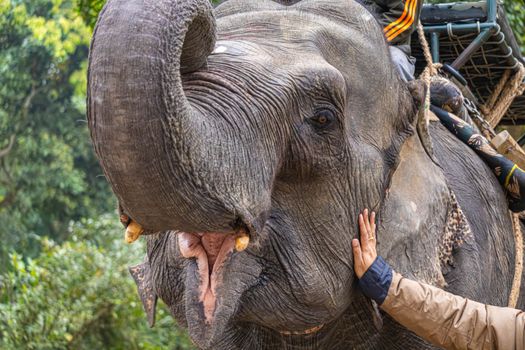
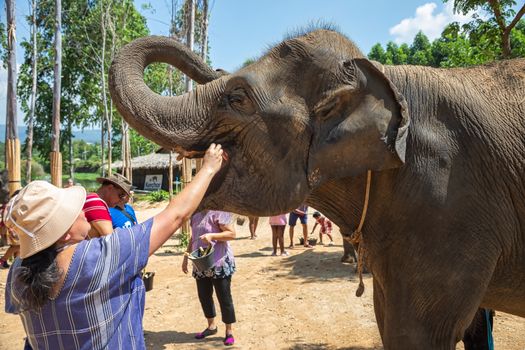
I'd researched extensively, determined to avoid anything exploitative. I found a small, family-run sanctuary near Mae Hong Son, a province less traversed by tourists. There were only four elephants, all rescued from logging or tourism. My day involved observing them graze freely, helping prepare their enormous meals of bananas and sugarcane, and learning their individual stories from the mahouts, who were more like guardians. There was no riding, no forced bathing, just respectful observation and quiet companionship. One older female, once a street begging elephant, slowly approached me, her trunk delicately exploring my hand. It was a moment of profound trust, earned through respect, not coercion.
The "Secret" Angle:
These smaller sanctuaries often rely on word-of-mouth and direct bookings to maintain manageable visitor numbers, ensuring minimal stress on the elephants. They prioritize animal welfare over tourist volume.
How You Can Help:
* Vet Thoroughly: This is crucial. Look for sanctuaries that explicitly state "no riding," "no bathing with tourists," and "no forced interactions." Check reviews for mentions of chains, bullhooks (even if hidden), or unnatural behaviors. Ask about their rescue stories and long-term care plans.
* Seek Out Smaller Operations: While Elephant Nature Park is excellent, consider newer, smaller initiatives that are gaining traction for their ethical practices. Research sanctuaries in areas like Mae Hong Son or even further north in Chiang Rai.
* What to Expect: You'll spend your time observing, learning, and perhaps helping with food preparation or habitat enrichment. It's about witnessing elephants being elephants, not performing.
* Cost: Day visits typically range from $70-$150 USD, including transport and lunch. Some offer multi-day volunteer programs starting from $500-$1000 USD per week.
* Best Time to Go: Thailand's cooler dry season (November to February) is pleasant, but elephants are present year-round.
* Practical Tips: Wear comfortable, modest clothing (shoulders and knees covered), sturdy shoes, and bring sunscreen, a hat, and insect repellent. Be prepared for walking and potentially muddy conditions. And most importantly, always follow the mahouts' instructions and respect the elephants' space. #EthicalElephantTravel #ThailandAdventures
3. Tracking the Elusive: Snow Leopard Guardians in Ladakh, India
Imagine trekking through a desolate, breathtakingly beautiful landscape where the air is thin, and silence reigns supreme. This is Ladakh, the "Roof of the World," nestled in the Indian Himalayas. Here, a handful of dedicated local guides, mostly from the Ladakhi community, lead intrepid travelers on quests to spot one of the planet's most enigmatic predators: the snow leopard. This isn't a zoo; it's a monumental challenge, a test of patience, and a profound immersion into conservation.
My Experience:
The biting wind whipped across my face as we ascended another rocky ridge in Hemis National Park. My guide, Tsering, a man whose eyes seemed to hold the wisdom of the mountains, pointed to faint pugmarks in the snow. "Fresh," he whispered. For days, we'd hiked, scanned, and waited, sharing stories and cups of yak butter tea in local homestays. The temperature plummeted at night, but the camaraderie and the sheer beauty of the landscape were invigorating. On our fifth day, just as the sun began to dip, Tsering froze. He handed me his binoculars. Across a vast, snow-dusted ravine, camouflaged perfectly against the rocks, was a ghost of the mountains – a snow leopard. Its piercing gaze met mine for a fleeting moment before it melted back into the shadows. That glimpse, earned through immense effort and guided by local expertise, was a spiritual experience.
The "Secret" Angle:
Snow leopard tracking is inherently low-impact. The remote locations, challenging conditions, and reliance on highly specialized local guides naturally limit tourist numbers. These guides are often part of community-based conservation initiatives, where a portion of your fees directly supports anti-poaching and education programs.
How You Can Help:
* Partner with Local Expertise: Book through reputable local operators who employ Ladakhi guides and utilize homestays in villages like Rumbak, Zinchen, or Husing. This ensures your money directly benefits the community and supports their conservation efforts. Look for operators endorsed by organizations like the Snow Leopard Conservancy.
* What to Expect: This is a challenging trek at high altitudes (often 3,500-4,500m / 11,500-14,700ft). Expect basic but warm accommodation in homestays, simple food, and long days of hiking and scanning. Patience is paramount; sightings are never guaranteed.
* Cost: This is a more significant investment, typically ranging from $2,000-$5,000 USD for a 7-10 day trek, including permits, guides, porters, food, and accommodation.
* Best Time to Go: Winter (November to March) is the best time for snow leopard sightings, as they descend to lower altitudes in search of prey. Be prepared for extreme cold.
* Practical Tips: Acclimatization is essential – spend a few days in Leh before starting your trek. Invest in high-quality cold-weather gear (down jacket, thermal layers, sturdy hiking boots), a good pair of binoculars or a spotting scope, and a strong headlamp. Respect local customs and traditions, and embrace the slow pace of mountain life. #SnowLeopardQuest #LadakhAdventures
4. Reef Protectors: Community-Led Coral Restoration in Raja Ampat, Indonesia
Raja Ampat, a sprawling archipelago in West Papua, Indonesia, is often called the "Amazon of the Seas" due to its unparalleled marine biodiversity. While divers flock here for pristine reefs, climate change and past destructive fishing practices have taken their toll in some areas. However, numerous small, community-led initiatives are working tirelessly to restore damaged coral reefs, offering divers a chance to actively participate in healing the ocean.
My Experience:
Diving in Raja Ampat was already a dream come true – kaleidoscopic reefs, manta rays gliding overhead, vibrant fish everywhere. But what truly moved me was a visit to a small island where a local conservation group was running a coral restoration project. After a briefing, I descended with a divemaster to a barren patch of seabed. We carefully attached small coral fragments, collected from healthy 'donor' colonies, to metal frames. As I worked, gently securing the delicate pieces, I felt a deep sense of purpose. It was slow, meticulous work, but seeing the framework slowly begin to blossom with life, knowing I played a tiny part, was incredibly rewarding.
The "Secret" Angle:
Many of these projects are integrated into smaller, locally-owned homestays or dive resorts that prioritize sustainable practices. They don't advertise broadly; instead, they rely on eco-conscious travelers seeking to make a difference. These initiatives are often a direct response to local environmental challenges, driven by a deep connection to their marine home.
How You Can Help:
* Choose Eco-Friendly Operators: Look for dive resorts and homestays that are Green Star PADI certified, or explicitly state their commitment to conservation. Ask about their coral restoration programs, waste management, and community involvement.
* Participate in Restoration: Many dive centers offer "Reef Gardener" programs where you can learn about coral propagation and help plant new corals. Some also involve collecting crown-of-thorns starfish or participating in marine debris cleanups.
* What to Expect: Expect world-class diving with the added satisfaction of contributing to marine health. Accommodation can range from rustic homestays to more comfortable eco-resorts.
* Cost: Dive packages in Raja Ampat can be expensive due to its remoteness (e.g., $1,500-$3,000+ USD for a 7-day trip, excluding flights). Coral restoration workshops or dives are often an add-on, ranging from $50-$150 USD per session, directly funding the project.
* Best Time to Go: October to April offers the calmest seas and best visibility, though diving is possible year-round.
* Practical Tips: Get your PADI Advanced Open Water or equivalent certification. Bring reef-safe sunscreen, a reusable water bottle, and minimize plastic use. Support local businesses, and be mindful of your buoyancy to avoid damaging delicate corals. #RajaAmpatConservation #CoralReefHeroes
5. The Unseen Heroes: Anti-Poaching Support in South Africa's Private Reserves
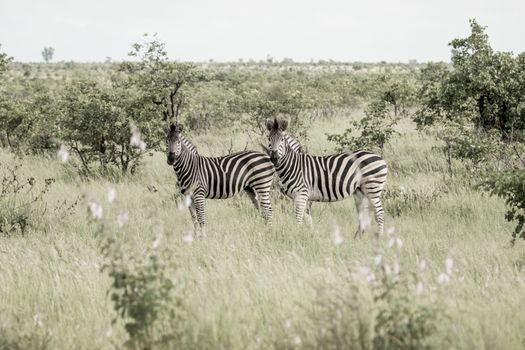
The fight against poaching, particularly for rhinos and elephants, is a daily, often dangerous, battle across Africa. While traditional safaris offer incredible wildlife viewing, some private game reserves in South Africa offer a unique, immersive experience: joining anti-poaching units (APUs) or supporting their critical work. This isn't a game drive; it's a stark, humbling encounter with the realities of conservation on the front lines.
My Experience:
I spent a few days at a private reserve bordering Kruger National Park, which offered a specialized "conservation safari." One morning, I joined a ranger patrol. We tracked rhinos on foot, learning about their movements, identifying individuals, and understanding the constant threat they face. The rangers, stoic and incredibly knowledgeable, shared stories of close calls and the relentless pressure from poachers. Later, I observed a veterinary team dehorning a rhino (a non-painful procedure to deter poachers, done under sedation), a stark reminder of the desperate measures taken to protect these magnificent animals. It was raw, emotional, and gave me an unparalleled appreciation for the unseen heroes of conservation.
The "Secret" Angle:
These experiences are often high-end, specialized offerings by private reserves, not widely advertised to the general tourist market. They require a genuine interest in conservation and a willingness to understand the harsh realities. The high cost directly funds the APUs, equipment, and veterinary care, making your contribution incredibly impactful.
How You Can Help:
* Research Specialized Safaris: Look for private reserves (e.g., those within the Sabi Sand, Timbavati, or Balule concessions) that offer "conservation safaris," "anti-poaching experiences," or "rhino dehorning excursions." These are often limited in number and require advance booking.
* What to Expect: You might participate in tracking, learn about anti-poaching strategies, observe veterinary procedures (if available and ethical), and engage with rangers. It's an intense, educational, and often emotionally charged experience.
* Cost: These are premium experiences, often starting from $800-$1,500 USD per person per day, or multi-day packages from $3,000-$10,000+ USD. This higher price point reflects the direct contribution to critical conservation efforts.
* Best Time to Go: The dry season (May to October) is generally best for wildlife viewing as animals congregate around water sources, making tracking easier.
* Practical Tips: Be prepared for early mornings, long days in the bush, and potentially sensitive situations. Listen carefully to your guides, wear neutral-colored clothing, and bring good binoculars and a camera with a strong zoom. Understand that you are there to support and learn, not to interfere. #AntiPoachingHeroes #AfricanConservation
Your Journey to Impactful Travel Starts Now
The world is full of incredible wildlife, and the desire to connect with it is natural. But as conscious travelers, we have a responsibility to seek out experiences that uplift, protect, and empower. These "secrets" aren't just about seeing animals; they're about understanding their world, contributing to their survival, and connecting with the passionate individuals who dedicate their lives to conservation.
These experiences might not be found on the first page of a Google search. They require deeper digging, asking the right questions, and often connecting directly with local communities or smaller, dedicated organizations. But the reward? A travel experience that transcends tourism, leaving you with not just stunning photos, but a profound sense of purpose and the knowledge that your adventure genuinely made a difference.
So, are you ready to go beyond the ordinary? Are you ready to discover the secrets that truly help animals and locals thrive? The journey awaits.
---
What ethical wildlife experiences have you discovered? Share your stories in the comments below, or better yet, plan your next adventure and become part of the solution! Don't forget to share this post with fellow travelers who care deeply about our planet's magnificent creatures!
---