Voluntourism That Actually Helps Communities: Your Definitive Guide to Meaningful Impact
I stepped off the rickety bus, the scent of roasting corn and something vaguely floral – jasmine, perhaps? – thick in the humid air. The vibrant colours of saris blurred against the ochre walls of the buildings, and the distant, rhythmic clang of a blacksmith’s hammer was the soundtrack to my arrival. This wasn't just another tourist destination; this was Sarangpur, India, a place I’d chosen for voluntourism, but with a gnawing question in my gut: would my presence truly help, or would I be another well-meaning interloper?
For years, the term 'voluntourism' has been a double-edged sword. On one hand, it promises a chance to connect deeply with a place, contribute meaningfully, and gain invaluable life experience. On the other, it’s often plagued by criticism: superficial aid, dependency creation, and even exploitation. But what if I told you that truly impactful voluntourism exists? What if you could embark on an adventure that leaves a lasting positive legacy, not just a fleeting memory?
This guide is your roadmap. I’ve spent countless hours on the ground, speaking with local leaders, fellow volunteers, and community members, to uncover the real difference-makers. We’re talking about experiences that are designed with communities, not for them, fostering sustainable growth and genuine empowerment.
The Golden Rule: Community-Led Initiatives
The most crucial element of effective voluntourism is community ownership. If a project isn't initiated, guided, and ultimately controlled by the local people, it’s likely to fail. This means looking for organizations that partner with local NGOs, cooperatives, or community leaders, ensuring that the work aligns with their priorities and needs.
Pro-Tip: Ask the Tough Questions Before You Go
Don't be afraid to bombard potential organizations with questions:
* Who initiated this project?
* How are local community members involved in decision-making?
* What is the long-term sustainability plan for this initiative?
* How does the organization ensure local employment and fair wages?
* What percentage of your donations directly supports the community?
A reputable organization will welcome these questions and have transparent answers.
Beyond the 'Fix-It' Mentality: Sustainable Skill-Sharing
The most successful voluntourism doesn't focus on short-term 'fixes' but on long-term capacity building. This translates to projects where volunteers share their skills and knowledge in ways that empower locals to become self-sufficient.
Example: The Women's Weaving Cooperative in Oaxaca, Mexico
I spent two weeks with a women's weaving cooperative in the heart of Oaxaca. My role wasn't to teach them how to weave – they are masters of their craft, with techniques passed down through generations. Instead, I helped them with digital marketing, creating an online store, and managing social media to reach a global audience.
Insider Detail:
The intricate patterns woven into their rugs aren't just decorative; they tell stories of their ancestors, their beliefs, and their connection to the land. The natural dyes, derived from cochineal insects and local plants, create hues that are impossibly rich and vibrant.
Pro-Tip:
Look for opportunities where your specific professional skills (marketing, education, healthcare, IT, etc.) can be leveraged to build local capacity, rather than generic manual labor that might be better handled by local workers.
Ethical Animal Encounters: Protecting Wildlife and Well-being
Voluntourism involving animals is a sensitive area. Many 'sanctuaries' are actually tourist attractions that prioritize profit over animal welfare, often involving direct interaction that can stress or harm the animals.
What to Look For:
- No direct handling or riding: Unless it's a genuine rehabilitation center where specific veterinary procedures require it.
- Focus on conservation and education: Projects that actively contribute to species protection, habitat restoration, or educating the public about conservation efforts.
- Ethical treatment: Animals should be in naturalistic enclosures, with proper diets and veterinary care, and minimal human interference.
Example: Sea Turtle Conservation in Costa Rica
Participating in a sea turtle conservation project on the Pacific coast of Costa Rica was a profound experience. My evenings were spent patrolling nesting beaches, carefully monitoring for nesting mothers, and, if necessary, relocating nests to safer areas to protect them from poachers and rising sea levels.
Insider Detail:
The sheer power of a nesting sea turtle, digging her nest with ancient instinct, is humbling. The faint glow of bioluminescence in the waves at night adds a touch of magic, a reminder of the delicate ecosystem we were protecting.
Pro-Tip:
Always research the organization's accreditation and look for partnerships with reputable wildlife conservation bodies. Avoid any program that promises 'selfies with wild animals.'
Education and Empowerment: Building Brighter Futures
Investing in education is one of the most impactful ways to foster long-term community development. Voluntourism in this sector can range from teaching English to assisting with curriculum development or supporting vocational training.
Key Considerations:
- Local Teachers First: Your role should be to support, not replace, local educators.
- Cultural Sensitivity: Understand the local education system and cultural norms.
- Skill Transfer: Focus on teaching methods and skills that can be passed on.
Example: Supporting a Community Library in Nepal
I volunteered at a small community library in a rural village in Nepal, nestled in the foothills of the Himalayas. My task was to help organize their collection, assist children with reading, and run basic literacy workshops for adults.
Insider Detail:
The sheer joy on a child's face when they sound out a new word, or the quiet determination of an elder learning to write their name, is incredibly rewarding. The library itself was a hub, a place for shared stories and dreams, not just books.
Pro-Tip:
If you have teaching experience, look for opportunities to train local teachers in modern pedagogical approaches. This has a far greater ripple effect than simply teaching a few students yourself.
Environmental Stewardship: Protecting Our Planet, Together
With the climate crisis looming, environmental voluntourism is more critical than ever. These projects focus on conservation, restoration, and sustainable practices.
Types of Projects:
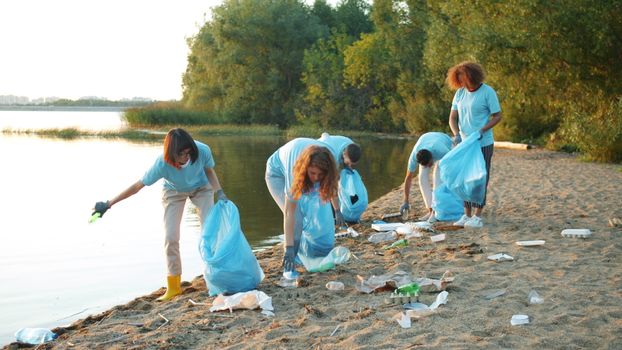
- Reforestation and Habitat Restoration: Planting trees, cleaning up natural areas, restoring degraded ecosystems.
- Sustainable Agriculture: Assisting with organic farming techniques, permaculture, or water conservation projects.
- Waste Management and Recycling: Helping communities implement effective waste reduction strategies.
Example: Reforestation in the Amazon Rainforest
Working with a local NGO in the Ecuadorian Amazon to reforest areas damaged by logging was a physically demanding but deeply fulfilling experience. We spent our days clearing invasive species, preparing soil, and planting native saplings.
Insider Detail:
The symphony of the rainforest is unlike anything else – the screech of monkeys, the buzz of unseen insects, the constant drip of moisture. Breathing in the rich, earthy scent of the jungle floor, knowing you're contributing to its recovery, is a powerful feeling.
Pro-Tip:
Understand the specific ecological needs of the region. Simple tree planting is good, but planting native species that support local biodiversity is even better.
The Practicalities: Budget, Logistics, and Beyond
Embarking on a voluntourism trip requires careful planning. Here’s a breakdown of what you need to consider:
| Aspect | Estimated Cost ($USD) | Best Time to Visit | How to Get There |
| :--------------- | :-------------------- | :---------------------------------------------------- | :--------------------------------------------------------------------------------------------------------------------------------------------------------------------------------------- |
| Flights | $600 - $1500+ | Varies by destination; consider shoulder seasons. | Book in advance, be flexible with dates and airports, utilize flight comparison websites. |
| Program Fees | $500 - $3000+ (per week) | Varies by organization and duration. | Typically includes accommodation, meals, project support, and sometimes local transportation. Crucially, research what these fees actually cover and how they benefit the community. |
| Visa Fees | $50 - $200+ | Varies by nationality and destination. | Check visa requirements well in advance of your travel dates. |
| Insurance | $50 - $200+ | Essential for any international travel. | Comprehensive travel insurance covering medical emergencies and trip cancellations. |
| Personal Expenses | $200 - $500+ | Depends on your spending habits and destination. | Souvenirs, local SIM card, occasional meals out, personal toiletries. |
| Vaccinations | $100 - $400+ | Consult your doctor or travel clinic 4-6 weeks prior. | Depends on the destination and your health history. |
Quick Facts:
- Duration: Most impactful programs range from 2 weeks to 3 months.
- Accommodation: Varies from homestays with local families to shared volunteer houses or basic dormitories.
- Food: Usually local cuisine, often prepared by community members or volunteers.
- Language: While English is often spoken at program headquarters, learning basic local phrases goes a long way!
How to Find Reputable Programs:
- Research, Research, Research: Look for organizations with clear mission statements, transparent financial reporting, and strong community partnerships.
- Read Reviews: Seek out independent reviews and testimonials, paying attention to feedback on community impact and volunteer experiences.
- Network: Connect with past volunteers or people working in development to get personal recommendations.
- Prioritize Local Partnerships: Programs that are driven by local needs and involve local leadership are invariably more effective.
The Takeaway: Travel with Purpose, Not Just Presence
Voluntourism, when done right, is a powerful force for good. It’s about more than just ticking a box or getting a feel-good story. It’s about active participation, mutual respect, and genuine contribution. It’s about stepping outside your comfort zone to immerse yourself in a different way of life, and in doing so, leaving a positive, lasting imprint on a community that has, in turn, enriched your own life immeasurably.
So, are you ready to trade the typical tourist trail for a path of purpose? The world needs your hands, your heart, and your willingness to learn. Choose wisely, travel ethically, and make your next adventure truly unforgettable – for you, and for the communities you serve.
---