The humid air clung to me like a second skin as I hacked away at stubborn vines, sweat stinging my eyes. Around me, the sounds of the Amazon rainforest were a symphony – unseen birds, buzzing insects, the distant roar of a howler monkey. My hands, usually accustomed to a laptop keyboard, were now caked in mud, calloused, and surprisingly content. I was deep in a remote corner of Ecuador, helping an Indigenous Kichwa community reforest a vital corridor for jaguars, a project so grassroots, so truly local, you wouldn't find it on any major volunteer platform.
It was a far cry from the glossy brochures of "voluntourism" I'd seen. There were no organized tours, no fancy visitor centers, just a group of villagers, a handful of passionate students, and me, sharing simple meals, swapping stories in broken Spanish and Kichwa, and working side-by-side under the relentless sun. This wasn't just volunteering; it was living, learning, and contributing in a way that felt profoundly authentic. It was a secret, shared with me by a local guide I’d befriended on a previous trip, who, with a knowing wink, told me, "We don't tell everyone about this. We want people who understand."
And that, my friends, is the heart of what I want to share with you today on Tripsora. What if I told you there are places, projects, and people waiting for your help, but they’re not plastered all over Instagram, nor are they on the first page of your Google search for 'volunteer abroad'? These are the hidden conservation projects, often community-led, deeply impactful, and cherished by the locals who run them – so much so, they often prefer to keep them out of the mainstream tourist gaze. But with the right approach and a genuine heart, you, too, can become part of their story.
The Allure of the Undiscovered: Why "Secret" Conservation?
Let's be honest, the term "voluntourism" sometimes carries a baggage of skepticism. We've all seen images of well-meaning Westerners posing with local children or construction projects that seem to magically restart every time a new group arrives. While many large-scale volunteer organizations do incredible work, there's a growing desire among conscious travelers to go deeper, beyond the curated experience. This is where "secret" conservation projects shine.
These initiatives are typically born out of a direct need felt by a local community, not a marketing strategy. They are often run by small, indigenous groups, passionate families, or local NGOs with limited budgets and even less marketing savvy. Their focus isn't on attracting hordes of foreign volunteers, but on achieving genuine, sustainable change for their land, their wildlife, and their people.
The benefits for you, the traveler, are immense:
* Deeper Cultural Immersion: You're not just observing; you're living within the community, sharing their daily rhythms, traditions, and challenges. My experience in Ecuador meant waking up to the sounds of roosters, eating fresh yucca from the garden, and learning traditional Kichwa songs around a crackling fire.
* Direct, Tangible Impact: Your work isn't just a drop in the ocean; it's often a crucial hand in a small, focused effort. You see the immediate results of your labor and understand its direct importance to the locals.
* Authentic Connection: Forget superficial interactions. You'll forge genuine friendships, learn directly from elders, and be treated as a welcomed participant, not just a temporary visitor.
* Avoiding "Voluntourism" Pitfalls: Because these projects aren't designed for mass tourism, you're less likely to encounter issues like dependency, cultural exploitation, or projects that exist solely for foreign volunteers.
These are the experiences that truly transform you, leaving you with more than just passport stamps – you gain a new perspective, a humbled heart, and stories that resonate for a lifetime.
Decoding the "Don't Want Tourists to Know" Myth
The title of this post might sound a little provocative, but let's clarify: it's not that locals don't want help, or that they're hostile to outsiders. Far from it. What they often seek is meaningful engagement over superficial visits, respectful collaboration over fleeting curiosity.
Many communities have witnessed the double-edged sword of tourism. While it can bring economic benefits, it can also lead to:
* Loss of Authenticity: Traditional ways of life can be commodified, ceremonies performed for show, and local culture diluted.
* Environmental Strain: Increased waste, resource depletion, and habitat disturbance can accompany large numbers of visitors.
* Cultural Misunderstanding: A lack of respect for local customs or a "savior complex" from well-meaning but misguided volunteers can cause resentment.
* Exploitation: Some communities have been exploited by larger organizations, their stories and resources used for profit without adequate returns.
So, when I say "locals don't want tourists to know," it's less about secrecy and more about protection. They are safeguarding their sacred lands, their unique cultures, and their self-determination. They are looking for allies, not just consumers of an experience. Earning their trust means approaching with humility, a willingness to learn, and a genuine desire to contribute on their terms. It means being a guest, not a customer.
Unearthing Hidden Gems: How to Find These Projects
This is where the adventure truly begins! Finding these projects requires a bit more legwork than a quick Google search, but that's part of the reward. Think of yourself as an investigative traveler, a cultural detective on a mission.
- Go Local, Talk to Locals: This is hands down the most effective method. Once you're in a region you're interested in, strike up conversations. Talk to:
- Small guesthouse/hostel owners: Especially those outside major tourist hubs. They often have deep community ties.
- Local guides: The best guides are often passionate about their homeland and connected to local initiatives.
- University environmental departments: Local universities often collaborate with grassroots projects for research or student involvement.
- Community leaders: If you establish trust, a village elder or community leader might point you in the right direction.
- Small, independent coffee shops or artisan workshops: These are hubs for local chatter and often have bulletin boards or staff who know about local happenings.
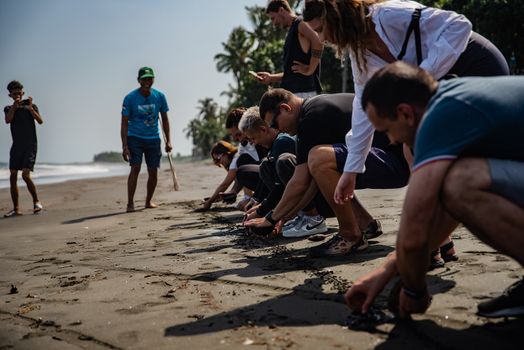
Personal Anecdote: I once found a sea turtle conservation project in a tiny fishing village in Mexico purely by asking my taco stand owner if he knew of any local environmental efforts. He connected me with his cousin, who ran a small, underfunded hatchery – no website, just pure passion. I spent two weeks helping patrol beaches, collect eggs, and release hatchlings, all on a shoestring budget and fueled by endless tacos.
- Deep Dive Online (with specific keywords): While you won't find them on major platforms, niche online searches can yield results. Try combinations like:
- "[Country/Region] indigenous conservation initiatives"
- "Community-based ecotourism [Country/Region]"
- "Local environmental projects [Specific Village/Area]"
- "Grassroots wildlife protection [Country/Region]"
- "Sustainable agriculture [Community Name]"
- Sustainable Travel Forums and Niche Groups: Online communities dedicated to ethical travel, permaculture, or specific environmental causes often have members who have participated in or know about these smaller projects. Look for Facebook groups, Reddit threads, or specialized forums.
- Direct Contact with Small Local NGOs: Research local non-profits in your target area. Many have small teams and welcome direct inquiries from potential volunteers, even if they don't have a formal "volunteer program." Be clear about your skills and genuine interest.
- Be Flexible and Patient: These aren't polished programs. You might need to make multiple inquiries, spend time on the ground building rapport, and be open to projects that aren't exactly what you envisioned. Flexibility is key!
My Top Picks: Off-the-Grid Conservation Experiences (Examples)
While I can't give you exact contact details for truly "secret" projects (that would defeat the purpose!), I can paint a picture of the types of initiatives you might uncover and where to look. These examples are based on real-world models I've encountered or heard about through my travels.
- Andean Cloud Forest Reforestation & Indigenous Knowledge Exchange (Peru/Ecuador)
- Focus: High-altitude cloud forest protection, reforestation with native species, sustainable agroforestry, and preserving indigenous knowledge (e.g., medicinal plants, traditional farming).
- The Vibe: Imagine waking up to mist-shrouded peaks, working alongside Kichwa or Quechua communities. You'd be planting native saplings in degraded areas, learning about traditional farming techniques that respect the land, helping monitor rare bird species, and perhaps even assisting with community-led initiatives like building eco-lodges or processing local cacao/coffee.
- Details: Often involve homestays with families, basic but comfortable living. Meals are traditional, delicious, and sourced locally. Language barriers are common but overcome with patience and a smile. Expect to pay a small daily fee (e.g., $15-30 USD) to cover your food and accommodation, directly supporting the host family and project.
- My Experience: I spent a month near a small Kichwa community in Ecuador's Napo province. My days were filled with carrying saplings up steep trails, digging, planting, and mulching. Evenings were spent learning Kichwa words, making traditional crafts, and sharing stories. The feeling of planting a tree that might one day shade a jaguar was profoundly spiritual.
- Coastal Mangrove Restoration & Fishing Village Resilience (Southeast Asia - e.g., Southern Thailand, Palawan in the Philippines, parts of Indonesia)
- Focus: Restoring vital mangrove ecosystems, protecting coastlines from erosion, providing nurseries for fish and shellfish, and supporting the livelihoods of local fishing communities.
- The Vibe: Picture working with local fishermen and women, knee-deep in mud, planting mangrove propagules (seedlings). You'd learn about sustainable fishing practices, help collect data on marine life, and perhaps assist with community education programs. Boat trips through the mangroves are a given, offering stunning views and a direct understanding of their importance.
- Details: Accommodation might be in a basic guesthouse or a homestay in a stilt house over the water. Food is fresh, local seafood and rice-based dishes. Costs are often minimal, covering food and accommodation (e.g., $10-25 USD/day), directly supporting the village economy.
- My Experience: In a small village in Southern Thailand, I helped a local cooperative plant thousands of mangrove trees over two weeks. The work was physically demanding, but the camaraderie with the villagers, sharing spicy curries and laughing over my clumsy attempts to plant, was unforgettable. Seeing juvenile fish darting among the newly planted roots was a powerful reminder of the project's impact.
- Desertification Combat & Ancient Water Systems Revival (North Africa - e.g., Moroccan Atlas Mountains, Tunisian oases)
- Focus: Combating desertification, reviving ancient qanat (underground irrigation systems) or foggaras, promoting sustainable, drought-resistant agriculture, and preserving traditional Berber/Amazigh knowledge.
- The Vibe: This is a journey into the heart of arid lands, working with resilient communities to bring life back to the desert. You might be clearing ancient irrigation channels, building small dams to capture rainwater, planting olive trees or date palms, or helping with traditional terracing. It’s about learning from centuries of adaptation.
- Details: Homestays are common, offering a unique insight into Berber culture. Expect delicious tagines and mint tea. Costs are typically donation-based or cover basic expenses (e.g., $20-40 USD/day), depending on the community's needs.
- My Experience: I spent a week with a family in a small oasis village in Morocco. We cleared debris from a centuries-old khettara (local term for qanat), helping water flow to parched fields. The wisdom of the elders, their deep connection to the land and water, was humbling. Seeing the joy on their faces as water reached a distant patch of thirsty date palms was incredibly rewarding.
- Wildlife Corridor Maintenance & Community Coexistence (Central America - e.g., rural Costa Rica, remote parts of Belize)
- Focus: Protecting and expanding wildlife corridors to connect fragmented habitats, monitoring wildlife (especially big cats like jaguars and pumas), and educating local communities about coexistence.
- The Vibe: Imagine trekking through dense jungle, setting up camera traps, identifying animal tracks, and clearing pathways to ensure safe passage for wildlife. You might also help with community outreach, teaching children about local fauna, or assisting with sustainable farming practices that reduce human-wildlife conflict.
- Details: Often involves staying on a small, family-run farm or a basic research station. Food is fresh and hearty. Costs vary, but often involve a direct contribution to the family or small NGO (e.g., $25-50 USD/day).
- My Experience: In a lesser-known region of Costa Rica, I joined a small initiative monitoring a wildlife corridor. My days were spent hiking, checking camera traps (and getting excited by blurry photos of tapirs!), and learning about the intricate ecosystem. One night, a local farmer shared stories of his encounters with jaguars – not as a threat, but as a majestic neighbor. That deep respect for wildlife, despite potential challenges, was a powerful lesson.
Preparing for Your Secret Mission: Practical Advice
Embarking on one of these "secret" missions requires more than just a passport. It demands a specific mindset and practical preparations.
- Cultivate the Right Mindset:
- Humility: You are a guest. Come to learn, not to teach or save.
- Flexibility & Patience: Plans will change. Things will be different. Embrace it.
- Open-mindedness: Be ready for cultural differences, different ways of working, and unexpected challenges.
- Resilience: Conditions might be basic. The work might be hard. But the rewards are immense.
- Assess Your Skills & Offer Them Wisely:
- Be honest about what you can genuinely contribute. Physical labor, photography, basic English teaching, social media skills, administrative help, or just a willingness to follow instructions are all valuable.
- Don't overpromise. It's better to under-promise and over-deliver.
- Logistics & Research:
- Visas & Insurance: Ensure you have the correct visa for your stay and comprehensive travel insurance, including medical evacuation.
- Language: Learn basic phrases in the local language. Even a few words go a long way in showing respect. Duolingo is your friend!
- Cultural Etiquette: Research local customs regarding dress, greetings, food, and social interactions.
- Communication: Expect limited or no internet/phone service. Inform family/friends of your general whereabouts and expected return.
- Packing Essentials:
- Sturdy, comfortable work clothes: That you don't mind getting dirty/damaged.
- Work gloves & sturdy closed-toe shoes/boots.
- Rain gear: Even in dry seasons, weather can be unpredictable.
- Headlamp/flashlight: Essential for areas with limited electricity.
- Water filter/purifier bottle: Crucial for staying hydrated safely.
- Basic first aid kit: With any personal medications.
- Insect repellent & sunscreen.
- Reusable water bottle & shopping bag.
- Small gifts: For host families (e.g., school supplies, good quality coffee from your home country, small toys).
- Accommodation & Food Expectations:
- Expect basic, often rustic accommodation (homestays, shared rooms, simple huts).
- Meals will be local cuisine, often simple but delicious. Be open to trying new foods. Dietary restrictions might be difficult to accommodate, so be prepared to adapt or bring supplements.
- Financials:
- Budget for minimal daily costs (food, accommodation) which go directly to the community.
- Have some local currency cash on hand, as ATMs might be scarce.
- Consider bringing extra funds for a discretionary donation to the project or community, if you feel compelled and it's appropriate.
- Ethical Considerations:
- Ensure the project is genuinely community-led and beneficial, not exploitative.
- Avoid projects that seem to prioritize foreign volunteers over local employment or skill development.
- Respect local intellectual property and traditional knowledge.
The Unspoken Rewards: More Than Just Volunteering
Leaving that Kichwa community, my hands were rough, my clothes mud-stained, but my heart was overflowing. I hadn't just planted trees; I'd planted seeds of connection, understanding, and personal growth. These "secret" conservation projects offer so much more than a line on your resume:
- Deep Cultural Exchange: You'll learn traditional crafts, hear ancient stories, and gain insights into worldviews vastly different from your own.
- Learning Traditional Skills: From agroforestry techniques to natural building, you might pick up invaluable skills passed down through generations.
- Forming Genuine Friendships: The bonds forged through shared labor and mutual respect often last a lifetime.
- Personal Growth: You'll push your boundaries, adapt to new situations, and discover a resilience you never knew you had.
- A Profound Sense of Purpose: Knowing your hands-on effort directly contributed to protecting a vital ecosystem or supporting a vulnerable community is an unparalleled feeling.
- Authentic Travel Stories: These aren't just Instagram moments; they're deeply personal narratives of impact and connection that you'll cherish forever.
And yes, many of these moments are incredibly "Instagram-worthy" – not in a posed, curated way, but in their raw authenticity. The stunning landscapes you'll work in, the genuine smiles of the people you meet, the tangible results of your labor, the quiet moments of reflection under a canopy of stars – these are the powerful visuals that tell a true story of responsible travel. Imagine sharing a photo of your mud-caked boots next to a newly planted sapling, or a group shot with your local hosts, their faces beaming with pride. These are the images that inspire, that make people stop scrolling and truly think.
Are You Ready to Uncover Your Own Secret Mission?
The world is full of incredible places and passionate people striving to protect them. While mainstream travel often grazes the surface, there's a profound satisfaction in diving deep, becoming part of something truly authentic, and contributing to the quiet, powerful efforts that locals are leading. These are the journeys that reshape your perspective, enrich your soul, and leave a lasting mark on both you and the communities you touch.
So, are you ready to stop being just a tourist and start being an integral part of something truly special? Are you ready to earn the trust of locals and contribute to a conservation effort that truly matters? Pack your bags, open your mind, and embark on an adventure that most travelers will never even know exists. The world is waiting for your mindful touch.
Share your thoughts below: What kind of hidden conservation project would you love to discover? Or better yet, start planning your own secret conservation mission!
---