The air was thick with the scent of sulfur, a primal whisper against the wind. Below, a river of molten orange snaked its way across a black, desolate landscape, pulsating with an almost hypnotic rhythm. My heart pounded, not from fear, but from the sheer, overwhelming awe of witnessing Earth's raw, untamed power. This wasn't a scene from a disaster movie; this was my reality, standing on the edge of Kilauea's caldera in Hawaii, perfectly safe, utterly mesmerized, and feeling like I was in on one of the planet's best-kept secrets.
For years, the idea of volcano tourism conjured images of daring explorers, imminent danger, and perhaps a fiery demise. "Volcano tours? Aren't those incredibly risky?" friends would ask, picturing collapsing craters and sudden eruptions. And honestly, I used to think the same. The media loves a dramatic volcanic event, painting all fiery mountains with the same broad brushstroke of peril. But what if I told you that some of the most incredible, Instagram-worthy, and profoundly moving travel experiences involve getting up close and personal with volcanoes, without ever putting yourself in harm's way?
This isn't about reckless abandon; it's about smart, informed adventure. It's about tapping into local expertise, finding the hidden trails, the best vantage points, and the most reputable guides who know these geological giants like the back of their hand. These are the "secrets" that allow you to experience the breathtaking majesty of a volcano, often away from the crowded tourist traps, giving you an authentic, unforgettable encounter. And trust me, once you've witnessed an active volcano's glow or stood atop a dormant caldera, you'll wonder why you ever waited.
Let's debunk the myths, embrace the thrill, and discover the volcano tours that truly won't kill you – the ones even some locals prefer to keep under wraps for themselves.
---
Section 1: Debunking the Fiery Myths – Why Volcanoes Aren't Always Death Traps
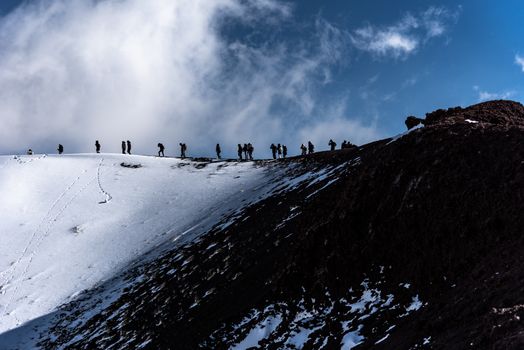
The biggest hurdle for most people considering a volcano tour is fear. Let's be clear: volcanoes can be dangerous. But like any natural wonder, understanding them is key to appreciating them safely. Not all volcanoes are created equal.
Think of it this way: there are explosive, highly dangerous volcanoes (like Mount Vesuvius or Krakatoa) and then there are effusive, more predictable ones that mostly ooze lava (like Kilauea in Hawaii or Fagradalsfjall in Iceland). The tours we're talking about focus almost exclusively on the latter, or on dormant/extinct volcanoes where the primary "danger" is a good workout.
Reputable tour operators and national parks have dedicated scientists and monitoring systems. They track seismic activity, gas emissions, and ground deformation. If an area is deemed unsafe, it's closed. Period. Your safety is their paramount concern, not just because it's good ethics, but because their livelihood depends on it. The "locals don't want tourists to know" isn't about hiding danger; it's about knowing the best ways to experience these wonders when they are safe, often involving less-traveled paths or specific guides who offer unique perspectives.
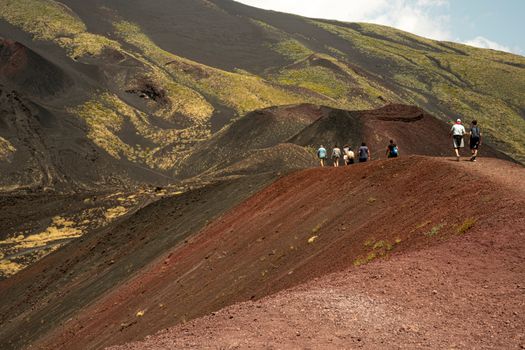
My first volcano hike was to a dormant crater in Central America. I remember being nervous, imagining fiery pits. Instead, I found a lush, verdant landscape, a deep, silent caldera, and views that stretched to the horizon. It was a revelation – a testament to the fact that volcanoes are not just destructive forces, but creators of incredible beauty and diverse ecosystems. This experience ignited my passion and made me realize that with the right guidance, the world of volcanoes was an accessible, thrilling playground.
---
Section 2: The Art of Safe Volcano Chasing – Insider Tips for Your Fiery Adventure
So, how do you ensure your volcano adventure is thrilling, not terrifying? It comes down to smart planning and leveraging local knowledge.
- Choose Your Volcano Wisely: Start with well-monitored, generally effusive volcanoes or dormant ones. Destinations like Hawaii, Iceland, Costa Rica (Arenal), and parts of Indonesia (Bromo, Ijen) are excellent starting points. Avoid areas with recent, highly explosive activity unless guided by extreme experts and with full awareness of the risks (which we generally don't recommend for a casual tourist).
- Research Reputable Tour Operators: This is crucial. Look for companies with excellent safety records, certified guides, and clear communication about risks and precautions. Read reviews on Tripsora, TripAdvisor, and other travel forums. A good guide will speak multiple languages, be knowledgeable about geology and local ecology, and, most importantly, prioritize your safety above all else. They'll also know the secret spots for the best photos without the crowds.
- Listen to Local Authorities: National park services and local government advisories are your best friends. If they say an area is closed, it's closed for a reason. Don't try to circumvent rules or sneak into restricted zones. This is where the "locals don't want you to know" becomes literal – they don't want you to know how to bypass safety regulations, because that's genuinely dangerous.
- Gear Up Appropriately:
- Sturdy Hiking Boots: Essential for uneven, rocky, or slippery terrain.
- Layers of Clothing: Volcano weather can change rapidly – from scorching sun to chilly winds, sometimes with rain.
- Water & Snacks: Hydration is key, especially at higher altitudes or in hot climates.
- Headlamp/Flashlight: If you're doing a sunrise or sunset hike.
- Sun Protection: Hat, sunglasses, high-SPF sunscreen.
- Dust Mask/Bandana: For volcanic ash or sulfur fumes (especially at Bromo or Ijen).
- Camera Gear: Wide-angle lens, tripod for low-light lava shots, extra batteries!
- Assess Your Fitness Level: Some volcano hikes are strenuous. Be honest with yourself and choose a tour that matches your physical capabilities.
- Travel Insurance: Always a good idea for any adventure travel, just in case.
One time, hiking on a lesser-known trail in Iceland near a recent eruption, our local guide, a grizzled Icelander named Bjorn, suddenly stopped us. He pointed to a subtle shift in the wind, a slight increase in sulfur smell. "We turn back here," he said calmly. No debate, no hesitation. He knew the land, its moods, and its limits. That's the kind of insider knowledge you pay for and trust.
---
Section 3: Destination Deep Dive 1 – The Gentle Giants & Fiery Spectacles
These are the quintessential safe volcano experiences, offering dramatic views and relatively predictable activity.
Hawaii, USA: Kilauea & Mauna Loa – Lava Flows & Helicopter Dreams
- The Experience: Hawaii is arguably the safest and most accessible place to witness active lava. While direct lava viewing on foot can be restricted, the Volcanoes National Park offers incredible perspectives. The real "local secret" here often involves knowing when and where the current activity is best viewed, which changes constantly.
- Boat Tours: Imagine a catamaran gliding on the Pacific as molten lava pours into the ocean, creating enormous plumes of steam and new land. This is an unparalleled, safe way to witness creation in real-time. Prices typically range from $150-$300 USD for a sunrise or sunset tour.
- Helicopter Tours: For a truly epic, bird's-eye view, a helicopter tour over the caldera and current flow fields is unbeatable. You'll see the sheer scale of the volcanic activity without any ground-level risk. These are pricier, starting from $250-$600 USD per person, but for many, it's a once-in-a-lifetime splurge.
- Park Overlooks: Within Volcanoes National Park, various overlooks (like Uēkahuna or Keanakakoi) provide safe, panoramic views of Kilauea's caldera, especially mesmerizing at night when the lava lake glows. Ranger-led programs often share invaluable insights.
- Insider Tip: While popular, the best time for lava viewing from the park is often after dark, when the glow is most visible. Bring a red-light headlamp to preserve your night vision and minimize light pollution for others. Always check the USGS Hawaiian Volcano Observatory website for the latest updates on activity and viewing conditions. My personal favorite memory is sitting in the dark, just listening to the distant crackle and hiss, feeling the heat, a truly humbling experience.
Iceland: Fagradalsfjall & Reykjanes Peninsula – Fresh Lava Fields & Geothermal Wonders
- The Experience: Iceland is a land forged by fire and ice, and its volcanoes offer a different kind of thrill. When Fagradalsfjall erupted in 2021 and 2022, it became a pilgrimage site for adventurers.
- Hiking to Eruption Sites: When safe, guided hikes to recent eruption sites allow you to walk on fresh, still-steaming lava fields, a surreal experience. You might even see small vents still oozing. These guided hikes can range from $70-$150 USD depending on duration and accessibility.
- Geothermal Exploration: Beyond active eruptions, explore the Reykjanes Peninsula's bubbling mud pots, steaming vents, and dramatic volcanic landscapes. The Bridge Between Continents is a geological marvel.
- Insider Tip: The weather in Iceland is notoriously fickle. Dress in waterproof and windproof layers, no matter the forecast. Local guides are experts at navigating the terrain and changing conditions. I remember visiting the Fagradalsfjall eruption site and feeling the ground warm beneath my feet, the air thick with mineral smells – an experience straight out of a sci-fi movie.
---
Section 4: Destination Deep Dive 2 – The Sleeping Beauties & Steam Vent Wonders
These destinations offer impressive scale, cultural significance, and unique perspectives on volcanic landscapes.
Indonesia: Mount Bromo & Ijen Crater – Sunrise Spectacles & Blue Fire
- The Experience: Located in East Java, these two volcanoes offer contrasting, yet equally breathtaking, experiences.
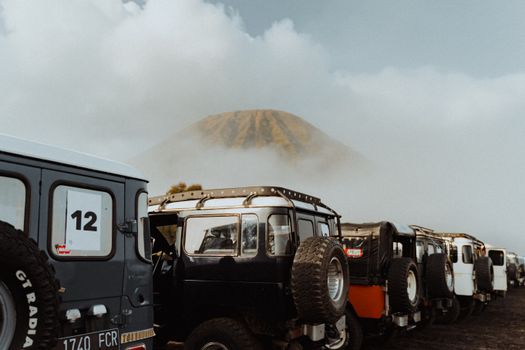
- Mount Bromo: The iconic sunrise over Bromo, with the surrounding Tengger caldera shrouded in mist and the peaks of Semeru and Bromo piercing the sky, is pure magic. After sunrise, you'll cross the "Sea of Sand" (a vast volcanic plain) by jeep, then hike up a set of stairs to the crater rim. Here, you'll peer into the active, smoking crater, feeling the earth rumble beneath you. A typical Bromo sunrise tour (including jeep and entrance fees) costs around $50-$100 USD.
- Ijen Crater (Optional but Highly Recommended): For the truly adventurous, a pre-dawn hike to Ijen Crater reveals the ethereal "blue fire" – sulfuric gases igniting and burning bright blue in the dark. You'll also witness sulfur miners at work, carrying heavy loads up and down the crater. This is a more challenging hike, and a good gas mask is essential. Tours often combine Bromo and Ijen, costing $150-$300 USD for a 2-day/1-night trip.
- Insider Tip: For Bromo, skip the crowded King Kong Hill and ask your guide for a lesser-known viewpoint (like Bukit Perahu or Penanjakan 2) for a more serene sunrise. For Ijen, hire a local guide who can help you navigate the tricky descent into the crater and provide a proper gas mask. The smell of sulfur at Ijen is intense, but the blue fire is absolutely unforgettable. Standing on Bromo's rim, the sheer scale of the caldera made me feel incredibly small, yet part of something immense.
Tanzania: Mount Kilimanjaro – Summiting Africa's Highest Peak
- The Experience: While not actively erupting, Kilimanjaro is a stratovolcano with three distinct cones, Kibo being the highest. Trekking Kilimanjaro is a bucket-list achievement, offering a multi-day adventure through diverse ecosystems to the "Roof of Africa."
- Guided Treks: Various routes (Machame, Lemosho, Marangu) cater to different fitness levels and timeframes. You'll pass through rainforest, moorland, alpine desert, and finally, the arctic zone to reach Uhuru Peak. The views from the crater rim are immense, often featuring glaciers.
- Insider Tip: While not a "fiery" volcano tour, the challenge and reward are immense. Choose a reputable trekking company with experienced guides, porters, and a strong safety record, especially regarding altitude sickness protocols. Prices vary widely, from $2,000-$6,000 USD or more, depending on the route, duration, and level of service. My Kilimanjaro climb was less about the volcano's fire and more about the fire within myself, pushing limits to reach that incredible summit.
---
Section 5: Destination Deep Dive 3 – The Explosive Beauties & Rainforest Wonders
These volcanoes offer a mix of dramatic eruptions and lush, biodiverse surroundings.
Italy: Stromboli – Nighttime Explosions from the Sea
- The Experience: Part of the Aeolian Islands off Sicily, Stromboli is one of the most consistently active volcanoes in the world, famous for its small, regular eruptions, earning it the nickname "Lighthouse of the Mediterranean."
- Night Boat Tours: This is the quintessential Stromboli experience. Boats depart in the late afternoon, circling to the "Sciara del Fuoco" (Stream of Fire) where you can watch incandescent lava and volcanic bombs explode from the crater and tumble down the slope into the sea, all from a safe distance. The spectacle against the dark night sky is truly mesmerizing. Expect to pay around €30-€60 for a boat tour.
- Guided Hikes (seasonal/restricted): For the more adventurous, guided hikes to a safe observation point (around 400m above sea level) offer an even closer view of the eruptions. These are highly regulated and depend on volcanic activity levels. Prices for hikes range from €28-€40 for the guide fee, plus ferry costs.
- Insider Tip: Book your boat tour in advance, especially during peak season. Bring a good zoom lens for your camera! If hiking, wear proper hiking shoes and bring layers. The eruptions are often small, but the regularity and setting make it uniquely thrilling. I remember sitting on the deck of a boat, sipping wine, as Stromboli put on a natural fireworks show – it felt like a private performance.
Costa Rica: Arenal Volcano – Hot Springs & Rainforest Adventures
- The Experience: Once Costa Rica's most active volcano, Arenal is now in a resting phase, but its perfect conical shape dominates the landscape, and its geothermal activity fuels numerous hot springs.
- Hot Springs: Soaking in the mineral-rich, naturally heated waters around Arenal is a sublime experience after a day of exploring. Tabacón, Baldi, and EcoTermales are popular choices, offering varying levels of luxury and ambiance. Prices range from $40-$70 USD for day passes.
- Hiking & Nature Trails: Explore the Arenal Volcano National Park, hike through old lava fields, and discover the incredible biodiversity of the surrounding rainforest. While you won't see lava flows, you'll appreciate the volcano's role in shaping this lush ecosystem. Guided hikes are available for around $30-$50 USD.
- Canopy Tours & Hanging Bridges: Experience the rainforest from above, with the majestic Arenal as your backdrop.
- Insider Tip: Visit one of the smaller, locally-run hot springs for a more authentic and less crowded experience. Ask your hotel or local guides for recommendations away from the main tourist hubs. My favorite memory here was soaking in a hidden hot spring, listening to the jungle come alive at dusk, with Arenal silhouetted against the fading light.
---
Section 6: Beyond the Crater – Unique Volcano Experiences
Volcanoes aren't just about eruptions and craters; they influence everything around them.
- Volcanic Wineries (e.g., Santorini, Canary Islands): The mineral-rich soil around volcanoes produces unique, flavorful wines. Take a wine-tasting tour in Santorini, where vines grow in ash, or explore the vineyards of Lanzarote in the Canary Islands, where grapes are cultivated in volcanic pits.
- Geothermal Cooking (e.g., Azores, Iceland): In places like Furnas on the Azores island of São Miguel, locals cook traditional stews (cozido das Furnas) underground using geothermal heat. It's a delicious and fascinating cultural experience.
- Volcanic Beaches (e.g., Hawaii, Santorini): Black sand beaches, formed from eroded lava, are stunningly beautiful and unique.
- Cultural Significance: Many volcanoes hold deep spiritual and cultural significance for local communities. Learning about these traditions adds a profound layer to your visit.
These are the kinds of enriching experiences that often aren't heavily marketed but offer a deeper connection to the land and its people – the true "secrets" that locals cherish.
---
Conclusion: Embrace the Fire, Safely
My journey from volcano-fearing bystander to lava-chasing enthusiast has been one of the most rewarding aspects of my travels. The sheer power, beauty, and creative force of volcanoes are unlike anything else on Earth. They remind us of our planet's incredible dynamism and our own small place within it.
So, are you ready to ditch the fear and embrace the fiery heart of our planet? With the right preparation, reputable guides, and a healthy respect for nature, you can absolutely experience these incredible wonders safely and create memories that will last a lifetime. Don't let misconceptions keep you from one of the most breathtaking adventures you'll ever have.
Which fiery peak is calling your name? Share your volcano dreams in the comments below! And if you've already had an amazing, safe volcano experience, tell us your "local secret" – what made it unforgettable? Let's inspire each other to explore the world's most dramatic landscapes, safely and authentically.
---