The crisp morning air in Borneo still sends a shiver down my spine, even thinking about it now. I remember peering through the dense jungle canopy, heart pounding, hoping for a glimpse. Then, a rustle. A flash of ginger fur. And there she was – an orangutan, not in a cage, not performing, but gracefully swinging from branch to branch, a tiny infant clinging to her back. This wasn't a zoo; it was a rehabilitation center, and every penny of my visit went directly to her species' survival. That moment, witnessing true, unadulterated wildness supported by ethical tourism, changed everything for me.
For years, like many of you, I've chased those awe-inspiring wildlife encounters. But the more I traveled, the more I learned about the darker side of animal tourism – the exploitation, the suffering, the "sanctuaries" that were anything but. It sparked a mission: to find and share experiences that not only thrill the traveler but genuinely help the animals.
And trust me, the world is full of them! As we look ahead to November 2025, a perfect shoulder season in many parts of the world, offering fantastic weather and fewer crowds, I've curated a list of truly transformative wildlife experiences. These aren't just photo opportunities; they're chances to connect, learn, and contribute to the survival of some of our planet's most magnificent creatures.
So, pack your bags (ethically, of course!), grab your camera, and get ready to discover how your next adventure can be a force for good.
1. Gentle Giants & Ethical Encounters: Elephant Sanctuaries in Northern Thailand
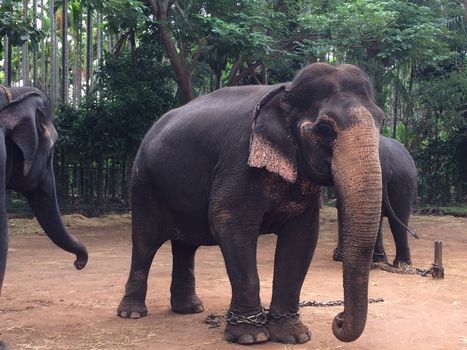
Thailand has long been a hotspot for elephant tourism, but the narrative is shifting dramatically towards ethical, no-riding sanctuaries. November 2025 marks the end of the rainy season, offering lush landscapes and comfortable temperatures – perfect for observing these majestic creatures in their natural or semi-natural habitats.
The Experience:
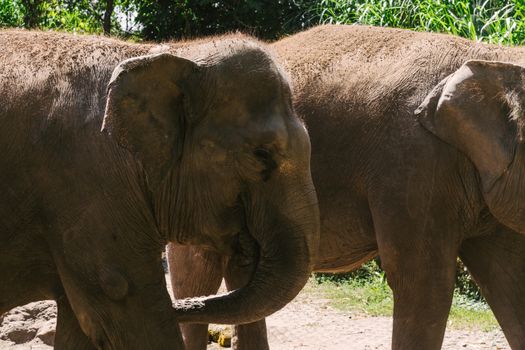
Imagine spending a day watching rescued elephants roam freely, bathe in mud pits, and forage for food. You'll learn their individual stories, often heartbreaking tales of rescue from logging camps or tourist riding operations. Many ethical sanctuaries allow you to participate in preparing their food, feeding them by hand (under strict supervision), and walking alongside them as they explore their vast enclosures. The focus is entirely on the elephants' well-being, with minimal human interference. You won't see them performing tricks or giving rides; instead, you'll witness their natural behaviors, their complex social structures, and their incredible intelligence.
My Anecdote:
My first visit to an ethical elephant sanctuary near Chiang Mai was profoundly moving. I remember watching an older female, Mae Noi, gently guide a younger, blind elephant to the river for a drink. The bond was palpable. Later, helping the staff chop up massive watermelons and bananas, I felt a deep sense of purpose. When Mae Noi took a piece of fruit directly from my hand, her trunk brushing my palm, it wasn't just a touch; it was a connection, a silent thank you for supporting her freedom. It was a far cry from the guilt I'd felt years ago at a riding camp, and a powerful reminder of how our choices as travelers impact lives.
Specifics for November 2025:
* Location: Chiang Mai region, Northern Thailand (e.g., Elephant Nature Park, Wildlife Friends Foundation Thailand, Kindred Spirits Elephant Sanctuary).
* What to Expect: Full-day or half-day visits typically include transportation, a vegetarian lunch, and guided observation/interaction activities. Some offer multi-day volunteer programs.
* Estimated Cost: Day trips range from $80-$180 USD per person, depending on the sanctuary and inclusions. Book well in advance for November 2025, as ethical sanctuaries have limited visitor numbers to protect the animals.
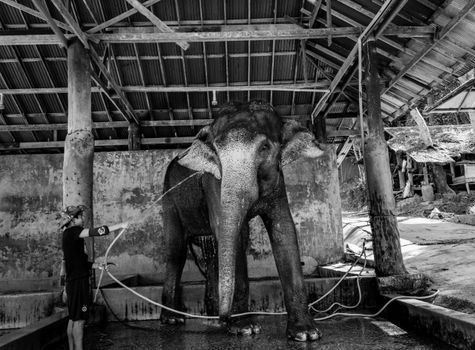
* Ethical Tip: Look for sanctuaries that explicitly state "no riding," "no bathing with elephants" (as this can still be stressful), and focus on rehabilitation and natural behavior. Check their reviews and conservation credentials thoroughly.
2. Ocean Guardians: Sea Turtle Conservation in Costa Rica
November marks the tail end of the nesting season for several sea turtle species in Costa Rica, making it an incredible time to witness hatchlings emerge and contribute to their survival. Costa Rica is a global leader in eco-tourism, and its commitment to marine conservation is truly inspiring.
The Experience:
Imagine moonlit patrols along pristine beaches, searching for nesting mothers, or carefully documenting and relocating nests to protect them from poachers and predators. During the day, you might be involved in beach clean-ups, educational outreach, or monitoring hatchling emergences. The work can be challenging – long hours, humid conditions – but the reward of seeing tiny hatchlings scramble towards the ocean is unparalleled. You'll work alongside passionate local and international volunteers, learning about marine biology and the critical threats facing these ancient mariners.
My Anecdote:
On a trip to the Caribbean coast of Costa Rica in a past November, I volunteered for a week with a local conservation project. One night, under a sky thick with stars, our small group found a giant Leatherback turtle digging her nest. We sat in hushed awe, observing her ancient ritual. Later that week, I helped release a batch of Olive Ridley hatchlings. Watching those tiny, determined creatures make their perilous journey to the sea, knowing we'd given them a fighting chance, filled me with an indescribable joy and a profound respect for nature's resilience. It's a memory I revisit whenever I need a dose of hope.
Specifics for November 2025:
* Location: Pacific and Caribbean coasts of Costa Rica (e.g., Ostional Wildlife Refuge, Tortuguero National Park, Gandoca-Manzanillo Wildlife Refuge).
* What to Expect: Volunteer programs range from one week to several months, typically including accommodation, meals, and project training. Tourist visits are often guided and focused on observation.
* Estimated Cost: Volunteer programs can range from $400-$800 USD per week, excluding international flights. Day/night tours for observation are significantly less, often $30-$60 USD. Book volunteer spots at least 6-9 months in advance.
* Ethical Tip: Choose organizations that are transparent about their funding, involve local communities, and prioritize the turtles' welfare over tourist interaction. Avoid any program that allows touching or interfering with nesting turtles or hatchlings without scientific justification.
3. The Call of the Wild: Responsible Safari in the Maasai Mara, Kenya
A true African safari is a bucket-list experience for many, but choosing an ethical operator is paramount. November 2025 falls just after the short rains in Kenya, meaning the landscape will be greening, and animal concentrations will still be high as they disperse from the Mara River. It's an excellent time for game viewing without the peak season crowds.
The Experience:
This isn't just about seeing the "Big Five"; it's about supporting local communities, anti-poaching efforts, and habitat preservation. An ethical safari prioritizes minimal impact, uses eco-friendly lodges, and employs local Maasai guides who share their deep knowledge of the land and its creatures. You'll embark on game drives in open-sided vehicles, witnessing lions, elephants, giraffes, zebras, and countless other species in their natural environment. Beyond the wildlife, you'll gain insight into the delicate balance of the ecosystem and the crucial role conservation plays. Many lodges also offer cultural visits to Maasai villages, ensuring respectful interaction and direct economic benefit to the community.
My Anecdote:
I remember a safari in the Maasai Mara, guided by a Maasai elder named Ole. His eyes, honed by generations of living alongside wildlife, spotted a leopard camouflaged perfectly in a tree before any of us saw a flicker. But it wasn't just his tracking skills; it was his reverence for the land and animals. He told us stories passed down through his family, explaining how the Maasai have coexisted with wildlife for centuries. Staying at an eco-lodge that sourced all its staff and produce locally, and seeing the direct impact on the community school, reinforced that this wasn't just a holiday; it was an investment in a sustainable future for both people and wildlife.
Specifics for November 2025:
* Location: Maasai Mara National Reserve, Kenya (or Serengeti in Tanzania for similar experiences).
* What to Expect: Multi-day safari packages (3-7 days are common) include accommodation in eco-lodges, all meals, game drives, and often cultural visits.
* Estimated Cost: A mid-range, ethical safari can cost $300-$800+ USD per person per day, depending on the lodge's luxury level and duration. This covers park fees, transport, guides, and accommodation. Book 9-12 months in advance for prime November dates.
* Ethical Tip: Research tour operators that are certified by reputable eco-tourism bodies (e.g., Ecotourism Kenya), employ local guides, contribute to community development, and have strict "leave no trace" policies. Avoid companies that promise off-road driving or guarantee specific animal sightings, as this can put pressure on guides to disturb wildlife.
4. Primate Paradise: Orangutan Rehabilitation in Borneo, Malaysia
The plight of orangutans due to habitat loss from palm oil plantations is heartbreaking. However, dedicated rehabilitation centers in Borneo are working tirelessly to rescue, rehabilitate, and release these incredible "people of the forest." November 2025 offers a good window, as it's typically drier after the heavy monsoon, making forest exploration more comfortable.
The Experience:
Visiting an orangutan rehabilitation center is a deeply moving experience. You'll typically observe orangutans at feeding platforms, where they come for supplementary food as they learn to forage independently. This allows you to witness their intelligence, agility, and unique personalities from a respectful distance. Many centers also have nurseries where younger orangutans are cared for and taught essential survival skills. Beyond observation, your entrance fee directly supports their rehabilitation, veterinary care, and the ongoing fight against deforestation. Some centers also offer opportunities to learn about sustainable palm oil initiatives and local conservation efforts.
My Anecdote:
At the Sepilok Orangutan Rehabilitation Centre in Sabah, Malaysia, I was captivated by a young orangutan named Budi. He was still learning to climb, and his clumsy, determined efforts to swing from rope to rope, occasionally tumbling into the protective arms of a caregiver, were both comical and poignant. The sheer dedication of the staff, who essentially act as surrogate mothers, was inspiring. Knowing that my visit contributed to Budi's eventual return to the wild, giving him a chance at a natural life, made every moment feel incredibly meaningful.
Specifics for November 2025:
* Location: Sepilok Orangutan Rehabilitation Centre (Sabah, Malaysian Borneo) or Tanjung Puting National Park (Kalimantan, Indonesian Borneo, for multi-day river tours).
* What to Expect: Day visits to Sepilok involve viewing platforms for feeding times. Multi-day "klotok" (riverboat) tours in Tanjung Puting offer more immersive experiences with opportunities to see orangutans in a semi-wild state.
* Estimated Cost: Sepilok entrance fee is around $10-15 USD. Klotok tours in Tanjung Puting can range from $300-$600 USD for a 3-day/2-night trip, including accommodation and food. Book klotok tours several months in advance.
* Ethical Tip: Choose centers that prioritize minimal human contact, focus on rehabilitation and release, and educate visitors on palm oil issues. Avoid any "sanctuary" that allows direct touching or holding of orangutans, as this can habituate them and prevent successful reintroduction.
5. Feathered Friends & Forest Heroes: Wildlife Rescues in Australia
Australia's unique wildlife faces constant threats from habitat loss, climate change, and bushfires. Visiting and supporting wildlife rescue and rehabilitation centers is a powerful way to help. November 2025 is spring/early summer in Australia, a time when many animals are active, and rescue centers are often busy with new arrivals.
The Experience:
These centers are dedicated to rescuing, treating, and rehabilitating injured or orphaned native animals – koalas, kangaroos, wombats, various bird species, and more. Your visit typically includes guided tours, educational presentations about the animals' plights, and opportunities to see them being cared for. You'll learn about the challenges they face and the incredible efforts involved in their recovery. Many centers rely heavily on donations and volunteer work, so your presence and support are vital. Some offer unique "keeper for a day" experiences or dedicated volunteer programs.
My Anecdote:
After the devastating bushfires a few years ago, I visited the Port Macquarie Koala Hospital. Seeing the specialized care given to koalas with severe burns, and hearing the stories of their resilience, was incredibly humbling. I sponsored a koala named "Anwen" that day. It wasn't about holding a koala for a selfie; it was about supporting the long, arduous road to recovery for an entire species. Knowing my small contribution helped provide medication and care for Anwen and others like her felt far more impactful than any fleeting interaction.
Specifics for November 2025:
* Location: Port Macquarie Koala Hospital (New South Wales), Currumbin Wildlife Sanctuary (Gold Coast, Queensland – focuses on rescue and rehabilitation alongside tourism), Wildlife Victoria (state-wide rescue services, often requires direct volunteering).
* What to Expect: Entrance fees, guided tours, educational talks, viewing of animals in recovery. Some offer volunteer opportunities (often requiring a longer commitment).
* Estimated Cost: Entrance fees typically range from $20-$50 USD. Donations are always welcome. Volunteer programs vary widely, some may have associated costs.
* Ethical Tip: Support centers that have strong veterinary programs, clear rehabilitation goals, and prioritize the animals' welfare over visitor interaction. Look for places that educate visitors on habitat preservation and responsible pet ownership (to prevent attacks on wildlife).
6. Canine Conservation: African Painted Dog Projects in Zimbabwe
Often overlooked in favor of the "Big Five," the African Painted Dog (also known as African Wild Dog) is one of Africa's most endangered carnivores. November 2025, after the short rains, is a good time to observe these highly social and intelligent animals as they become more active.
The Experience:
Ethical projects focusing on African Painted Dog conservation offer a unique and impactful safari experience. These typically involve staying at lodges that directly fund and collaborate with conservation teams. You might participate in tracking drives with researchers, learning about their monitoring techniques, anti-poaching strategies, and community outreach programs. The thrill of spotting a pack of these beautiful, intricate animals in their natural habitat, knowing your presence directly supports their survival, is immense. It's a more niche, dedicated experience than a general safari, appealing to those with a specific interest in carnivore conservation.
My Anecdote:
I once had the privilege of joining a tracking team for a day at a reserve in Zimbabwe. We followed radio signals, bumping along dusty tracks, and the anticipation was electric. When we finally found a pack resting in the shade, their distinctive coats a mosaic of black, brown, and white, I was mesmerized. The project leader explained how every successful birth, every protected territory, was a victory against extinction. It made me realize that conservation isn't just about grand gestures; it's about meticulous, dedicated, everyday work, and travelers can play a part by choosing to support these efforts.
Specifics for November 2025:
* Location: Hwange National Park (Zimbabwe), or specific conservancies in Botswana or South Africa that have dedicated painted dog projects.
* What to Expect: Stays at specific eco-lodges that partner with painted dog conservation initiatives. Activities include specialized game drives focused on tracking, educational briefings, and sometimes visits to research facilities.
* Estimated Cost: This is often an add-on to a safari or part of a specialized conservation tour, ranging from $400-$1000+ USD per person per day depending on the exclusivity and lodge. Book well in advance.
* Ethical Tip: Seek out lodges and operators that are transparent about their direct contributions to painted dog conservation, including funding for anti-poaching, community education, and research. Ensure they adhere to strict wildlife viewing protocols.
7. Rainforest Recovery: Primate Rehabilitation in Peru's Amazon
The Amazon rainforest is a biodiversity hotspot, but its primates face threats from deforestation and the illegal pet trade. Ethical primate rehabilitation centers in Peru offer a chance to support these intelligent animals and the vital ecosystem they inhabit. November 2025 is a good time as the weather is generally warmer and drier, making river travel and forest walks more pleasant.
The Experience:
Deep within the Peruvian Amazon, these centers rescue primates (monkeys, marmosets, tamarins) that have been orphaned or confiscated from the illegal pet trade. Your visit will involve guided tours through the facility, observing the primates in large, natural enclosures, and learning about their unique behaviors and the challenges of rehabilitation. The ultimate goal is always release back into protected areas of the rainforest. Your visit directly funds their care, veterinary treatment, and efforts to combat wildlife trafficking. Some programs offer deeper immersion through multi-day stays or volunteer opportunities, allowing you to learn about the broader rainforest ecosystem and indigenous conservation efforts.
My Anecdote:
I remember a trip to a rescue center near Iquitos, Peru. A mischievous capuchin monkey, who had lost his mother to poachers, was learning to forage independently. He would eye us curiously from a distance, but never approach for food, a sign of successful rehabilitation. Our guide, a local conservationist, explained the intricate web of life in the Amazon and how every rescued animal contributed to its delicate balance. It was a powerful reminder that our actions, even thousands of miles away, have a ripple effect on these vital ecosystems.
Specifics for November 2025:
* Location: Taricaya Ecological Reserve (near Puerto Maldonado), Pilpintuwasi Butterfly Farm and Animal Orphanage (near Iquitos).
* What to Expect: Day visits or multi-day stays, often combined with other Amazon experiences (jungle treks, river cruises). Guided tours, educational talks, observation of various rescued primates and other wildlife.
* Estimated Cost: Day visits can range from $30-$70 USD (excluding transport). Multi-day stays or volunteer programs will be significantly more, often $300-$700+ USD for a few days, including accommodation and food. Book well in advance, especially if combining with other Amazon tours.
* Ethical Tip: Choose centers that are transparent about their rescue and rehabilitation processes, prioritize the animals' welfare (no direct touching or feeding by tourists), and actively work with local communities and authorities to combat illegal wildlife trade.
Practical Tips for the Ethical Wildlife Traveler:
- Do Your Homework (Thoroughly!): Don't just trust a website's claims. Read independent reviews (TripAdvisor, Google Reviews, ethical tourism blogs), check their social media, and look for certifications from reputable conservation bodies. Ask direct questions about their practices.
- Look for Red Flags:
- Direct Contact/Touching: If an experience promises you can hug, ride, or take selfies with wild animals, it's almost certainly unethical.
- Performances/Tricks: Animals performing unnatural tricks are often trained through cruel methods.
- Confined Spaces/Chains: Wild animals should have ample space that mimics their natural habitat.
- Unnatural Behaviors: Animals exhibiting repetitive, stressed behaviors (pacing, swaying) are likely suffering.
- Ask Key Questions:
- "Where do your animals come from?" (Should be rescued, not bred for tourism).
- "What is your ultimate goal for the animals?" (Should be rehabilitation and release, if possible).
- "How do you contribute to local conservation/communities?"
- "What are your visitor guidelines to ensure animal welfare?"
- Support Local: Choose locally owned and operated businesses where possible. This ensures your money directly benefits the community and gives them a stake in conservation.
- Pack Smart & Responsibly: Bring reusable water bottles, reef-safe sunscreen, and avoid single-use plastics. Pack appropriate clothing that blends in (neutral colors) and doesn't disturb wildlife.
- Leave No Trace: Stick to designated paths, never litter, and respect natural environments.
- Be Patient & Observant: Ethical wildlife experiences are about observing, not demanding interaction. Sometimes, the most profound moments come from simply watching an animal exist naturally.
- Spread the Word: Share your ethical experiences on social media! Use hashtags like #EthicalWildlifeTravel #ResponsibleTourism #TripsoraAdventures. Encourage your friends and family to make conscious choices.
The Power of Conscious Travel
Choosing ethical wildlife experiences in November 2025 isn't just about having a great trip; it's about becoming an active participant in conservation. It's about ensuring that the next generation can also witness the incredible biodiversity of our planet. Every dollar you spend, every organization you support, sends a powerful message: we value wildlife, and we demand responsible tourism.
So, as you dream of your next adventure, consider swapping the fleeting thrill of an exploitative encounter for the profound joy of genuinely helping animals thrive. Your journey will be richer, your memories more meaningful, and your impact, truly positive.
What ethical wildlife experiences are you planning for November 2025? Share your thoughts and tips in the comments below! Let's inspire each other to travel with purpose.
---