Beyond the Postcard: How to Find Wildlife Experiences That Actually Matter
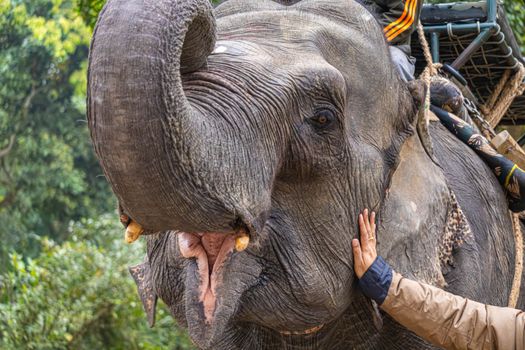
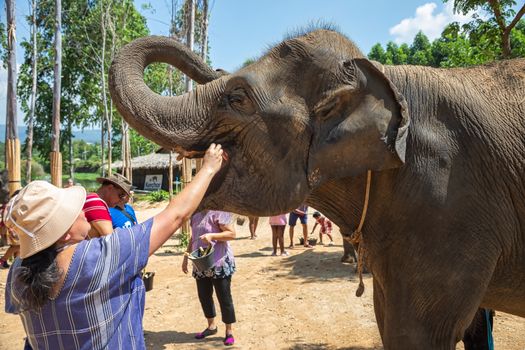
I remember it vividly. The year was 2012, and I was in Southeast Asia, brimming with the excitement of a first-time backpacker. Everyone I met raved about the elephant camps, the tiger temples, the dolphin shows. "It's incredible," they'd say, "you get to ride them, touch them!" So, like countless others, I went. I rode an elephant, its rough hair beneath my fingers, its handler poking it with a stick. I took a photo with a sedated tiger, its eyes glazed over. I watched dolphins jump through hoops, their smiles appearing fixed, almost sad.
Later, scrolling through my photos, a knot formed in my stomach. The joy I’d felt was fleeting, replaced by a nagging guilt. What had I actually contributed to? Had those animals truly been happy? The answer, as I painfully learned, was a resounding no. That experience was my wake-up call, the moment Tripsora's mission for ethical travel truly solidified for me. It sparked a quest: to find wildlife experiences that actually help animals, not exploit them. And crucially, to find them before they become another mainstream, potentially problematic, tourist trap.
This isn't about shaming anyone, myself included. It's about evolving, learning, and making conscious choices that align with our love for the natural world. If you, like me, are ready to move beyond the postcard and dive into experiences that leave a positive paw print, then you're in the right place. Let's explore the hidden gems and unsung heroes of animal conservation, where your travel dollars genuinely make a difference.
The Problem with Mainstream Wildlife Tourism (And Why We Need Alternatives)
Before we dive into the good stuff, it's crucial to understand why ethical choices matter. Many popular wildlife attractions, while seemingly harmless or even educational, often mask a darker reality. Elephant riding, for instance, requires a brutal "crushing" process to break the animal's spirit. Tiger temples often drug big cats to make them docile for tourist photos. Swim-with-dolphin programs frequently involve capturing wild dolphins, confining them, and forcing them to perform. Even seemingly innocuous petting zoos can contribute to overbreeding and unnatural environments.
The core issue? Profit over welfare. These operations thrive on tourist demand, perpetuating a cycle of exploitation. Animals are not props for our entertainment; they are sentient beings deserving of respect, freedom, and protection.
The good news? A new wave of conscious travelers is emerging, demanding better. They seek authentic encounters that prioritize animal welfare, support local communities, and contribute to genuine conservation efforts. And that, my friends, is where you come in. By choosing wisely, you become part of the solution, helping to shift the tourism industry towards a more compassionate future.
What "Helping Animals" Truly Means: A Tripsora Guide to Ethical Encounters
So, what does an ethical wildlife experience actually look like? It's not always about direct interaction, but often about respectful observation, support for rehabilitation, and funding critical research and habitat protection.
Here's the Tripsora checklist for what truly helps animals:
- Rehabilitation & Reintroduction: The primary goal is to rescue injured or orphaned animals, rehabilitate them, and release them back into the wild. If release isn't possible (due to permanent injury or habituation), the focus is on providing a lifelong, species-appropriate sanctuary.
- Conservation & Research: The organization actively participates in scientific research, habitat restoration, anti-poaching efforts, and community engagement to protect species in their natural environments.
- No Direct, Forced Interaction: Ethical centers will rarely allow direct handling or petting of wild animals, especially if they are destined for release. Observation from a respectful distance is key. If interaction occurs (e.g., feeding orphaned babies), it's highly controlled, for the animal's benefit, and often done by trained staff, not tourists.
- Education & Awareness: They educate visitors about the animals, their threats, and how people can help.
- Community Benefit: The organization employs local people, supports local economies, and involves communities in conservation efforts, creating a sustainable model.
- Transparency: They are open about their finances, methods, and the ultimate fate of their animals. Look for certifications or endorsements from reputable wildlife organizations.
Now, let's dive into some incredible, lesser-known experiences that embody these principles.
Diving Deep: Marine Conservation & Unique Underwater Worlds
The ocean, our planet's blue heart, is under immense threat. But far from the crowded dive boats and commercial dolphin shows, there are incredible projects where you can directly contribute to marine conservation.
Coral Restoration in Raja Ampat, Indonesia
- The Experience: Imagine diving into crystal-clear waters, not just to admire the vibrant coral reefs, but to actively help them thrive. Raja Ampat, often called the "Amazon of the Seas," is a biodiversity hotspot. While its beauty is increasingly known, specific coral restoration projects here are still off the mainstream radar for active participation. Organizations like the Raja Ampat Research and Conservation Centre (RARCC) or smaller, local dive resorts partner with conservationists to offer unique volunteer or educational dive programs. You might spend your days learning about coral biology, transplanting coral fragments onto damaged reefs, monitoring reef health, or conducting fish population surveys.
- Why it Helps: Coral reefs are the rainforests of the ocean, supporting a quarter of all marine life. By participating, you’re directly contributing to the recovery of these vital ecosystems, increasing marine biodiversity, and helping local communities who depend on healthy reefs for their livelihoods.
- Personal Anecdote: My last trip to Raja Ampat wasn't just about marveling at manta rays; it was about getting my hands dirty (metaphorically, of course, while wearing gloves!). I spent a week with a small group, learning how to attach coral fragments to artificial structures. The feeling of seeing a vibrant, growing "coral garden" that I had helped plant was profoundly moving. It wasn't about a photo-op; it was about being a quiet, active participant in the ocean's healing.
- Details:
- Location: Raja Ampat archipelago, West Papua, Indonesia. Access typically involves flights to Sorong, then a ferry or boat transfer.
- Cost: A week-long conservation dive package can range from $1,800 - $3,500 USD, often including accommodation, meals, dives, equipment, and expert guidance. This might seem steep, but remember it directly funds the conservation work and provides an unparalleled educational experience.
- Best Time to Go: October to April offers the calmest seas and best visibility.
- Tripsora Tip: Look for dive resorts that explicitly state their commitment to conservation and offer hands-on programs. Ask about their partnerships with local scientists and communities.
Jungle Journeys & Forest Friends: Land-Based Sanctuaries & Rehabilitation
From the lush canopies of Borneo to the dense forests of Central America, land-based rehabilitation centers are fighting tirelessly to save species from habitat loss, poaching, and the illegal pet trade.
Orangutan Rehabilitation in Borneo (Lesser-Known Centers)
- The Experience: While places like Sepilok in Malaysian Borneo are well-known, there are smaller, often community-run or privately funded centers that focus on the arduous, long-term process of rehabilitating orphaned or displaced orangutans. These centers prioritize minimal human contact, preparing the orangutans for a return to the wild. Visitors typically observe from designated platforms, learning about individual animals' stories and the challenges of conservation. Some programs might offer very limited, supervised "volunteer" experiences focused on maintenance or education, rather than direct animal handling.
- Why it Helps: Orangutans are critically endangered, primarily due to palm oil deforestation. Supporting these centers provides crucial funding for rescue missions, veterinary care, food, and the immense effort required to teach these intelligent primates survival skills for release.
- Personal Anecdote: On a trip to Kalimantan (Indonesian Borneo), I visited a smaller, less-advertised center dedicated to orangutan rehabilitation. There were no crowds, no feeding shows. Instead, I stood quietly with a local guide, watching a young orangutan named "Harapan" (Hope) slowly learn to forage in the trees. The guide explained Harapan's traumatic past, and the years of dedication it would take before he could be considered for release. It was a profound lesson in patience, resilience, and the quiet heroism of conservationists. That day, I truly understood the meaning of "rehabilitation" – it's a long, often heartbreaking, but utterly essential journey.
- Details:
- Location: Various locations across Borneo (both Malaysian and Indonesian sides). Research centers like the Orangutan Foundation International (OFI) in Kalimantan or smaller, independent sanctuaries.
- Cost: Day visits to more accessible centers might be $20-50 USD. Longer, immersive volunteer programs (which are often highly selective and require commitment) can range from $500-$1,500+ USD per week, covering accommodation, food, and program fees.
- Best Time to Go: Dry season (April to October) offers easier forest trekking.
- Tripsora Tip: Be extremely wary of any "sanctuary" that allows close physical contact or guarantees photos with orangutans. This is a red flag. True rehabilitation minimizes human interaction.
Sloth & Wildlife Rescue in Costa Rica
- The Experience: Costa Rica is a haven for biodiversity, but rapid development often leads to injured or orphaned wildlife. Numerous rescue centers, often volunteer-driven, work to rehabilitate sloths, monkeys, birds, and other creatures. You can often take guided tours to learn about the rescue process, the challenges faced by specific species, and observe animals recovering in naturalistic enclosures. Some centers offer short-term volunteer positions focused on enclosure cleaning, food prep, or facility maintenance, providing a deeper insight into their operations.
- Why it Helps: These centers are critical lifelines for animals impacted by power lines, vehicle collisions, deforestation, and illegal pet trade. They provide veterinary care, safe havens, and, whenever possible, a path back to the wild.
- Personal Anecdote: At a small, unassuming sloth rescue center near Puerto Viejo, I learned that sloths often get electrocuted by uninsulated power lines. The center was working with the local power company to install wildlife-safe covers – a testament to proactive conservation. Watching a tiny, three-fingered sloth, wrapped in a blanket, slowly regain its strength after an injury, was a powerful reminder of how human actions can both harm and heal.
- Details:
- Location: Various locations across Costa Rica, particularly in areas with high biodiversity and human-wildlife conflict like the Caribbean coast (e.g., Sloth Sanctuary of Costa Rica near Limón, or Jaguar Rescue Center near Puerto Viejo).
- Cost: Guided tours typically range from $25-50 USD. Volunteer programs vary widely, from $200-500+ USD per week (often including accommodation and some meals).
- Best Time to Go: Year-round, but the dry season (December to April) is popular.
- Tripsora Tip: Look for centers that emphasize rehabilitation and release, and do not allow visitors to handle or pet the animals. Check their reviews for ethical practices.
Birds of a Feather & Beyond: Niche Conservation Efforts
Sometimes, the most profound impact comes from focusing on a specific, often overlooked, niche.
Raptor Rehabilitation in the Scottish Highlands, UK
- The Experience: The rugged beauty of the Scottish Highlands is home to magnificent birds of prey, from golden eagles to ospreys. Organizations like the Highland Wildlife Park (a conservation breeding center) or smaller, dedicated raptor hospitals (like the Scottish Owl Centre or independent rehabbers) focus on rescuing, rehabilitating, and releasing injured birds. Visitors can often witness educational flying displays (using non-releasable birds to educate) or take guided tours to learn about the threats these birds face – from lead poisoning to habitat loss – and the intricate process of their recovery.
- Why it Helps: Birds of prey are vital apex predators, indicating the health of their ecosystems. Their conservation often involves broader habitat protection, which benefits countless other species.
- Personal Anecdote: I once spent a blustery afternoon at a small raptor center in the Scottish Borders. A magnificent buzzard, recovering from a wing injury, sat regally in its enclosure. The handler explained how they meticulously recreate natural habitats for recovery and train the birds for hunting before release. Hearing the stories of these majestic creatures and the dedication of the people saving them filled me with a quiet awe. It wasn't about seeing a lion; it was about appreciating the fierce beauty of a local predator.
- Details:
- Location: Various locations across Scotland, including the Highlands and Borders.
- Cost: Entrance fees typically £10-£20 GBP. Some centers may offer specialized tours or workshops at a higher cost.
- Best Time to Go: Spring and summer offer the best weather for visiting and seeing birds in action.
- Tripsora Tip: Ensure any flying displays use birds that cannot be released and that the focus is on education and conservation, not entertainment.
The Human Element: Community-Based Conservation & Indigenous Partnerships
True conservation isn't just about animals; it's about people. The most sustainable and impactful projects integrate local communities, often leveraging indigenous knowledge and providing alternative livelihoods.
Wildlife Tracking with Maasai Guides in Loita Hills, Kenya
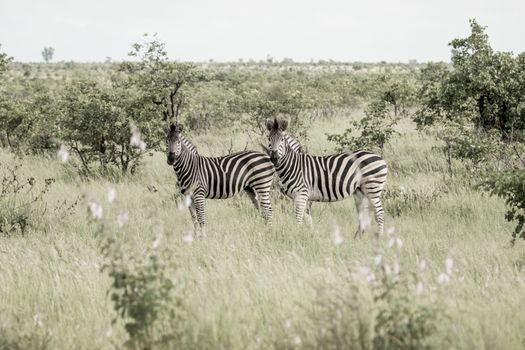
- The Experience: Forget the crowded safari jeeps of the Masai Mara. In the Loita Hills, a sacred forest and vital wildlife corridor adjacent to the Mara, you can embark on an immersive, community-led walking safari. Partnering with Maasai conservancies (like those supported by organizations such as the Maasai Wilderness Conservation Trust), you'll trek through the bush with experienced Maasai guides. They teach you to track animals by their footprints and droppings, identify medicinal plants, and share their profound connection to the land. You'll observe wildlife – elephants, giraffes, zebras, and even elusive leopards – from a respectful distance, gaining a deep appreciation for their natural behavior. Your presence directly supports the Maasai community, empowering them to protect their ancestral lands and its wildlife.
- Why it Helps: This model creates direct economic benefits for the Maasai, giving them a tangible reason to conserve wildlife and prevent poaching. It preserves traditional knowledge, promotes sustainable land use, and protects crucial habitats that are often overlooked by mainstream tourism.
- Personal Anecdote: Walking through the Loita Hills with a Maasai warrior named Ole was one of the most transformative experiences of my life. He taught me to distinguish between fresh elephant dung and older droppings, to identify the alarm call of a baboon, and to move through the bush with quiet respect. One evening, around a crackling campfire, he spoke of how the health of the land and its animals was intertwined with the health of his people. It wasn't just a safari; it was a lesson in interconnectedness, a privilege to be welcomed into their world.
- Details:
- Location: Loita Hills, Great Rift Valley, Kenya. Access typically involves a drive from Nairobi or a bush flight.
- Cost: An immersive 3-5 day walking safari with community conservancies can range from $300-$700 USD per person per day, often including guides, armed rangers, accommodation in tented camps, and all meals. This pricing ensures a significant portion goes directly to the community and conservation efforts.
- Best Time to Go: Dry seasons (January-March and July-October) offer easier trekking and better wildlife viewing.
- Tripsora Tip: Research community conservancies that are genuinely Maasai-owned and managed. Ask about how your funds directly benefit the community and conservation initiatives.
Your Role as an Ethical Explorer: Practical Tips for Planning Your Impact Trip
You're inspired, you're ready to make a difference. But how do you ensure your next wildlife adventure is truly ethical and impactful?
- Do Your Homework (Thoroughly!):
- Research the Organization: Look for transparency. Do they publish financial reports? What are their conservation goals? Are they accredited by reputable bodies (e.g., Global Sustainable Tourism Council, World Animal Protection)?
- Read Reviews (Critically): Look beyond "amazing experience" and seek comments on animal welfare, staff treatment, and local community involvement.
- Ask Direct Questions: Email them! "What is the ultimate goal for the animals in your care?" "Where does my money go?" "What are your animal handling policies?"
- Observe, Don't Interact (Mostly):
- The golden rule of ethical wildlife tourism: maintain a respectful distance. Use binoculars and zoom lenses for photography.
- Avoid any experience that guarantees direct physical contact, riding, or forced performances.
- Minimize Your Footprint:
- Pack Smart: Reusable water bottles, reef-safe sunscreen (if applicable), insect repellent, and long-sleeve clothing to reduce waste and protect sensitive ecosystems.
- Waste Management: Carry out what you carry in. Support places with good waste management practices.
- Respect Local Customs: Dress appropriately, learn a few local phrases, and be mindful of cultural norms.
- Support Local Economies:
- Choose locally owned accommodations, restaurants, and tour operators.
- Buy local crafts (ensuring they're ethically sourced and not made from endangered species).
- Tip fairly and directly.
- Be an Advocate:
- Share your ethical experiences with friends and family. Encourage them to make responsible choices.
- Report unethical practices if you encounter them.
- Continue to learn and educate yourself about conservation issues.
- Budget for Impact: Ethical experiences might sometimes cost more than mass-tourism options. This is often because they aren't cutting corners on animal welfare or staff wages, and a significant portion of your fee goes directly to conservation. View it as an investment in the planet.
Conclusion: Your Adventure, Their Future
The world is brimming with incredible wildlife, and the desire to connect with it is deeply human. But our connection doesn't have to come at their expense. My journey from a naive backpacker to a passionate advocate for ethical wildlife travel has been one of constant learning, profound encounters, and a deep appreciation for the quiet heroes on the front lines of conservation.
These "before they become mainstream" experiences aren't just about seeing animals; they're about being part of something bigger. They're about understanding the delicate balance of ecosystems, supporting dedicated individuals, and empowering communities. They are transformative not just for the animals, but for you.
So, are you ready to trade the fleeting thrill of a selfie with a sedated animal for the profound joy of witnessing true wilderness, knowing your presence makes a difference? Are you ready to dive deeper, trek further, and contribute meaningfully?
Start planning your impact trip today! Dive into the research, ask the tough questions, and embark on an adventure that truly helps animals. Share your ethical wildlife stories with us using #TripsoraImpactTravel and inspire others to join the movement! The future of our planet's incredible creatures depends on the choices we make, one conscious journey at a time.
---