The Hook: A Whisper of Cardamom on the Morning Breeze
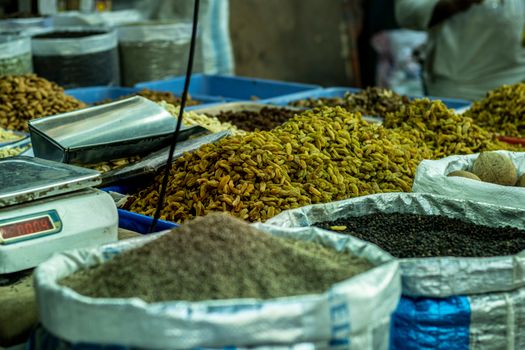
I stepped off the rickety train, the humid air immediately embracing me like a warm, scented blanket. It wasn't just air; it was a symphony of aromas – the sharp, citrusy zest of lemongrass, the sweet warmth of cinnamon, and a faint, intoxicating whisper of cardamom that promised something extraordinary. This wasn't just a destination; it was an olfactory awakening. My mission? To dive deep into the heart of the world's most renowned spice plantations, not just to see, but to understand the magic behind the flavors that have shaped global cuisine for centuries. And April 2026, my friends, is the golden window.
Unearthing the Emerald Heart: Kerala's Spice Heartland
My journey began in the lush, emerald embrace of Kerala, India – a region synonymous with spice. As I meandered through the undulating hills, the air thrummed with a vibrant energy. This isn't your sterile, manicured garden; this is a living, breathing ecosystem where nature’s bounty is nurtured with generations of wisdom.
The Secrets of the Cardamom Pod
Forget the pre-ground dust you buy at the supermarket. Here, I learned to identify the plump, green cardamom pods bursting with tiny, aromatic seeds. Pro-Tip: Look for pods with a slightly leathery texture; they’re at their peak. The secret? Picking them at the exact moment of ripeness, then drying them slowly in the shade to preserve that intense, almost floral perfume. I even got to try my hand at de-husking a few, the delicate fragrance released with each gentle crack. It’s a moment of pure, unadulterated spice revelation.
The Fiery Kiss of Black Pepper Vines
The "King of Spices" reigns supreme here. I saw black pepper vines, a cascade of emerald leaves adorned with clusters of tiny green berries that, with time and sun, transform into the pungent black peppercorns we know and love. Insider Language: The locals call high-quality pepper "tailed pepper" because of the tiny stem still attached to the berry – a sign of careful harvesting. My guide, a sprightly woman named Lakshmi whose hands moved with the grace of a dancer, showed me how to differentiate between male and female pepper vines (the females bear more fruit!).
Bali's Aromatic Alchemy: Beyond Vanilla and Clove
Venturing east to the spiritual island of Bali, I discovered a different kind of spice magic. Here, the focus shifts to fragrant woods, intoxicating flowers, and the delicate art of extraction.
The True Vanilla Bean: A Labor of Love
Vanilla, often an afterthought in Western kitchens, is a revelation in Bali. I witnessed the painstaking process of hand-pollination, a delicate dance performed by skilled farmers using a tiny sliver of bamboo. Pro-Tip: True vanilla beans should be soft, pliable, and have a rich, oily sheen. Avoid brittle, dry beans. The secret here lies in patience and meticulous care, from pollination to the months of curing that develop that complex, sweet aroma. The scent that wafted from the curing sheds was almost overwhelming, a sweet, woody embrace.
The Nuances of Nutmeg and Mace
Bali’s spice farms are also home to the nutmeg tree, a marvel where the fruit yields two precious spices: nutmeg and mace. I learned that mace, the fiery red aril that surrounds the nutmeg seed, has a more delicate, slightly sweeter flavor than its woody counterpart. Authenticity: The best mace is dried slowly until it becomes brittle and translucent, revealing its vibrant color. Tasting them side-by-side was an eye-opener, highlighting the subtle yet significant differences in their flavor profiles.
Zanzibar's "Spice Island" Legacy: A Living Museum
Zanzibar, the legendary "Spice Island," is a living testament to the spice trade's historical significance. Stepping onto its shores felt like stepping back in time, the air thick with a potent blend of history and aroma.
The Golden Elixir: Turmeric's Earthy Power
I was mesmerized by the vibrant, almost neon-orange roots of turmeric, dug fresh from the rich soil. The farmers here understand its medicinal properties as much as its culinary uses. Insider Tip: Look for turmeric with a deep, unblemished orange interior. The secret to its potent color and flavor lies in the soil and the careful drying process, which intensifies its earthy notes. I saw women expertly slicing the roots, their hands stained a beautiful golden hue – a badge of honor.
The Queen of Spices: Cloves and Their Pungent Punch
Zanzibar is famous for its cloves, and the sight of clove trees laden with crimson flower buds is unforgettable. The aroma is sharp, almost medicinal, yet undeniably alluring. Pro-Tip: Harvest cloves when the buds are red, before they open into flowers. The drying process is crucial; they should be laid out on mats in the sun until they darken and become brittle. The sheer volume of cloves being dried was staggering, a testament to the island's spice heritage.
Sri Lanka's Fragrant Hills: Cinnamon and Beyond
Sri Lanka, another jewel in the spice crown, offers a different perspective, with a strong emphasis on cinnamon and the intricate flavors of its curries.
The True Cinnamon: Ceylon's Sweet Secret
Here, I encountered Ceylonese cinnamon, often referred to as "true" cinnamon, distinct from the more common cassia. The delicate, paper-thin quills are a far cry from the thick sticks you might be used to. Authenticity: True cinnamon quills are rolled inwards from both sides, creating a multi-layered effect. The aroma is sweet, subtle, and incredibly complex. I learned that the best cinnamon is harvested from young trees and then carefully dried and rolled by hand.
The Symphony of Sri Lankan Spice Blends
The true magic of Sri Lankan spices lies in their masterful blending. I had the privilege of learning from a local chef about the creation of Rasam (a spicy tamarind soup base) and Kari Masala (curry powder). Insider Language: The secret isn't just in the individual spices, but in the roasting and grinding techniques. Different spices are roasted to varying degrees to unlock their unique flavor compounds before being ground together into a fragrant paste. The complexity and depth of flavor achieved are simply astonishing.
Pro-Tips for Your April 2026 Spice Adventure
- Visit Early: For the most authentic experience and fewer crowds, aim for a plantation visit between 7 AM and 10 AM. The air is cooler, and the farmers are often at their most active.
- Engage Your Senses: Don't just look; smell, touch, and taste. Ask to grind spices, crush leaves, and try freshly harvested produce.
- Talk to the Locals: The real secrets are in the stories shared by the farmers. Ask about their families, their traditions, and their favorite ways to use the spices.
- Look for Organic & Sustainable: Many plantations are committed to eco-friendly practices. Seek out those that prioritize sustainability and fair trade.
- Carry a Small Notebook: You'll want to jot down the secret blends and tips you uncover!
- Dress Appropriately: Light, breathable clothing is essential. Comfortable walking shoes are a must for navigating uneven terrain.
- Bring Insect Repellent: Especially for early morning visits in humid climates.
- Learn a Few Local Phrases: A simple "hello" or "thank you" goes a long way.
Quick Facts: Your April 2026 Spice Journey Planner
| Category | Details |
| :--------------- | :----------------------------------------------------------------------------------------------------------------------------------------------------------------------------------------------------------------------------------------------------------------------------------------------------------------------------------- |
| Estimated Costs | Plantation Tours: $15 - $50 USD (depending on duration and inclusions). Spice Purchases: Variable, but generally excellent value. |
| Best Time to Visit (General) | April 2026 is ideal for many regions. It falls within the dry seasons for parts of Southeast Asia and India, offering pleasant weather for exploration. However, specific harvest times can vary, so check local conditions. |
| How to Get There | Kerala, India: Fly into Kochi (COK) or Thiruvananthapuram (TRV). Hire a taxi or use local buses to reach spice-growing regions like Munnar or Thekkady. <br> Bali, Indonesia: Fly into Denpasar (DPS). Rent a scooter or hire a driver to explore the countryside. <br> Zanzibar, Tanzania: Fly into Abeid Amani Karume International Airport (ZNZ). Local dala-dalas (minibuses) or taxis are available. <br> Sri Lanka: Fly into Bandaranaike International Airport (CMB). Train or taxi to spice regions like Kandy or Matale. |
| Visa Requirements | Varies by nationality. Crucial: Check visa regulations for India, Indonesia, Tanzania, and Sri Lanka well in advance of your trip. |
| Language | English is widely spoken in tourist areas, but learning basic phrases in Malayalam (Kerala), Balinese/Indonesian, Swahili (Zanzibar), or Sinhala/Tamil (Sri Lanka) will enhance your experience. |
The Lingering Aroma of Discovery
As I packed my bags, my luggage now subtly infused with the fragrant essence of a dozen different spices, I knew this was more than just a trip. It was an education, a sensory immersion, and a profound connection to the very ingredients that have shaped our world. The secrets I unearthed weren't just about flavor; they were about tradition, sustainability, and the enduring power of nature. So, when April 2026 rolls around, answer the call of the spice trail. Your taste buds, and your soul, will thank you.