The 60-Minute Globalist: Why Your Lunch Break is an International Opportunity
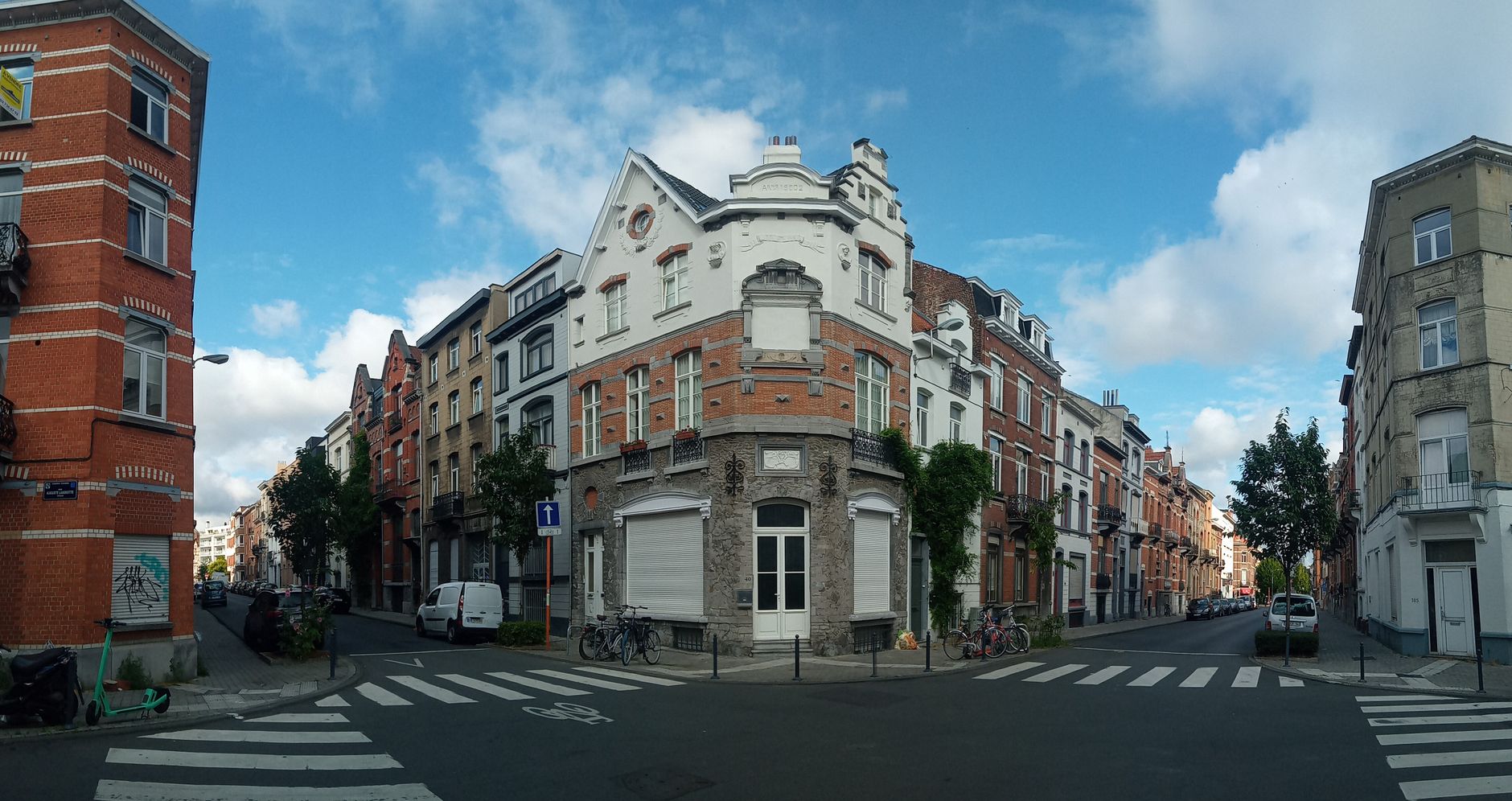
I stepped off the curb in Baarle-Nassau, the scent of fresh stroopwafel—caramelized sugar and cinnamon—clinging to the crisp Dutch air. I took exactly three steps forward. Suddenly, the tile patterns beneath my boots changed from standard grey brick to a series of white crosses embedded in the pavement. I looked back at my coffee cup, still steaming. I was no longer in the Netherlands. I was in Belgium.
Total travel time? Four seconds. Total cost? Zero euros.
In an era of hyper-connectivity, the traditional concept of "abroad" is dissolving. Recent mobility data from the Schengen Visa Info bureau and urban transit reports suggest that for millions of residents in border-adjacent zones, "international" is simply a matter of crossing the street. If you’re tired of the same old salad at your desk, it’s time to exploit the geographical quirks of our planet. Here is the data-backed guide to the countries you can visit on a lunch break.
1. The Double-Dutch Delight: Baarle-Nassau (Netherlands) & Baarle-Hertog (Belgium)
This isn't just a border; it’s a cartographic fever dream. The town is a patchwork of 22 Belgian enclaves within the Netherlands and several Dutch counter-enclaves.
The Experience:
You can literally sit in a café where your table is in the Netherlands, but your waiter is standing in Belgium. The border lines are marked with white crosses on the pavement and metal studs in the road. It’s the ultimate "lunch break" flex.
Pro-Tip:
Head to Zeeman on the main street. The border slices right through the shop. You can buy Dutch socks and Belgian chocolate without ever leaving the building. Look for the house numbers; they feature a small flag indicating which country’s jurisdiction the front door falls under.
2. The Holy See Sprint: Rome (Italy) to Vatican City
According to 2023 tourism flow data, the Vatican remains the most accessible "foreign" country for anyone working in central Rome. At just 0.17 square miles, it is the definition of a micro-state.
The Experience:
Walk through the open arms of St. Peter’s Square. There is no passport control for the square itself, though you technically cross an international boundary the moment you step over the travertine line connecting the two wings of the colonnade.
Pro-Tip:
Don’t wait in the three-hour line for the Basilica. Instead, walk to the Vatican Post Office (the yellow mobile trucks or the permanent office near the exit). Send a postcard with a Vatican stamp—it’s faster and more reliable than the Italian mail, and it proves you were "abroad" for lunch.
3. The Tri-National Shuffle: Basel (Switzerland, France, Germany)
Basel is a logistical masterpiece. It’s one of the few places on earth where you can start your appetizer in Switzerland, eat your main course in France, and have dessert in Germany—all within 60 minutes.
The Experience:
The Dreiländereck is the point where the three borders meet in the middle of the Rhine. However, the real "lunch break" hack is the Basel Tram Line 10. It is one of the few tram lines in the world that crosses international borders, taking you from the Swiss city center into the French village of Leymen in minutes.
Pro-Tip:
For a true "data-driven" shortcut, use the EuroAirport Basel-Mulhouse-Freiburg. It is physically located in France but is partitioned into Swiss and French sectors. You can literally walk through a glass corridor to change countries.
4. The Bridge to Scandinavia: Copenhagen (Denmark) to Malmö (Sweden)
While a bit of a stretch for a 60-minute break, the Øresund Bridge has turned these two cities into a single metropolitan hub. Recent rail data shows that trains depart every 20 minutes, with a transit time of just 35 minutes.
The Experience:
The train journey is a marvel of engineering, diving into an underwater tunnel before rising onto a massive cable-stayed bridge. You leave the sleek, minimalist cafes of Copenhagen and arrive in the gritty-cool, multicultural squares of Malmö.
Pro-Tip:
If you’re tight on time, stay at the Copenhagen Airport (CPH) station. It’s the last stop in Denmark. The train ride from there to Malmö Hyllie (the first stop in Sweden) is only 13 minutes. You can grab a Swedish kanelbulle (cinnamon bun) and be back before your boss pings you on Slack.
5. The Rock Walk: La Línea (Spain) to Gibraltar (UK)
Gibraltar is a British Overseas Territory clinging to the southern tip of Spain. It is perhaps the only place on earth where the main road into the country crosses an active airport runway.
The Experience:
Park your car in the Spanish town of La Línea and walk across the border. You’ll see the iconic red phone boxes, British bobbies, and Marks & Spencer. The transition from the Spanish mañana vibe to British efficiency is jarring and delightful.
Pro-Tip:
Check the flight schedule before you walk. If a plane is landing or taking off, the pedestrian gates close, which can turn your 5-minute walk into a 20-minute wait. The "hidden" entrance for locals is often less crowded than the main tourist vehicle lanes.
6. The Causeway Quick-Step: Johor Bahru (Malaysia) to Singapore
For those in Southeast Asia, the Johor–Singapore Causeway is one of the busiest border crossings in the world. While peak hours are a nightmare, mid-day data suggests a "reverse commute" lunch break is possible for those living on the border.
The Experience:
It’s a contrast of worlds: the towering, lush skyscrapers of Singapore versus the sprawling, vibrant markets of Johor Bahru. Many locals cross just to grab a cheaper lunch in Malaysia or a specific "Singapore-only" product.
Pro-Tip:
Use the KTM Shuttle Tebrau. It’s a 5-minute train ride across the water. Booking in advance is mandatory, but it bypasses the hours of bus traffic on the bridge.
*
Quick Facts: The International Lunch Break Logistics
| Destination | Departure Country | Mode of Transport | Transit Time | Estimated Cost (USD) |
| :--- | :--- | :--- | :--- | :--- |
| Vatican City | Italy | Walking | 1-5 Mins | $0 |
| Baarle-Hertog | Netherlands | Walking/Cycling | 0 Mins | $0 |
| Malmö | Denmark | Regional Train | 35 Mins | $15 - $20 |
| Gibraltar | Spain | Walking | 5-10 Mins | $0 |
| Leymen (France)| Switzerland | Tram Line 10 | 15 Mins | $5 |
*
The "Insider" Protocol: How to Pull This Off
To successfully visit a country on your lunch break without getting fired or stuck in customs, you need to follow the Tripsora International Protocol:
- Digital Nomad Stealth: If you’re working remotely, ensure your VPN is set to your "home" country. You don't want your IT department wondering why your IP address just hopped from Madrid to London while you were "grabbing a sandwich."
- The Passport Rule: Even in the Schengen Area, where borders are invisible, carry a national ID or passport. Spot checks happen, and "I’m just here for a taco" isn't a legal defense for lack of documentation.
- Local Currency vs. Plastic: In micro-border towns like Baarle-Nassau, most shops accept both sets of cards, but in places like Gibraltar or the Swiss/French border, the exchange rates at the register can be predatory. Use a travel-optimized card (like Revolut or Wise) to avoid the "tourist tax."
- Time Zone Awareness: This is the big one. Crossing from Spain to Portugal or from the USA to Mexico can sometimes involve a time zone shift. Don't be the person who shows up an hour late for a 2 PM meeting because you forgot that Portugal is an hour behind Spain.
Final Thoughts
The world is smaller than we think. Recent data proves that the barriers to international travel are lowering—not through faster planes, but through smarter urban integration. Whether it’s the thrill of standing in two countries at once in a Dutch grocery store or taking a 13-minute train to Sweden for a pastry, the international lunch break is the ultimate travel hack for the modern explorer.
Stop staring at the office wall. Go get a passport stamp. You'll be back before the afternoon sync.
*