Many spices used in kitchens around the world come from plants that grow in a small number of tropical and subtropical regions. Visiting a spice plantation can transform how you think about a familiar ingredient, showing the plants in the ground, the careful timing of harvest and the processes that turn fresh material into the dried products sold in markets. For travelers interested in food, farming or regional history, these visits offer a grounded view of agriculture. This guide explains what to expect, how different spices are typically grown and processed and how to choose visits that are informative and responsible.
Common spices and their growing conditions
Different spices grow in very different ways. Pepper is a climbing vine that is often trained on supporting trees or posts. Cinnamon comes from the inner bark of certain trees, which are cultivated and harvested with care to allow regrowth. Cardamom grows as a perennial plant in shaded, humid forests and has a distinctive harvest rhythm. Cloves are the unopened flower buds of an evergreen tree, while nutmeg comes from the seed of a fruit. Vanilla, though not always categorised as a spice, is the cured pod of an orchid, which requires hand pollination in many regions. Growing conditions such as rainfall, altitude and soil shape both yield and flavour.
Harvest and timing
Harvest timing is critical. Many spices are picked at a specific stage of ripeness, and the window can be short. Pepper berries, for example, are often harvested when they begin to colour, while cardamom pods are picked before they fully mature. Workers may harvest by hand, which is labour-intensive but allows careful selection. Visiting during harvest season can offer a chance to see this work, though availability depends on the crop and the region, and seasonal visits may not always be possible.
Drying, curing and processing
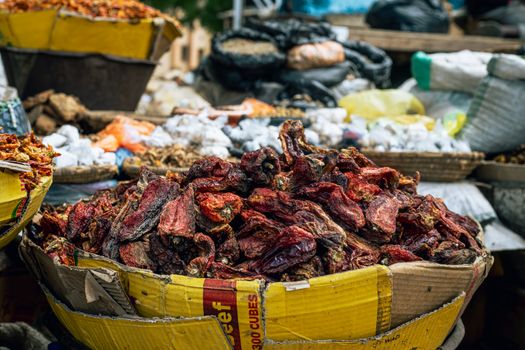
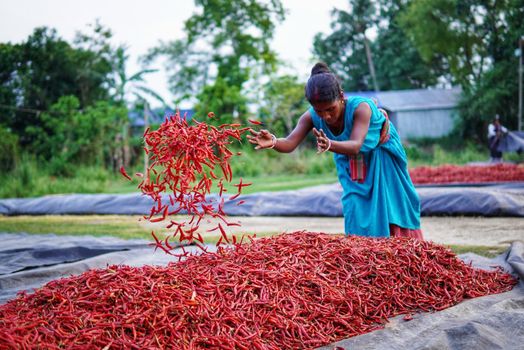
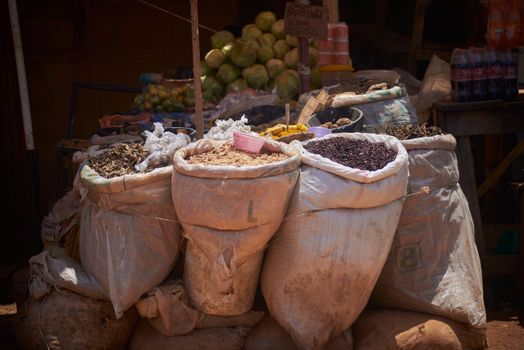
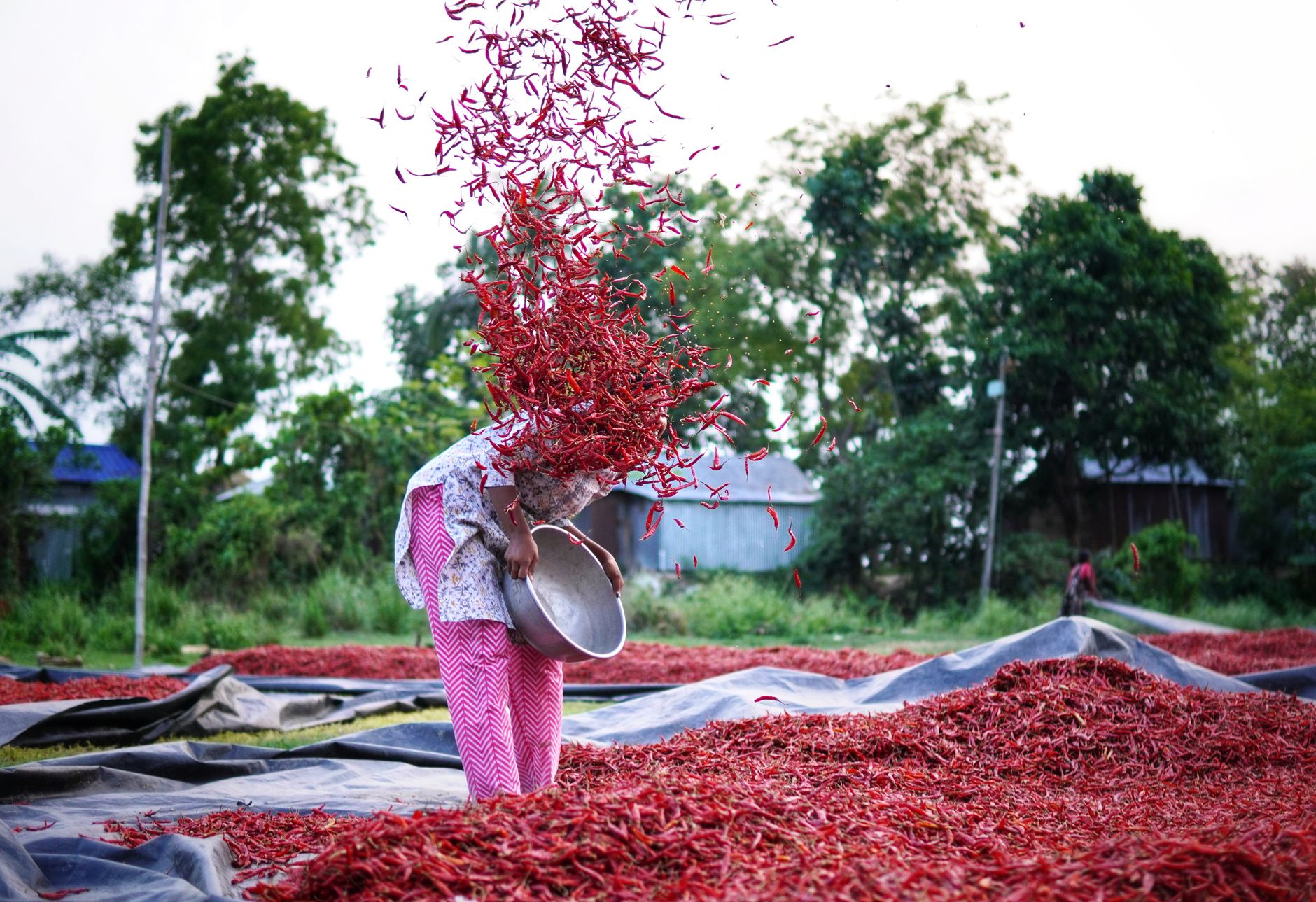
After harvest, spices are processed in ways that preserve flavour and prevent spoilage. Drying is common, and it may take place in the sun, in shaded areas or in mechanical dryers, depending on climate and the product. Some spices are fermented or cured, such as vanilla pods, which undergo a long sequence of heating, sweating and drying. Cinnamon bark is often rolled as it dries. Processing steps such as cleaning, sorting, grading and grinding follow, and visitors may see how these are carried out by hand or with simple equipment.
What visitors can learn
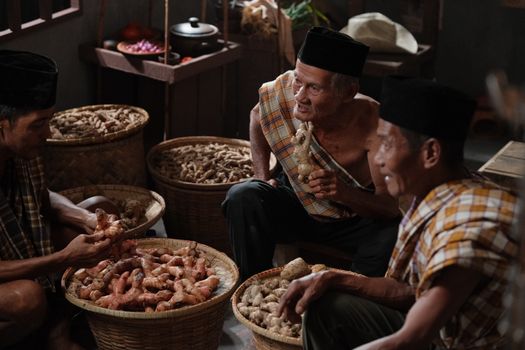
A good plantation visit explains the cultivation cycle, the challenges of farming and the reasons behind each stage of processing. Guides may point out the plant and its parts, explain how it is propagated and discuss the role of shade trees, soil management and water. Visitors often find it useful to smell and taste fresh and dried material side by side, since the difference can be striking. Ask about the local economy, including how farmers are paid, how cooperatives operate and how the region's food traditions have developed around the crop.
Choosing responsible visits
Responsible visits support local livelihoods and respect the land and workers. Look for operators that are transparent about who owns and runs the farm, how workers are treated and how the visit benefits the community. Visits that are organised through local cooperatives or community-based tourism schemes can offer a more direct benefit, though quality varies. Be wary of operators who rush visitors through a staged experience with little explanation. Ask what happens to visitor fees and whether the plantation has policies on working conditions and environmental protection.
Practical considerations
Many plantations are in rural areas with rough roads, so allow time for travel and ask about transport options. Climates in spice regions are often hot and humid, so wear light, breathable clothing and sturdy footwear. Some farms have uneven ground, slopes or insects, and may not have modern toilet facilities, so ask beforehand. Photography is usually permitted, but ask before photographing workers. Bring cash for small purchases if card payments are not available.
Shopping and tasting
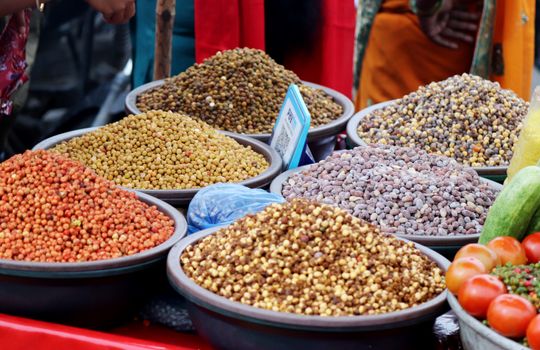
Buying directly from a plantation can support the farm, but it helps to compare prices and quality. Ask how the product was processed, when it was harvested and how it should be stored. Whole spices typically keep their aroma longer than ground ones, so grinding just before use often improves flavour. Check customs rules for bringing food products into your home country, as some plant materials are restricted.
Practical tips
Ask about harvest season and processing methods before booking. Choose visits that explain the work clearly and benefit local people. Wear sun protection and sturdy shoes. Ask before photographing workers. Check import rules before buying food to take home. Allow time for rural travel and simple facilities.
Spice plantations reveal the long chain of work behind everyday flavours. A thoughtful visit can deepen your appreciation of ingredients and the people who grow them, and it can offer a respectful way to learn about regional agriculture. Choosing responsible operators and asking informed questions makes the experience worthwhile for visitors and hosts alike.