The Smuggler’s Garden: Why You Need to Visit a Working Spice Farm
I stepped off the rust-pitted ferry onto the sun-baked cobblestones of Stone Town, Zanzibar, at 5:45 AM. The air wasn't just humid; it felt heavy with the scent of sea salt, damp red dirt, crushed green cardamom pods, and the unmistakable, resinous bite of sun-dried cloves. My local guide, Hassan, bypassed the line of idling tourist vans waiting for the day-trippers. Instead, we climbed into a beat-up Toyota Land Cruiser and drove deep into the central hills toward an unmarked estate near Dole.
"The big tour buses stop at the demonstration farms where they weave you grass hats and sell you sawdust-filled bottles," Hassan told me, handing me a freshly snapped twig of wild lemon-scented cinnamon bark. "Real cooks come out here before the heat bakes the oils out of the leaves."
Most travelers buy their spices pre-ground in clear glass jars under fluorescent supermarket lights. By the time those red plastic caps reach your pantry, the volatile essential oils that give spices their volatile, electrifying flavors have degraded by up to 80 percent. Elite travel advisors know that visiting a true working spice estate isn't just an educational stroll—it is a sensory awakening that forever ruins store-bought seasonings for you.
Here are six secret spice plantations around the world that travel advisors quietly recommend to their most discerning, food-obsessed clients.
---
1. Jichi Farm, Unguja (Zanzibar, Tanzania)
The Secret Ingredient: Fresh Nutmeg Pericarp & Raw Crimson Mace
While 99% of visitors to Zanzibar end up at tourist-oriented demonstration plots along the main roads, Jichi Farm operates quietly as a high-yield production farm supplying specialty botanical buyers across East Africa and Europe.
```
[ HARD SHELL ]
/ \
[ FRUIT ] -- [ MACE ] -- [ NUTMEG SEED ]
(Pericarp Jam) (Fresh Web) (Grated Spice)
```
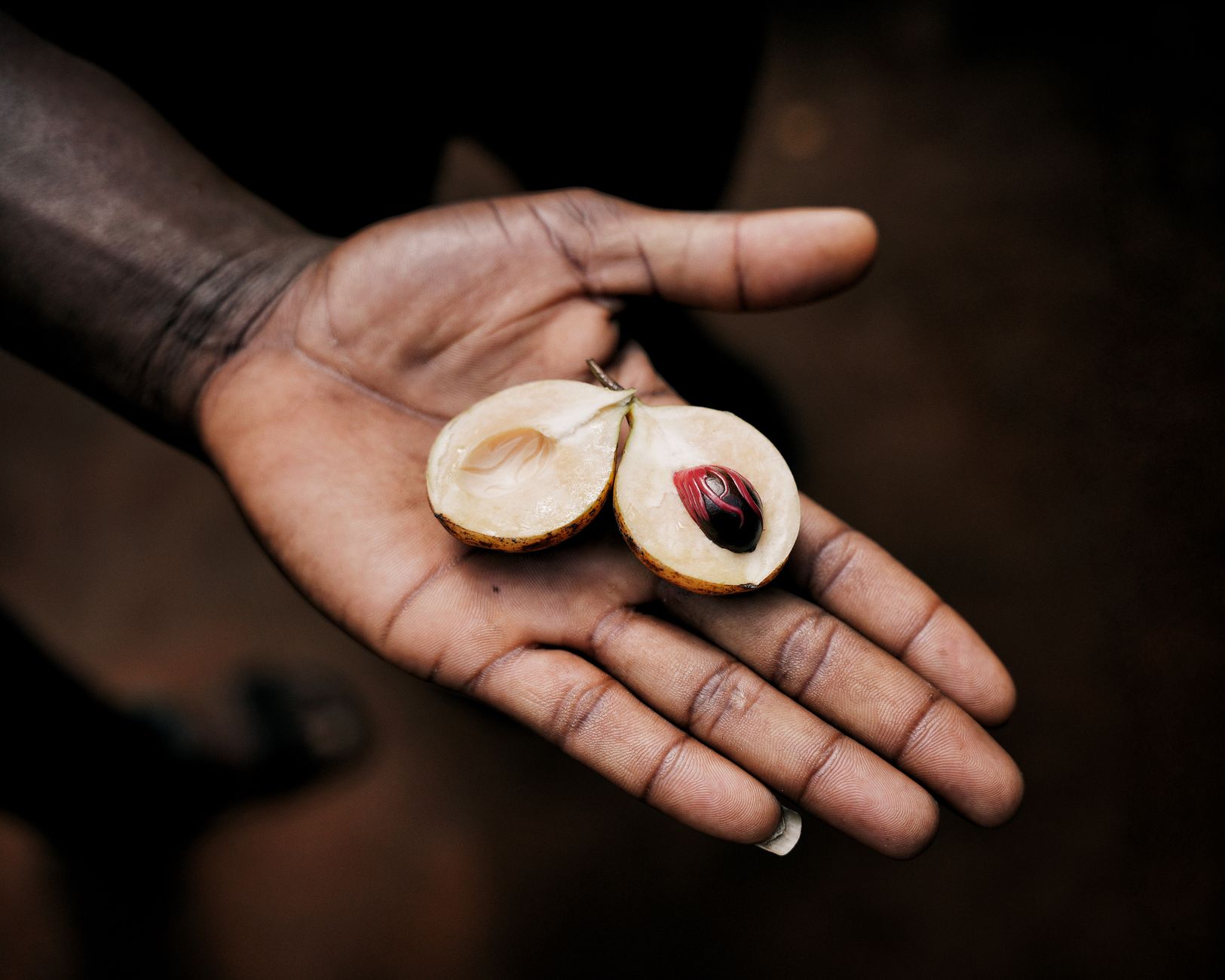
Walking beneath the dense canopy of 40-foot-tall Myristica fragrans (nutmeg) trees feels like stepping into a damp, green cathedral. The secret here isn't the dry nutmeg seed you grate over eggnog. It's the nutmeg pericarp—the pale yellow, peach-like outer fruit that surrounds the crimson, lacy webbing of mace.
Local farmers slice this fruit fresh, salt it to draw out bitterness, and simmer it with raw sugar, lime juice, and smashed star anise to create a sharp, floral jam that never leaves the island.
- Advisor Pro-Tip: Arrive at Jichi Farm precisely at 6:30 AM. Ask for Bwana Khamis near the weathered teak drying racks behind the main sorting shed. Bring 30,000 Tanzanian Shillings ($12 USD) in cash for a private walk, and ask him to harvest a fresh nutmeg fruit right off the branch so you can taste the mucilage raw.
- The Culinary Insider Take: Traditional Zanzibari Pilau Masala relies on an unrefined ratio of whole brown cardamom pods, unsharpened black peppercorns, locally grown cumin seeds, and cracked inner bark from wild cinnamon trees. Never buy pre-mixed pilau powder; buy the whole components fresh from Khamis and grind them yourself using a mortar and pestle.
---
2. Pamban Estate, Wayanad (Kerala, India)
The Secret Ingredient: Unwashed Green Malabar Cardamom & Pink Pepper Drops
The Western Ghats of Kerala are the birthplace of the global spice trade. While most tourists flood the crowded plantations of Munnar, high-end travel advisors send their food-loving clients north to the mist-shrouded elevations of Wayanad.
```
WAYANAD ELEVATION PROFILE & CARDAMOM QUALITY
Elevation (m)
1,200m + | --------------------- [ High Essential Oils / Deep Green ]
1,000m | ----------------- [ Standard Commercial Grade ]
800m | ------------- [ Lowland / Wash Out ]
+--------------------------------------------------
```
Pamban Estate sits at an elevation of 1,100 meters above sea level. This hyper-specific microclimate produces Elettaria cardamomum—the true green cardamom—with an extraordinarily high concentration of cineole and terpiny acetate.
When you crack open a fresh, sun-dried pod from Pamban, the seeds aren't grey and dry; they are sticky, dark black, and glisten with natural aromatic oils.
- Advisor Pro-Tip: Avoid visiting during the monsoon downpours of July. Plan your visit between October and January during the main harvest. Hire a local 4x4 Jeep in the village of Meppadi; standard rental cars will bottom out on the rutted dirt tracks leading to the estate's private processing shed.
- The Culinary Insider Take: Request a taste of raw Schinus terebinthifolius (pink peppercorns) plucked straight from the drooping branches bordering the cardamom plants. The estate workers infuse these fresh, soft berries into warm ghee before tempering lentils, releasing a delicate, resinous, berry-pine aroma that dry peppercorns can never match.
---
3. Belmont Estate, St. Patrick’s (Grenada)
The Secret Ingredient: Fresh Pimento Leaf & Cacao Mucilage
Grenada produces nearly a third of the world’s nutmeg supply, but smart travel advisors direct their clients to Belmont Estate for a completely different culinary secret: fresh pimento (allspice) leaf infusions and raw, unfermented cacao mucilage.
```
[ CACAO POD ]
├── Outer Husk (Compost)
└── Inner Pulp / Mucilage (Lychee-Sweet Flavor)
└── Cacao Bean (Fermented for Chocolate)
```
Belmont is a fully operational, 300-year-old organic plantation that refuses to rely on chemical pesticides or artificial drying kilns. As you walk through the shaded groves, the smell of fermenting cacao beans mixes with the sharp, clove-and-cinnamon aroma of crushed allspice leaves beneath your boots.
- Advisor Pro-Tip: Skip the standard afternoon group tours. Book an early-morning private walking tour through the field manager. Tell them you want to visit the solar drying trays (the "sweatboxes") where workers practice traditional "sweating" of cacao beans and hand-sorting of wild-harvested mace.
- The Culinary Insider Take: The real travel advisor secret here is the use of fresh pimento leaves. Grenadian cooks don't just use the dried berries; they drop fresh, crushed pimento leaves into long-simmered stews like Oil Down (Grenada's national dish made with salted meat, breadfruit, coconut milk, and callaloo). The leaf gives an herbaceous, complex top note that dry allspice powder lacks.
---
4. Cinnamon Hill Estate, Matale (Sri Lanka)
The Secret Ingredient: Alba-Grade Ceylon Cinnamon Cambium
Do not confuse real Ceylon cinnamon (Cinnamomum verum) with the tough, reddish-brown Cassia bark (Cinnamomum cassia) sold in standard grocery stores. Cassia is thick, hard, bitter, and contains high levels of coumarin. True Ceylon cinnamon is soft, golden-brown, layered like a delicate cigar, and possesses a sweet, subtle, citrusy aroma.
```
CASSIA vs. CEYLON CINNAMON: VISUAL IDENTIFICATION
CASSIA (Grocery Store Standard) CEYLON (Matale Alba Grade)
┌─────────────────────────────┐ ┌─────────────────────────────┐
│ - Single thick, hard layer │ │ - Multiple thin, rolled │
│ - Dark reddish-brown │ │ delicate inner layers │
│ - Rough, bark-like texture │ │ - Golden tan / warm yellow │
│ - Sharp, pungent smell │ │ - Fragile, easy to crumble │
└─────────────────────────────┘ └─────────────────────────────┘
```
At Cinnamon Hill Estate in Matale, third-generation peelers use brass knives to pare away the rough outer bark of thin cinnamon shoots, exposing the paper-thin inner bark (the cambium layer). They delicately roll these micro-thin strips inside one another by hand to dry in the shade, creating high-value "Alba" grade quills.
- Advisor Pro-Tip: Take the early morning train from Kandy to Matale, then hire a local three-wheeler (tuk-tuk) driver to take you past the commercial tourist spice gardens along the A9 highway directly to the private estate gates at Cinnamon Hill.
- The Culinary Insider Take: Ask the master peeler to let you chew a small strip of raw, moist cambium straight off the brass knife. It explodes on your palate with a natural, delicate sweetness without the tongue-numbing burn of commercial Cassia.
---
5. Sambava Organic Vanilla & Spice Collective (Madagascar)
The Secret Ingredient: Wild Forest Pepper (Voatsiperifery)
While Madagascar is world-famous for its labor-intensive Bourbon vanilla orchids, high-end travel fixers send culinary travelers into the northeastern SAVA region to hunt down a far rarer prize: Voatsiperifery pepper (Piper borbonense).
```
SPICE PROFILE: Voatsiperifery vs. Standard Black Pepper
Voatsiperifery (Wild Malagasy)
─── Volatile Oils (Woody, Citrus) [████████████████████] 95%
─── Heat / Piperine [██████████] 50%
Standard Black Pepper (Piper nigrum)
─── Volatile Oils (Pungent, Sharp) [████████████] 60%
─── Heat / Piperine [████████████████] 80%
```
Unlike cultivated black pepper vines that grow on low stakes, Voatsiperifery is a wild creeper that grows high in the dense, virgin rainforest canopy, sometimes reaching heights of 60 feet. Local harvesters must scale these towering forest trees by hand to pick the tiny, stalked berries.
- Advisor Pro-Tip: Accessing the Sambava collective requires advance planning. Hire a reputable private driver and translator out of Sambava Airport (SVB). The roads can be rough; opt for a high-clearance 4WD vehicle.
- The Culinary Insider Take: Voatsiperifery pepper has a wildly complex aroma—notes of pine resin, crushed eucalyptus, dried flower petals, and sweet citrus. Local chefs crush it raw over fresh seafood or swirl it into dark chocolate ganache.
---
6. Finca La Amistad, Talamanca (Costa Rica)
The Secret Ingredient: Fresh Wild Allspice & Organic Vanilla Planifolia
Tucked away in the Talamanca region near the Caribbean border, Finca La Amistad is a remote, eco-certified paradise where indigenous Bribri knowledge merges with modern permaculture. While Costa Rica isn't traditionally as famous for spices as Asia or the Caribbean, this micro-region produces exceptional organic vanilla, wild allspice, and shade-grown cacao.
- Advisor Pro-Tip: Visit at 7:00 AM before the lowland heat settles over the jungle. Enter via the unpaved track next to the suspension bridge over the Río Carbón. Wear high-traction rubber boots—the clay paths are perpetually slick with rainforest dew.
- The Culinary Insider Take: The secret ingredient here is their hand-cured Vanilla Planifolia pods. Unlike industrially dried vanilla, these pods are massaged daily by hand during the curing process, creating a moist, flexible bean coated in natural vanillin crystals.
---
Travel Advisor's Playbook: How to Spot Authentic Spices vs. Tourist Traps
When visiting spice estates anywhere in the world, use this simple testing checklist to ensure you are buying top-tier, unadulterated spices:
```
┌──────────────────────────────────────────────────────────────┐
│ SPICE QUALITY TEST MATRIX │
├──────────────┬────────────────────────┬──────────────────────┤
│ SPICE │ REAL QUALITY INDICATOR │ RED FLAG / ADULTERATED│
├──────────────┼────────────────────────┼──────────────────────┤
│ Cardamom │ Sticky, black seeds; │ Bleached bright-green│
│ │ pale green outer husk │ husks; dry grey seeds│
├──────────────┼────────────────────────┼──────────────────────┤
│ Cinnamon │ Soft, multi-layered │ Single thick layer; │
│ │ quills; light tan │ dark red-brown │
├──────────────┼────────────────────────┼──────────────────────┤
│ Saffron │ Deep red threads; │ Yellow fibers mixed │
│ │ colors water yellow │ in; turns water red │
├──────────────┼────────────────────────┼──────────────────────┤
│ Peppercorns │ Heavy, oil-rich; │ Light, hollow berries│
│ │ sinks in water │ floating on surface │
└──────────────┴────────────────────────┴──────────────────────┘
```
- The Water Test for Peppercorns: High-density, high-oil peppercorns sink immediately when dropped into a glass of fresh water. Light, hollow, or ancient inventory will float on the surface.
- The Color Trap for Cardamom: If green cardamom pods look brightly artificial like neon limes, they have likely been washed in chemical dyes or sulfur dioxide to appeal to undiscerning tourists. High-quality sun-dried cardamom should have a soft, pale olive-green hue.
- The Saffron Water Color Test: Pure saffron threads will slowly turn warm water a clear, brilliant golden-yellow over 15 minutes. If the water turns deep red instantly, you have purchased corn silk dyed with synthetic food coloring.
---
Spice Expedition Logistics & Budget Breakdown
| Destination / Farm | Best Time to Visit | Estimated Cost (Private Tour) | How to Get There | Secret Ingredient Focus |
| :--- | :--- | :--- | :--- | :--- |
| Jichi Farm (Zanzibar) | Oct – Feb / Jun – Oct | $30 – $50 USD | 45-min taxi drive from Stone Town via Dole Road | Fresh Nutmeg Fruit Jam & Mace |
| Pamban Estate (Kerala) | Oct – Jan | $40 – $70 USD | 4WD auto-rickshaw hire from Meppadi town | Raw Green Cardamom & Pink Pepper |
| Belmont Estate (Grenada) | Jan – May | $20 – $40 USD | 1-hour drive north from St. George’s via Grand Etang Road | Pimento Leaf & Fresh Cacao Mucilage |
| Cinnamon Hill (Sri Lanka)| Dec – Apr | $25 – $45 USD | Morning train to Matale, then tuk-tuk to estate | Alba-Grade True Ceylon Cinnamon |
| Sambava Collective (Madagascar) | Aug – Nov | $80 – $150 USD | Internal flight to SVB, then hired 4WD with driver | Wild Canopy Voatsiperifery Pepper |
| Finca La Amistad (Costa Rica) | Dec – Apr | $35 – $60 USD | 4WD rental drive from Puerto Viejo de Talamanca | Hand-Cured Vanilla & Wild Allspice |
---
Practical Packing List for Spice Plantation Explorations
When trekking through tropical spice groves, standard resort clothing won't cut it. Pack these essentials:
- Airtight Glass or Silicon Storage Pouches: Never pack fresh spices in thin plastic bags inside your luggage. The volatile oils will leach into your clothes, leaving your entire wardrobe smelling like cloves and cardamom for weeks.
- A Compact Brass Pocket Mortar & Pestle: Essential for testing raw harvested spices right in the field.
- High-Traction Trail Shoes or Rubber Boots: Spice estates feature damp, clay-rich soil, exposed tree roots, and steep terrain. Leave your crisp white sneakers back at the hotel.
- Unscented Insect Repellent: Strong artificial perfumes or bug sprays on your hands will taint the delicate aromas of fresh herbs and leaves when you rub them between your palms.
---
Final Thoughts: The True Value of Farm-Sourced Ingredients
Visiting a secret spice plantation isn't just about coming home with a suitcase packed with rare culinary souvenirs. It is about understanding the immense human labor, ecological balance, and generational skill required to produce the flavors we so easily take for granted.
When you sit on a shaded veranda in Wayanad or Matale, sipping tea infused with a cinnamon twig that was peeled by hand just minutes before, you realize that true luxury isn't found in a five-star hotel dining room. It is found right in the damp, rich dirt where these extraordinary plants are born.
---