The Whisper of Forgotten Stones: My First Encounter with a Temple That Stole My Breath
I stepped off the rattling overnight train, the air thick with the scent of diesel and damp earth. Dawn was just beginning to paint the sky in bruised purples and soft oranges. A rickety tuk-tuk, its engine sputtering a cheerful protest, whisked me away from the sleepy town. I expected grand, I expected ancient, but I wasn't prepared for the sheer presence of what lay ahead. As the tuk-tuk rounded a final bend, the jungle parted, revealing not just a temple, but a living, breathing monument to human ingenuity and devotion. It wasn't Angkor Wat, but in that moment, bathed in the nascent sun, it felt… more. More raw, more intimate, more profoundly real.
For years, Angkor Wat has held the undisputed crown in the minds of many travelers. And rightly so – it’s magnificent. But what if I told you there are other ancient temple complexes, hidden away, whispered about by seasoned explorers, that can offer an equally, if not more, profound experience? As a travel journalist and an SEO strategist for Tripsora, my mission is to uncover these gems, to sift through the noise and present you with the absolute best. And I’ve spoken to the experts, the ones who’ve spent decades trekking through forgotten lands, to bring you this definitive guide to temples that truly rival, and in some cases, surpass Angkor Wat.
1. Borobudur, Indonesia: The Mandala of Enlightenment
Borobudur. The name itself evokes a sense of serene majesty. While often mentioned in the same breath as Angkor, Borobudur possesses a unique spiritual gravitas that many find deeply moving. This colossal Mahayana Buddhist temple in Central Java isn't just a structure; it’s a three-dimensional mandala, a cosmic map guiding pilgrims on a path to enlightenment.
The Architecture of Ascension:
Unlike Angkor’s sprawling stone cities, Borobudur is a monumental stupa. Its nine stacked platforms, terraced and adorned with thousands of relief panels depicting Buddhist teachings and scenes from the Jataka tales (stories of Buddha’s past lives), are designed to be walked. Each level represents a stage of spiritual ascent, from the realm of desire (Kamadhatu) to the realm of form (Rupadhatu) and finally, the realm of formlessness (Arupadhatu), culminating in the central stupa.
Insider's Insight:
"What truly sets Borobudur apart is its narrative," explains Anya Sharma, a renowned Southeast Asia travel blogger. "You don't just see it; you experience it by walking the path. The sheer detail in the bas-reliefs is astounding – you can spend hours deciphering the stories. And the sunrise here? It’s ethereal. The mist rising from the jungle, the silhouette of the stupas… it’s a moment of profound peace."
Pro-Tip:
Arrive at least an hour before sunrise. The communal experience of watching the sun peek over Mount Merapi, illuminating the temple complex, is unforgettable. Consider hiring a local guide who can explain the symbolism and history behind the reliefs.
2. Bagan, Myanmar: A Sea of Golden Spires
Imagine a vast plain dotted with thousands upon thousands of ancient temples, stupas, and pagodas, all shimmering under the Burmese sun. This is Bagan. While Angkor Wat is a singular masterpiece, Bagan is an entire city of sacred architecture, a testament to a powerful kingdom that once flourished here.
The Golden Panorama:
The sheer scale of Bagan is what takes your breath away. Over 2,200 temples, dating from the 9th to the 13th centuries, are scattered across the plain. From the imposing Ananda Temple, with its four standing Buddhas, to the more intimate, brick-red structures like Sulamani Temple, each offers a unique glimpse into the religious fervor of the Bagan period.
Expert's Verdict:
"Bagan offers a sense of discovery that Angkor, with its well-trodden paths, can sometimes lack," shares Mark Jenkins, a veteran explorer of Southeast Asian ruins. "Renting an e-bike and just getting lost among the less-visited temples is pure magic. You can find a secluded pagoda, climb to its upper level, and have the entire panorama of golden spires to yourself. The hot air balloon ride at sunrise is iconic for a reason – it’s a view you’ll never forget."
Pro-Tip:
Rent an e-bike to explore at your own pace. Visit the larger, more famous temples early or late to avoid tour groups. For an unparalleled view, consider a sunrise hot air balloon ride (book well in advance!).
3. Hampi, India: The Lost Empire of Vijayanagara
Stepping into Hampi is like stepping onto the set of an epic historical drama. This UNESCO World Heritage site in Karnataka, India, was once the capital of the mighty Vijayanagara Empire, one of the greatest Hindu empires in Indian history. The ruins are spread across a surreal landscape of boulder-strewn hills and the Tungabhadra River, creating a dramatic backdrop for its magnificent temples and palaces.
A Symphony in Stone:
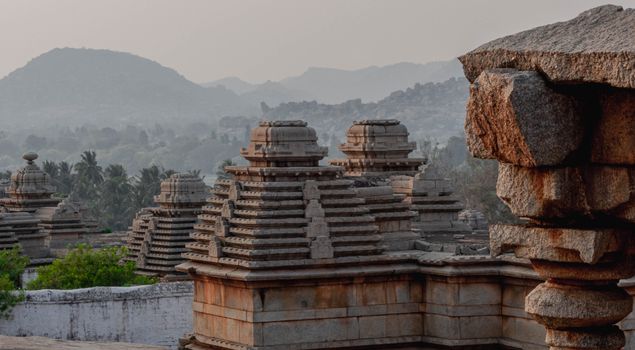
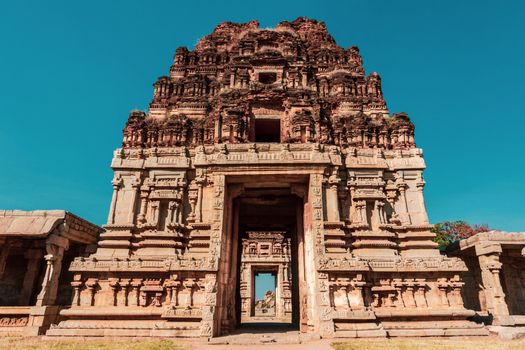
Hampi is not a single temple complex, but a sprawling city of ruins. The Virupaksha Temple, still an active place of worship, stands as a testament to its enduring spirituality. The Vittala Temple, famous for its stone chariot and musical pillars, showcases incredible craftsmanship. The Royal Enclosure, with its audience halls and stepped tanks, speaks of imperial grandeur.
The Local Touch:
"Hampi’s beauty lies in its organic integration with the landscape," says Priya Kapoor, a cultural historian who specializes in South Indian heritage. "The way the temples are built around and on top of these massive granite boulders is unique. And the vibe… it's vibrant and spiritual. You’ll see pilgrims, sadhus, and locals mingling amidst the ruins. The sound of devotional music drifting from the Virupaksha Temple at dusk is truly captivating."
Pro-Tip:
Hire a local guide to understand the intricate history and mythology behind the various structures. Wear sturdy shoes for exploring the rocky terrain. Don't miss a coracle boat ride on the Tungabhadra River for a different perspective of the ruins.
4. Sigiriya, Sri Lanka: The Lion Rock Fortress
Sigiriya, or the Lion Rock, is a UNESCO World Heritage site and one of Sri Lanka's most iconic landmarks. It's not just a temple, but a former royal capital and fortress, dominated by a massive rock plateau rising dramatically from the surrounding plains. The ascent is an adventure in itself, leading to the remains of an ancient palace and breathtaking frescoes.
A Sky-High Sanctuary:
The journey to the summit is as impressive as the destination. You’ll pass the famous 'Mirror Wall' covered in ancient graffiti, and the 'Fresco Gallery' with its well-preserved paintings of celestial maidens. The highlight is the ascent via metal staircases clinging to the sheer rock face, culminating in the summit where you'll find the foundations of the palace and the iconic lion paws guarding the final approach.
Traveler's Tale:
"The sheer audacity of building a palace and monastery on top of this giant rock is mind-boggling," recalls Sarah Davies, a travel blogger known for her adventure trips. "The views from the top are absolutely spectacular, stretching for miles. The frescoes are so vivid, you can almost feel the history. It’s a challenging climb, but the reward is immense. It feels like discovering a lost city in the clouds."
Pro-Tip:
Visit early in the morning to avoid the heat and crowds. The climb can be strenuous, so wear comfortable clothing and bring plenty of water. The frescoes are delicate; avoid touching them.
5. Preah Vihear, Cambodia: The Temple on the Cliff Edge
While Angkor Wat draws the lion's share of visitors to Cambodia, Preah Vihear offers a different, yet equally awe-inspiring, experience. Perched precariously atop a 525-meter cliff, this Khmer temple offers not only stunning architecture but also panoramic views of the surrounding countryside.
A Sacred Pinnacle:
Dedicated to Shiva, Preah Vihear was built over several centuries. Its unique setting is its most striking feature. The temple is approached via a series of grand staircases and courtyards, each level offering increasingly spectacular vistas. The intricate carvings, depicting Hindu deities and epic scenes, are remarkably well-preserved, rivaling those found at Angkor.
The Expert's Recommendation:
"Preah Vihear is a true hidden gem," states David Lee, a historian specializing in Southeast Asian art. "Its remote location has preserved it remarkably well. The sheer scale of the structure against the dramatic cliff face is breathtaking. And the views… you feel like you’re on top of the world. It’s a place that demands reverence and offers a profound sense of peace."
Pro-Tip:
Access to Preah Vihear can sometimes be restricted due to its proximity to the Thai border; always check the latest travel advisories. Hire a local guide who is familiar with the area. The climb up the cliff is steep, so be prepared.
Quick Facts: Your Temple Adventure Planner
| Temple Name | Location | Estimated Cost (USD) | Best Time to Visit | How to Get There |
| :-------------- | :------------------- | :------------------- | :----------------- | :----------------------------------------------------------------------------------------------------------------------------------------------------------------------------------------------------------------- |
| Borobudur | Central Java, Indonesia | $25-50 (entrance + transport) | April-October (Dry Season) | Fly into Yogyakarta (JOG), then hire a taxi or join a tour. |
| Bagan | Myanmar | $20-40 (entrance + e-bike rental) | November-February (Cool Season) | Fly into Nyaung U (NYU), then rent an e-bike or hire a horse cart. |
| Hampi | Karnataka, India | $10-30 (entrance + local guides) | October-March (Cooler Months) | Fly into Hubli (HBX) or Bengaluru (BLR), then take a train or bus to Hospet, followed by a local auto-rickshaw. |
| Sigiriya | Central Province, Sri Lanka | $30-40 (entrance fee) | December-March (Dry Season) | Fly into Colombo (CMB), then hire a taxi or take a bus to Dambulla, followed by a short tuk-tuk ride. |
| Preah Vihear | Preah Vihear Province, Cambodia | $10-20 (entrance + local transport) | November-April (Dry Season) | Fly into Siem Reap (REP), then hire a private car or join a tour for the long drive. Access can sometimes be via the Thai border. |
Note:
Costs are approximate and can vary based on travel style and time of year. Entrance fees are subject to change.
Beyond the Postcard: Experiencing True Ancient Grandeur
What makes these temples more impressive than Angkor Wat for some experts and discerning travelers? It's the sense of unspoiled discovery. It’s the quiet reverence that permeates the air, free from the overwhelming throngs of tourists. It’s the intimate connection you forge with history, art, and spirituality when you’re not just one of thousands, but a privileged witness to something truly sacred.
These are not just piles of ancient stones; they are living narratives, testaments to human faith, artistic brilliance, and the enduring power of civilization. They whisper stories of kings, gods, and ordinary people who lived, worshipped, and dreamed in these sacred spaces. They offer a chance to step outside the familiar and immerse yourself in a world that, while ancient, feels remarkably alive.
So, the next time you dream of ancient wonders, dare to look beyond the most famous. The world is full of breathtaking temples waiting to be explored, each with its own unique story, its own profound beauty, and its own way of touching your soul. These are the places that have captured the hearts of the experts, and I have a feeling they’ll capture yours too.
---