The Hook: 11:30 PM in Mérida
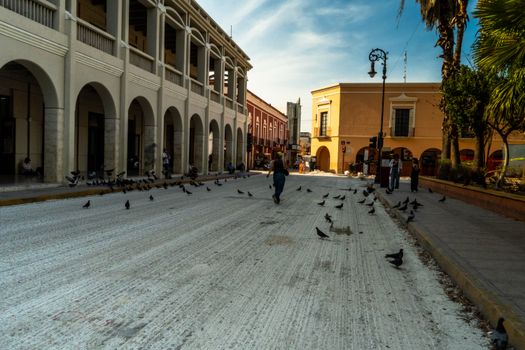
I stepped off the curb onto the polished limestone of Calle 60, the warm, humid air of the Yucatán wrapping around me like a familiar wool blanket. It was 11:30 PM on a Thursday. In my hand was a half-eaten marquesita—a crispy, rolled crepe oozing with melted Edam cheese and sweet cajeta. Around me, families sat on iron benches in the Plaza Grande, toddlers chased pigeons, and elderly couples swayed to a live trova band playing under the arches of the municipal palace.
My phone was in my back pocket, completely forgotten.
As a travel journalist who has spent fifteen years navigating global capitals, I realized something striking in that moment: I felt infinitely safer walking through this Mexican city at midnight than I did walking through downtown San Francisco, Philadelphia, or Atlanta at the exact same hour.
The statistics back up my gut feeling. While sensationalist headlines often paint everything south of the Rio Grande with a broad, dangerous brush, the reality is highly nuanced. There are several Latin American cities safer than American worth considering for your next vacation, remote work stint, or retirement plan.
Let’s look past the fear-mongering and dive into the data, the neighborhoods, and the lived realities of these five secure, stunning destinations.
---
The Data: Debunking the North American Safety Monolith
To understand why these cities are worth your attention, we have to look at the numbers. We often accept safety issues in US cities as "normal urban grit," yet we hold Latin American cities to an impossible standard of absolute perfection.
According to the Numbeo Safety Index and the Citizen’s Council for Public Security and Criminal Justice, cities like St. Louis, Baltimore, and Detroit consistently report homicide rates between 40 and 65 per 100,000 residents.
In contrast, the cities on this list boast rates that rival—and often beat—peaceful mid-sized American cities like Boise, Idaho, or Portland, Maine. By understanding the local geography and practicing basic urban awareness, these destinations offer a high-quality, low-stress travel experience.
---
5 Secure Latin American Cities Outperforming the US
```
SAFETY INDEX COMPARISON
(Higher score = Safer | Source: Numbeo Safety Index 2024)
Mérida, Mexico ||||||||||||||||||||||||||||||||||||||||||||||| 74.2
Montevideo, Uruguay ||||||||||||||||||||||||||||||||| 54.8
Cuenca, Ecuador |||||||||||||||||||||||||||||||||||||||| 66.4
Curitiba, Brazil ||||||||||||||||||||||||||||| 48.9 (Safer than Chicago)
Santiago, Chile* ||||||||||||||||||||||||||||||||| 55.1 (*Providencia District)
-------------------------------------------------------------------------
Chicago, USA ||||||||||||||||||||||||| 41.2
Philadelphia, USA |||||||||||||||||||||||| 39.5
```
---
1. Mérida, Mexico: The Peaceful Yucatecan Jewel
Mérida consistently ranks as the safest city in Mexico and the second safest in the entire North American continent, trailing only Quebec City. With a safety index score that puts major US cities to shame, this colonial capital offers peace of mind alongside deep historical immersion.
The Atmosphere & Architecture
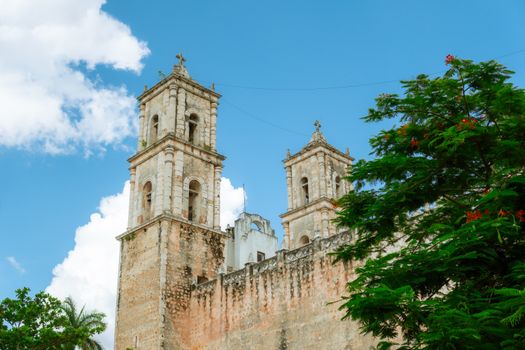
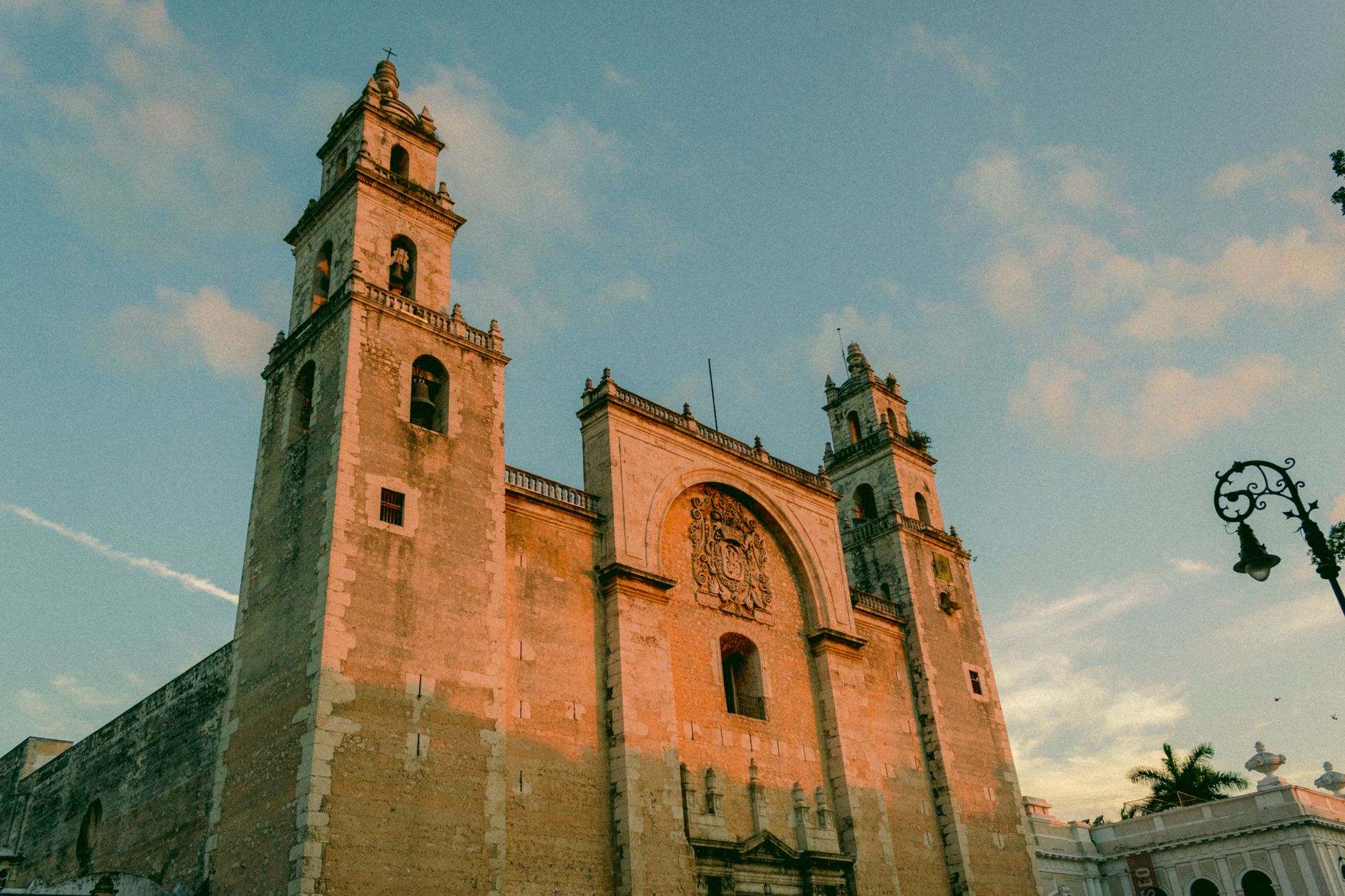
Mérida does not feel like a tourist resort. It is a living, breathing Yucatecan city where Mayan heritage blends with French neoclassical architecture—a legacy of the late 19th-century henequen boom. As you walk down the grand Paseo de Montejo, you will see pastel-hued mansions inspired by the Champs-Élysées, their ornate stone carvings glowing pink in the late afternoon sun.
The Culinary Landscape
Forget generic tacos. Yucatecan cuisine is defined by bitter oranges, achiote paste, and slow-roasted meats. Indulge in cochinita pibil—pork marinated in sour citrus, wrapped in banana leaves, and buried in an underground pit (pib) to cook for hours until it falls apart at the touch of a fork.
*