The Statistical Reality Shift: Why Media Perception Is Dead Wrong
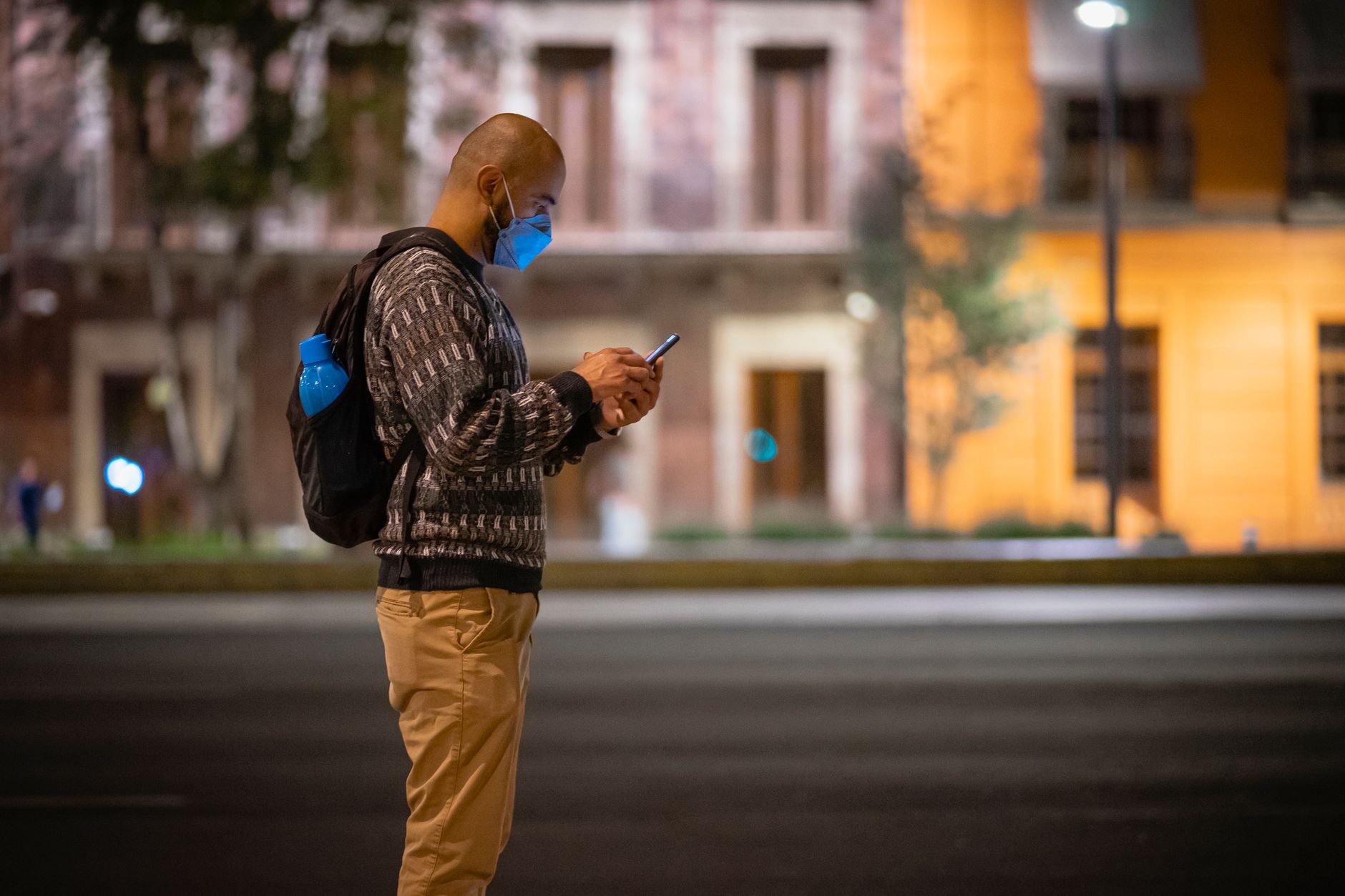
I stepped off the local bus into the humid midnight air of Mérida’s Centro Histórico, my camera hanging loosely over my shoulder, holding an open coconut in one hand and a phone showing a half-drawn map in the other. Five years ago, my instinct—honed by late nights navigating emerging US downtowns like St. Louis or Baltimore—would have triggered an immediate adrenaline response: lock eyes forward, pocket the phone, find a well-lit Uber spot immediately.
Instead, I listened to the clear sound of an acoustic guitar drifting from a outdoor plaza, where elderly couples danced salsa under streetlights and toddlers kicked soccer balls along wide limestone sidewalks. Nobody was watching their backs. Nobody was tense.
The media narrative surrounding international urban safety is profoundly out of date. When you analyze hard crime metrics—specifically homicides per 100,000 residents, street assaults, and property crimes tracked by sources like the United Nations Office on Drugs and Crime (UNODC), Numbeo Safety Indexes, and the FBI’s Uniform Crime Reporting program—a striking trend emerges: several key Latin American cities offer significantly safer day-to-day environments than rapidly growing, emerging US urban centers.
While American cities navigate rising housing costs alongside persistent property and violent crime surges, these forward-thinking Latin American destinations offer pristine public safety, sophisticated infrastructure, rich local culture, and exceptional value.
Here are five Latin American cities that are empirically safer than many emerging American cities this year—and precisely how to experience them like an insider.
---
1. Mérida, Mexico: The Colonial Powerhouse Safer Than Austin and San Diego
```
Safety Index Comparison:
Mérida: 78.2 | Austin, TX: 60.1 | San Diego, CA: 61.4 | Baltimore, MD: 24.8
```
Mérida, the capital of Yucatán State, regularly ranks as the second safest city in the entire Western Hemisphere, trailing only Quebec City. It consistently outperforms booming American tech hubs like Austin and Denver in violent crime prevention and personal safety perceptions.
How does Mérida achieve this? Yucatán operates an independent, highly trained state police force (Policía Estatal) that utilizes state-of-the-art license plate recognition grids, extensive neighborhood watch initiatives, and deep community integration.
Architectural & Sensory Vibe
Mérida feels like a living museum of French-influenced Spanish colonial design. Walking down the tree-lined Paseo de Montejo, you are surrounded by 19th-century heniquen mansions crafted from white limestone. The air smells rich with bitter orange, roasted achiote, and smoldering oak wood from nearby cochinita pibil pits.
Local Neighborhood Breakdown
* Centro Histórico: Vibrant, walkable, packed with historic plazas like Parque de Santa Lucía.
* Colonia México & Campestre: Modern, quiet, leafy residential quarters favored by remote workers and families.
Pro-Tips & Logistics
* Safety Pro-Tip: You can comfortably walk through Centro Histórico past midnight alone. If you need assistance, look for the tourist police (Policía Turística), who speak fluent English and park around Parque Principal.
* Insider Food Spot: Skip the tourist-packed restaurants on Montejo. Walk to Wayane’s on Calle 37 at 8:00 AM for authentic castacán (crispy pork belly) tacos topped with pickled red onions.
* Best Time to Visit: November to February, when temperatures average a pleasant 78°F (25°C) instead of the brutal 100°F+ summer heat.
---
2. Cuenca, Ecuador: The Alpine-Style Andean Fortress
```
Safety Index Comparison:
Cuenca: 72.4 | Nashville, TN: 43.2 | Chicago, IL: 44.1 | Oakland, CA: 31.5
```
Perched high in the southern Andes at 8,200 feet, Cuenca is Ecuador’s cultural capital and an oasis of calm. While news headlines focus on port-city coastal instability in parts of Ecuador, Cuenca remains isolated by mountain geography and protected by strong local community governance. Its crime statistics remain dramatically lower than mid-sized American growth centers like Nashville, Charlotte, and Jacksonville.
Architectural & Sensory Vibe
Cuenca looks like a European mountain village dropped into South America. French neoclassicism meets Spanish colonial stonework along the banks of four rushing glacial rivers. The scent of fresh cinnamon canelazo cocktails and eucalyptus woodsmoke drifts over marble cobblestone streets.
Local Neighborhood Breakdown
* El Centro (Historic District): A UNESCO World Heritage site filled with grand churches, flower markets, and artisanal coffee shops.
* San Joaquin: A peaceful suburban district west of downtown, surrounded by green mountains and organic farms.
Pro-Tips & Logistics
* Safety Pro-Tip: The primary safety concern in Cuenca isn't violent crime; it's slipping on damp marble cobblestones along the Tomebamba River after an afternoon rain shower. Wear rubber-soled footwear.
* Hidden Entrance: Find the un-marked wooden door next to the New Cathedral on Calle Mariscal Sucre; it leads to an open-air rooftop café overlooking the iconic blue-tiled domes.
* Transportation: The modern Tranvía light rail cuts straight across the city for $0.35 per ride using a rechargeable card available at any station kiosk.
---
3. Montevideo, Uruguay: The Coastal Haven Outranking Miami and Atlanta
```
Safety Index Comparison:
Montevideo: 62.8 | Miami, FL: 47.3 | Atlanta, GA: 37.2 | Philadelphia, PA: 36.1
```
Uruguay consistently ranks as South America's most stable democracy, boasting low corruption, strong social safety nets, and reliable infrastructure. Montevideo, its coastal capital, offers a relaxed, European-influenced lifestyle along the Atlantic coastline. It routinely ranks as significantly safer than major US East Coast hubs.
Architectural & Sensory Vibe
Montevideo fuses Art Deco high-rises with 19th-century neoclassical plazas and sweeping coastal vistas. The defining local soundtrack is the rhythmic beat of candombe drums echoing through street corners on weekend afternoons, accompanied by the aroma of hardwood smoke cooking fresh cuts on giant open-fire parrillas (grills).
Local Neighborhood Breakdown
* Pocitos & Punta Carretas: Upscale coastal districts lined with sandy beaches, modern residential buildings, and quiet, leafy avenues.
* Barrio Sur & Palermo: Bohemian art quarters famous for historic architecture, street art, and traditional drum rehearsals.
Pro-Tips & Logistics
* Safety Pro-Tip: Joining locals for sunset along La Rambla (the 13-mile coastal promenade) is a national tradition. It is secure, well-lit, and constantly patrolled.
* Culinary Secret: Skip the main tourist stalls at Mercado del Puerto. Head three blocks inland to Taller de Parrochia on Calle Piedras for slow-braised short ribs cooked over eucalyptus embers.
* Getting Around: Use the Cabify app rather than hailing street taxis at night for upfront pricing and live GPS tracking.
---
4. Florianópolis, Brazil: The Island Haven Safer Than Orlando
```
Safety Index Comparison:
Florianópolis: 68.5 | Orlando, FL: 48.9 | Houston, TX: 43.8 | New Orleans, LA: 27.6
```
Brazil often carries an undeserved blanket reputation for urban safety challenges, but Santa Catarina state operates under entirely different conditions. Florianópolis (known locally as "Floripa") is a 34-mile-long island featuring 42 distinct beaches, tech incubators, and the lowest violent crime rate of any major Brazilian city. It comfortably outperforms tourist hubs like Orlando or New Orleans in safety indexes.
Architectural & Sensory Vibe
Floripa blends Portuguese Azorean fishing villages with modern eco-villas and pristine Atlantic rainforest. Air tastes salt-crisp, carrying aromas of grilled octopus, fresh lime juice, and fried manioc root from casual beachside quiostes.
Local Neighborhood Breakdown
* Lagoa da Conceição: The bohemian heart of the island centered around a saltwater lagoon, ideal for dining, nightlife, and paddleboarding.
* Santo Antônio de Lisboa: Historic colonial fishing village with quiet waters, pastel cottages, and farm-fresh oyster bars.
Pro-Tips & Logistics
* Safety Pro-Tip: Keep your valuables tucked away while on the crowded public beaches of North Island (like Canasvieiras), but rest easy knowing violent crime on the island is extremely rare.
* Secret Trail: Walk to the southern tip of Praia Mole at 7:00 AM to access the hidden footpath leading across boulder fields to Praia da Galheta, a protected, undeveloped nature reserve.
* Best Time to Visit: March to May offers clear blue skies, warm water temperatures, and minimal traffic compared to the peak summer crowds in January.
---
5. Santa Ana & Atenas, Costa Rica: The Eco-Sanctuaries Surpassing Phoenix
```
Safety Index Comparison:
Santa Ana/Atenas Region: 74.1 | Phoenix, AZ: 48.7 | Dallas, TX: 44.9 | Memphis, TN: 23.1
```
While San José's urban core can require typical big-city awareness, the immediate surrounding valleys—specifically Santa Ana and Atenas—offer incredible safety profiles, modern private hospitals, high-speed fiber-optic internet, and an unbeatable climate. This region consistently scores far higher on quality-of-life and safety metrics than rapidly expanding US sunbelt cities.
Architectural & Sensory Vibe
Modern, low-rise architectural villas blend into lush green coffee plantations and dramatic mountain ridges. The sensory environment is dominated by morning bird calls, mountain breezes, and the smell of freshly roasted, single-origin Arabica coffee beans.
Local Neighborhood Breakdown
* Downtown Santa Ana: A blend of traditional Costa Rican plaza life and high-end international dining choices.
* Atenas: Perched higher in the hills, world-renowned for having what NASA once called "the best climate on Earth," with year-round temperatures averaging 75°F (24°C).
Pro-Tips & Logistics
* Safety Pro-Tip: Traffic congestion along Route 27 is a bigger hassle than street crime. Plan highway transit between 10:00 AM and 2:00 PM to avoid commuter backups.
* Local Experience: Visit the Saturday morning Feria (Farmer's Market) in Atenas at 6:30 AM. Buy fresh sour passion fruit (maracuyá) and artisanal Queso Turrialba directly from local farmers.
---
Logistics, Budgets, and Strategic Comparison
To help you plan your next secure escape, here is a breakdown of costs, transit options, and seasonal timing for these safer alternatives:
| City | Safety Score (Numbeo) | Avg. Monthly Budget (USD) | Best Time to Visit | Primary Transit Option |
| :--- | :--- | :--- | :--- | :--- |
| Mérida, Mexico | 78.2 | $1,600 - $2,400 | Nov – Feb | Walkable / Uber |
| Cuenca, Ecuador | 72.4 | $1,200 - $1,800 | Jun – Sep | Tranvía Light Rail / Taxis |
| Montevideo, Uruguay | 62.8 | $2,200 - $3,200 | Dec – Mar | Bus system / Cabify |
| Florianópolis, Brazil | 68.5 | $1,500 - $2,300 | Mar – May | Uber / Rental Car |
| Santa Ana, Costa Rica| 74.1 | $2,000 - $2,900 | Dec – Apr | Rental Car / Uber |
---
The Insider’s Tactical Safety Playbook for Latin America
Even in cities statistically safer than American counterparts, smart travel habits ensure a hassle-free experience. Keep these battle-tested travel principles in mind:
1. Master "No Dar Papaya"
This famous Colombian expression literally translates to "don't give papaya"—meaning, don't make yourself an easy target. Avoid flashing expensive jewelry, walking with your phone held loosely at arm's length on busy street corners, or leaving bags unattended on the back of patio chairs.
2. Ditch Street Taxis for Rideshare Apps
In every city mentioned above, digital app rides (Uber, Cabify, or Didi) offer built-in GPS tracking, pre-set fares, cashless payments, and driver verification. Avoid flagging unmarked street taxis late at night.
3. Get a Local eSIM Upon Arrival
Never rely solely on spotty public Wi-Fi for navigation. Use services like Airalo or Holafly to install a local eSIM before landing. Having active cell data ensures seamless access to maps, translation tools, and rideshare services anywhere in the city.
4. Carry Dual Currencies & Backup Cards
Keep your primary debit card and physical passport locked in your hotel room safe. Carry a digital scan of your passport on your phone, one credit card for daily purchases, and a modest amount of local cash ($30–$50 USD equivalent) tucked into a front pocket for small local vendors.
---
Final Thoughts: Changing the Travel Map
Statistically and culturally, international travel safety has evolved. Choosing to explore cities like Mérida, Cuenca, or Montevideo isn't a compromise on personal safety—it’s an upgrade. By stepping beyond outdated headlines and looking at actual security data, you open the door to lower stress, better budget value, and incredibly rich cultural experiences.
Ready to start planning?
Bookmark this guide, check current flight routes on Tripsora, and take your next adventure with complete confidence.
---