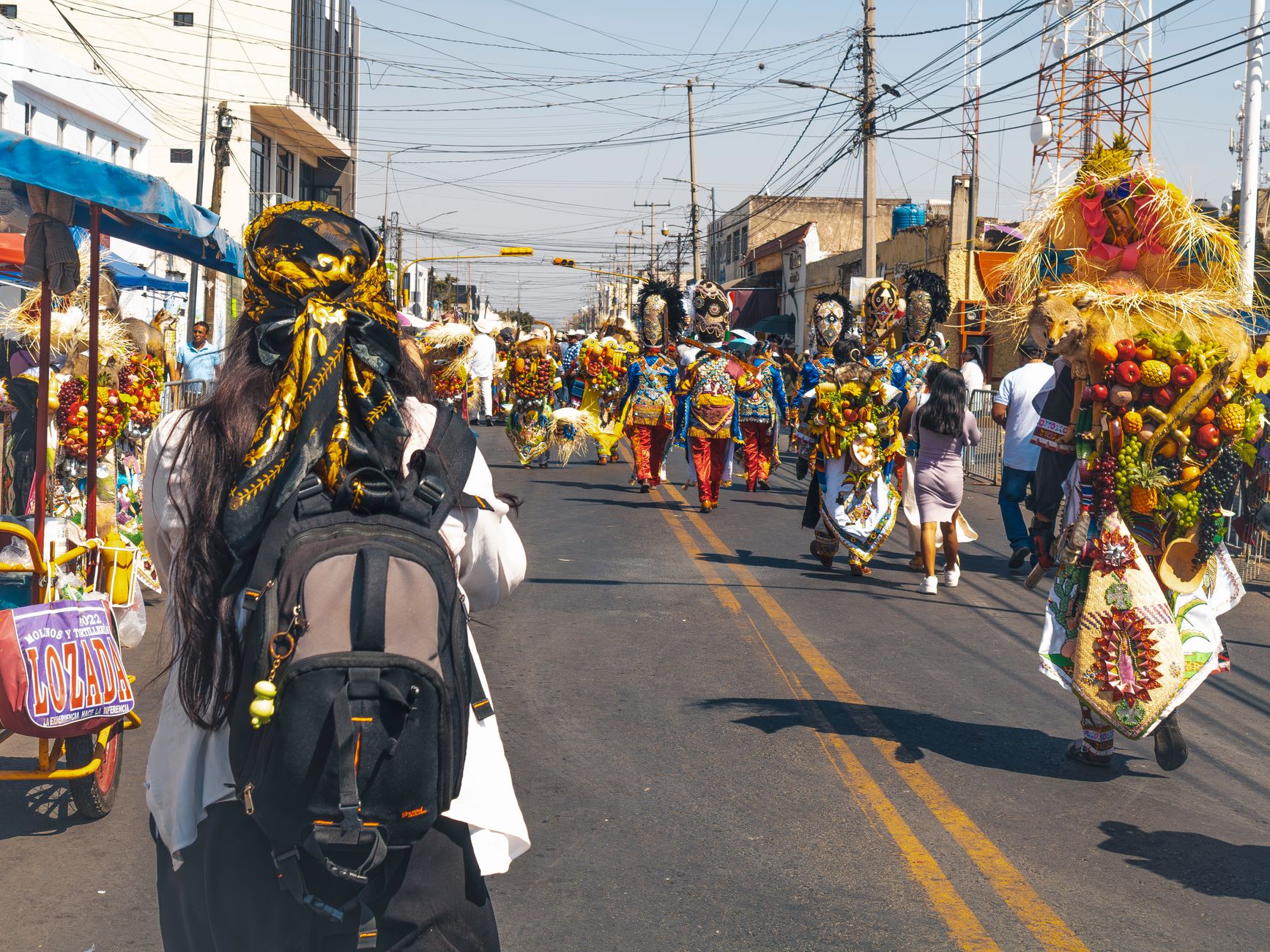
The New Safe Havens: Surprising Latin American Cities Safer Than American in July 2026
I stepped off the plane into the thick, sweet night air of Mérida, Yucatán, and immediately felt my shoulders drop. It was 11:30 PM. In many major US cities—places like Chicago, Philadelphia, or Oakland—walking alone through a downtown core at this hour requires a hyper-vigilant scanning of your surroundings. Here, however, the streets were alive with a different kind of energy.
Elderly couples sat on wrought-iron benches under the shadow of the 16th-century Mérida Cathedral, children chased soccer balls across the polished limestone of the Plaza Grande, and the rich, comforting aroma of slow-roasted cochinita pibil and charred habanero wafted from open-air market stalls. There were no sirens. No tense glances. Just the tranquil, rhythmic hum of a city at peace with itself.
For decades, North American travelers have been conditioned to view Latin America through a lens of risk. But as we head into July 2026, the data tells a radically different story. According to the mid-2026 Numbeo Safety Index and updated OSAC travel reports, several Latin American urban centers now boast safety ratings that rival—and frequently surpass—popular US destinations like Austin, Miami, and Denver.
If you are planning a summer getaway but want to avoid the surging crime rates and inflated prices currently plaguing US cities, it is time to look south. Here is your definitive, data-backed guide to the safest cities in Latin America for July 2026.
---
1. Mérida, Mexico: The Safest City in North America
While parts of Mexico dominate international news for security concerns, the state of Yucatán remains a spectacular statistical anomaly. Mérida, its capital, consistently ranks as the safest city in Mexico and one of the safest in the entire Western Hemisphere. With a safety index score hovering around 74.2, Mérida is statistically safer than Tampa, Florida, and leagues ahead of cities like New Orleans or St. Louis.
The Vibe
Mérida is a sensory masterpiece of Mayan heritage and French-inspired colonial architecture. The grand boulevard of Paseo de Montejo is lined with majestic, 19th-century mansions built during the henequen boom. The local culture is fiercely protected, resulting in daily free cultural performances in the public squares, from traditional jarana dancing to live marimba bands.
July Climate & Culture
July in Mérida is hot and humid, but it is also the time when the city truly embraces its tropical soul. The afternoon rains cool the limestone streets, paving the way for vibrant night markets. It is also the perfect base for exploring the cool, refreshing waters of nearby cenotes (natural sinkholes).
- Pro-Tip: Skip the crowded cenotes on the main tourist highway. Instead, rent a car and head to Cenote Kankirixche at precisely 9:00 AM. The sun hits the water at an angle that illuminates the submerged stalactites in a brilliant, sapphire blue, and you will likely have the entire cavern to yourself.
- Insider Food Spot: Avoid the tourist-heavy restaurants directly on the Plaza Grande. Walk four blocks north to Manjar Blanco on Parque de Santa Ana. Order the sopa de lima (lime soup with shredded turkey) and the queso relleno (edam cheese stuffed with spiced minced meat).
---
2. Montevideo, Uruguay: The Bohemian, Progressive Capital
Often overshadowed by its louder neighbor, Buenos Aires, Montevideo is the quiet achiever of South America. Uruguay consistently ranks at the top of Latin American development, democracy, and safety indices. In July 2026, Montevideo boasts a safety index that comfortably beats out cities like Minneapolis and Atlanta.
The Vibe
Montevideo feels like a cross between a classic European coastal town and a laid-back beach enclave. The city is defined by the Rambla, a continuous 13-mile sidewalk that hugs the silver waters of the Río de la Plata. Here, locals walk their dogs, jog, and sip mate (the local herbal tea) from hollowed-out gourds well past midnight.
July Climate & Culture
July is winter in the Southern Hemisphere, meaning Montevideo experiences crisp, cool days averaging 50°F to 60°F (10°C to 15°C). It is the ultimate season for cozying up in historic cafes, exploring the city’s thriving Art Deco architecture, and indulging in hearty Uruguayan cuisine.
- Pro-Tip: The famous Mercado del Puerto is great for photos, but the prices are heavily marked up for tourists. For an authentic, jaw-dropping steak experience, head to La Pulpería in the Punta Carretas neighborhood. Arrive at 7:30 PM (before they open at 8:00 PM) to snag one of the few bar stools. Order the ojo de bife (ribeye) paired with a glass of local Tannat wine.
- The Hidden View: For the best view of the city without the crowds, enter the Palacio Salvo through the side entrance on Calle Plaza Independencia and ask the security guard for the private architectural tour. It grants you access to the building's historic lookout tower, which is usually closed to the general public.
---
3. Cuenca, Ecuador: The Peaceful Andean Sanctuary
High in the Andes mountains, Cuenca is a UNESCO World Heritage site that has long been a darling of the expat community. While Ecuador has faced localized security challenges in its coastal port cities, the high-altitude sierra region—and Cuenca in particular—remains incredibly safe, peaceful, and welcoming. Its safety rating sits comfortably above Denver, Colorado.
The Vibe
Cuenca is bisected by four rushing rivers and characterized by its red-tiled roofs, cobblestone streets, and majestic blue-domed cathedrals. The air is crisp, clean, and perpetually spring-like. The city has a distinct intellectual and artistic energy, filled with galleries, craft breweries, and artisanal markets.
July Climate & Culture
July brings dry, sunny days and cool, clear nights. It is the perfect weather for hiking in the nearby Cajas National Park, a dramatic tundra-like landscape of jagged peaks and crystalline glacial lakes.
- Pro-Tip: To capture the iconic shot of the blue domes of the New Cathedral without hundreds of tourists in your frame, head to the terrace of the Seminario San Luis at 7:30 AM. The morning light hits the marble domes perfectly, and the courtyard below is blissfully quiet.
- Insider Purchase: Do not buy your "Panama hat" (which actually originated in Ecuador) from the street vendors. Go to the workshop of Homero Ortega. You can tour the historic facility to see how the Carludovica palm leaves are woven by hand, and purchase a genuine, museum-quality hat for a fraction of what it would cost in retail stores abroad.
---
4. Curitiba, Brazil: The Ecological Pioneer
When people think of Brazil, safety is rarely the first word that comes to mind. However, Curitiba, the capital of the southern state of Paraná, defies all Brazilian stereotypes. Meticulously planned, hyper-efficient, and incredibly green, Curitiba boasts crime statistics that are lower than Houston, Texas.
The Vibe
Curitiba is a global model for urban planning. It features an incredibly efficient bus rapid transit (BRT) system, over 30 parks and forests, and a population that fiercely prides itself on civic order and cleanliness. The city has a distinct European influence, owing to waves of German, Ukrainian, Polish, and Italian immigrants.
July Climate & Culture
July is Curitiba's coldest month, with temperatures ranging from 45°F to 65°F (7°C to 18°C). The crisp winter air is perfect for exploring the city's botanical gardens and its famous Wire Opera House (Ópera de Arame), a stunning structure built of steel tubes and covered with transparent plates.
- Pro-Tip: Skip the expensive private city tours. Curitiba’s public Linha Turismo (Tourism Line) is a double-decker bus that stops at 26 of the city's key attractions. Purchase the physical transit card at the Rodoferroviária station instead of paying cash on the bus to save 15%.
- The Culinary Secret: Head to the neighborhood of Santa Felicidade, the heart of the Italian community. Instead of the massive, tourist-trap buffet restaurants, seek out Madalosso, but request a table in the historic family room rather than the main hall. Order the polenta frita and the hand-rolled tortei stuffed with pumpkin.
---
5. Santiago, Chile (Providencia & Vitacura Districts)
Chile is consistently ranked as one of the most stable and safe countries in South America. While Santiago is a massive metropolis of over 6 million people, its northeastern municipalities—specifically Providencia, Vitacura, and Las Condes—are exceptionally safe, clean, and modern, offering a security profile superior to San Francisco or Washington D.C.
The Vibe
With the snow-capped Andes serving as a dramatic, jagged backdrop, these neighborhoods feel like a blend of Zurich and Miami. Expect immaculate tree-lined streets, high-end shopping boutiques, avant-garde skyscrapers, and pristine public parks like Parque Bicentenario, where pink flamingos wade in manicured lagoons.
July Climate & Culture
July is mid-winter in Chile, which means one major thing: ski season. Santiago is located just 90 minutes from world-class ski resorts like Valle Nevado and El Colorado. You can spend your day carving down fresh Andean powder and your evening dining at some of the best restaurants in South America.
- Pro-Tip: Avoid the notorious taxi scams at Arturo Merino Benítez International Airport (SCL). Instead, book a shared or private shuttle through Transvip at their official counter inside the baggage claim area before you exit into the public arrivals hall.
- The Hidden Vantage Point: For a breathtaking sunset view of the Andes without the crowds of the Sky Costanera deck, take the funicular up Cerro San Cristóbal, but exit at the midway station (Tupahue). Walk 10 minutes along the paved path to the Jardín Mapulemu, a botanical garden showcasing native Chilean flora. It is peaceful, free, and offers an unobstructed view of the city skyline against the mountains.
---
The Budget & Logistics Blueprint
Traveling safely shouldn't mean breaking the bank. Here is how these five secure Latin American destinations stack up for a July 2026 getaway:
| City | Est. Daily Budget (USD)* | Safety Index (vs. US City) | How to Get There | Best July Activity |
| :--- | :--- | :--- | :--- | :--- |
| Mérida, Mexico | $65 - $90 | 74.2 (Safer than Tampa, FL) | Fly into MID (Mérida) or CUN (Cancún) + 3hr ADO bus | Swimming in deep-cave cenotes to beat the midday heat |
| Montevideo, Uruguay | $110 - $150 | 53.8 (Safer than Philadelphia, PA) | Fly into MVD (Carrasco) or take the Buquebus ferry from Buenos Aires | Walking the Rambla at sunset with a thermos of hot mate |
| Cuenca, Ecuador | $50 - $75 | 67.5 (Safer than Denver, CO) | Fly into UIO (Quito) or GYE (Guayaquil) + short domestic flight to CUE | Hiking the dramatic glacial landscapes of Cajas National Park |
| Curitiba, Brazil | $70 - $100 | 61.2 (Safer than Houston, TX) | Fly into CWB (Afonso Pena) via São Paulo (GRU) | Exploring the botanical gardens in the crisp winter air |
| Santiago, Chile (Providencia) | $120 - $170 | 65.1 (Safer than San Francisco, CA) | Fly direct to SCL (Santiago) | Skiing at Valle Nevado, just 90 minutes from the city center |
\*Estimated daily budget includes mid-range boutique accommodation, three meals, local transport, and one activity.
---
Why the Data Doesn't Lie
When planning travel, it is vital to separate sensationalist headlines from raw data. Crime rates in major US cities have seen unpredictable fluctuations over the last few years. According to Numbeo's safety data, cities like Baltimore, Oakland, and New Orleans carry safety indices below 30 (where lower means higher crime).
By contrast, the cities highlighted in this guide benefit from strong community policing, stable local economies, and cultural frameworks that prioritize public safety and hospitality. When you visit Mérida or Cuenca, you aren't just entering a tourist bubble; you are entering a community where safety is a shared, cultural value.
This July 2026, don't let outdated misconceptions dictate your passport stamps. Pack your bags, practice your Spanish (or Portuguese), and experience the profound peace of mind that comes with exploring some of the most sophisticated, beautiful, and statistically secure cities on the planet.
---