The Hook: Midnight in Mérida
I stepped off the bus onto the warm, humid asphalt of Calle 60 at 12:45 AM. In most major US cities, walking through a downtown commercial district past midnight with two rolling suitcases and an exposed camera strap is a recipe for a spiked heart rate and a frantic Uber call.
But here in Mérida, the capital of Mexico’s Yucatán state, the air smelled of sweet bitter orange, slow-roasting pork pibil, and wet limestone. An elderly couple sat on a wrought-iron bench, whispering under the soft glow of a streetlamp. Two kids kicked a soccer ball against a colonial facade while their parents chatted outside a late-night gelatería. I didn't feel the familiar, defensive "city-shrug" we Americans wear like armor in Chicago, San Francisco, or Atlanta. I felt, quite simply, at peace.
For years, mainstream media has painted Latin America with a broad brush of volatility. Yet, when you dig into the hard data—comparing Numbeo’s Safety Index and the UN Office on Drugs and Crime (UNODC) homicide metrics—a startling reality emerges. There are several Latin American urban centers where you are statistically far safer walking home at night than you are in Houston, Philadelphia, or Baltimore.
Let’s dismantle the myths and explore five authentic Latin American cities that are safer than their American counterparts right now.
---
1. Mérida, Mexico: The Safest Haven in North America
If you still think Mexico is universally dangerous, Mérida is here to completely shatter your worldview. With a safety index rating that routinely rivals European capitals like Copenhagen, Mérida is statistically safer than almost every major city in the United States. While cities like New Orleans grapple with homicide rates over 70 per 100,000 residents, the state of Yucatán maintains a rate comparable to rural Maine (around 2 per 100,000).
The Vibe & Architecture
Mérida is a gorgeous collision of Mayan heritage and French-influenced Belle Époque architecture. Along the grand Paseo de Montejo, pastel-hued mansions built during the henequen boom of the late 19th century stand as monuments to the city’s opulent past.
Inside the Culinary Scene
This isn't your standard taco-and-tequila joint. Yucatecan cuisine is distinct, heavily reliant on sour oranges, achiote paste, and habaneros.
* The Dish to Try: Cochinita Pibil—suckling pig marinated in bitter citrus, wrapped in banana leaves, and slow-roasted in an underground pit (pib).
* Street Food Essential: Grab a marquesita from a cart in the Plaza Grande. It’s a crispy, rolled crepe filled with sweet Nutella and salty shredded Edam cheese (known locally as queso de bola).
> Pro-Tip: Skip the crowded weekend markets. Head to the plaza of Santa Lucía on Thursday nights at 9:00 PM for the Serenatas Yucatecas. Locals dress in traditional white huipiles and guayaberas for live trova music and dancing. To grab a drink afterward, find the unmarked swinging wooden saloon doors on Calle 62—this is the hidden entrance to La Negrita, the city’s most authentic cantina.
---
2. Montevideo, Uruguay: The Laid-Back Capital of the South
Uruguay is often called the "Switzerland of South America," and its coastal capital, Montevideo, lives up to the moniker. With a robust social safety net, progressive laws, and a culture that values tranquilidad above all else, Montevideo boasts a safety profile that puts cities like Philadelphia and Oakland to shame.
The Vibe & Architecture
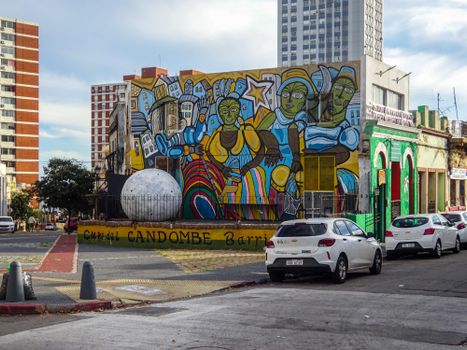
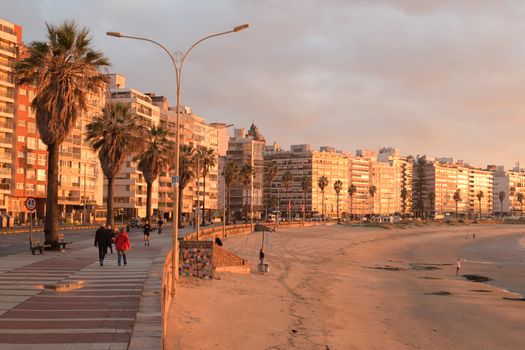
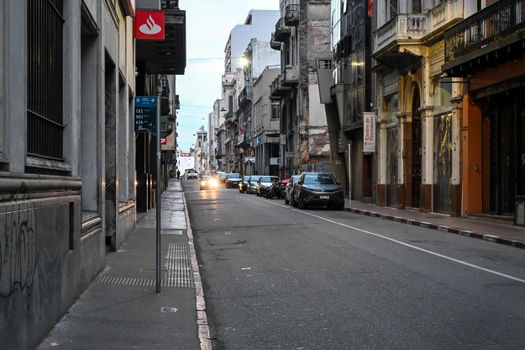
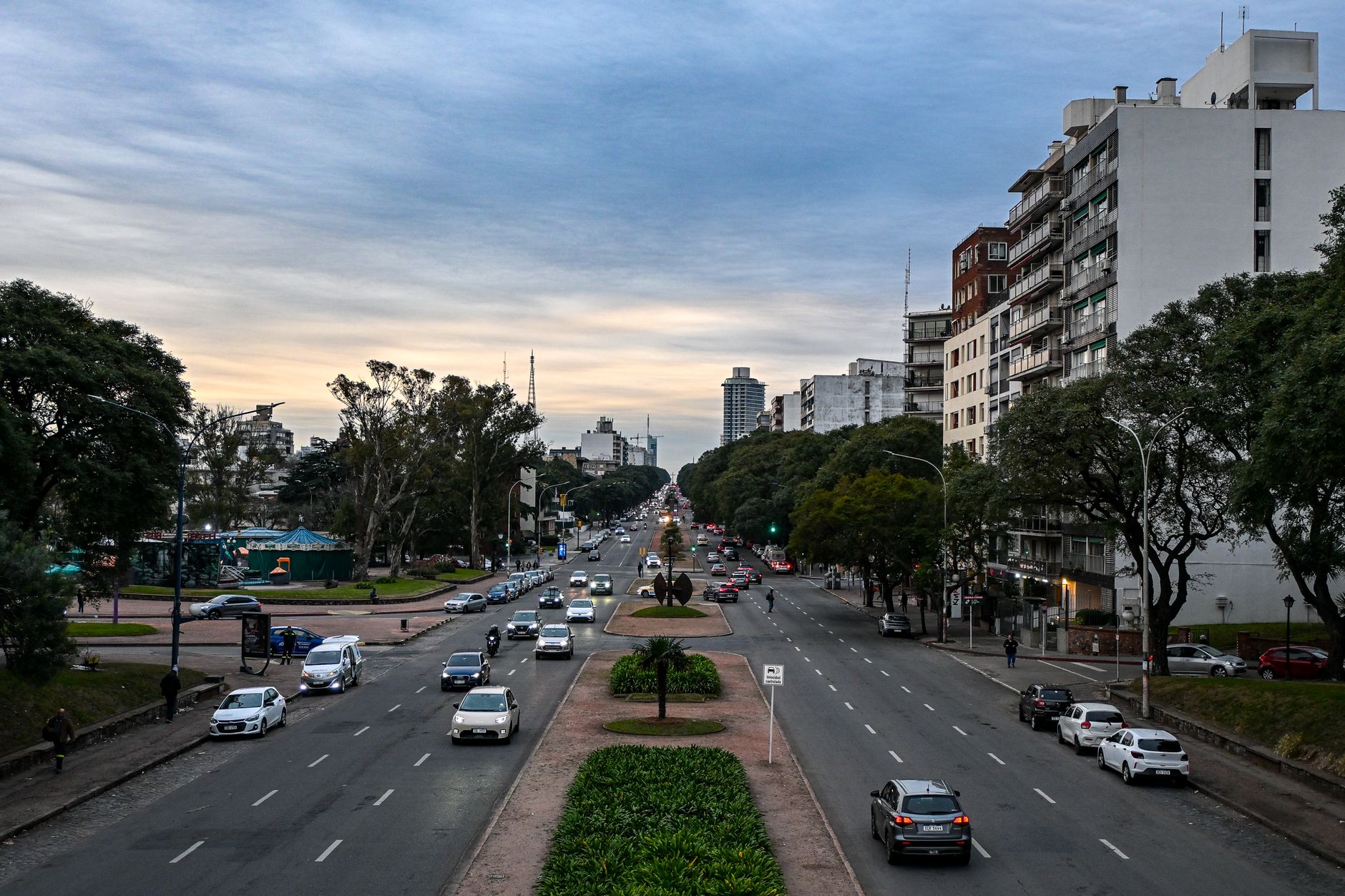
Montevideo feels like a dreamier, slower-paced Buenos Aires. The city hugs the Río de la Plata, lined by a continuous 13-mile waterfront promenade known as La Rambla. The architecture is a moody mix of Art Deco towers, decaying neoclassical facades, and modernist apartment blocks.
Inside the Culinary Scene
Uruguayans are obsessed with beef and mate (a bitter herbal tea drank from a hollowed gourd through a metal straw).
* The Dish to Try: The Chivito—a towering steak sandwich loaded with ham, cheese, bacon, lettuce, tomatoes, olives, and a fried egg.
* The Pour: Skip the Malbec and order a glass of Tannat, Uruguay's signature bold, high-tannin red wine.
> Pro-Tip: The historic Mercado del Puerto is famous for its massive indoor parrillas (steakhouses), but it can be a tourist trap. For an authentic lunch, walk three blocks inland to El Palenque. Sit at the brass-rail bar, order the mollejas (sweetbreads cooked over wood embers), and wash it down with a medio y medio (a local blend of sweet sparkling wine and dry white wine).
---
3. Cuenca, Ecuador: The Andean Sanctuary
Tucked away in the southern highlands of Ecuador, Cuenca is a UNESCO World Heritage site that has become a legendary sanctuary for expats and slow travelers alike. While coastal Ecuador has faced security challenges recently, high-altitude Cuenca remains an isolated pocket of safety, with violent crime rates that are a fraction of those found in Atlanta, Cleveland, or St. Louis.
The Vibe & Architecture
Four rushing rivers bisect this mountain city, which is defined by its red-tiled roofs, cobblestone streets, and the massive, blue-domed Catedral de la Inmaculada Concepción. The air is crisp, clean, and smells of eucalyptus from the surrounding Andes.
Inside the Culinary Scene
Cuenca’s food scene is deeply rooted in high-altitude agriculture.
* The Dish to Try: Mote Pillo—hominy corn sautéed with eggs, milk, garlic, and green onions, served alongside fresh highland cheese.
* Insider Purchase: This is the true birthplace of the "Panama Hat" (locally called sombrero de paja toquilla).
> Pro-Tip: To buy an authentic hat without the tourist markup, skip the boutiques and visit the Homero Ortega factory workshop. For an unforgettable cultural experience, walk to the Plaza de San Francisco at 8:30 AM on a Thursday. Seek out the indigenous Cañari women performing limpias (spiritual energy cleansings) using bundles of sweet herbs, roses, and local firewater.
---
4. Buenos Aires, Argentina (Palermo & Recoleta Districts)
While Buenos Aires is a massive metropolis of 15 million people, its premier neighborhoods—specifically Palermo Soho, Palermo Hollywood, and Recoleta—register safety levels that make downtown Chicago or Los Angeles look highly volatile. Petty theft (like phone-snatching) exists, but violent crime is incredibly rare in these leafy, European-style barrios.
The Vibe & Architecture
Often called the "Paris of South America," Buenos Aires features wide boulevards lined with jacaranda trees, grand French classical apartments, and sidewalk cafes on every corner.
Inside the Culinary Scene
Dining here is an art form that doesn't even begin until 10:00 PM.
* The Dish to Try: Ojo de Bife (ribeye steak) cooked jugoso (medium-rare) at a local parrilla, accompanied by chimichurri.
* The Sweet Treat: Alfajores—shortbread cookies sandwiched with rich dulce de leche and dipped in dark chocolate.
> Pro-Tip: Avoid the pickpockets on the tourist-heavy Calle Florida. Instead, spend your afternoon in Recoleta. Visit the famous Recoleta Cemetery (where Eva Perón is buried), but do so at 8:00 AM right when the gates open. You’ll have the hauntingly beautiful, labyrinthine city of marble mausoleums entirely to yourself before the tour buses arrive. Afterward, walk to La Rambla (on the corner of Posadas and Ayacucho) for the city’s best lomito sandwich and a cortado.
---
5. San José (Escazú & Barrio Amón), Costa Rica
While Costa Rica is famous for its surf towns and cloud forests, its capital, San José, holds hidden pockets of high-end safety and rich culture that easily outclass major US cities in security. Specifically, the neighborhoods of Escazú (the "Beverly Hills of Costa Rica") and Barrio Amón offer secure, walkable environments far removed from the urban grit of cities like Oakland or Indianapolis.
The Vibe & Architecture
Barrio Amón is a showcase of late 19th-century Victorian architecture, built by wealthy coffee barons. Escazú, on the other hand, offers sleek modernist condos, manicured green spaces, and sweeping views of the Central Valley mountains.
Inside the Culinary Scene
Costa Rican cuisine is clean, fresh, and deeply comforting.
* The Dish to Try: A traditional Casado—a platter featuring rice, black beans, sweet plantains, a side salad, tortilla, and your choice of grilled fish or pork.
* The Caffeine Fix: Costa Rica only allows the cultivation of high-quality Arabica beans. Seek out a café serving pour-over coffee using a chorreador (a traditional wooden stand with a cloth filter bag).
> Pro-Tip: For an incredible, safe night out, head to Barrio Escalante. This district has transformed into a culinary hotspot. Walk along "Calle 33" and look for Apotecario, a craft brewery and restaurant hidden behind a massive, unmarked wall of tropical monstera plants. They brew their own kombucha, craft beers, and serve organic sourdough pizzas in a fairy-lit courtyard.
---
Making the Shift: Why the Media Gets Latin American Safety Wrong
Why does the average traveler believe Latin America is universally dangerous? It comes down to systemic bias in government travel advisories.
The US State Department often issues blanket "Level 2" or "Level 3" warnings for entire countries based on localized cartel activity hundreds of miles away from peaceful tourist zones. For example, warning travelers about Mérida because of violence in border states like Tamaulipas is equivalent to warning someone against visiting the coast of Maine because of gang violence in Chicago.
When you look at the Numbeo Safety Index 2024, the numbers speak for themselves:
- Mérida, Mexico: Safety Index 74.2 (Very Safe)
- Montevideo, Uruguay: Safety Index 52.8 (Moderate/Safe)
- San Jose (Escazú), Costa Rica: Safety Index 61.4 (Safe)
- vs.
- Chicago, IL, USA: Safety Index 46.4 (Low Safety)
- Philadelphia, PA, USA: Safety Index 37.2 (Very Low Safety)
- Oakland, CA, USA: Safety Index 31.1 (Very Low Safety)
By practicing basic situational awareness—not flashing expensive jewelry, staying in well-lit areas at night, and using registered ride-share apps—your risk of encountering crime in these Latin American sanctuaries is remarkably low.
---
The Logistics & Budget Matrix
| City | Safety Index (Higher = Safer) | Avg. Daily Budget (USD) | Best Time to Visit | How to Get There |
| :--- | :--- | :--- | :--- | :--- |
| Mérida, Mexico | 74.2 | $50 - $90 | November to March | Fly directly into MID, or fly to CUN and take the new Tren Maya. |
| Montevideo, Uruguay | 52.8 | $90 - $140 | December to March | Fly to MVD, or take the 2-hour Buquebus ferry from Buenos Aires. |
| Cuenca, Ecuador | 63.5 | $40 - $70 | June to September | Fly to Quito (UIO) or Guayaquil (GYE), then take a 45-min domestic flight to CUE. |
| Buenos Aires (Palermo)| 61.1 | $60 - $100 | October to December | Fly direct to EZE, then take a pre-booked Manuel Tienda León private car. |
| San José (Escazú) | 61.4 | $80 - $130 | December to April | Fly directly into SJO, then take an official red airport taxi or Uber. |
---
The Verdict
Safety isn't just about statistics; it's about how a place makes you feel. When you can walk down a cobblestone street, breathe in the scent of night-blooming jasmine, and interact with locals who are genuinely happy to share their culture without feeling the need to constantly look over your shoulder, you’ve found travel gold.
These five Latin American cities don't just offer a secure alternative to struggling US metros—they offer richer history, better food, and a slower, more intentional way of living. It's time to pack your bags, leave the paranoia behind, and head south.
---