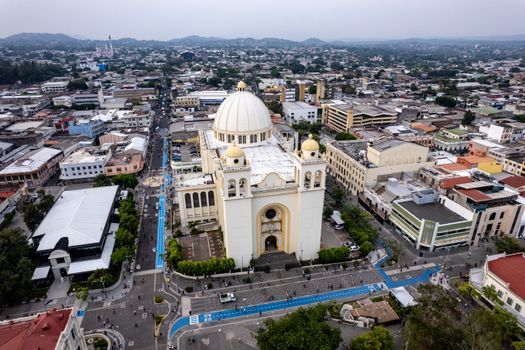
Latin America covers a very large region with many countries, climates and urban cultures, so no single answer describes safety across all of it. Some cities are widely visited by travelers without incident, while others have neighborhoods or periods that call for extra caution. Headlines and online discussions can shape impressions quickly, sometimes more than the everyday experience of residents and visitors. This guide offers a balanced framework for thinking about safety in the region, focusing on how to research a specific city and how to adopt practical habits that reduce risk without letting fear dominate the trip.
Why perceptions and realities differ
Impressions of a city are often formed from a few widely shared stories, which may describe rare incidents or particular neighborhoods rather than the destination as a whole. Crime statistics, where they are available, are also difficult to compare between cities because reporting practices, definitions and population sizes differ. A high-profile incident can colour perceptions for years after conditions have changed.
It helps to separate three questions: what official advisories say, what recent local reporting describes, and what experienced travelers and residents report about daily life. Each source has limitations, but together they give a more useful picture than any one of them alone. Keep in mind that a city can be broadly safe for visitors while still having specific districts where caution is sensible.
Understanding neighborhoods
Within most large cities, safety varies considerably from one district to another. Areas that are busy with shops, restaurants and foot traffic during the day may feel very different late at night, and some residential or peripheral areas may be less suitable for visitors on foot. Accommodation staff, local tour operators and well-regarded guidebooks can explain which districts are commonly recommended for travelers and which are better avoided after dark.
When choosing where to stay, look for a neighborhood with good lighting, regular transit, and businesses that remain open into the evening. Read recent reviews with attention to the location details, since they often mention what the streets are like at night. A slightly more expensive area with better access can be a sensible trade-off for a first visit.
Transport choices
Getting around is one of the most important safety decisions on any trip. Many travelers prefer official taxis, reputable ride-hailing apps that display the driver's details, or pre-booked private transfers, particularly late at night or on arrival. Confirm the pickup point and the vehicle details before getting in, and avoid accepting unsolicited rides from people approaching you on the street.
Public transit is usually convenient in larger cities, but crowded buses and metros can attract pickpockets. Keep bags closed and in front of you, and avoid displaying expensive phones or cameras in busy carriages. Check which routes and times are considered comfortable, and plan your return journey before you head out for an evening.
Valuables and nightlife habits
Petty theft tends to be the most common concern for visitors in many cities, and simple precautions make a real difference. Carry only the cards and cash you need for the day, keep a copy of your passport rather than the original where practical, and use a hotel safe for documents you do not need to carry. A cross-body bag with a zip is often more secure than an open tote.
Nightlife can be a highlight of a city visit, and it is sensible to plan how you will get home before you go out. Keep track of your drinks, agree on a meeting point with companions, and let someone know where you are. Moderation is usually the best safeguard, as impaired judgment is a factor in many avoidable problems for travelers everywhere.
Using advisories and local knowledge
Check the current travel advisory from your home government for each country and, where it exists, for specific regions within it. These advisories change, so consult them shortly before departure and again during the trip if conditions shift. Sign up for any alert services your government offers, and keep the consular contact details saved offline.
Local knowledge is equally valuable. Ask your hotel, guide or host which areas and times to avoid, and follow their advice on protests, demonstrations or large public events that may disrupt movement. Be willing to change plans when the situation on the ground differs from what you expected.
Practical tips
- Research the specific city and district, not only the country.
- Use registered taxis or reputable ride-hailing apps, and verify the vehicle before boarding.
- Keep valuables out of sight, use a zipped bag and carry copies of key documents.
- Plan your evening transport and return route before you leave.
- Save your country's consular contact details and local emergency numbers offline.
- Purchase travel health and cancellation coverage that fits your itinerary.
Safety in Latin American cities is best approached as a set of informed decisions rather than a single verdict. Many visitors have rewarding, trouble-free trips by researching neighborhoods, using reliable transport and staying alert in the same way they would in any large city. Keep the advice current, trust local judgment and let your plans adapt when conditions change.