Angkor Wat in Cambodia is one of the largest religious monuments in the world, and its galleries, towers and reflecting pools have drawn visitors for generations. Its scale invites comparison, and many travelers ask which other temple complexes offer a similar sense of wonder. The honest answer is that comparison depends on what you value: architectural detail, historical context, landscape, quiet or the sense of a living site. Several temple complexes across Asia, the Americas and Egypt are worth considering, each with its own history and character. This guide offers a framework for comparing them and for planning a respectful visit.
Sites in Southeast Asia
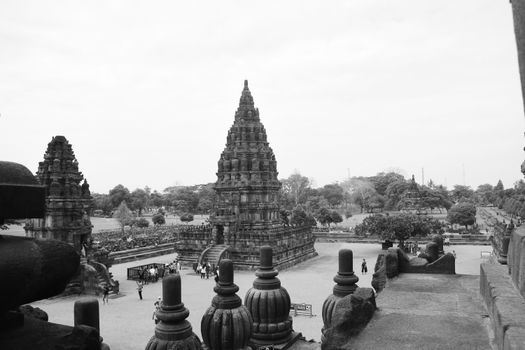
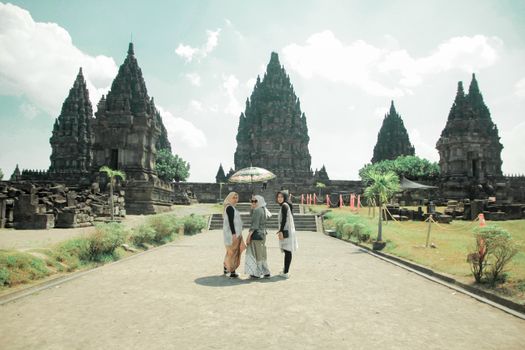
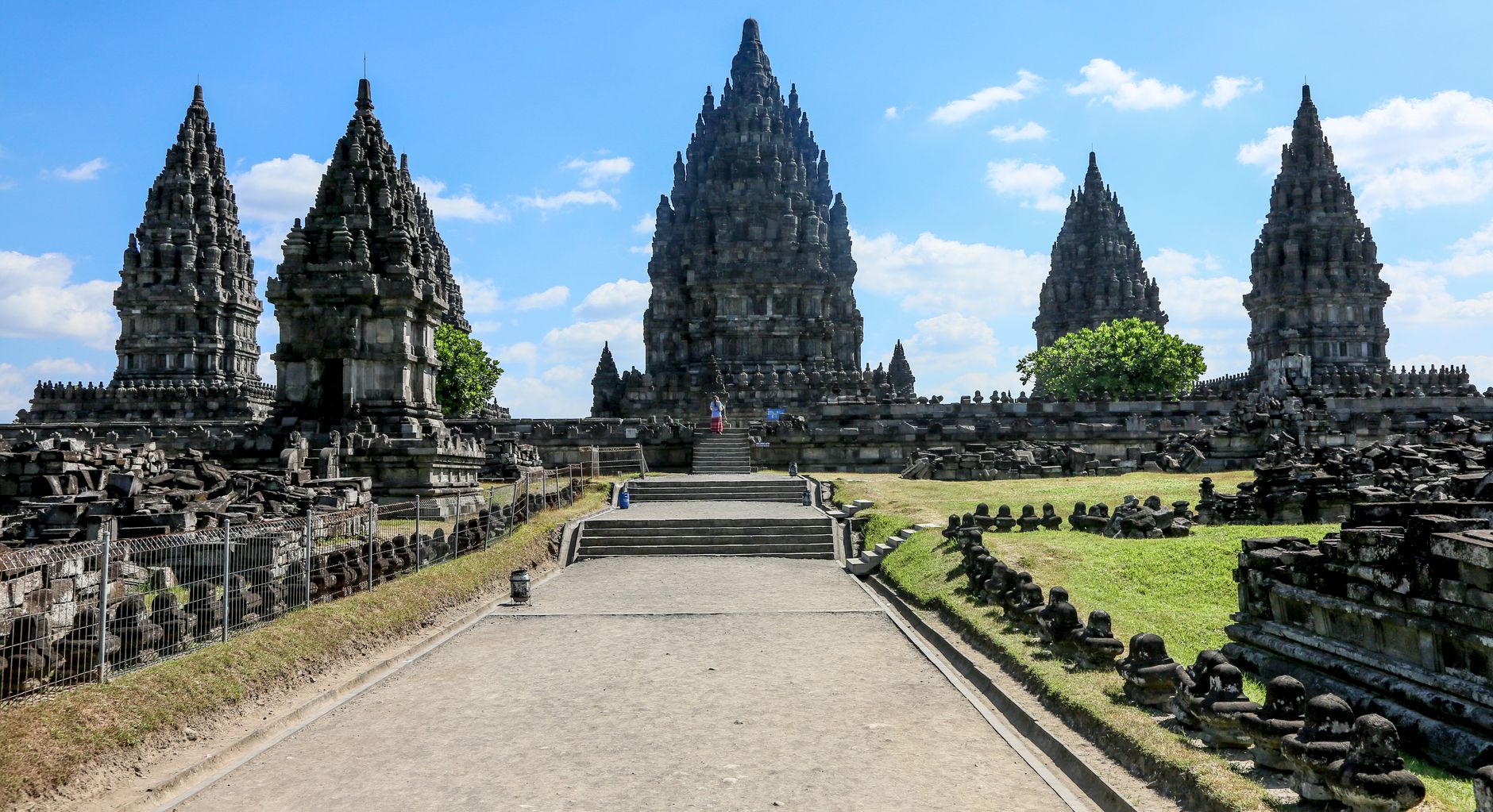
Bagan in Myanmar holds thousands of brick temples and stupas scattered across a dry plain, best appreciated from a bicycle or horse-drawn cart and at sunrise or sunset. Borobudur in Indonesia is a Buddhist monument built in terraces, with reliefs that can be followed around its levels. Prambanan, also in Indonesia, is a Hindu temple complex with tall spires and carved panels. Each offers strong architectural interest, though their conservation requirements and visitor numbers vary.
Sites in South Asia
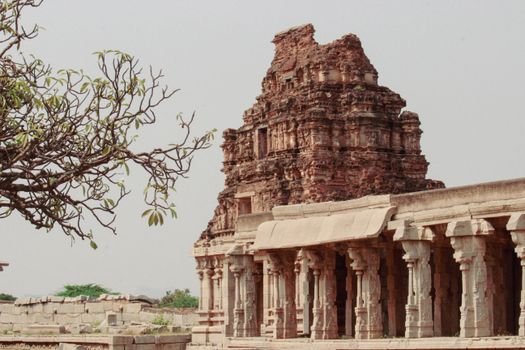
Hampi in India preserves the ruins of a major medieval city set among granite boulders, with temples, markets and palaces spread across a wide area. The Ajanta and Ellora cave complexes contain rock-cut temples and monasteries with painted and carved interiors. Visiting these sites often involves longer travel, but they reward those who enjoy exploring at a slower pace.
Sites in the Americas
Tikal in Guatemala is a Maya city with large temple pyramids rising above the forest canopy. Chichen Itza in Mexico is another major Maya site, known for its step pyramid and ball court, and it is often busy. Smaller Maya sites in the region can offer quieter visits. Each site has specific opening hours, guidelines on climbing and conservation rules that should be checked before travel.
Sites in Egypt
Karnak and Luxor, near the Nile, contain extensive temple complexes built over many centuries. Their columned halls and obelisks are among the most impressive surviving works of ancient architecture. Visiting in the cooler months and early in the day can make exploration more comfortable, and a guide can explain the sequence of construction.
Comparing sites fairly
When choosing among temples, consider the period of construction, the religious or cultural context, the state of preservation and the setting. Some sites emphasize carved reliefs, others emphasize scale or landscape. Think about crowd levels, which can be heavy at famous sites, and about how easy it is to combine the visit with other destinations. A shorter trip to a lesser-known site may be as rewarding as a long journey to a famous one.
Respecting temples and conservation
Many temple complexes are fragile and protected by strict regulations. Follow marked routes, avoid touching carvings or walls, and do not climb on structures where prohibited. Dress modestly where religious use continues, and follow photography rules. Hire licensed guides where possible, and support local communities through responsible purchases.
Practical tips
Research each site's opening hours, ticketing system and any timed entry requirements. Plan visits for early morning or late afternoon to avoid heat and crowds. Wear sturdy shoes, carry water and sun protection, and bring a hat. Check transport options and allow time for travel between sites. Use reputable guides and confirm their credentials. Finally, consider the environment: carry out your rubbish, and resist the urge to move stones or souvenirs from the site.
Common mistakes to avoid
A common error is trying to fit several large temple complexes into one day. The heat, distances and crowds can leave you exhausted before the most rewarding site. Another mistake is assuming that one ticket covers every site in a region, when separate passes or timed entries may be required. Some visitors also overlook religious activity at working temples, which can affect access and behavior expectations. Relying on memory for opening hours, rather than checking the current schedule, can lead to wasted journeys. Finally, many travelers underestimate how long it takes to move between sites on rough roads or in heavy traffic. Building in slack time and choosing fewer sites usually makes the visit more memorable. Some visitors also underestimate how much walking a large complex involves, even when the main structures look close together.
Who this suits and who it doesn't
Architecture enthusiasts, history students and travelers who enjoy long, unhurried exploration tend to get the most from these complexes. Visitors who are comfortable in heat and happy to walk on uneven stone will also have a good time. These sites may be less suitable for people with heat sensitivity, mobility limitations or joint problems, since many routes involve steps, slopes and uneven paving. Young children and older travelers may find long days tiring, so shorter visits to fewer sites can work better. Those with tight itineraries may prefer to focus on one complex in depth rather than attempting several in a rush. Travelers who are comfortable planning across several days, with a rest day between sites, may find these complexes especially rewarding.
A quick planning checklist
- Have you chosen the two or three sites that matter most to you?
- Do you know whether each site is an active place of worship, and what that means for visitors?
- Have you checked which parts of a site are accessible, including ramps and rest areas?
- Have you planned the return journey from the last site of the day?
- Do you have a shaded spot in mind for rest between visits?
- Have you read any posted site rules on dress and photography before arriving?
- Have you allowed time for lunch and shade rather than planning back-to-back visits?
Temple complexes outside Cambodia offer a rich range of architecture and history. By comparing sites on their own terms and planning with care, you can discover monuments that are every bit as memorable as Angkor Wat, each in its own way.