From Bland Bites to Viral Brilliance: Your Pro Guide to Food Photography in September 2025
It was a crisp autumn evening, September 2023, in a tiny trattoria nestled deep in Rome's Trastevere district. The air buzzed with lively Italian chatter, the scent of garlic and basil hung heavy, and before me sat a plate of Cacio e Pepe so perfectly creamy, so utterly divine, it felt like a culinary revelation. I pulled out my phone, eager to immortalize this moment, this art on a plate. I snapped a dozen photos under the dim, yellow overhead light. Later, scrolling through my camera roll, my heart sank. The photos were… well, they were beige. Flat, unappetizing, and utterly failing to convey the profound deliciousness I'd experienced. It was then I vowed: never again would a perfect meal go undocumented by a mediocre photo.
Fast forward to September 2025, and my camera roll is a vibrant tapestry of culinary triumphs, each dish a story, each photo a mouth-watering invitation. The world of food photography has evolved rapidly, with smartphone cameras now capable of truly stunning results, and social media demanding increasingly captivating visuals. Whether you're chasing the golden hues of Tuscany's grape harvest, savoring a spicy street food noodle soup in Bangkok, or simply enjoying a homemade pumpkin spice latte, mastering the art of food photography is key to reliving those flavors and sharing your journey.
This isn't just a guide; it's a deep dive into the techniques, tools, and mindset you'll need to turn your food photos from forgettable snapshots into viral sensations. So, grab your camera (or, more likely, your trusty smartphone), let's unlock the secrets to capturing food like a pro this autumn!
1. Light is Your Secret Ingredient: The Power of Natural Illumination
Remember that Roman Cacio e Pepe disaster? The culprit was undoubtedly the harsh, yellow overhead light. When it comes to food photography, natural light isn't just preferred; it's practically non-negotiable. It brings out textures, colors, and creates that inviting glow that artificial light often flattens.
Finding Your Light Sweet Spot in September 2025:
- Window Wisdom: My absolute golden rule. Always, always, always try to sit by a window. In September, the sun is often lower in the sky, offering softer, more diffused light, especially in the late afternoon. This "golden hour" light is pure magic for food.
- Side or Backlighting is Best: Position your dish so the light source (the window) is to the side or slightly behind it. This creates beautiful shadows and highlights, adding depth and dimension. Direct front lighting can make food look flat.
- Avoid Harsh Overhead Light: Unless you're shooting in a professional studio with carefully controlled lighting, overhead light in restaurants or cafes is usually your enemy. It creates harsh shadows and often has an unappealing color cast. If you can't move, try using your body or a menu to block some of the direct overhead light.
- DIY Diffusers & Reflectors: Don't have professional gear? No problem! A white napkin or menu can act as a fantastic reflector, bouncing light back onto your dish to fill in shadows. A translucent paper menu or even a thin scarf can diffuse overly bright sunlight, softening it for a more appealing shot. I once used a white hotel towel to reflect light onto a vibrant seafood paella in Barcelona, and the results were incredible – vibrant colors, perfect shadows.
- Embrace the Overcast Day: Don't let grey skies deter you! Overcast days provide the ultimate natural softbox, offering beautifully diffused light perfect for food photography. It's like having a giant, natural light modifier everywhere you go.
In September 2025, as the days shorten and the light takes on a warm, golden hue, pay extra attention to how the light falls. It's your most powerful tool for making those autumn harvest bowls and spiced lattes truly pop.
2. Frame Your Feast: Mastering Composition for Drool-Worthy Shots
Once you've got your lighting sorted, composition is the next critical step to transforming a simple food snapshot into a culinary masterpiece. It's about arranging elements within your frame to create a visually appealing and balanced image.
Angles, Rules, and Artistic Freedom:
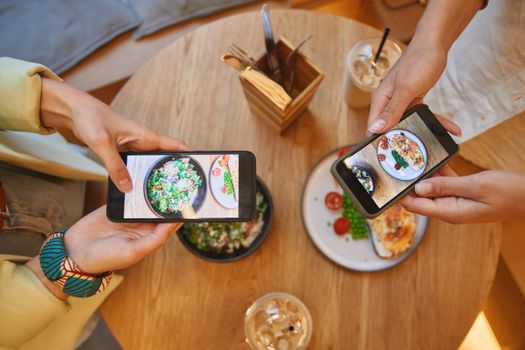
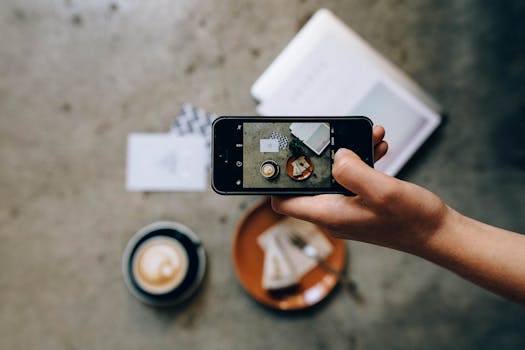
- The Overhead (Flat Lay) Shot: This is the Instagram darling, and for good reason. It works wonderfully for dishes with beautiful toppings (like a vibrant smoothie bowl or an elaborate pizza), or when you want to show off an entire spread (think brunch with friends, or a picnic basket laden with autumn treats). For flat lays, shoot directly from above, making sure your camera is perfectly parallel to the table to avoid distortion.
- The 45-Degree Angle (Eye Level): This is your versatile workhorse. It's great for showing off the depth and layers of a dish, like a towering burger, a slice of multi-layered cake, or a bowl of steaming ramen. It's also the most natural perspective, mimicking how you'd see the food when sitting at a table.
- The Straight-On Shot: Best for showcasing height and texture. Think a beautifully crafted cocktail, a stack of pancakes, or a perfectly poured coffee. This angle emphasizes the verticality of your subject.
- The Rule of Thirds: Imagine your frame divided into a tic-tac-toe grid. Place your main subject or key elements along these lines or at their intersections. This creates a more dynamic and engaging composition than simply centering everything.
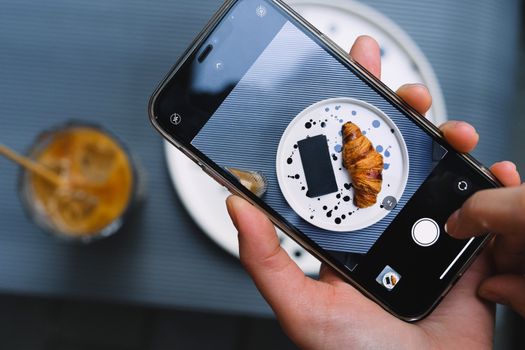
- Negative Space: Don't be afraid of empty areas around your food! Negative space helps draw attention to your subject and gives the image a clean, minimalist feel. A single croissant on a large white plate, for example, can be incredibly elegant.
- Depth of Field (Bokeh): This is the blurry background effect that makes your food "pop." Most modern smartphones (like the hypothetical iPhone 17 or Google Pixel 10 in 2025) have excellent "Portrait Mode" or "Aperture Mode" features that simulate this. For dedicated cameras, use a wide aperture (e.g., f/1.8 to f/2.8) and focus precisely on the most important part of your dish. This is fantastic for highlighting a specific ingredient or the texture of a sauce.
My best composition lesson came during a street food tour in Kyoto. I watched a local artist meticulously arrange a bento box, not just for eating, but for visual harmony. It taught me that every element on the plate, and in the frame, contributes to the overall story.
3. Beyond the Plate: Styling Your Story with Personality
Food photography isn't just about the food; it's about the story of the food. What's the context? Who's eating it? What does it feel like to be there? Styling is how you answer these questions.
From Props to Palettes:
- Thoughtful Props: These are your supporting cast. Think about what complements your dish and tells a story.
- Cutlery & Napkins: Simple, clean, and often overlooked. A crumpled linen napkin can add texture and an organic feel.
- Ingredients: A scattering of fresh herbs, a few whole spices, or a drizzle of olive oil can elevate a shot and hint at the flavors within.
- Hands: A hand reaching for a piece of bread, pouring a drink, or holding a coffee cup adds a human element and a sense of immediacy. Just make sure the hands are clean and well-manicured!
- Tableware: Unique plates, bowls, and glasses can add character. On a trip to a small ceramics village in Portugal, I picked up some rustic, hand-painted bowls. Now, a simple bowl of pasta looks like a gourmet experience when served in them.
- Color Theory: Think about complementary colors. A vibrant green pesto pasta looks stunning against a rustic red brick background. A bright orange pumpkin soup pops against a dark blue or grey plate. Don't be afraid of a single "pop" of color to draw the eye.
- Texture, Texture, Texture: Food is all about texture, and your photos should convey that. The crispy skin of roasted chicken, the fluffy interior of a pancake, the glistening surface of a sauce – use light and focus to emphasize these details.
- Embrace Imperfection: Not everything has to be pristine. A few crumbs around a cookie, a smear of sauce, or a half-eaten dish can make a photo feel more authentic, inviting, and real. It tells a story of enjoyment. Think of the steam rising from a hot bowl of ramen – that's a fleeting, perfect moment to capture.
- Keep it Authentic: While styling is important, don't overdo it. The goal is to enhance the food, not distract from it. Avoid clutter. Let the food be the star.
In September 2025, with harvest season in full swing, you'll find incredible natural props everywhere: colorful autumn leaves, small gourds, rustic wooden boards, and fresh produce from local markets. Incorporate these to truly capture the seasonal vibe.
4. Your Pocket Pro: Smartphone vs. Camera Gear for 2025
The good news? You don't need a professional DSLR to take incredible food photos anymore. The advancements in smartphone technology, especially by September 2025, have truly leveled the playing field.
What's in Your Bag (or Pocket) for 2025:
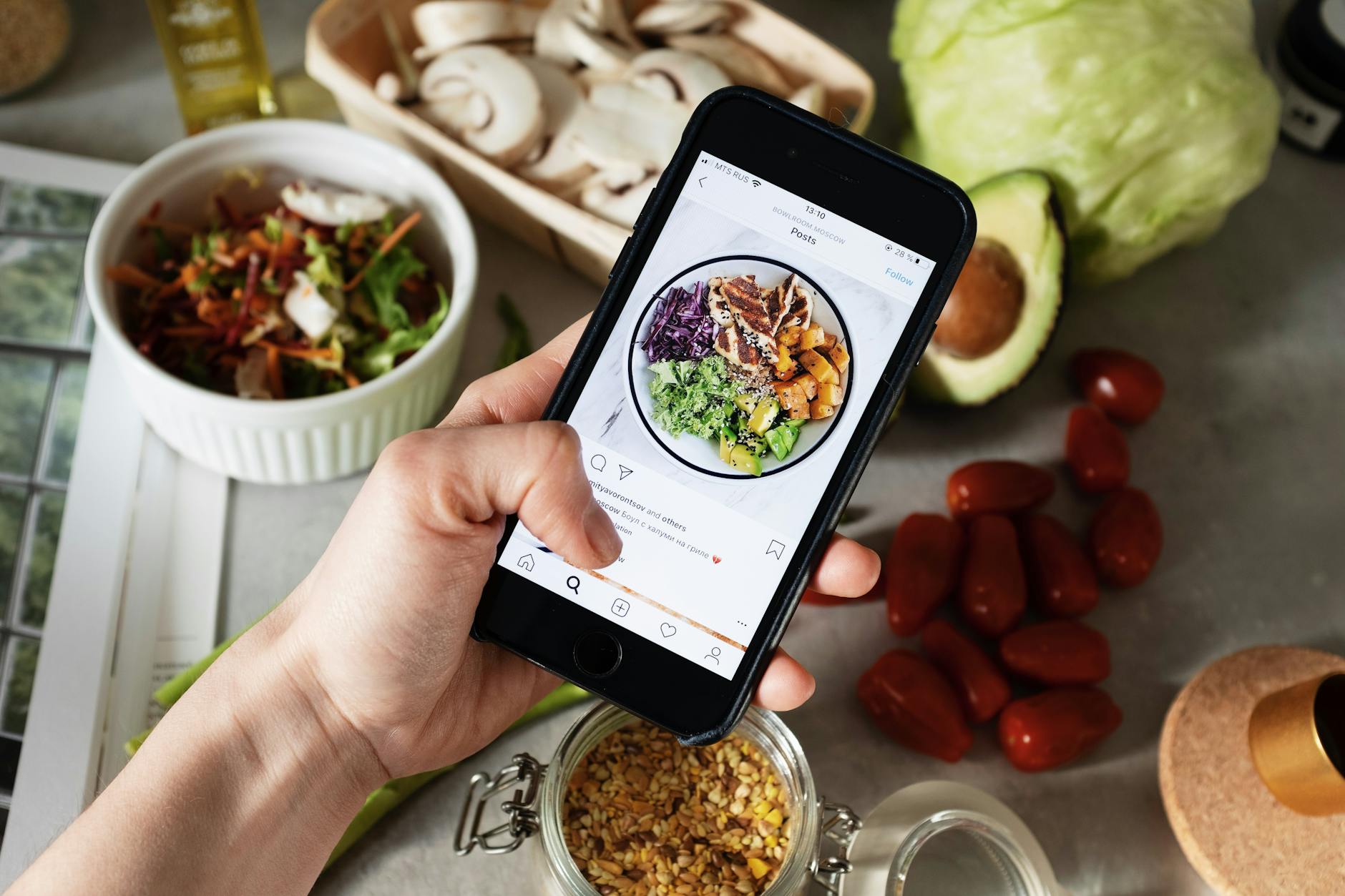
- The Smartphone Powerhouse (iPhone 17, Google Pixel 10, etc.):
- Computational Photography: This is where modern phones shine. Features like "Portrait Mode" (for that beautiful bokeh), "Night Mode" (for dimly lit restaurants), and advanced HDR (High Dynamic Range) are incredibly powerful.
- Macro Capabilities: Many 2025 flagship phones will likely have enhanced macro lenses, allowing you to get incredibly close to capture intricate details like the glistening seeds on a berry or the flaky layers of a pastry.
- Pro Modes: Dive into your phone's "Pro" or "Manual" mode. Learning to adjust exposure compensation, white balance, and even focus points can give you much more control.
- Accessories: A small, portable tripod (like a Joby Gorillapod) can stabilize your phone for sharper shots, especially in low light. A clip-on LED light can also be a lifesaver in tricky situations, just use it sparingly and softly.
- Mirrorless Cameras (If You're Serious):
- If you're looking to step up your game beyond smartphones, a mirrorless camera offers more flexibility with interchangeable lenses and larger sensors.
- Recommendations (circa 2025): Look for entry-to-mid-level models from brands like Sony (A6000 series successors), Fujifilm (X-T series or X-S series), or Canon (R series entry models). These offer fantastic image quality without being overly bulky.
- Lenses for Food:
- 50mm Prime Lens (f/1.8 or f/1.4): Often called the "nifty fifty," this lens is affordable, sharp, and excels in low light. Its wide aperture produces beautiful bokeh, making your food truly stand out. It's my go-to for most restaurant shots.
- Macro Lens: If food is your primary focus, a dedicated macro lens (e.g., 60mm or 100mm macro) allows for extreme close-ups, revealing incredible textures and details.
- Portable LED Panels: Small, dimmable LED lights can be invaluable for adding a touch of light or filling in shadows, especially when natural light is scarce. Just remember to use them subtly to maintain a natural look.
Honestly, my iPhone 17 (or whatever incredible device we have by then) will be my primary camera for 90% of my travel food photography. The convenience, instant sharing, and sheer power of these devices are unparalleled. Save the mirrorless for specific, planned shoots.
5. The Digital Kitchen: Editing Your Way to Perfection
Taking the photo is only half the battle; editing is where you truly refine your culinary masterpiece. A good edit can transform a decent photo into an extraordinary one, bringing out colors, textures, and that irresistible "eat me" quality.
Essential Editing Tools and Techniques for 2025:
- Mobile Editing Apps:
- Adobe Lightroom Mobile: My personal favorite. It's powerful, intuitive, and allows for both basic and advanced adjustments. Plus, you can sync presets across devices.
- Snapseed: A free, incredibly robust app from Google with a fantastic selective adjustment tool, perfect for brightening specific areas of your dish.
- VSCO: Known for its beautiful film-like filters, VSCO can add a cohesive aesthetic to your food photos, giving them a distinct mood.
- Basic Adjustments – Your Starting Point:
- Exposure: Brighten or darken the image. Aim for a well-exposed photo where details in both highlights and shadows are visible.
- Contrast: Adds punch and definition. Don't overdo it, or your food will look artificial.
- White Balance: Crucial for food! Adjust to remove unwanted color casts (like that yellow glow from my Roman debacle). Use the eyedropper tool in Lightroom to select a neutral grey or white in your photo for an accurate starting point.
- Highlights & Shadows: Recover detail in blown-out bright areas (highlights) and lift details from dark areas (shadows).
- Saturation & Vibrance: Enhance colors. Vibrance is generally more subtle, boosting muted colors without over-saturating already bright ones. Use sparingly; natural colors are always best.
- Food-Specific Enhancements:
- Clarity & Texture: These sliders in Lightroom or Snapseed can add definition and bring out the texture of your food – think crispy crusts or flaky pastry.
- Sharpening: Apply a touch of sharpening to make your food look crisp and inviting. Be careful not to over-sharpen, which can create an unnatural, grainy look.
- Selective Adjustments: Use tools to brighten specific areas (like the glistening sauce) or darken distracting elements in the background.
- Cropping & Straightening: Ensure your horizons are straight and crop to improve composition and remove distractions.
I remember a rainy afternoon in a cozy Berlin cafe, trying to photograph a gorgeous slice of Black Forest cake. The natural light was dim, and the photo looked flat. But with some careful adjustments in Lightroom – boosting shadows, cooling the white balance, and adding a touch of clarity – I transformed it into a vibrant, irresistible image that garnered dozens of comments. It's truly like magic!
6. Capture the Culinary Journey: Ambiance, People, and Process
Food photography isn't just about the finished dish. It's about the entire experience, the atmosphere, the people who create it, and the journey of the ingredients. To truly tell a compelling story, expand your visual narrative beyond just the plate.
Telling the Whole Story:
- The Setting (Atmosphere Shots): Capture the restaurant interior, the bustling market stall, the charming cafe facade, or the scenic backdrop of your picnic. These shots provide context and transport your viewers to the location. Think about the unique details – rustic wooden tables in a Tuscan farmhouse, colorful lanterns in a Vietnamese night market, or the elegant decor of a Michelin-starred restaurant.
- The People:
- Chefs & Cooks: A candid shot of a chef expertly plating a dish, or a street vendor skillfully flipping noodles, adds a human element and shows the artistry behind the food.
- Diners: Capture friends laughing over a meal, hands reaching for a shared dish, or someone taking that first blissful bite. These moments evoke emotion and make your content relatable. Always ask permission or be discreet if shooting strangers.
- Market Vendors: The smiling face of a farmer selling their autumn harvest at a local market can be incredibly powerful and authentic.
- The Process (Behind the Scenes):
- Preparation: Hands kneading dough, slicing fresh vegetables, pouring a sauce, or stirring a pot. These action shots can be incredibly engaging and highlight the craftsmanship.
- Serving: A waiter pouring wine, or a dish being presented at the table.
- Interactions: The steam rising from a hot dish, the sizzle on a grill, the fizz of a drink.
- Short Video Snippets (Reels & TikTok): In September 2025, short-form video is more important than ever. Don't just take photos; capture quick 5-15 second clips of the steam, the sizzle, the pouring, the mixing. Compile them into a dynamic Reel or TikTok to truly bring your culinary adventures to life. Show the journey from market to plate!
During a cooking class in Hoi An, Vietnam, I spent less time photographing the finished dishes and more time capturing the vibrant market visit, the chef's precise knife skills, and the joy on my fellow students' faces as they learned to roll spring rolls. Those photos and short video clips told a far richer story than any static dish photo ever could.
7. September 2025's Palate: Seasonal Delights & Photo Ops
September is a truly magical month for food, bridging the gap between late summer's bounty and the hearty flavors of autumn. By 2025, the focus on seasonal, local ingredients will be stronger than ever, offering incredible opportunities for stunning food photography.
Autumnal Flavors & Destinations to Capture:
- The Harvest Abundance:
- Apples & Pears: Think crisp apple tarts, warm apple cider, spiced pear compotes. A trip to an apple orchard in New England (USA) or Normandy (France) offers picturesque backdrops for capturing these fruits in their natural habitat. Prices for a bushel of apples might be around $20-30 USD, while a tasting flight of local ciders could be €10-€15.
- Pumpkins & Squash: Beyond the ubiquitous pumpkin spice latte (which, let's be honest, is still highly photogenic!), explore roasted squash dishes, pumpkin soups, and hearty stews. Capture them at farmer's markets, piled high in vibrant displays.
- Figs & Grapes: These delicate fruits are often at their peak in early September. Photograph a cheese board adorned with fresh figs and grapes, or capture the vibrant scenes of grape harvesting in regions like Tuscany, Italy, or Napa Valley, California. A wine-tasting tour in Tuscany might range from €50-€150, but the photo opportunities are endless.
- Mushrooms & Truffles: As the weather cools, wild mushrooms flourish. Consider a truffle-hunting experience in Alba, Italy, where you might pay €200-€300 for the guided hunt, but walk away with incredible photos of dogs sniffing out precious truffles and the resulting dishes.
- Hearty & Warming Dishes:
- Stews & Braises: Capture the rich, deep colors and textures of slow-cooked meats and vegetables. Use steam to your advantage!
- Baked Goods: Breads, pies, and crumbles, fresh from the oven, offer incredible photo ops. The golden crust, the bubbling filling – pure photogenic gold.
- Festivals & Events:
- Oktoberfest (Bavaria, Germany): While famous for beer, the food – pretzels, sausages, roasted chicken, hearty potato salads – is incredibly photogenic. Capture the festive atmosphere, the traditional outfits, and the massive portions. Expect to pay €12-€15 for a beer, and €10-€20 for a main dish.
- Local Harvest Festivals: Across Europe and North America, countless towns host harvest festivals celebrating local produce. These are treasure troves of authentic food, bustling markets, and community spirit – perfect for capturing the experience of food.
In September 2025, I'm personally planning a trip to the Pacific Northwest to capture the vibrant mushroom season and the incredible seafood. Imagine a perfectly seared scallop with a wild mushroom risotto, photographed with the misty Pacific coastline as a backdrop – that's the kind of shareable, bookmark-worthy content we're aiming for!
Your Culinary Story Awaits
From that disastrous Cacio e Pepe shot to countless viral moments, my journey through food photography has taught me one profound truth: it's not just about the gear, or even just the food. It's about passion, patience, and the joy of storytelling. Every dish has a narrative, every meal a memory waiting to be beautifully preserved.
So, as you embark on your culinary adventures this September 2025, remember these tips. Seek out the light, compose with intention, style with personality, use your tools wisely, edit with care, and capture the whole vibrant story. Your followers (and your future self!) will thank you.
Now, go forth, explore, and create some truly drool-worthy content! I can't wait to see what deliciousness you capture.
Share your stunning food photos with us! Tag @Tripsora and use #TripsoraFoodPro2025 on Instagram and TikTok. We might just feature your culinary masterpieces!
---