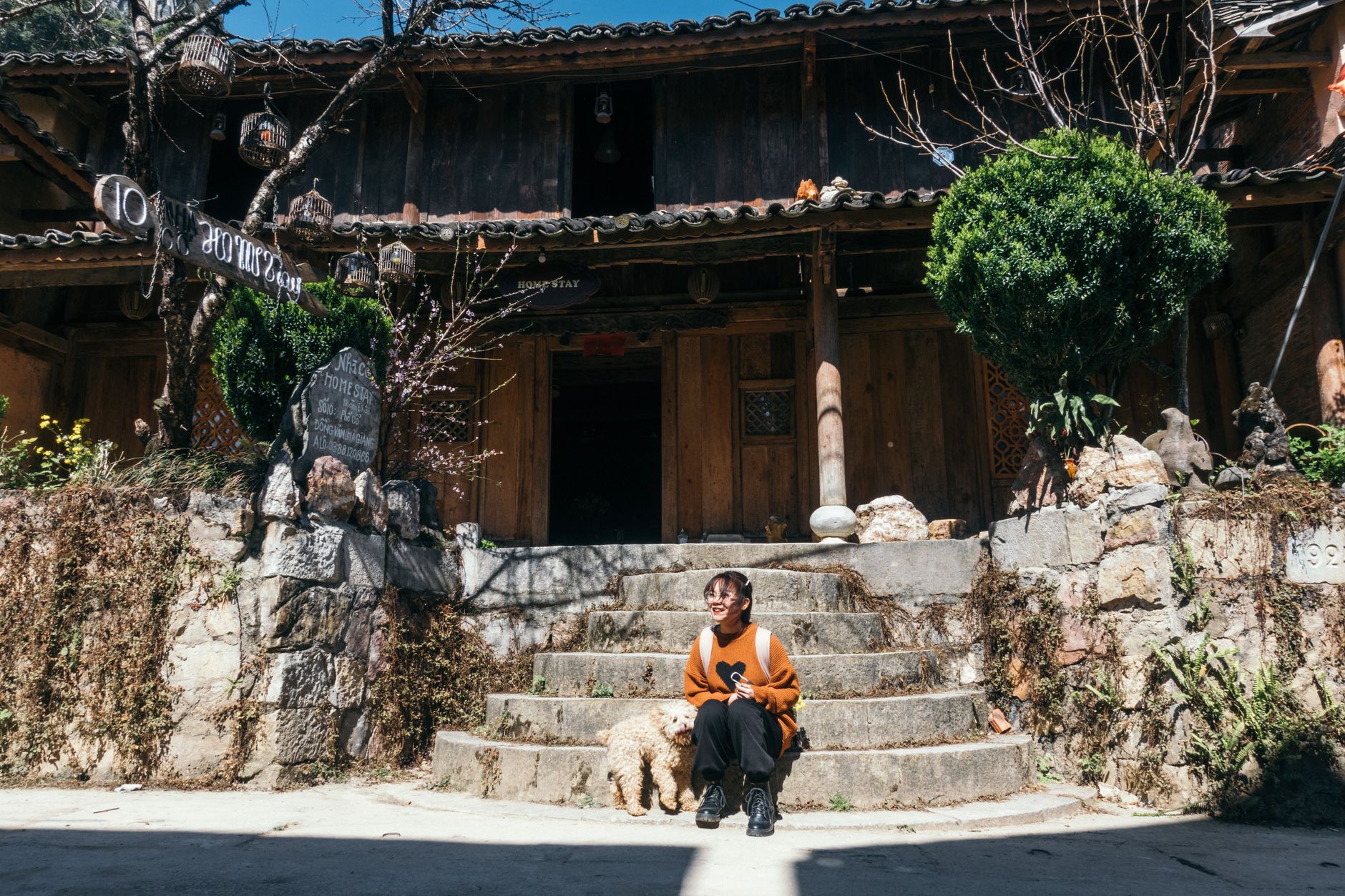
The year was 2015. I was sitting on a plastic stool in a bustling street food alley in Bangkok, scrolling through endless Instagram feeds of pristine infinity pools and perfectly plated resort breakfasts. My own breakfast was a delicious, messy bowl of jok (rice porridge) from a vendor who smiled with gold-capped teeth, but something felt… missing. I was "traveling," yes, but was I truly connecting with Thailand, or just observing it from behind a glass pane?
That feeling, that nagging sense of being an outsider looking in, was the catalyst. It pushed me away from the comfort of hotels and towards a decision that would fundamentally reshape my entire travel philosophy: homestays. And let me tell you, what I discovered living alongside locals – even for just a few days – unveiled layers of culture, truth, and genuine human connection that no guidebook, resort, or fancy tour package could ever deliver. These aren't just places to sleep; they're portals. And the insights? Well, some of them are the beautiful, messy, real truths locals often keep to themselves, not out of malice, but because most tourists simply aren't looking for them.
Let me take you on a journey through some of my most profound homestay experiences, the 'secrets' they revealed, and how you can unlock your own.
Beyond the Brochure: The Unfiltered Daily Rhythm of Rural Vietnam
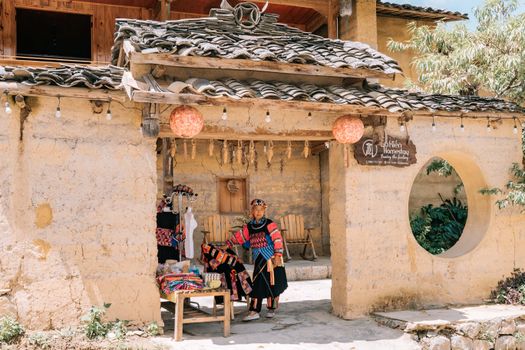
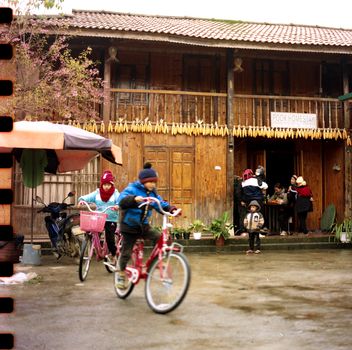
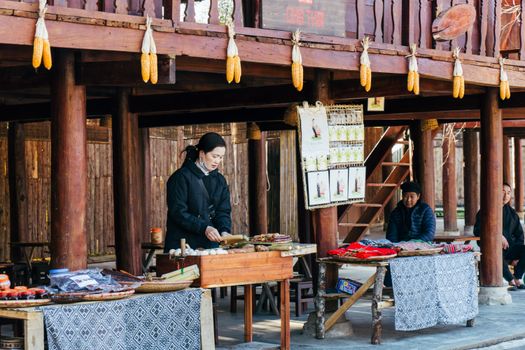
My first true dive into homestay culture was in Mai Chau, Vietnam. Far from the chaotic energy of Hanoi, this verdant valley is home to the White Thai ethnic minority. I’d booked a stay at a traditional stilt house through a small, local agency (costing roughly $25/night, including two meals!). I expected rustic charm; what I got was an immersion course in simplicity and resilience.
The "Secret" Locals Don't Want You to Know:
The sheer, unwavering effort behind their seemingly idyllic, tranquil life. Tourists often see the picturesque rice paddies, the women weaving intricate fabrics, the children playing. They romanticize it. But living there, even for a short time, you wake up with the sun, not to an alarm, but to the sounds of roosters and the distant clanging of pots. You see the calloused hands that tend the fields from dawn till dusk, the meticulous care that goes into preparing each meal from scratch, the communal effort required to maintain their way of life. There's no glamour, just honest, back-breaking work woven into a rich tapestry of community.
My host, a gentle woman named Hoa, didn't speak much English, but her actions spoke volumes. I helped her shell peanuts, watched her prepare sticky rice, and learned to appreciate the quiet rhythm of a life deeply connected to the land. It wasn't about luxurious amenities; it was about the luxury of presence, of seeing the world through her eyes. My perspective shifted from seeing 'quaint' to understanding 'sustained.'
Practical Tip:
Don't just observe; participate. If your host is cooking, offer to help chop vegetables. If they’re gardening, ask if you can lend a hand. Even simple gestures like clearing the table or washing dishes can bridge immense cultural gaps and show genuine respect. Embrace the mundane; it’s where the real story unfolds.
The Kitchen is the Classroom: Unlocking Culinary Heritage in Kerala, India
Food is the universal language, and nowhere did I learn this more profoundly than during a homestay in the backwaters of Kerala, India. I found a charming bungalow run by a family near Alleppey (around $40/night, including breakfast and dinner). My host, Mrs. Nair, was a matriarch with a laugh that echoed through their open-air kitchen, and a knowledge of spices that could rival any Michelin-starred chef.
The "Secret" Locals Don't Want You to Know:
The true heritage and stories behind their food, which go far beyond any restaurant menu. Most tourists flock to highly-rated eateries, sampling dishes that are often adapted for a global palate. But in Mrs. Nair's kitchen, I wasn’t just eating; I was learning the sacred rituals of South Indian cooking. She taught me to grind fresh coconut for curries, temper spices until they sang, and roll perfect dosas. Each ingredient had a story, each technique a history passed down through generations.
I realized that the 'authentic' experience isn't about finding the best restaurant; it's about understanding the heart and soul poured into a home-cooked meal. It's the difference between consuming food and participating in its creation. I learned that the true taste of Kerala isn't just the coconut and curry leaves, but the love and tradition infused into every bite.
Practical Tip:
Always, always accept an invitation to cook or help in the kitchen. It’s not just a cooking lesson; it's a window into family life, traditions, and an invaluable cultural exchange. Ask questions about the ingredients, the techniques, and the stories behind the dishes. You'll leave with more than just a full stomach; you'll have a piece of their culinary soul.
Bridging Worlds: Laughter, Language, and Breaking Stereotypes in Japan
Japan, with its intricate customs and language barrier, seemed like an intimidating place for a homestay. Yet, a week with the Tanaka family in a quiet suburb of Kyoto (a delightful Airbnb homestay for about $60/night) proved to be one of my most heartwarming and stereotype-shattering experiences. Mr. Tanaka, a retired schoolteacher, and his wife, a calligraphy artist, welcomed me with a warmth that transcended words.
The "Secret" Locals Don't Want You to Know:
Their genuine curiosity about your life, and the quiet effort they make to bridge cultural gaps, often fearing misunderstanding. Tourists often feel they're the ones doing the cultural exploration, but hosts are just as fascinated by their guests. The Tanakas, despite limited English, used a translation app, hand gestures, and an abundance of patience to share their daily lives. We communicated through shared laughter over silly mistakes, through the universal language of food, and through the quiet reverence of a tea ceremony.
I learned that while Japanese culture is often perceived as reserved, the warmth and openness within a family setting are boundless. They didn't just host me; they adopted me, sharing insights into everything from local festivals to the best way to fold laundry (yes, really!). My perspective on Japan shifted from a land of polite formality to one of deep, understated human connection. I also realized how often tourists inadvertently reinforce stereotypes by not engaging beyond the superficial.
Practical Tip:
Learn a few basic phrases in the local language (hello, thank you, please). Even a small effort shows respect. Don't be afraid of miscommunication; embrace the humor in it. Use translation apps, but also rely on body language, drawings, and genuine smiles. Most importantly, ask questions about their lives, not just about tourist attractions.
The Hidden Economy: Truly Supporting Local in Monteverde, Costa Rica
In the cloud forests of Monteverde, Costa Rica, I consciously sought out a homestay that emphasized sustainability and community benefit. I found "Casa Alegre" (around $35/night, including breakfast), a small guesthouse run by Maria and her family, who were deeply involved in eco-tourism.
The "Secret" Locals Don't Want You to Know:
The struggle against mass tourism and the desire for respectful, direct engagement that benefits their families and communities, not just international corporations. Many tourists believe they're supporting locals by visiting a country, but often their money ends up in the hands of foreign-owned resorts or tour operators. Staying with Maria, I saw firsthand how my payment directly contributed to her children's education, to maintaining their small farm, and to initiatives within their village.
Maria took me on a walk through her garden, pointing out medicinal plants and explaining how they grow much of their own food. She connected me with a local guide for a bird-watching tour, ensuring that another local family benefited. This experience profoundly changed my understanding of responsible tourism. It's not just about recycling; it's about where your money goes and the direct impact it has on real people's lives.
Practical Tip:
Research homestays that explicitly state their commitment to community development or sustainable practices. Ask your hosts about local artisans, small businesses, or community projects you can support directly. Your choices have a powerful ripple effect, and your host can be your best guide to making a positive impact.
Beyond the Tourist Trail: Unveiling Secret Spots & Local Wisdom in Morocco
My homestay in a small village near Chefchaouen, Morocco, was less about a specific accommodation and more about an experience arranged through a local guide (part of a multi-day trek, cost integrated but roughly $50/night for food and lodging). We stayed with a Berber family, high in the Rif Mountains, far from any paved road.
The "Secret" Locals Don't Want You to Know:
Their favorite quiet spots, the oral histories that aren't in guidebooks, and the true, unhurried pace of life away from the commercialized hustle. Tourists often chase Instagram-famous locations, but the real magic lies in the moments shared in places only locals know. Our host, Fatima, with her infectious laugh and warm eyes, led me to a hidden spring where children played, showed me ancient olive trees that predated her grandparents, and shared tales of djinn (spirits) whispered around the evening fire.
I learned that the most breathtaking views aren't always signposted, and the most profound stories aren't always written down. They're woven into the fabric of daily life, into the landscape, and into the memories of generations. This experience taught me to let go of my itinerary and trust the wisdom of those who know the land best. It was pure, unadulterated discovery.
Practical Tip:
Be open to spontaneity. Ask your host about their favorite local spots – a quiet viewpoint, a specific market stall, a local cafe. They might take you somewhere truly special that no tour bus could ever reach. Embrace the unexpected detours; they often lead to the most memorable adventures.
The Gift of Presence: How Homestays Change YOU
Each of these homestay experiences, and many others I've had, has chipped away at my preconceived notions of travel. They’ve replaced sterile observation with vibrant participation, superficial encounters with deep connections, and fleeting memories with lasting transformations.
The "Secret" Locals Don't Want You to Know:
How much they appreciate genuine interest, respect, and a willingness to simply be present. They don't want you to know how much your visit, when done with an open heart, can inspire them too, reinforcing the value of their culture and traditions in a world increasingly homogenized. When you sit at their table, share their stories, and respect their way of life, you're not just a tourist; you become, for a precious moment, family.
I used to pack my bags with a checklist of sights to see. Now, I pack with an open mind and a yearning for human connection. I seek out homestays, not just for a bed, but for a window into a life different from my own. I've learned to slow down, listen more than I speak, and find beauty in the everyday. I've learned that the greatest souvenir isn't a trinket, but a changed perspective.
Practical Tip:
Put down your phone. Engage. Listen. Ask questions. Be respectful of customs, even if they're unfamiliar. Offer to help. Bring a small, thoughtful gift from your home country. Most importantly, be present and allow yourself to be vulnerable to the experience. It’s in these moments of shared humanity that true travel magic happens.
---
Conclusion: Your Next Adventure Awaits – Beyond the Tourist Veil
If you're reading this, you're probably like the "old me" – seeking something more from your travels. Homestays are your answer. They are not just an alternative to hotels; they are a philosophy, an invitation to step off the well-trodden path and into the heart of a culture. They offer an unparalleled opportunity to learn, grow, and connect in ways that will stay with you long after your luggage is unpacked.
So, are you ready to unlock these local secrets? Are you ready to trade the predictable for the profound? I urge you to book a homestay for your next adventure. Seek out those hidden gems, those local families, and prepare to have your perspective changed in the most beautiful, unforgettable ways.
What's your most memorable local experience? Share it in the comments below! And don't forget to tag #TripsoraHomestayAdventures on Instagram with your own incredible local finds!
---