The Ultimate Fuel Hack: How to Find the Cheapest Gas Stations Worldwide That Will Blow Your Mind
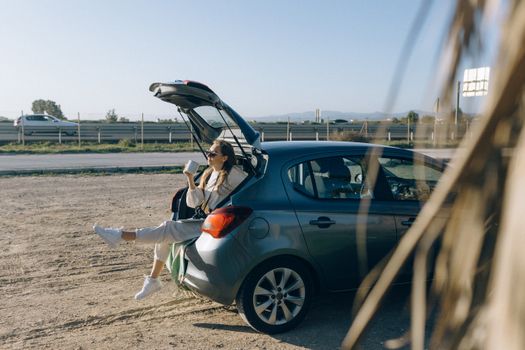
There I was, cruising through the sun-drenched plains of Andalusia, Spain, the Mediterranean glinting in the distance. My trusty camper van, affectionately named "Rocinante," was humming along, and my heart was full. Then, the dreaded happened: the fuel light blinked. A quick glance at the dashboard confirmed my fears – I was running on fumes, and the nearest gas station sign on the highway indicated prices that would make a sheikh blush. My meticulously planned budget, usually as sturdy as Rocinante’s chassis, suddenly felt as fragile as a tortilla chip.
I pulled off at the next exit, a small, dusty village seemingly forgotten by time. My GPS, usually my infallible co-pilot, offered no solace for cheap fuel. Panic started to set in. Then, an old man tending a flock of sheep by the roadside, noticing my frantic circling, simply pointed down a narrow, unpaved lane. Skeptical but desperate, I followed his finger. And there it was: a tiny, family-run petrol station, hidden from the main road, offering diesel at a price almost 20% lower than the highway giants. My jaw dropped. It was a moment of pure travel magic, a reminder that the best secrets are often found off the beaten path, and sometimes, with a little help from a local shepherd.
That day in Spain taught me a crucial lesson: finding cheap gas isn't about luck; it's about strategy, local knowledge, and leveraging the right tools. Over the years, crisscrossing continents from the bustling streets of Bangkok to the remote outback of Australia, I’ve refined my fuel-finding game to an art form. And today, my fellow wanderlusters, I'm going to share those mind-blowing secrets with you. Get ready to transform your road trips, save a fortune, and never again let fuel costs dictate your adventure!
Section 1: Your Digital Co-Pilot: Mastering Fuel-Finding Apps & Websites
In the age of smartphones, there's no excuse for paying full price at the pump. Your phone is your most powerful weapon in the quest for cheaper fuel, but only if you know which apps to trust and how to use them effectively.
The Global Go-To’s:
- GasBuddy (North America & Australia): This is the undisputed champion in North America. GasBuddy crowdsources real-time gas prices from millions of users, allowing you to find the cheapest fuel near you, along your route, or in a specific city. You can filter by fuel type, brand, and even amenities. Their "Pay with GasBuddy" card often offers additional discounts, making it a must-have for anyone road-tripping in the US or Canada. While its global reach is limited, where it operates, it's gold.
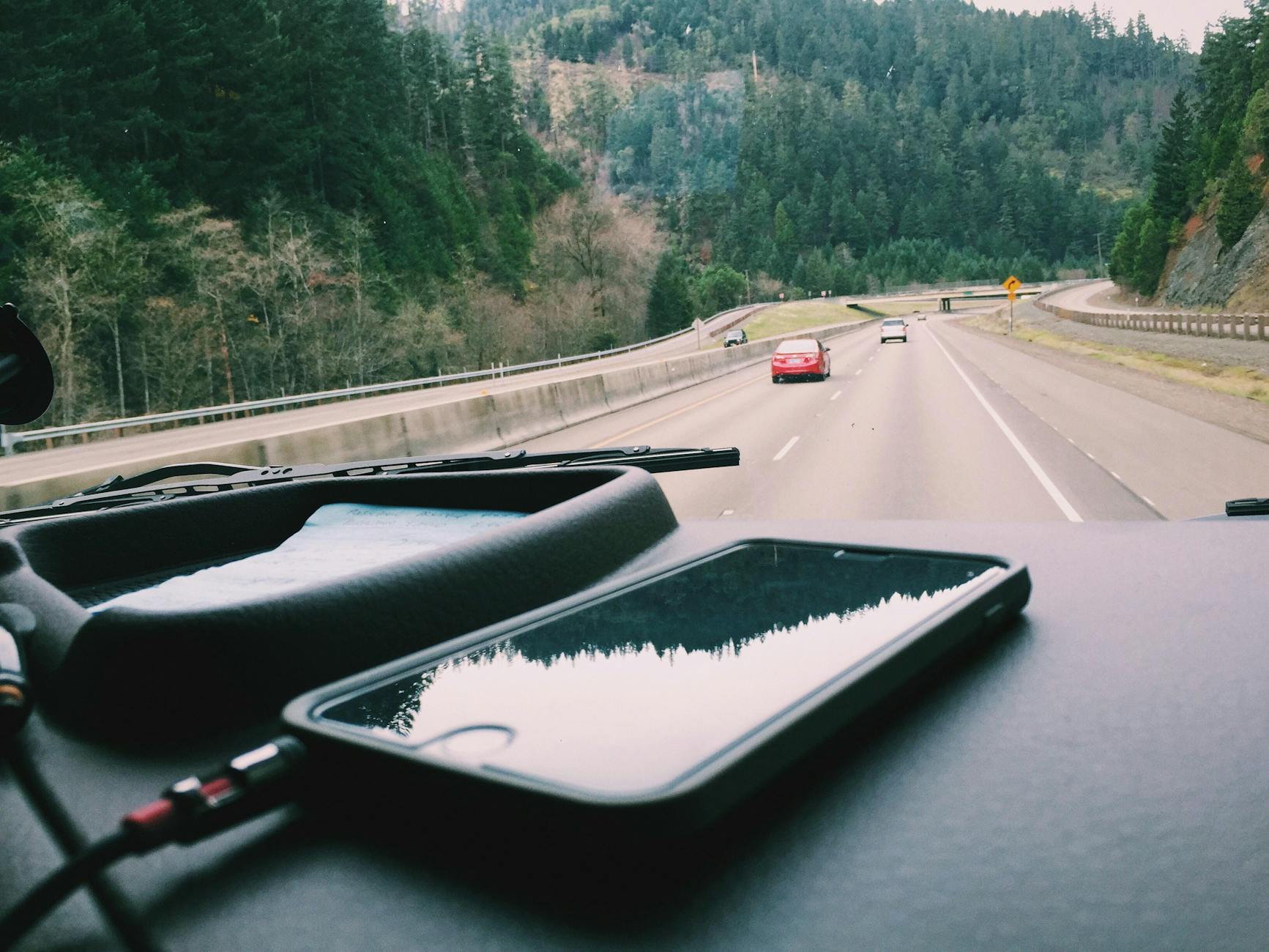
- Waze (Global): More than just a navigation app, Waze is a community-driven platform where users report everything from traffic jams to speed traps and, crucially, gas prices. While not its primary function, Waze’s real-time updates can be incredibly accurate, especially in densely populated areas. I've used Waze successfully to spot cheaper stations in places like Brazil and Israel where dedicated fuel apps were scarce. Just make sure to check the 'last updated' time on the price.
- Google Maps (Global): Often overlooked for its fuel-finding capabilities, Google Maps actually displays gas prices directly on its map interface in many countries. When searching for "gas stations near me," it will often show prices for nearby pumps. While not always as comprehensive or real-time as dedicated apps, it's a fantastic fallback, especially in countries where other apps might not have strong user bases. I’ve found it particularly useful in Western Europe and parts of Asia.
Country-Specific Champions (Do Your Homework!):
Before any international road trip, a quick Google search for "[Country Name] gas price app" is essential. Many countries have their own localized apps that are far more accurate and widely used than global alternatives.
- Europe: Apps like "PetrolPrices.com" (UK), "Clever Tanken" (Germany), "Essence&Co" (France), and "Prezzi Benzina" (Italy) are indispensable. These apps often leverage government data or large user communities to provide highly accurate, real-time prices.
- Australia: Beyond GasBuddy, "FuelWatch" (Western Australia) and "MyFuelNT" (Northern Territory) are official government apps that provide mandatory real-time price reporting, giving you unparalleled accuracy.
- South America/Asia: This is where it gets trickier, and local knowledge, combined with Waze or Google Maps, becomes paramount. In places like Argentina or Thailand, I often rely on asking locals or using Google Maps to identify stations and then cross-referencing with Waze for any reported prices.
Pro Tip for Digital Nomads:
Always download offline maps for your route before you lose signal. Many gas stations, especially in rural areas, might not have the best connectivity, rendering your real-time apps useless without a pre-loaded map. And remember, user-generated data is only as good as its last update – always do a quick visual check of the price board before committing!
Section 2: The Art of Timing & Location: When and Where to Fill Up
It's not just what you use, but when and where you fill up that can lead to significant savings. Gas prices are notoriously volatile, influenced by everything from global oil markets to local taxes and even the day of the week.
The "When" – Timing Your Tank:
- Day of the Week: This is a classic trick. Prices often creep up on Thursdays and Fridays in anticipation of weekend travel, only to drop slightly on Mondays or Tuesdays when demand is lower. If you can, aim to fill up early in the week. I once saved nearly $15 on a full tank in California by simply waiting until Monday morning instead of filling up on Sunday evening.
- Time of Day: While less impactful than the day of the week, some stations adjust prices in the early morning or late evening. Filling up during off-peak hours can sometimes yield a marginal saving, but the primary benefit is avoiding long queues.
- Holidays & Events: Avoid filling up right before or during major holidays or large local events. Demand surges, and so do prices. Plan ahead and top off your tank a few days prior if possible.
The "Where" – Location, Location, Location:
This is where the real magic happens and where my Spanish shepherd story truly comes alive.
- Avoid Highway Service Stations: This is rule number one. Highway rest stops and service stations almost universally charge a premium for the convenience. They know you're often desperate and have limited options. Always, always try to exit the highway and look for stations in nearby towns or villages. My 20% saving in Spain was exactly this principle in action.
- Border Towns & Tax Havens: Keep an eye out for border towns. Depending on tax structures, gas can be significantly cheaper on one side of a border than the other. I've seen dramatic price differences between Slovenia and Italy, or even between different states in the US (e.g., Oregon vs. California). Always research border prices before crossing. Similarly, some regions or countries have lower fuel taxes – do your research! For example, Kuwait consistently has some of the cheapest gas in the world due to subsidies.
- Independent vs. Brand Name: While brand-name stations often offer loyalty programs (which we'll cover next), independent stations, especially in rural areas, can sometimes offer surprisingly competitive prices. They have lower overheads and can be more agile with pricing. Don't dismiss them outright; they can be hidden gems.
- Supermarket Fuel Stations: Many large supermarket chains (e.g., Tesco and Sainsbury's in the UK, various chains in Australia) operate their own fuel stations. These are often aggressively priced to draw customers into their stores and can be among the cheapest options around. I make a point of checking these first whenever I'm in a country with this model.
Section 3: Loyalty, Rewards & The Power of Plastic: Credit Card & Program Hacks
Beyond finding the cheapest station, you can further reduce your costs by strategically using loyalty programs and credit cards. Think of it as stacking discounts – finding the cheapest base price, then shaving even more off the top!
Gas Station Loyalty Programs:
Many major fuel brands offer their own loyalty programs. Sign up for them! They are usually free and can offer cents-per-gallon/liter discounts, points that convert to fuel savings, or even exclusive member-only pricing.
- Shell Fuel Rewards: In many countries, this program offers instant savings at the pump, often tiered based on how much you spend or link with other programs.
- ExxonMobil Rewards+: Similar to Shell, offering points that convert to savings.
- Local Programs: In Australia, Woolworths and Coles (major supermarkets) often have fuel discounts tied to grocery purchases. In Canada, Petro-Canada has a robust rewards program. Do a quick search for the major fuel brands in your destination country and sign up for their programs before you hit the road. It takes minutes and can save you significant cash over a long trip.
Supermarket Fuel Points & Memberships:
This is a huge one, especially in countries like the UK, Australia, and parts of Europe. Many supermarkets offer fuel points or direct discounts when you spend a certain amount on groceries. I once saved £10 on a tank of diesel in Scotland simply because I had done my weekly grocery shop at a participating supermarket! Always check your grocery receipts for fuel vouchers or points.
Credit Card Rewards:
- Cash Back Cards: Many credit cards offer bonus cash back categories, and gas is a frequent one. Some cards offer 3-5% cash back on gas purchases year-round, or rotate gas as a quarterly bonus category. Make sure you're using a card that maximizes your rewards for fuel.
- Travel Rewards Cards: While not directly gas-specific, using a travel rewards card for all your purchases (including gas) can accumulate points that you can later redeem for flights, hotels, or even a statement credit, effectively reducing your overall travel costs.
- No Foreign Transaction Fees: If you're traveling internationally, ensure your credit card has no foreign transaction fees. These fees, typically 2-3% of each transaction, can quickly negate any savings you make on gas, especially if you're filling up frequently. This is a non-negotiable for international travel.
Membership Discounts:
In some regions, memberships like AAA (US/Canada), Costco (global), or certain auto clubs offer fuel discounts at participating stations. Check if your existing memberships have any international reciprocal benefits or local partnerships.
Section 4: The Human Element: Local Insights & Manual Reconnaissance
While apps are powerful, they're not infallible, especially in less-developed regions or when signal is scarce. Sometimes, the best information comes from the most ancient of sources: talking to people and using your eyes.
Ask the Locals:
This is perhaps my favorite and most effective method, leading to my Spanish shepherd encounter. Locals know their area best.
- Hotel/Hostel Staff: They often know where the cheapest gas stations are, especially if they drive themselves.
- Shopkeepers & Restaurant Owners: While grabbing a coffee or a meal, politely ask where they recommend filling up. They might point you to a hidden gem or advise you to wait until the next town.
- Fellow Travelers: Strike up conversations at campsites, rest stops, or popular tourist spots. Other road-trippers are often happy to share their recent findings. I’ve received invaluable tips from fellow overlanders in places like Patagonia, where gas stations can be few and far between.
Observe and Learn:
- Look for Queues: If you see a gas station with a noticeably longer queue than others, especially with local vehicles, it's a strong indicator that their prices are competitive. Locals aren't queuing for fun; they're queuing for savings.
- Avoid Tourist Traps: Just like restaurants, gas stations near major tourist attractions or city centers tend to be more expensive. Venture a few blocks away.
- Check Price Boards: When driving into a new town or area, keep your eyes peeled for gas station price boards. Many stations prominently display their prices, allowing you to compare at a glance. Sometimes, simply driving a few extra minutes can yield significant savings. I recall driving through rural France, spotting a small station advertising prices significantly lower than the big brands, and doing a quick U-turn – totally worth it!
The "Pump Attendant" Factor:
In some countries (e.g., parts of South America, Africa, and even some European countries), gas stations have attendants who fill your tank. Don't be shy to ask them about prices in the area or if they know of any promotions. They are often a wealth of information.
Section 5: Beyond the Pump: Your Driving Habits and Vehicle Maintenance
Finding cheap gas is only half the battle. The other half is making that gas last as long as possible. Fuel-efficient driving isn't just about saving money; it's about reducing your environmental footprint and enjoying a smoother, safer journey.
Mastering Fuel-Efficient Driving:
- Smooth Acceleration & Braking: Aggressive driving is a fuel killer. Accelerate gently and anticipate traffic to avoid hard braking. Every time you stomp on the gas or brake, you're wasting fuel. Think of it as a dance, not a race.
- Maintain a Steady Speed: Highway driving at a consistent speed, ideally around 55-65 mph (90-105 km/h), is generally the most fuel-efficient. Using cruise control on flat terrain can help maintain this. Remember, aerodynamics play a huge role – the faster you go, the more fuel you burn fighting air resistance.
- Avoid Excessive Idling: If you're going to be stopped for more than 30 seconds (e.g., waiting for someone, at a long train crossing), turn off your engine. Modern cars use virtually no fuel to restart, and idling simply burns gas for no forward progress.
- Plan Your Route: Avoid heavy traffic whenever possible. Stop-and-go driving is incredibly inefficient. Use navigation apps like Waze or Google Maps to find routes with less congestion, even if they're slightly longer in distance.
- Lighten Your Load: Every extra pound (or kilo) your vehicle carries requires more fuel to move. Remove unnecessary items from your trunk or roof rack. Those heavy camping chairs you haven't used in weeks? Take them out!
Vehicle Maintenance is Key:
- Tire Pressure: This is a big one. Underinflated tires increase rolling resistance, forcing your engine to work harder. Check your tire pressure regularly and keep it at the manufacturer's recommended level (usually found on a sticker inside your driver's side door jamb or in the owner's manual). I once gained an extra 50 miles on a tank in my old sedan just by properly inflating my tires!
- Regular Tune-Ups: A well-maintained engine runs more efficiently. Ensure your spark plugs, air filter, and oil are changed according to your vehicle's service schedule. A dirty air filter alone can significantly reduce fuel economy.
- Oil Type: Use the manufacturer-recommended oil viscosity. The right oil reduces engine friction, leading to better fuel economy.
- Aerodynamics: Close your windows at highway speeds. Open windows create drag. If you have a roof rack, remove it when not in use, as it significantly impacts aerodynamics and fuel consumption.
Section 6: Regional Spotlights: Where Gas Gets Wild (and Wonderful!)
Gas prices are a global lottery, varying wildly based on taxes, subsidies, local demand, and geopolitical factors. Knowing which regions are generally cheaper or more expensive can help you plan your budget and routes more effectively.
The "Wonderful" – Generally Cheaper Gas:
- Parts of the Middle East: Countries like Kuwait, Saudi Arabia, and the UAE often have incredibly low gas prices due to oil subsidies and production. You can often fill up for cents per liter. I’ve seen prices in Kuwait that made me wish I had a bigger tank!
- United States: While fluctuating, the US generally has some of the cheaper gas prices among developed nations, particularly in states with lower fuel taxes like Texas, Mississippi, or Missouri.
- Some Eastern European Countries: Countries like Poland, Romania, and Bulgaria often have more competitive fuel prices compared to their Western European counterparts. Road-tripping through the Balkans can be surprisingly budget-friendly on fuel.
- Mexico: Generally cheaper than the US, though quality can vary. Always fill up at reputable stations like Pemex.
The "Wild" – Generally More Expensive Gas:
- Most of Western Europe: Countries like Norway, the Netherlands, Italy, France, and Germany consistently have some of the highest fuel prices globally, largely due to high taxes. Be prepared to pay a premium here – sometimes double or triple what you'd pay in the US. My jaw dropped when I saw €2.20/liter in rural Italy once!
- Hong Kong: Known for its extremely high cost of living, gas prices here are no exception.
- Singapore: Another island nation with high import costs and taxes, leading to expensive fuel.
- Remote Locations: Regardless of the country, gas in extremely remote areas (e.g., the Australian outback, isolated parts of Canada or Alaska, distant islands) will almost always be significantly more expensive due to transportation costs. Plan your fuel stops meticulously in these regions.
A Word on Fuel Types:
Always double-check the fuel type your vehicle requires. Diesel, E10, E85, Premium Unleaded – the nomenclature varies widely by country. Using the wrong fuel can lead to costly engine damage. When in doubt, ask an attendant or consult your owner's manual. I once saw a tourist accidentally put diesel in a petrol car in Germany – a very expensive mistake!
Conclusion: Your Wallet-Friendly Road Ahead
Finding cheap gas worldwide isn't just about saving money; it's about empowering your adventures, extending your travels, and reducing the stress of an ever-dwindling travel budget. From leveraging cutting-edge apps to embracing ancient wisdom from local shepherds, you now have a comprehensive arsenal of strategies to conquer fuel costs.
Imagine the extra nights at a charming guesthouse, the delicious street food you can now afford, or that spontaneous detour to a hidden waterfall – all thanks to being smart at the pump. My journey with Rocinante has been filled with such moments, proving that a little preparation and savvy fuel-finding can unlock incredible experiences.
So, what are you waiting for? Download those apps, map out your next adventure, and get ready to fill up smarter, not harder. Your wallet (and your wanderlust) will thank you!
Have you discovered any incredible cheap gas hacks on your travels? Share your tips and personal stories in the comments below! Let's build the ultimate community resource for budget-savvy road-trippers! And don't forget to share this post with your fellow adventurers – let's help everyone blow their minds, not their budgets!
---