The Hook: Mud, Canopy Calls, and the Broken Line
I stepped off the local night bus in Puerto Jiménez at 4:30 AM, hit by a thick wall of air smelling of damp humus, salt spray, and bruised guavas. My Blundstones squelched into deep red clay as the jungle woke up—a deafening chorus of howler monkeys and cicadas rattling the palms overhead.
I was standing on the edge of Costa Rica’s Osa Peninsula, a patch of land holding 2.5% of the planet's total biodiversity. Yet, just fifty yards down the road, an empty pasture carved a 300-meter scar through the canopy. A female Geoffroy’s spider monkey sat at the forest edge, clutching her young, staring across the treeless gap toward a fruiting fig tree. She couldn't cross. The ground meant exposure to dogs, cars, and poachers.
That broken treeline is habitat fragmentation in real time. According to recent global conservation data published in Science and IPBES updates, over 70% of the world’s remaining forests now sit within just one kilometer of an artificial edge. Animals are trapped on biological islands.
The good news? The same data reveals that establishing structural wildlife corridors increases species movement between patches by an incredible 50% compared to un-connected habitats. Better yet, you don’t need a PhD in ecology to help mend these broken lines. Here are five crucial wildlife corridors around the world where travelers can roll up their sleeves and make an immediate, measurable impact.
---
1. The Yellowstone to Yukon (Y2Y) Corridor: Reconnecting the Spine of North America
Spanning 3,400 kilometers across two nations, five U.S. states, two Canadian territories, and dozens of First Nations territories, the Yellowstone to Yukon Initiative (Y2Y) is the gold standard of landscape-scale connectivity. Recent spatial tracking data on grizzly bears and wolverines confirms that uninterrupted northern migration routes are essential for genetic diversity as climate change shifts their natural ranges northwards.
```
[Yellowstone NP] <======== Wildlife Corridors ========> [Yukon Territory]
(Fence Pulling & Overpasses)
```
What Needs Maintenance
Legacy barbed-wire fencing from historic ranching acts as a lethal barrier to pronghorn antelope, elk, and mule deer. Meanwhile, highways cut through critical valley bottoms.
How You Can Help On the Ground
* Fence Pulling Work Parties: Join community citizen-science crews working alongside groups like the Nature Conservancy of Canada or local watershed alliances. A single weekend team can strip and roll three miles of unused, sagging barbed wire, replacing the bottom strand with smooth wire set 18 inches off the ground so fawns can duck beneath safely.
* Overpass Monitoring: Volunteer for road-watch programs logging roadkill locations using mobile apps like iNaturalist or regional wildlife track logging apps. This crowdsourced data directly informs where state and provincial departments of transportation build multi-million-dollar wildlife overpasses.
> Pro-Tip: Head to the Bow Valley region near Canmore, Alberta. Book a session with local stewardship groups in early June. Work starts at 7:30 AM before the summer heat spikes, and you’ll need heavy leather-palmed rigging gloves (not standard garden gloves) to handle rusty 12-gauge wire.
---
2. The Osa Conservation Bio-Corridor: Canopy Bridges in Costa Rica
Costa Rica’s Osa Peninsula hosts the Corcovado National Park, but its surrounding buffer zones have historically been sliced up by cattle farming and palm oil plantations. Recent thermal drone monitoring by Osa Conservation revealed that endangered primates and arboreal anteaters refuse to cross open terrain, isolating populations in shrinking forest pockets.
```
[Corcovado Nat'l Park] === (Canopy Trees & Rope Bridges) === [Piedras Blancas NP]
```
What Needs Maintenance
Restoring native forest corridors connecting Corcovado to the mainland’s Piedras Blancas National Park requires planting fast-growing pioneer trees and installing canopy rope bridges over rural roads.
How You Can Help On the Ground
* Native Tree Propagation: Spend your mornings working at the Osa Conservation Native Tree Nursery, bagging soils, processing wild-harvested seeds from cattley guava and mountain almond, and planting saplings along mapped corridor strips.
* Canopy Monitoring: Aid researchers in checking camera traps set 80 feet up in the canopy to verify which animal species are using newly restored arboreal pathways.
> Pro-Tip: The hidden entrance to the Osa Conservation Science Station is located 14 kilometers past the Rio Tigre crossing near Cabo Matapalo. Skip the commercial eco-lodges and apply directly for their volunteer residency program. Avoid visiting during the heavy rains of October; late January through March provides optimal planting conditions without washed-out access tracks.
---
3. The European Green Belt: Iron Curtain to Ecological Lifeline
For over forty years, the Iron Curtain divided East and West Europe with minefields, walls, and guarded border zones. Paradoxically, this no-man's-land created an unintended 12,500-kilometer ecological sanctuary stretching from the Barents Sea to the Black Sea.
Recent European Environment Agency (EEA) spatial reports highlight the Green Belt as the single most critical north-south migratory corridor for European brown bears, wolves, and Eurasian lynx trying to navigate an otherwise hyper-developed continent.
```
[Barents Sea] ------------ (12,500km Iron Curtain Belt) ------------ [Black Sea]
(Trail Work & Scrub Clearing)
```
What Needs Maintenance
Encroaching commercial agriculture, abandoned infrastructure removal, and invasive plant species threaten to choke out open-land habitats needed by native birds and large carnivores.
How You Can Help On the Ground
* Scrub Clearing in the Harz Mountains (Germany): Work alongside the BUND (Friends of the Earth Germany) clearing dense invasive brush that chokes out heathland corridors used by the European wildcat.
* Balkan Green Belt Trail Maintenance: Join international work camps along the border of North Macedonia and Albania. Volunteers re-blaze trails, clean water points, and build erosion control barriers to route hikers along designated paths, preserving quiet breeding zones for the critically endangered Balkan lynx.
> Pro-Tip: Base yourself in the historic village of Westernohe. Take the 6:15 AM regional bus to the border museum trailheads. The local bakery (Bäckerei Klink) serves up the best Mohnschnecken (poppy seed rolls) to fuel a 10-hour day of trail maintenance.
---
4. The Maya Golden Landscape Corridor: Belize’s Jaguar Highway
In southern Belize, the Maya Golden Landscape connects the Maya Mountains to the coastal marine reserves of the Caribbean Sea. Recent camera-trap array data from the Ya'axché Conservation Trust reveals that big cats—including jaguars, pumas, and ocelots—depend heavily on private biological corridors bisecting cacao farms and community lands to move safely between protected reserves.
```
[Maya Mountains] <==== Cacao Agroforestry & Corridor Reserves ====> [Caribbean Sea]
```
What Needs Maintenance
Deforestation driven by slash-and-burn farming threatens to break the narrow jaguar corridor. Restoring these connections requires planting shade-grown, organic cacao and native timber trees that double as shade canopy for wildlife and sustainable income for indigenous Q’eqchi’ Maya farmers.
How You Can Help On the Ground
* Agroforestry Corridor Planting: Work alongside local indigenous rangers planting shade trees like cedar and mahogany alongside cacao bushes within buffer zones.
* Ranger Escort & Camera Trapping: Assist field officers with clearing secondary jungle tracks to service remote camera traps, checking batteries, and cataloging big cat coat patterns to update regional population models.
> Pro-Tip: The Ya’axché Field Station sits off the Southern Highway near Indian Creek Village. Don't buy commercial bug spray containing high DEET concentrations—it degrades sensitive amphibian skin and eats through synthetic camera housings. Use local lemongrass-infused coconut oil, which keeps the sandflies away just as effectively.
---
5. The Amboseli-Tsavo Eco-Corridor: Kenya’s Elephant Pathways
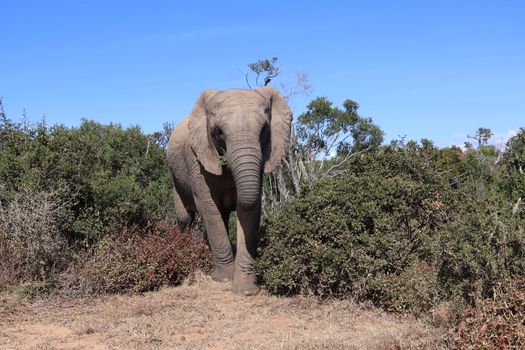
Between Amboseli, Tsavo, and Chyulu Hills National Parks lies an interconnected landscape home to thousands of African savannah elephants. Satellite tracking data from Big Life Foundation demonstrates that when drought conditions strike, elephants must traverse human-dominated community conservancies to reach critical waterholes and feeding grounds.
```
[Amboseli NP] <====== Maasai Community Conservancies ======> [Tsavo West NP]
(Habitat Restoration & Water)
```
What Needs Maintenance
Unplanned land sub-division, illegal charcoal burning, and non-wildlife-friendly fencing block historical elephant pathways, driving human-wildlife conflict when desperate herds break through farm plots.
How You Can Help On the Ground
* Alien Vegetation Eradication: Help community conservancy teams remove invasive Prosopis juliflora (mesquite), which chokes riverbeds and starves out native acacia species that elephants eat.
* Constructing Beehive Fences: Assist local Maasai communities in building hung beehive fences around cropland bordering the corridors. Recent Oxford University research shows elephants are terrified of African honeybees; these low-cost natural fences prevent crop-raiding without harming wildlife.
> Pro-Tip: Fly into Nairobi and take the Madaraka Express train to the Emali station rather than renting a light aircraft. From Emali, pre-arrange a transfer with community-owned conservancy vehicles. Always wear neutral, dust-colored clothing (khaki, tan, or muted olive)—bright colors startle grazing herds and draw swarms of tsetse flies.
---
Practical Blueprint for the Conscious Corridor Traveler
Supporting wildlife corridors isn't just about manual labor; it's about choosing travel options that financially protect habitat connectivity.
```
Eco-Traveler Action Plan
│
┌──────────────────────────────────┼──────────────────────────────────┐
▼ ▼ ▼
[Choose Certified Operators] [Log Citizen Data] [Direct Financial Support]
- Direct local funding - iNaturalist app - Park fees stay in corridor
- Verified eco-credentials - eBird submission - Pay local guides directly
```
1. Verify Before You Book
Not all "eco-volunteering" projects are created equal. Avoid operators that allow direct contact with wild animals (e.g., petting lion cubs or riding elephants). Legitimate corridor maintenance programs focus on habitat restoration, data collection, and community-led conservation.
2. Practice Citizen Science
Even on a casual holiday, your phone can collect vital connectivity data.
* Download iNaturalist and eBird before departing.
* Record GPS-tagged photos of live animals, tracks, scats, and roadkill.
* Upload your observations; these feed directly into global biodiversity databases (like GBIF) used by urban planners to design wildlife crossings.
3. Put Your Money on the Edge
Stay at community-owned eco-lodges situated along buffer zones and corridor boundaries rather than staying inside major national park gates. Your accommodation fees directly incentivize local landowners to keep their lands wild and connected rather than selling out to commercial developers.
---
Quick Facts & Logistics Guide
| Corridor Location | Best Time to Visit | Primary Species Benefiting | Recommended Volunteer Org | Est. Weekly Cost ($ USD) | How to Get There |
| :--- | :--- | :--- | :--- | :--- | :--- |
| Yellowstone to Yukon (US/Canada) | June – September | Grizzly Bear, Elk, Wolverine | Nature Conservancy of Canada / Y2Y Initiative | $300 – $700 (Camping/DIY) | Fly to Calgary (YYC) or Bozeman (BZN); rent a vehicle. |
| Osa Peninsula (Costa Rica) | December – April | Spider Monkey, Scarlet Macaw, Jaguar | Osa Conservation | $600 – $1,200 (Board included) | Domestic flight from San José (SJO) to Puerto Jiménez; 4x4 transport. |
| European Green Belt (Germany/Balkans) | May – October | Eurasian Lynx, Wildcat, Brown Bear | BUND / EuroNatur / Green Belt Association | $400 – $800 | Train to regional hubs (e.g., Göttingen or Skopje); local buses. |
| Maya Golden Landscape (Belize) | November – May | Jaguar, Ocelot, Baird's Tapir | Ya’axché Conservation Trust | $500 – $900 | Flight to Belize City (BZE), commuter flight to Punta Gorda, local taxi. |
| Amboseli-Tsavo (Kenya) | July – October | African Elephant, Lion, Giraffe | Big Life Foundation / Local Conservancies | $1,200 – $2,500 | Madaraka Express Train from Nairobi to Emali or Mtito Andei; 4x4 safari truck. |
---
The Verdict: Rebuilding the Web
When we step back and look at ecological data, the picture is clear: protecting isolated parks isn't enough anymore. If animals can't move, ecosystems collapse. By choosing travel destinations that actively maintain and expand wildlife corridors, you stop being a passive spectator and become an active participant in global rewilding.
Pack a sturdy pair of boots, leave the standard resort pool behind, and go help mend the wild seams of the world.
---