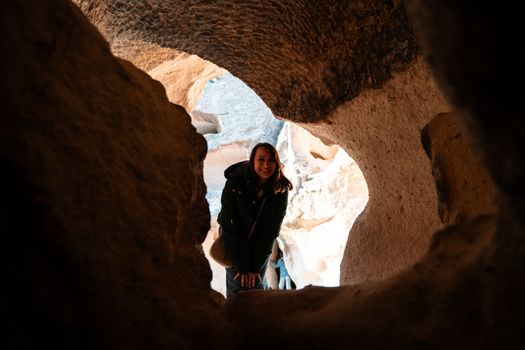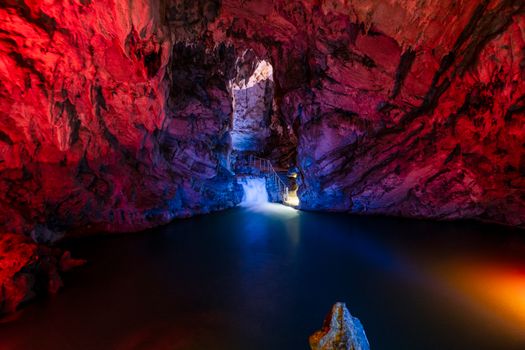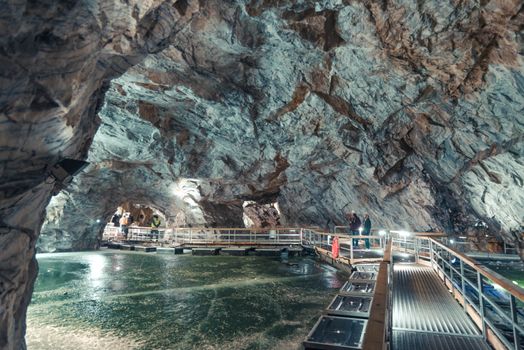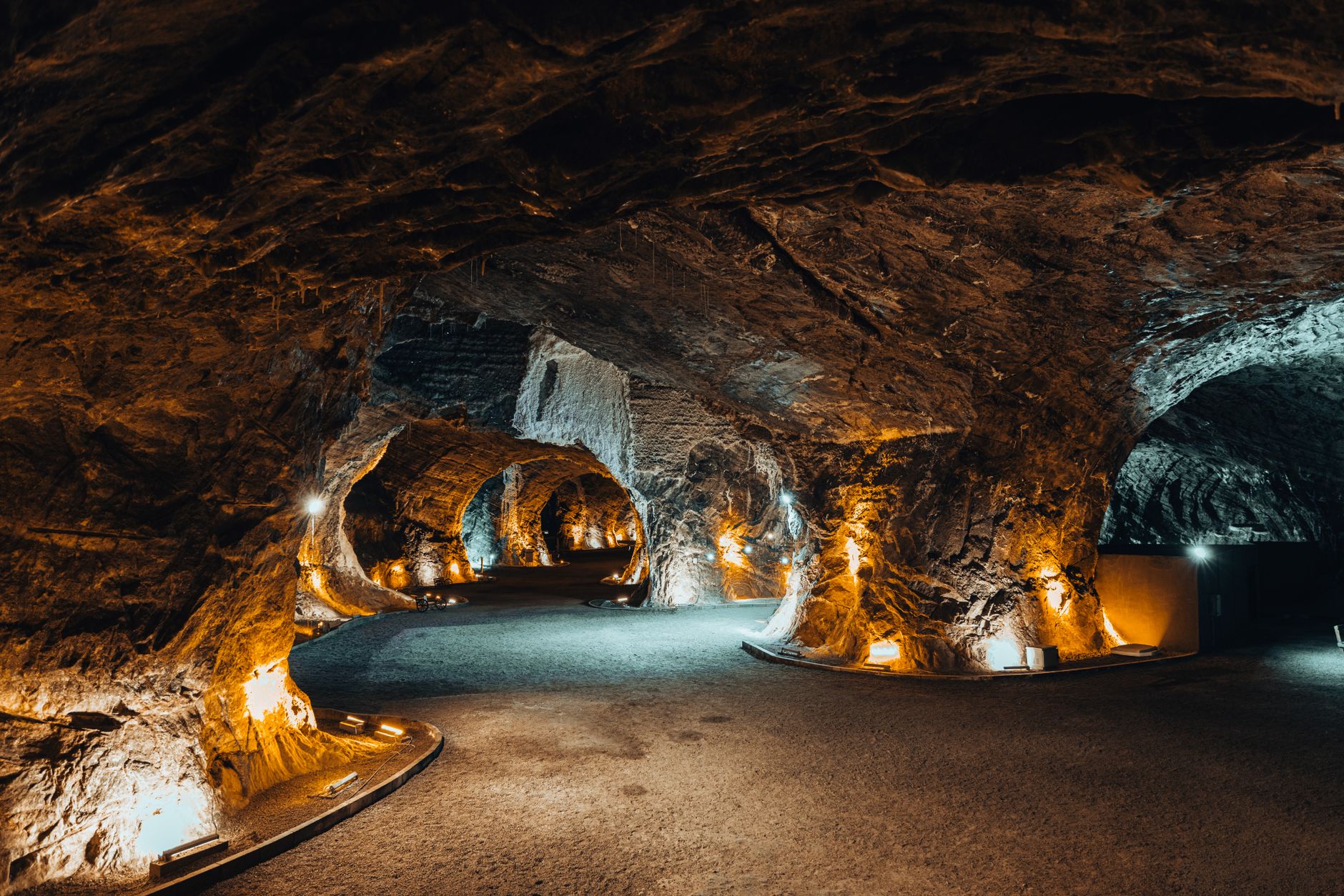
The air grew heavy, thick with the scent of damp earth and ancient secrets. My heart pounded a little faster, a mix of excitement and a primal tremor as the narrow passage swallowed me whole. Above, the sun-drenched plains of Cappadocia seemed a world away. Below, I was entering Derinkuyu, an underground city so vast, so ingeniously constructed, it felt like stepping into another dimension. This wasn't some polished, curated influencer backdrop; this was raw history, a labyrinthine marvel built by human hands centuries ago. And trust me, it’s infinitely more thrilling than another perfectly posed beach shot.
For years, I’ve chased the thrill of discovery, the quiet satisfaction of finding places that aren’t plastered all over your social media feed. While everyone else is busy perfecting their selfie at the Eiffel Tower, I'm often found spelunking through forgotten tunnels, marveling at the ingenuity of our ancestors. And what I’ve found is this: the earth holds secrets, entire cities carved out of rock, fortified against invaders, or simply built for survival. These aren't just caves; they are complex, multi-layered communities complete with ventilation shafts, stables, churches, and even wineries. They are, quite frankly, some of the most mind-blowing places you can visit, and they offer a depth of experience that no filter can replicate.
So, if you're tired of the same old travel clichés and crave an adventure that truly sets your soul alight, buckle up. I'm about to spill the beans on some of the most incredible underground cities you can actually visit – places Instagram influencers don't want you to know about, because frankly, they're too busy chasing sunsets above ground.
1. Cappadocia, Turkey: The Labyrinthine World of Derinkuyu & Kaymakli
My first truly immersive underground city experience was in Cappadocia, Turkey, and it remains the gold standard for subterranean exploration. Imagine not just a few rooms, but entire cities carved into the soft volcanic rock (tuff), going down eight or even eighteen stories deep. Derinkuyu, one of the largest, could shelter up to 20,000 people along with their livestock and food supplies for months.
My Experience:
The first time I squeezed through a particularly narrow passage in Derinkuyu, I felt a genuine rush. The air was cool, almost cold, even on a scorching August day. Round, massive stone doors, designed to be rolled into place to seal off sections from invaders, stood as silent guardians. Our guide, a local with a twinkle in his eye and a knack for storytelling, pointed out stables, churches, kitchens with smoke-stained ceilings, and even a wine press. The engineering was astounding – a complex ventilation system reaching hundreds of feet to the surface, ensuring breathable air even at the lowest levels. It’s a testament to human resilience and ingenuity. Kaymakli, another impressive underground city nearby, is equally fascinating and slightly less claustrophobic in some areas, making it a good alternative or addition.
Why it's Instagram-worthy (without trying):
The sheer scale and ancient feel. Low light photography challenges make for moody, atmospheric shots. Focus on the textures of the rock, the narrow passages, and the incredible feeling of being deep inside the earth. It's less about a 'pretty' shot and more about capturing an experience.
Practical Tips:
* Location: Cappadocia region, Central Anatolia, Turkey. Easily accessible from Göreme.
* Getting There: Many organized tours from Göreme or Ürgüp include Derinkuyu or Kaymakli. You can also hire a taxi or rent a car.
* Cost: Entrance fees are typically around 100-150 Turkish Lira (approx. $3-5 USD) per person for each city. Tours will be extra.
* What to Expect: Narrow passages, some low ceilings (watch your head!), cool temperatures.
* Claustrophobia Alert: If you're severely claustrophobic, this might be challenging. However, most tours allow you to skip the tightest sections. Go with a guide; they know the best routes.
* Wear: Comfortable shoes, layers (it's cool underground).
2. Wieliczka Salt Mine, Poland: A Subterranean Masterpiece
While not technically a "city" in the traditional sense, the Wieliczka Salt Mine near Krakow, Poland, is an underground world so vast and intricate, it absolutely deserves a spot on this list. Operating for over 700 years until 2007, it's a UNESCO World Heritage site and a jaw-dropping testament to human dedication.
My Experience:
Stepping into Wieliczka felt like entering a fantastical realm. We descended hundreds of steps, deeper and deeper into the earth, until the walls around us sparkled. Everything was salt: the floors, the walls, the chandeliers, even the incredible sculptures. The highlight, without a doubt, was the Chapel of St. Kinga. I remember walking into this massive chamber, carved entirely out of salt, complete with altars, chandeliers, and intricate reliefs depicting biblical scenes. It's breathtaking. Imagine a cathedral, hundreds of feet underground, sparkling with the light reflecting off millions of salt crystals. It's an almost spiritual experience, a silent tribute to the miners who created this masterpiece.
Why it's Instagram-worthy:
The sheer artistry and scale are unbelievable. Capture the sparkling walls, the incredible salt chandeliers, and the vastness of the chambers. The Chapel of St. Kinga is a must-photo spot, but try to capture the sense of wonder and the unique texture of the salt.
Practical Tips:
* Location: Wieliczka, just outside Krakow, Poland.
* Getting There: Frequent local buses (304), trains, or organized tours from Krakow. Taxis/Uber are also an option.
* Cost: Standard tour tickets are around 109 PLN (approx. $27 USD) for adults. Booking online in advance is highly recommended, especially during peak season.
* What to Expect: A lot of walking (over 3 km on the tourist route) and many stairs (over 800 steps, though lifts are used for ascent). The air is cool and quite salty, which some find beneficial for respiratory issues.
* Wear: Comfortable walking shoes and layers.
3. Edinburgh Vaults, Scotland: A Glimpse into a Dark Past
Beneath the bustling streets of Edinburgh, where tourists flock to the Royal Mile and Edinburgh Castle, lies a darker, more chilling history. The Edinburgh Vaults, also known as the South Bridge Vaults, were built in the late 18th century as storage spaces and workshops. However, they soon became a haven for the city's poorest, criminals, and even served as a hiding place for Burke and Hare, the infamous body snatchers.
My Experience:
My first time in the Edinburgh Vaults was on a ghost tour – because, honestly, how else do you explore a place steeped in such grim history? The air was heavy, not just with dampness, but with a palpable sense of the past. Our guide, a master storyteller, recounted tales of poverty, disease, murder, and the supernatural. We stood in dimly lit chambers where families once huddled, where illicit activities took place, and where, allegedly, spirits still linger. I felt a distinct chill, not just from the cold, but from the weight of history pressing down. It’s a stark contrast to the beauty above ground, a raw, unfiltered look at the underbelly of a historic city.
Why it's Instagram-worthy:
It's all about mood and atmosphere. Think dark, shadowy shots, flickering candlelight (if allowed), and the rugged stone walls. Focus on capturing the feeling of mystery and history. It's perfect for a moody, storytelling aesthetic.
Practical Tips:
* Location: Beneath the South Bridge, Edinburgh, Scotland.
* Getting There: Easily walkable from anywhere in Edinburgh's Old Town.
* Cost: Prices vary widely depending on the tour operator and type of tour (historical vs. ghost tour). Expect to pay £15-£25 (approx. $19-32 USD).
* What to Expect: Dark, damp, and sometimes very cold conditions. Uneven ground. Some tours are genuinely spooky, others focus more on history. Choose wisely based on your preference.
* Booking: Book well in advance, especially for popular ghost tours.
* Wear: Warm clothing and sturdy shoes.
4. Seattle Underground Tour, USA: A City Reborn from Ash
This one is unique because it's not ancient, nor was it built for defense, but it tells an incredible story of urban resilience. After the Great Seattle Fire of 1889, much of the city was rebuilt on top of the old one, literally raising the streets by one to two stories to avoid flooding. What remains underneath is the original ground level, a fascinating network of subterranean storefronts and sidewalks.
My Experience:
The Seattle Underground Tour was a delightful surprise. Our guide was a fantastic comedian, weaving historical facts with hilarious anecdotes. We descended beneath modern Pioneer Square, walking along what used to be the city's main sidewalks and peering into old storefronts. You can see remnants of former businesses, old plumbing, and the original ground level of buildings now incorporated into the basements of the current street level. It’s a quirky, engaging way to learn about Seattle's pioneering spirit and how a city literally lifted itself up by its bootstraps. I particularly loved seeing the "skylights" that once illuminated the underground sidewalks now serving as grates on the modern street level, allowing glimpses of the world above.
Why it's Instagram-worthy:
It's a fantastic blend of history and urban decay. Capture the contrast between the old brick and the modern city above. Focus on the unique architecture, the old storefronts, and the sense of stepping back in time within a contemporary city.
Practical Tips:
* Location: Pioneer Square, Seattle, Washington, USA.
* Getting There: Easily accessible via public transport (Link Light Rail to Pioneer Square Station) or walking.
* Cost: Tickets are around $25-30 USD for adults.
* What to Expect: An engaging, often humorous, guided walking tour. Some stairs and uneven ground. The tour is well-lit and not claustrophobic.
* Booking: Book online in advance, especially on weekends, as tours often sell out.
* Wear: Comfortable shoes.
5. Coober Pedy, Australia: Living the Underground Dream
Now, for something truly different. Coober Pedy isn't just an underground city you visit; it's an underground city where people live. Known as the "Opal Capital of the World," this remote town in the South Australian outback sees temperatures soar above 40°C (104°F) in summer. To escape the heat, residents have carved homes, churches, shops, and even hotels directly into the sandstone hills.
My Experience:
Visiting Coober Pedy was like landing on Mars, then going underground. The landscape above ground is stark, dotted with mining shafts and mounds of excavated earth. But descend into a "dugout" (an underground home), and you're met with a surprisingly comfortable, cool, and quiet environment. I stayed in an underground hotel, and it was one of the best sleeps I've ever had – utterly silent, perfectly temperate. Exploring the underground Serbian Orthodox Church, with its carved reliefs and stained glass, was a surreal experience. It’s a place that truly embodies human adaptability and resourcefulness, a vibrant community thriving beneath the harsh sun.
Why it's Instagram-worthy:
The contrast! Photos of the desolate above-ground landscape next to cozy, unique underground interiors. The opal shops sparkling with color, the unique "dugout" entrances, and the incredible underground church. It's a story of survival and unique living.
Practical Tips:
* Location: Remote South Australia, approximately 850 km (530 miles) north of Adelaide.
* Getting There: Fly from Adelaide (Rex Airlines) or drive (it's a long but scenic drive on the Stuart Highway).
* Cost: Prices vary. Underground tours of homes/mines typically cost around AUD 20-30. Accommodation in an underground hotel can range from AUD 100-200+ per night.
* What to Expect: Extremely hot above ground in summer. Cool and comfortable underground year-round. It's a mining town, so don't expect polished tourist infrastructure everywhere.
* Activities: Visit opal shops, underground homes (like Faye's Underground Home), the Umoona Opal Mine & Museum, and the underground churches.
* Wear: Light clothing for above ground, comfortable shoes.
General Tips for Your Underground Adventure
Ready to ditch the sun for some subterranean thrills? Here are some universal tips to make your underground city exploration epic:
- Book in Advance: Especially for popular tours or during peak season, tickets can sell out. Don't leave it to chance!
- Wear Layers: Underground temperatures are consistently cool, regardless of the surface weather. A light jacket or sweater is always a good idea.
- Comfortable Shoes are a Must: You'll be doing a lot of walking, often on uneven, damp, or dusty surfaces. Leave the heels at home.
- Check for Claustrophobia/Mobility Issues: Be honest with yourself. While many places offer accessible routes, some, like parts of Derinkuyu, can be very tight. Check tour descriptions carefully.
- Bring a Headlamp/Flashlight: While most tours are lit, a personal light can be invaluable for spotting details or navigating darker corners (where permitted).
- Photography: Low light conditions are challenging. A camera with good low-light performance or a phone with a strong night mode will help. Tripods are often not allowed or practical in crowded, narrow spaces. Focus on capturing the feel rather than perfect clarity.
- Embrace the Story: These places aren't just cool; they're packed with history, struggle, and human ingenuity. Listen to your guides, read the plaques, and let the stories transport you.
- Respect the Environment: These are ancient, fragile places. Stick to marked paths, don't touch anything unless explicitly allowed, and leave no trace.
The True Gold is Below
While influencers chase the perfect golden hour shot, the true gold often lies beneath our feet. These underground cities offer more than just a photo opportunity; they offer a profound connection to history, a glimpse into human endurance, and an adventure that feels genuinely off the beaten path. They are places that make you think, make you wonder, and leave an indelible mark on your memory.
So, next time you're planning a trip, consider digging a little deeper – literally. Explore the hidden worlds that await, away from the crowds and the curated feeds. Trust me, the stories you'll unearth are far more valuable than any trending hashtag.
Which underground city are you most excited to explore? Share your thoughts in the comments below, or better yet, plan your trip and come back to tell us all about it! Don't forget to tag #TripsoraUnderground when you share your discoveries!
---