Beyond the Tourist Trail: Unearthing the Secret Fruits Locals Don't Want You to Know About
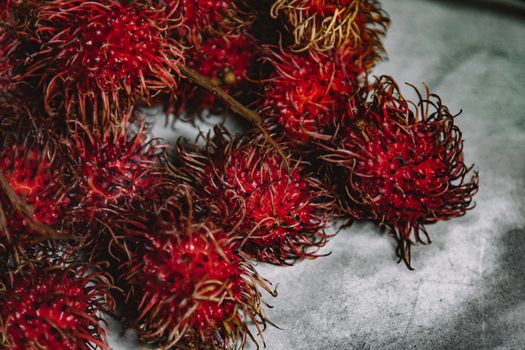
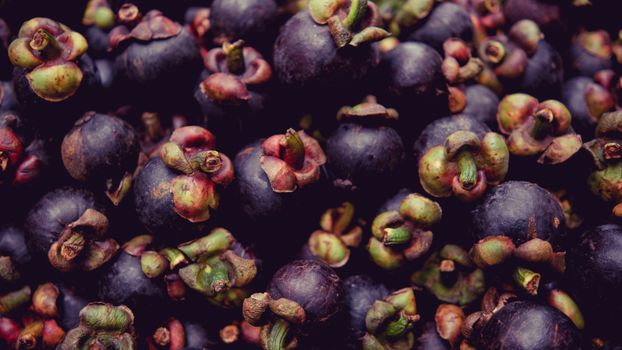
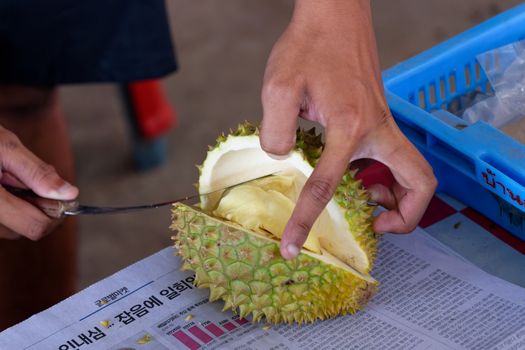
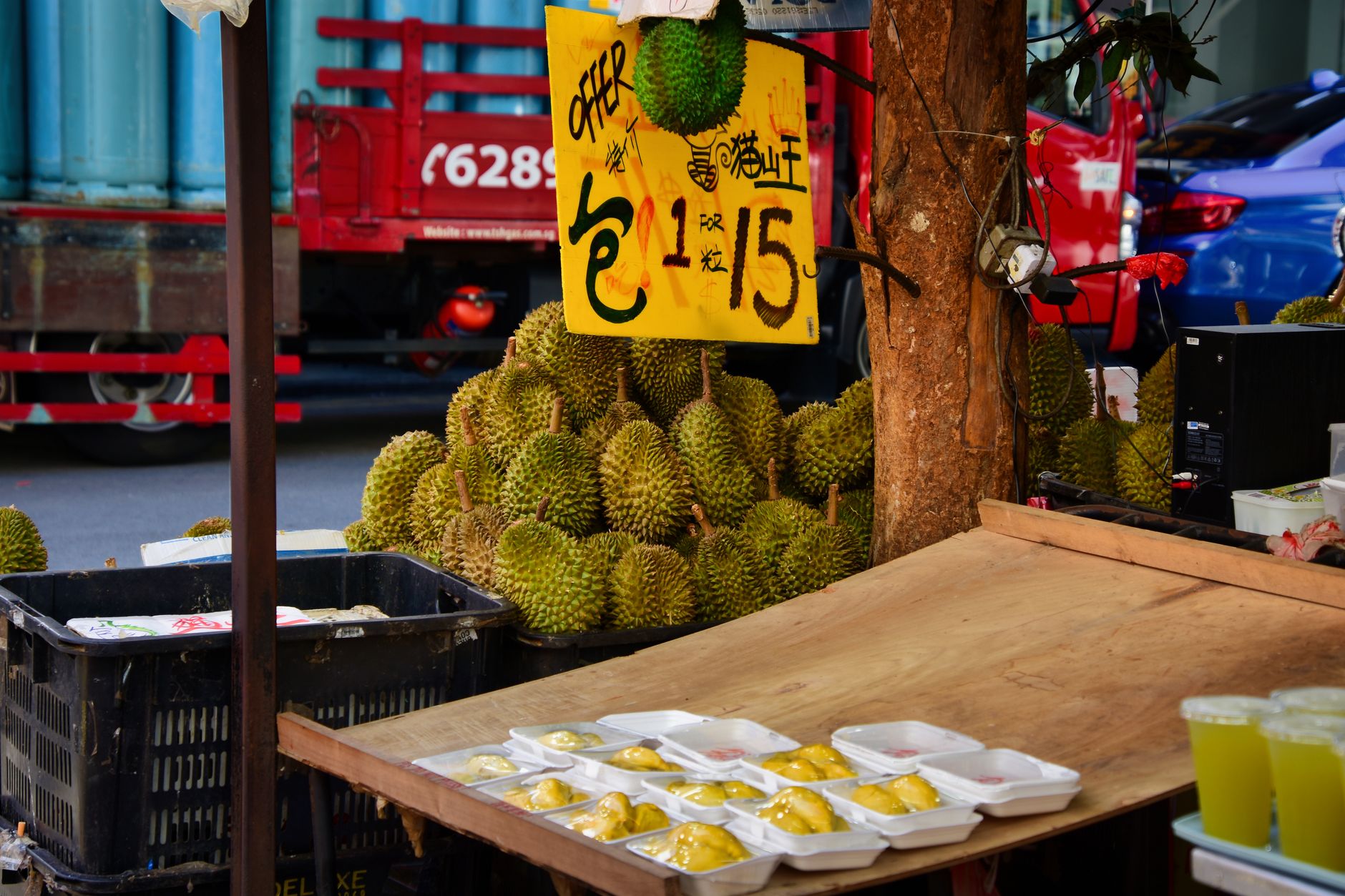
The humid air hung heavy, thick with the scent of spices, exhaust fumes, and something else – something indescribably sweet and earthy. I was lost, gloriously lost, in the labyrinthine alleys of a market in Yogyakarta, Indonesia. My mission? To find a specific batik pattern. What I found instead was a small, unassuming stall tucked away behind towering piles of durian, manned by an elderly woman with sharp, knowing eyes. On her table, nestled amongst more familiar rambutans, were strange, scaly, reddish-brown fruits that looked like they belonged on a dragon’s back.
I pointed, curiosity piqued. "Apa itu?" (What is that?)
She hesitated, her gaze flicking between me and the fruit. A small smile, almost a smirk, played on her lips. "Salak," she finally said, then added, "Tidak untuk turis." (Not for tourists.)
My challenge, my quest, had officially begun. That moment, that playful declaration, ignited a fire in me. It wasn't just about trying a new fruit; it was about cracking a culinary code, about finding those authentic, sometimes guarded, tastes that truly define a place. And so began my journey to uncover the "secret fruits" – the ones that are so beloved, so seasonal, or so unique to a region, that locals often prefer to keep them to themselves, away from the curious palates of foreign visitors.
Forget the ubiquitous banana or the ever-present pineapple. If you’re truly an adventurous eater, if you crave a taste of the authentic, then prepare to dive into a world of flavors you never knew existed. These are the fruits that demand a little extra effort to find, a little local knowledge to acquire, and a whole lot of courage to try. But trust me, the reward is a culinary revelation.
1. Salak (Snake Fruit): The Scaly Secret of Southeast Asia
Where to Find It:
Predominantly Indonesia (especially Bali and Java) and Malaysia.
My encounter with the Salak in Yogyakarta wasn't a one-off. Throughout my travels in Southeast Asia, I've noticed this fruit is often displayed in a more understated way than its flamboyant cousins like rambutan or mangosteen. Its name, "Snake Fruit," comes from its reddish-brown, scaly skin that genuinely resembles snakeskin. It's not the prettiest fruit, but oh, is it deceptive.
The Taste Revelation:
Peeling back the brittle skin reveals three firm, off-white lobes. The texture is what truly sets Salak apart – it’s incredibly crunchy, like a crisp apple, but with a slight juiciness. The flavor is a complex dance: sweet, tangy, and sometimes subtly acidic, with hints of pineapple, pear, and even a touch of honey. Some varieties, particularly the 'Gula Pasir' (sugar sand) from Bali, are intensely sweet and fragrant, almost like candied fruit. Locals guard these premium varieties closely, often saving them for special occasions or personal consumption. They know tourists might be put off by the skin or the initial unfamiliarity.
Why Locals "Hide" It:
Premium Salak varieties are highly prized and can be quite expensive, making them a local luxury. They also have a relatively short shelf life once ripe, meaning they are best enjoyed fresh from the market, something tourists might not prioritize. There's also the perception that foreigners might not appreciate its unique texture or might struggle with the skin.
How to Find It:
Look for Salak in local wet markets, not just the tourist-centric ones. In Bali, visit Pasar Badung in Denpasar or smaller village markets. In Java, try Beringharjo Market in Yogyakarta. Ask vendors for "Salak Gula Pasir" if you're feeling adventurous and want the best. Prices range from 15,000-30,000 IDR (approx. $1-$2 USD) per kilogram, with premium varieties costing more. Don't be shy; point and smile. Often, a local will show you how to peel it (a small pinch at the bottom, then peel upwards).
Instagram Moment:
The unique scaly skin makes for an intriguing close-up, especially if you can capture the contrast with the pale, firm flesh inside.
2. Marang: Borneo's Creamy Dream
Where to Find It:
Primarily Borneo (Malaysia, Brunei, Indonesia), parts of the Philippines (Mindanao), and some other smaller islands in Southeast Asia.
My first encounter with Marang was deep in the rainforests of Sarawak, Malaysian Borneo. Our local guide, a soft-spoken Iban man named Jalong, had spotted a vendor by the roadside with what looked like a spiky, football-sized durian relative, but with softer, fuzzier spines. "This," he announced with a conspiratorial grin, "is better than durian for many of us. But it doesn't travel well, so you won't see it outside."
The Taste Revelation:
Marang is often described as a creamier, less pungent cousin to the jackfruit or durian. Once you cut through its soft, spiky rind, you're greeted by numerous white, segmented arils, each encasing a seed. The aroma is sweet and tropical, without the infamous "stink" of durian. The flesh is incredibly soft, almost custardy, melting in your mouth with a sweet, subtly floral flavor reminiscent of banana, jackfruit, and sometimes even a hint of bubblegum. It's incredibly addictive.
Why Locals "Hide" It:
Marang is notoriously perishable. Once ripe, it needs to be consumed within a day or two, making it impossible to export. This exclusivity means it’s a true local treat. Its seasonality (typically August to October) also limits its availability. Locals know its fleeting nature and cherish it.
How to Find It:
Your best bet is to visit local markets in Borneo during its season. In Sarawak, Malaysia, check out the Satok Market in Kuching. In the Philippines, look for it in Mindanao markets. Vendors will often have them piled high. Expect to pay around 5-15 MYR (approx. $1-$3 USD) per fruit, depending on size. Don't be afraid to ask the vendor to cut it open for you; they usually have the right tools.
Instagram Moment:
The Marang cut open, revealing its pristine white, segmented flesh, looks almost alien and incredibly inviting. Capture the texture!
3. Jabuticaba: The Brazilian Grape-Tree Wonder
Where to Find It:
Native to Brazil, particularly the states of Minas Gerais, São Paulo, and Goiás.
I was strolling through a small, colonial town in Minas Gerais, Brazil, when I saw it – a tree unlike any I'd ever encountered. Its trunk and branches were completely covered in dark, grape-like fruits, clinging directly to the bark. It looked like something out of a Dr. Seuss book. A local woman, noticing my bewildered expression, simply smiled and offered me one. "Jabuticaba," she said, "direto da árvore." (Directly from the tree.)
The Taste Revelation:
Jabuticaba (pronounced jah-boo-tee-KAH-bah) is a marvel of nature. The fruits are dark purple, almost black, resembling large grapes. You pop them directly into your mouth, bite through the slightly tough skin, and a burst of sweet, slightly acidic, translucent white pulp floods your senses. It tastes like a more complex, intensely flavored grape, with a hint of lychee and passion fruit. The skin can be a bit astringent, but most people enjoy the whole experience.
Why Locals "Hide" It:
The main reason Jabuticaba doesn't travel far is its extremely short shelf life – often just a few days after picking. It also bruises easily. This makes it a precious local commodity, primarily enjoyed fresh from the tree or quickly made into jams, jellies, and even wine. Brazilians cherish its fresh taste, making it a backyard staple.
How to Find It:
The best way is to visit Brazil during its peak season (late summer/early autumn, around January to April, and then again around September to October). Look for them in farmers' markets ("feiras") in Minas Gerais or São Paulo. If you're lucky, you might even spot them growing in someone's backyard and get offered a taste! Prices vary wildly, but a small bag might cost around 5-10 BRL (approx. $1-$2 USD).
Instagram Moment:
The sight of a tree trunk completely covered in dark, ripe Jabuticaba fruits is absolutely stunning and unique. Get a shot of the fruit clinging to the bark!
4. Akebi: Japan's Enigmatic Mountain Fruit
Where to Find It:
Mountainous regions of northern Japan (Tohoku, Nagano, Niigata prefectures).
Japan is a country of exquisite culinary detail, but most tourists stick to sushi, ramen, and matcha. During a hiking trip through the Tohoku region, I stumbled upon a small, seasonal market stall in a rural village. There, nestled amongst wild mushrooms and foraged greens, were peculiar, elongated purple pods, split open to reveal a translucent, gelatinous interior. My guide explained it was Akebi, a wild mountain fruit.
The Taste Revelation:
Akebi (pronounced ah-KEH-bee) is perhaps the most subtle of the fruits on this list, and often the most surprising for first-timers. The fruit is found within a vibrant purple pod that naturally splits open when ripe. Inside, you'll find a clear, jelly-like pulp embedded with numerous small, black seeds. You typically scoop out the pulp (seeds and all, though you spit out the seeds) and experience a delicate, mildly sweet flavor, often described as a faint blend of melon, banana, and a hint of coconut. It's not intensely sweet, but rather refreshing and unique. The purple skin can also be cooked as a vegetable.
Why Locals "Hide" It:
Akebi is a wild, seasonal fruit, primarily foraged rather than cultivated on a large scale. Its subtle flavor profile might not appeal to all palates, especially those expecting a sugary burst. Its short season (late September to October) and limited availability outside its growing regions make it a true local secret, cherished by those who grew up with it.
How to Find It:
Your best bet is to visit rural markets or roadside stalls in Tohoku or other mountainous regions of Japan during autumn. Look for "道の駅" (Michi-no-Eki) – roadside stations that often sell local produce. Ask locals if they know where to find "Akebi." Expect to pay around 300-600 JPY (approx. $2-$4 USD) per pod.
Instagram Moment:
The vibrant purple pod, naturally split open to reveal its clear, jelly-like interior, is visually striking and distinctly Japanese.
5. Imbe (African Mangosteen): Southern Africa's Tangy Gem
Where to Find It:
Southern Africa, particularly coastal regions of South Africa, Mozambique, and Zimbabwe.
My journey through South Africa took me far beyond the safari parks and vineyards. In a bustling market in Durban, amidst the vibrant fabrics and exotic spices, I noticed a small, round, orange fruit that looked somewhat like a miniature orange but with a slightly rougher skin. A vendor, seeing my interest, called it "Imbe" and urged me to try. "It's our own mangosteen," she proudly declared.
The Taste Revelation:
Imbe (pronounced IM-beh) is a delightful surprise. Once peeled, the fruit reveals a juicy, segmented pulp, much like a citrus fruit, but with a unique texture. The flavor is a fantastic balance of sweet and tart, often described as a mix between a tangerine, a passion fruit, and a subtle hint of apricot. It's incredibly refreshing, especially on a hot day, and leaves a clean, zesty aftertaste.
Why Locals "Hide" It:
Like many wild or semi-cultivated fruits, Imbe has a limited season (typically late summer to autumn) and doesn't travel well. It's also not as widely known or cultivated as other fruits, making it a more localized delicacy. It's a fruit often enjoyed by those who have access to trees in their gardens or local foraging knowledge.
How to Find It:
Visit local markets in coastal South Africa, Mozambique, or Zimbabwe during its season (February to April). In Durban, explore the Warwick Junction Markets. Ask vendors for "Imbe" or "African Mangosteen." Prices are generally very affordable, perhaps 10-20 ZAR (approx. $0.50-$1 USD) for a small bag.
Instagram Moment:
The vibrant orange skin against the juicy, segmented interior makes for a beautiful, colorful photo, especially if you can capture the market backdrop.
6. Cupuaçu: The Amazon's Chocolate-Pineapple Powerhouse
Where to Find It:
Amazon rainforest basin (Brazil, Peru, Colombia, Ecuador).
My visit to Belém, Brazil, the gateway to the Amazon, was a sensory overload. The Ver-o-Peso Market, a colossal open-air market, vibrated with life. Amidst the cacophony, I spotted large, football-shaped fruits with a hard, woody shell. My local guide, a proud Amazonian, introduced me to Cupuaçu (koo-poo-ah-SOO). "It's the taste of the forest," he explained, "better than chocolate for us."
The Taste Revelation:
Cupuaçu is revered in the Amazon. The fruit’s hard exterior protects a creamy, aromatic pulp that surrounds large seeds. The pulp is scooped out and often blended into juices, smoothies, ice creams, and desserts. Its flavor is incredibly complex and unique: a tangy, slightly sour, yet intensely aromatic blend of chocolate, pineapple, passion fruit, and banana. It has a distinctive richness that lingers on the palate. It's often compared to a more exotic, tart version of cocoa.
Why Locals "Hide" It:
While gaining some international recognition for its "superfood" qualities (rich in antioxidants and nutrients), fresh Cupuaçu is still primarily a regional delicacy due to its heavy, hard shell and the difficulty of transporting its delicate pulp. Locals consume it in vast quantities, but it rarely leaves the Amazon basin in its fresh form. They also use it extensively in traditional medicine and cosmetics, making it deeply intertwined with local culture.
How to Find It:
Your best bet is to visit cities like Belém or Manaus in Brazil, or Iquitos in Peru, during its season (January to May). The Ver-o-Peso Market in Belém is an absolute must-visit. You’ll find stalls selling the whole fruit, or more commonly, tubs of the pulp (polpa de cupuaçu). A kilo of pulp might cost around 20-40 BRL (approx. $4-$8 USD). Don't leave without trying a cupuaçu juice or ice cream!
Instagram Moment:
A vibrant cup of freshly blended Cupuaçu juice or a scoop of its unique ice cream, perhaps with the whole fruit in the background, makes for a tantalizing shot.
7. Mamey Sapote: Central America's Caramel Cloud
Where to Find It:
Central America (Mexico, Guatemala, Belize, El Salvador), Caribbean (Cuba, Florida, Puerto Rico).
My culinary exploration in Mexico led me away from the taco stands and into a bustling market in Oaxaca. There, a fruit vendor proudly displayed large, oval-shaped fruits with rough, brown skin. "Mamey," he said, gesturing to its rich, inviting interior. "Para el desayuno." (For breakfast.)
The Taste Revelation:
Mamey Sapote (mah-MAY sah-POH-teh) is a truly luxurious fruit. Once ripe, its rough, brown skin gives way to an incredibly soft, creamy, vibrant salmon-orange flesh. The aroma is sweet and tropical, and the flavor is a decadent blend of sweet potato, pumpkin, almond, and honey, with hints of vanilla and caramel. Its texture is smooth and velvety, almost like a thick custard or a very ripe avocado. It’s often used in milkshakes, ice creams, and desserts, but is equally delicious eaten fresh with a spoon.
Why Locals "Hide" It:
While not entirely unknown, Mamey Sapote is a fruit that doesn't always make it to mainstream grocery stores outside its native regions due to its relatively delicate nature when ripe and its significant size. Locals cherish its unique flavor and use it extensively in their cuisine, preferring to enjoy it fresh or in traditional preparations. Many tourists might pass it by, mistaking it for something less appealing due to its exterior.
How to Find It:
Visit local markets ("mercados") in Mexico, Central America, or the Caribbean. In Mexico, look for it in Oaxaca's Mercado Benito Juárez or Mercado de la Merced. In Florida, you might find it in Latin American markets. The season typically runs from spring to late summer. A large Mamey can cost anywhere from 30-80 MXN (approx. $1.50-$4 USD) depending on size and location. Look for fruits that yield slightly to gentle pressure.
Instagram Moment:
The striking contrast between the rough brown skin and the vibrant, creamy salmon-orange flesh, perhaps with a spoon digging in, is incredibly inviting and visually appealing.
Practical Tips for Your Secret Fruit Hunt:
- Go Local, Go Early: Head to local wet markets or farmers' markets (not tourist-centric ones) early in the morning. This is when the freshest produce arrives, and vendors are often more relaxed and willing to chat.
- Learn Key Phrases: Even a simple "What is this?" ("Apa ini?" in Indonesian, "Que es esto?" in Spanish, "Kore wa nan desu ka?" in Japanese) and "Can I try?" (if appropriate) goes a long way.
- Point and Smile: If language is a barrier, pointing to the fruit and smiling broadly is often enough to convey your interest.
- Observe Locals: Watch how locals select and eat the fruit. This can give you clues about ripeness and preparation.
- Don't Be Afraid to Ask (Carefully): While locals might "hide" these fruits, a genuine curiosity is often met with warmth. Ask a friendly-looking vendor, a guesthouse owner, or a local guide. Sometimes, a subtle approach (e.g., "I'm looking for a unique local fruit, something I can't find at home") works better than a direct "Do you have the secret fruit?"
- Trust Your Senses: Look for vibrant colors, fresh aromas, and fruits that feel right to the touch (not too hard, not too soft, unless that's how it's supposed to be).
- Hygiene First: Always wash fruits thoroughly before eating, especially if you're peeling them yourself.
- Be Adventurous, But Respectful: Some fruits might have strong flavors or textures. Go in with an open mind. If you don't like it, a polite "terima kasih" (thank you) is always appreciated.
- Carry Cash: Many local markets prefer cash, and often small denominations.
The Ultimate Culinary Challenge
These fruits are more than just exotic snacks; they are edible windows into the soul of a place. They tell stories of climate, culture, and the ingenuity of local communities. They are the flavors that connect you directly to the land and its people, bypassing the glossy brochures and curated experiences.
My journey with the Salak in Yogyakarta was just the beginning. Every new, unusual fruit I've discovered since has been a reminder that the most profound travel experiences often lie just beyond the well-trodden path, waiting to be unearthed by those brave enough to look, to ask, and most importantly, to taste.
So, on your next adventure, dare to go beyond the familiar. Seek out the hidden gems, the local secrets, the fruits that locals might just try to keep for themselves. You won't just be tasting a fruit; you'll be tasting the authentic heart of a destination.
What's the wildest, most unusual fruit you've ever discovered on your travels? Share your stories and photos below! Let's build the ultimate secret fruit map together!
---