Conquer Glaciers in Sneakers: Your Epic Ice Adventure Awaits!
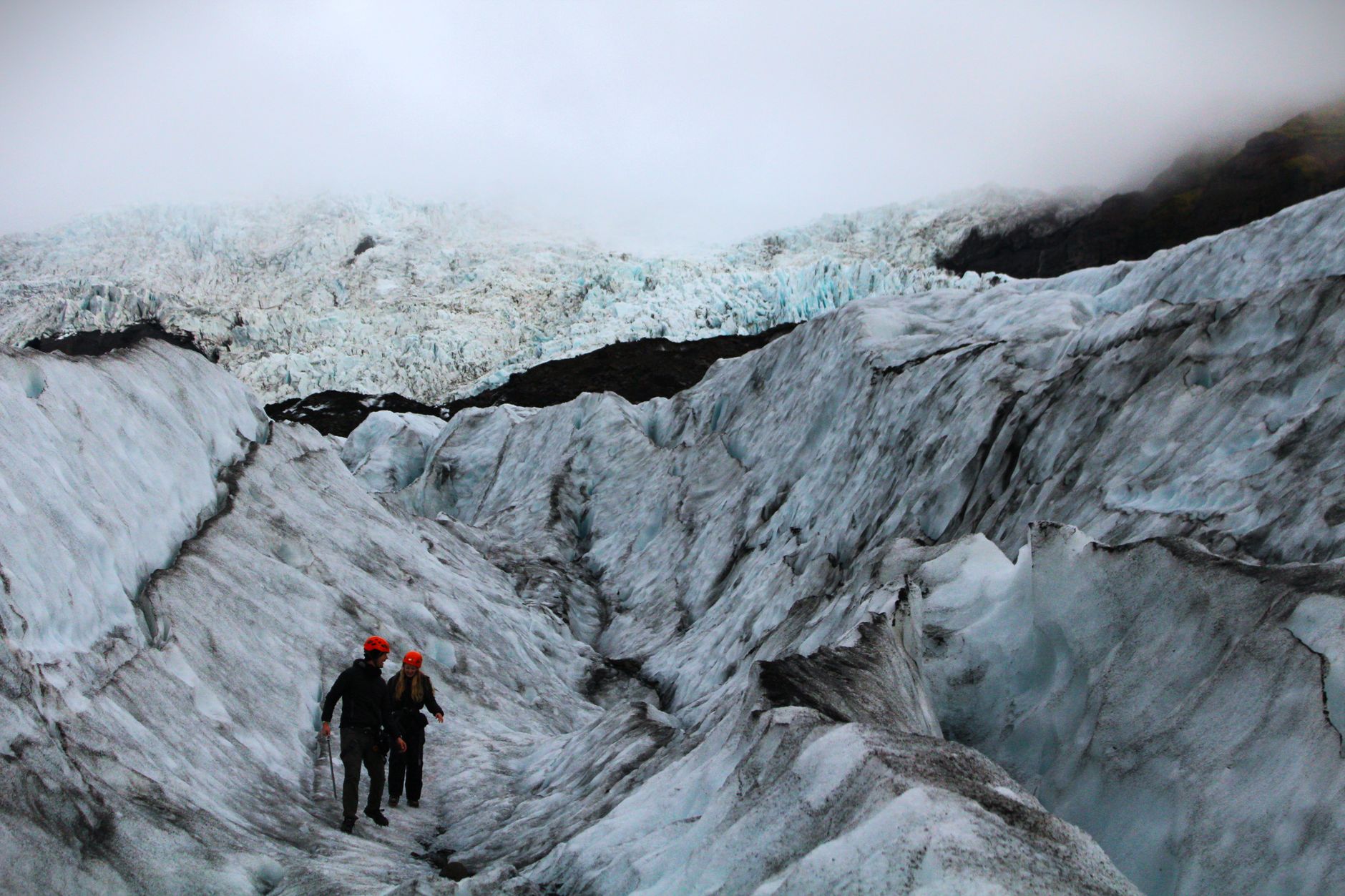
The biting wind whipped past my face, carrying the scent of raw, ancient ice. Below me, a vast, undulating landscape of electric blue and stark white stretched as far as the eye could see, carved by millennia of frozen power. My heart pounded, not from fear, but from pure, unadulterated awe. And then, I looked down at my feet. My perfectly ordinary, albeit sturdy, hiking sneakers, now fitted with a pair of surprisingly lightweight crampons, were firmly planted on a living glacier.
This wasn't some extreme mountaineering expedition. This was Sólheimajökull, Iceland, and I was doing something I’d always assumed was reserved for seasoned adventurers: walking on a glacier. The biggest surprise? I wasn't in heavy, clunky mountaineering boots. My comfortable, waterproof hiking sneakers were doing the job perfectly.
For years, I’d scrolled through breathtaking photos of icy landscapes, a pang of longing in my chest, always followed by the familiar thought: "Too extreme. Too expensive for gear. Not for me." I imagined needing specialized training, ice axes, and boots that cost more than my rent. But what if I told you that some of the most stunning, accessible glacier experiences on Earth are waiting for you, and all you really need are your everyday sturdy sneakers (plus some essential layers and provided safety gear)?
Welcome to the ultimate guide to "sneaker-friendly" glacier walks – incredible icy adventures that are far more accessible than you ever dared to dream. Get ready to lace up, because your bucket list is about to get a whole lot cooler.
The Myth Busted: Sneakers on Ice? Absolutely!
Let's clear the air. When I say "sneakers," I don't mean your beat-up canvas trainers or those trendy fashion sneakers with zero grip. I'm talking about sturdy hiking sneakers, robust trail shoes, or waterproof trainers with good ankle support and a solid sole. These are the heroes of our story.
The misconception that all glacier walks require heavy-duty mountaineering boots stems from the more extreme, technical expeditions. These involve navigating deep crevasses, scaling ice walls, and traversing treacherous terrain – definitely not for sneakers. However, many popular glacier tours focus on the more accessible, gentle parts of the ice, often called "ablation zones" or "terminal faces." These areas are generally flatter, less crevassed (or the crevasses are easily navigated/avoided with a guide), and perfect for experiencing the majesty of a glacier without needing a mountaineering degree.
The key to these "sneaker-friendly" walks is the guided tour. Reputable tour operators provide all the specialized safety equipment you need:
* Crampons: These metal spikes strap onto your shoes, giving you incredible grip on the ice. They are universally provided by tour companies for these types of walks.
* Ice Axe: More for balance and a sense of adventure than actual climbing on these specific tours, also provided.
* Helmet: For safety, always provided.
Your sturdy sneakers, combined with these provided tools, become your perfect glacier-walking companions. The comfort and flexibility of your own familiar footwear can actually make the experience more enjoyable, especially for those new to ice trekking.
Your Footwear Arsenal: Beyond the Basic Sneaker
So, what exactly constitutes a "sneaker" suitable for glacier walking? Here’s a quick checklist to ensure your feet are happy and safe:
- Sturdy Sole with Good Grip: Think trail running shoes or light hiking shoes. The sole should be thick enough to provide some insulation from the cold ice and have a decent tread pattern.
- Ankle Support (Preferred): While not strictly mandatory for all easy glacier walks, a shoe that offers some ankle support will provide more stability on uneven icy terrain and help prevent twists and sprains.
- Water-Resistant or Waterproof: This is a HUGE bonus. Even if it's not raining, meltwater can accumulate on the ice surface. Keeping your feet dry will make a world of difference to your comfort and warmth. If your shoes aren't waterproof, consider waterproof socks (more on that below).
- Comfortable: You'll be walking for a few hours, so make sure they're broken in and comfortable.
- No Open Toes or Heels: This should be obvious, but absolutely no sandals, flip-flops, or open-backed shoes!
What about socks?
A good pair of wool or synthetic hiking socks is crucial. They wick away moisture, provide insulation, and prevent blisters. Avoid cotton socks, which stay wet and will make your feet cold. If your shoes aren't waterproof, consider investing in a pair of waterproof socks (like those from Sealskinz or DexShell) – they're a game-changer!
Many tour operators do offer rental hiking boots, which are perfectly fine if you don't have suitable sneakers or prefer the extra security. However, if you already own a pair of sturdy, comfortable, and ideally waterproof hiking sneakers, you're likely good to go! Always double-check with your specific tour operator about their footwear requirements when booking. This is the golden rule.
Where to Lace Up for Your Icy Adventure
Ready to see where your sneakers can take you? Here are some of the best places in the world for accessible, sneaker-friendly glacier walks:
1. Iceland: Land of Fire and Ice, and Accessible Wonders
Iceland is practically synonymous with glaciers, and thankfully, many of its ice caps offer fantastic, easy-to-access walks perfect for first-timers in sturdy sneakers. The guides here are experts at making the experience safe and unforgettable.
- Sólheimajökull Glacier:
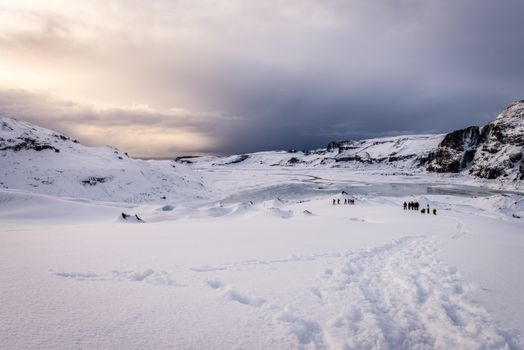
- Why it's great: Located in South Iceland, Sólheimajökull is one of the most accessible outlet glaciers from the Mýrdalsjökull ice cap, just a 2-hour drive from Reykjavik. Its relatively flat terrain and constantly changing ice formations make it ideal for introductory walks. You'll encounter stunning blue ice, deep crevasses (which your guide will safely navigate around), and dramatic moulins (ice tunnels). It’s a fantastic place to feel the sheer scale of a glacier.
- The Experience: Most tours here are 2-3 hours on the ice, providing ample time to explore and learn about glacial geology. Guides are incredibly knowledgeable, sharing stories about the glacier's formation, movement, and the impact of climate change. You'll learn how to walk with crampons (it's surprisingly easy!) and use an ice axe for balance.
- Tour Operators: Reputable companies like Arctic Adventures, Icelandic Mountain Guides, and Troll Expeditions offer daily tours. They explicitly state that sturdy hiking boots are required, or that you can rent them on site. If you have your own robust, waterproof hiking sneakers, they are usually accepted. Always confirm when booking.
- Typical Cost: Tours generally range from $80 - $120 USD per person, including all safety gear (crampons, ice axe, helmet).
- Tripsora Tip: Combine your Sólheimajökull walk with visits to nearby waterfalls like Skógafoss and Seljalandsfoss for an epic South Coast day trip!
- Skaftafell (Vatnajökull National Park):
- Why it's great: Further east, within the vast Vatnajökull National Park (Europe's largest glacier), Skaftafell offers several glacier tongues, such as Svínafellsjökull or Falljökull, that are perfect for walks. The landscape here is even more dramatic, with towering peaks surrounding the ice. These walks often feel a bit more remote and wild.
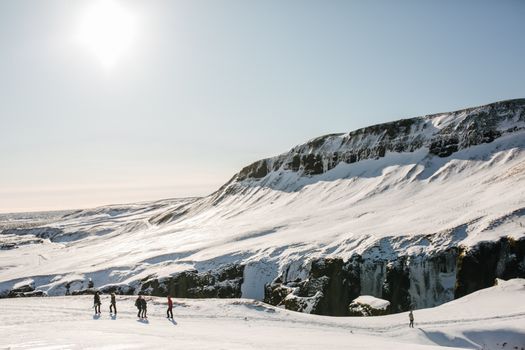
- The Experience: Similar to Sólheimajökull, tours typically last 2-4 hours on the ice. The guides lead you through a labyrinth of ice sculptures, ridges, and deep fissures, providing incredible photo opportunities and insights into the glacier's powerful forces. The sheer scale of Vatnajökull is breathtaking from up close.
- Tour Operators: Companies like Glacier Guides and Icelandic Mountain Guides operate here. Again, sturdy hiking boots are the standard, but good quality, waterproof hiking sneakers are often accepted. Rental boots are available.
- Typical Cost: Prices are similar to Sólheimajökull, ranging from $90 - $130 USD per person.
- Tripsora Tip: After your walk, visit the nearby Jökulsárlón Glacier Lagoon and Diamond Beach for more incredible icy vistas. Seeing the icebergs calve and wash ashore is an unforgettable sight!
2. New Zealand: Southern Alps' Accessible Wonders
New Zealand's South Island is a paradise for adventurers, and its Southern Alps boast stunning glaciers that are surprisingly accessible.
- Tasman Glacier (Aoraki/Mount Cook National Park):
- Why it's great: Unlike other glaciers where you start walking from the land, the Tasman Glacier offers a unique "glacier lake tour" experience. You take a boat across the Tasman Glacier Terminal Lake, navigating around icebergs that have calved off the glacier's face. From the boat, you then disembark for a short, guided walk directly onto the flat, terminal ice of the glacier. This approach makes it exceptionally accessible and a truly different perspective.
- The Experience: The boat trip itself is spectacular, bringing you up close to the towering ice face and various icebergs. The guided walk on the glacier is typically less strenuous than some Icelandic tours, focusing on exploring ice caves, seracs (ice pinnacles), and learning about the glacier's geology from your guide. It's often described as a "gentle giant" experience. Crampons are provided and fitted onto your shoes for the ice walk portion.
- Tour Operators: Glacier Explorers (part of The Hermitage Hotel) is the primary operator for these boat and walk tours. They specify that "sturdy walking shoes" are suitable, as crampons are fitted over them. This is a perfect example of a truly sneaker-friendly glacier walk!
- Typical Cost: Approximately $180 - $220 NZD (around $110 - $140 USD) per person for the combined boat trip and glacier walk.
- Tripsora Tip: Stay in Mount Cook Village for incredible stargazing opportunities – it's an International Dark Sky Reserve! The Hooker Valley Track also offers stunning views of Aoraki/Mount Cook and glacier lakes (no ice walk, but a beautiful hike).
Essential Gear & What to Pack (Beyond the Feet)
While your sneakers handle the ice, the rest of your body needs to be prepared for the elements. Glaciers are cold, windy, and often exposed. Layers are your best friend!
- Layers, Layers, Layers:
- Base Layer: Moisture-wicking (merino wool or synthetic) to keep sweat away from your skin.
- Mid-Layer: Fleece or down jacket for insulation.
- Outer Layer: Waterproof and windproof jacket and pants. This is crucial for staying dry and protected from the elements.
- Headwear: A warm hat (beanie) that covers your ears is essential. The wind chill on a glacier can be intense.
- Gloves: Waterproof and warm gloves are a must. Your hands will thank you!
- Sunglasses: The glare from the ice and snow can be extremely strong, even on cloudy days. Protect your eyes.
- Water Bottle: Stay hydrated.
- Snacks: A small energy bar or trail mix can be a lifesaver.
- Sunscreen: Even with clouds, the UV reflection off the ice can cause sunburn.
- Small Backpack: To carry your layers, water, and snacks.
- Camera Protection: A waterproof cover or a Ziploc bag for your phone/camera, just in case of rain or meltwater.
Safety First, Always! Your Glacier Guide
Walking on a glacier is an exhilarating experience, but it requires respect for nature's power. Always, without exception, go with a certified glacier guide. Trying to explore a glacier on your own is incredibly dangerous and irresponsible.
Here’s why your guide is your best asset:
- Crevasse Navigation: Glaciers are constantly moving, and hidden crevasses (deep cracks in the ice) can open up unexpectedly. Guides are trained to identify and avoid these hazards.
- Ice Conditions: They understand the ice, know where it's stable, and can read the constantly changing conditions.
- Safety Equipment: They'll properly fit your crampons, helmet, and provide an ice axe, ensuring you know how to use them.
- Knowledge: Guides offer invaluable insights into the glacier's geology, history, and the impacts of climate change, enriching your experience.
- First Aid: They are trained in wilderness first aid in case of emergencies.
Listen to your guide's instructions carefully
, stay within the designated paths, and don't wander off. Glacier walks are generally safe when led by professionals, but vigilance is key.
Capture the Ice Magic: Photography Tips
A glacier walk is an Instagrammer's dream! The otherworldly blues, whites, and dramatic formations offer endless photographic opportunities.
- Think Wide: A wide-angle lens (or your phone's wide-angle setting) is perfect for capturing the vastness of the glacier and its surrounding landscape.
- Look for Details: Don't just shoot the big picture. Zoom in on the intricate patterns in the ice, the vibrant blue hues in crevasses, or the texture of the snow.
- Add Scale: Include a person (maybe yourself!) in your shots to give a sense of the glacier's immense size.
- Play with Light: The light on a glacier can be incredible. Look for dramatic shadows, sparkling ice in direct sunlight, or the soft glow of an overcast day.
- Protect Your Gear: Keep your camera or phone in a waterproof bag or case when not in use. The cold, wind, and potential for moisture can be tough on electronics. A spare battery is also a good idea, as cold drains batteries faster.
- Action Shots: Have your guide or a fellow traveler snap a photo of you walking with your crampons and ice axe – it’s an iconic shot!
Don't Let Gear Hold You Back – Your Glacier Adventure Awaits!
My first glacier walk in sneakers wasn't just an adventure; it was a revelation. It shattered my preconceived notions about extreme travel and opened my eyes to how accessible some of the world's most incredible natural wonders truly are. The feeling of crunching across ancient ice, witnessing its raw power, and breathing in the crisp, clean air is an experience that stays with you long after your sneakers are back on solid ground.
So, if you've been dreaming of stepping onto a glacier but thought it was out of reach, it's time to reconsider. Grab your sturdiest sneakers, book a reputable guided tour, and prepare for an adventure that will forever change your perspective on ice, nature, and your own capabilities. Don't just dream about it – go experience it before it's too late!
Which glacier is calling your name? Share your icy dreams and future adventure plans in the comments below!
---