The aroma hit me first – a complex symphony of grilled meats, simmering broths, sweet spices, and something gloriously fried. It wasn't the manufactured scent of a tourist-brochure market, but the raw, honest perfume of a thousand home kitchens spilling out onto a bustling street. I was lost, completely and utterly, in a labyrinth of makeshift stalls in Hanoi, Vietnam. My phone battery had died, Google Maps was a distant memory, and I had wandered far from the well-trodden paths of the Old Quarter.
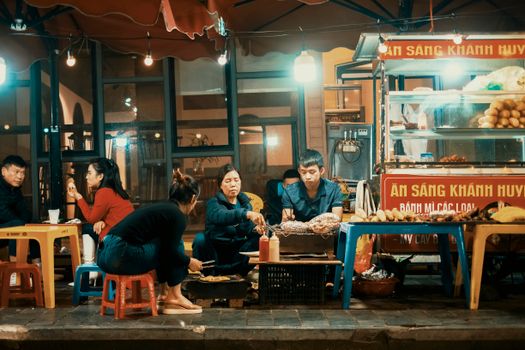
And then I saw it: a tiny plastic stool, barely two inches off the ground, beckoning me to join a dozen locals slurping down bowls of what looked like the most divine bún chả I'd ever seen. No English menu, no flashy signs, just the shared language of hunger and incredible food. That night, I discovered what it truly means to eat like a local, not just at a local place, but in a local place, before the Instagram hordes and guidebooks swoop in.
That's the magic I chase, and the magic I want to share with you. While famous night markets like Bangkok's Chatuchak or Taipei's Shilin are incredible in their own right, there's a different kind of thrill in uncovering the spots where the real culinary heart of a city beats – the markets where locals actually eat, gather, and unwind, long before they become mainstream. These are the places where the food is unapologetically authentic, the prices are ridiculously low, and every bite tells a story. Ready to ditch the tourist traps and embark on a genuine food adventure? Let's go.
The Art of the Hunt: How to Spot a Local Gem (Before Everyone Else Does)
Finding these hidden culinary havens isn't always easy, but that's part of the adventure. It requires a bit of detective work, a willingness to wander, and an open mind. Here's my tried-and-true strategy for sniffing out the real deal:
1. Go Where the Locals Go (Literally):
This sounds obvious, but it's crucial. If you're staying in a tourist-heavy area, you'll likely find tourist-focused markets. Venture out to residential districts, especially those a few metro stops or a short taxi ride from the city center. Ask your Grab/Go-Jek/local taxi driver where they eat after work, not where they take tourists.
2. Look for the "Un-Instagrammable" Signs:
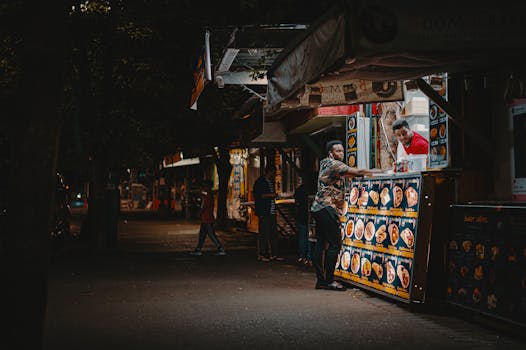
Ironically, the less "pretty" or polished a market looks, the more authentic it often is. No fancy neon signs, no English translations, no selfie sticks galore. Look for plastic stools, rudimentary setups, and a healthy dose of controlled chaos. The best food often comes from the most unassuming stalls.
3. Follow Your Nose (and the Crowds):
Seriously, your sense of smell is your best guide. If a particular aroma makes your mouth water, investigate. And observe where the longest lines are – locals know where the good stuff is. A queue of patient locals is a strong indicator of deliciousness.
4. Time it Right:
Most local night markets truly come alive after dark, usually from 6 PM onwards, and often peak around 8-9 PM. Some markets might only operate on specific days of the week, so a little research (or asking a local) can save you a wasted trip. Avoid going too early when vendors are just setting up, or too late when they're packing down.
5. Embrace the Language Barrier:
If you hear mostly local languages and see very few foreigners, you're likely in the right spot. Don't be intimidated! A smile, pointing, and a few basic phrases (like "delicious" or "thank you") go a long way. This is where Google Translate's camera function becomes your best friend.
My Top Unsung Heroes: Markets That Blew My Mind (and Palate)
Over the years, I've had the privilege of stumbling upon some truly spectacular local night markets. These aren't the ones you'll find plastered across every travel blog (yet!), but they offer an unparalleled taste of local life and cuisine.
1. Nanjichang Night Market (南機場夜市), Taipei, Taiwan: A Local's Legacy
Forget Shilin or Raohe for a moment. If you want to experience the true soul of Taipei's street food scene, head to Nanjichang. Tucked away in a residential area, this market is less about flashy trends and more about time-honored dishes, passed down through generations.
My first visit here was thanks to a local friend, Wei, who insisted I try his grandmother's favorite gua bao. "It's not fancy," he said, "but it's real." He wasn't wrong. The market's narrow lanes hum with a different kind of energy – a focused, culinary hum. Families gather, friends chat over steaming bowls, and the air is thick with the scent of braised pork, freshly made dumplings, and crispy fried chicken.
- What to Eat:
- Ah Nan Sesame Oil Chicken (阿男麻油雞): This stall is legendary. Their sesame oil chicken soup is a comforting, aromatic hug in a bowl, especially on a chilly evening. The chicken is tender, the broth deeply flavorful, and it's said to be incredibly nourishing. Expect a queue, but it moves fast. (Approx. TWD 150-250 per bowl).
- Stinky Tofu (臭豆腐): Yes, it smells challenging, but the fried version here, often served with pickled cabbage and garlic sauce, is a revelation. Don't knock it 'til you've tried it! (Approx. TWD 60-100).
- Gua Bao (割包): The Taiwanese "hamburger" – a fluffy steamed bun filled with tender braised pork belly, pickled mustard greens, and crushed peanuts. A perfect textural and flavor balance. Look for stalls specializing in it. (Approx. TWD 50-70).
- Sweet Potato Balls (地瓜球): A delightful, slightly chewy, slightly crispy fried sweet treat. Perfect for wandering and snacking. (Approx. TWD 30-50 per bag).
- Why it's Special: Nanjichang is a living testament to Taipei's culinary heritage. Many stalls have been run by the same families for decades, perfecting a handful of dishes. It's less about variety and more about mastery.
- Getting There: Take the MRT to Longshan Temple Station and then a short taxi or bus ride (or a 15-20 minute walk). It's best experienced from 6 PM onwards.
2. SS2 Night Market, Petaling Jaya, Malaysia: A Kaleidoscope of Flavors
While Kuala Lumpur has its fair share of markets, the SS2 Night Market in Petaling Jaya, just outside the city center, offers a sprawling, vibrant experience that truly reflects Malaysia's multicultural culinary landscape. I discovered it on a tip from a local food blogger who raved about its unique offerings.
This market is massive, stretching for blocks, and every corner seems to offer a new delight. Malay, Chinese, and Indian influences blend seamlessly, creating a truly diverse and exciting food journey. The energy is infectious, with families strolling, friends laughing, and vendors expertly crafting their dishes.
- What to Eat:
- Curry Laksa: A rich, coconut milk-based curry noodle soup, often with chicken or seafood. The versions here are incredibly fragrant and deeply satisfying. (Approx. MYR 8-15).
- Apam Balik (Malaysian Peanut Pancake): A sweet, thick pancake cooked on a griddle, filled with crushed peanuts, sugar, and sometimes corn. Crispy edges, fluffy center – addictive! (Approx. MYR 3-6).
- Popiah (Fresh Spring Rolls): Thin, paper-like crepes filled with jicama, carrots, beansprouts, and sometimes shrimp, all seasoned with a sweet and savory sauce. Light and refreshing. (Approx. MYR 2-4 per roll).
- Satay: Skewered and grilled meats (chicken, beef, lamb) served with a rich, spicy peanut sauce. The smoky char and tender meat are irresistible. (Approx. MYR 0.80-1.50 per stick).
- Char Kuey Teow: Flat rice noodles stir-fried with shrimp, cockles, eggs, and bean sprouts in a dark soy sauce. Look for the stalls with the most "wok hei" (breath of the wok) – that smoky, charred flavor. (Approx. MYR 8-12).
- Why it's Special: SS2 is a microcosm of Malaysia's diverse food scene. It's a place where you can sample flavors from across the country, all in one bustling location. The sheer variety and quality are astounding.
- Getting There: SS2 is a bit further out. Take the LRT to Taman Bahagia station and then a short Grab ride. It typically operates on Monday nights, so plan accordingly!
3. Chợ Hôm (Hom Market), Hanoi, Vietnam: Beyond the Old Quarter's Glare
While Hanoi's Old Quarter boasts famous food streets, Chợ Hôm offers a more authentic glimpse into local life, especially once the sun sets and the fresh produce market transforms into a vibrant eating hub. My discovery of this market was purely accidental – I was trying to find a specific tailor and got delightfully sidetracked by the intoxicating aromas.
During the day, Chợ Hôm is a bustling wet market, but by evening, the surrounding streets and alleys come alive with food stalls catering to locals heading home from work or gathering for dinner. It's less about a dedicated "night market" section and more about a cluster of incredible, unassuming eateries.
- What to Eat:
- Bún Chả: The quintessential Hanoi dish. Grilled pork patties and slices of pork belly served in a sweet, sour, and savory broth with vermicelli noodles and fresh herbs. Find a stall with a charcoal grill out front for the best smoky flavor. (Approx. VND 30,000-50,000).
- Phở Cuốn (Rolled Pho): Thin, uncooked pho noodles wrapped around stir-fried beef and fresh herbs, served with a dipping sauce. A lighter, refreshing alternative to the soup. (Approx. VND 40,000-60,000 per plate).
- Nem Lụi: Grilled pork skewers, often wrapped in lemongrass, served with rice paper, fresh vegetables, and a delicious peanut dipping sauce for you to roll your own. (Approx. VND 50,000-80,000).
- Bánh Gối (Pillow Cake): Deep-fried savory pastry filled with minced pork, mushrooms, and glass noodles. Crispy on the outside, flavorful on the inside. (Approx. VND 10,000-15,000 per piece).
- Why it's Special: Chợ Hôm offers a slice of authentic Hanoi life away from the tourist crowds. It's where locals grab a quick, delicious dinner, and the food feels genuinely homemade. The experience is intimate and unpretentious.
- Getting There: Chợ Hôm is located in Hai Ba Trung District, easily accessible by a short Grab ride from the Old Quarter. Aim for after 6 PM, particularly around Ngo Sĩ Liên Street, which is a known food street in the area.
Navigating the Chaos: Insider Tips for a Flawless Feast
You've found your local gem, now what? Here's how to make the most of your authentic night market experience:
- Bring Cash (Small Denominations): Many stalls are cash-only, and having smaller bills makes transactions quicker and easier. Plus, it's a sign of respect.
- Hydrate & Sanitize: Carry a reusable water bottle. While food hygiene in these markets is generally good (especially if you stick to popular stalls with high turnover), it's always wise to pack hand sanitizer.
- Go with an Empty Stomach (and Friends): The best way to experience a night market is to graze. Order small portions from many different stalls. Bring friends so you can share and try even more!
- Embrace the Point-and-Smile Method: If there's a language barrier, don't fret. Point to what you want, hold up the number of fingers for quantity, and smile! Most vendors are incredibly friendly and happy to serve.
- Look for Freshness: Observe how food is prepared. Does the vendor use fresh ingredients? Is the cooking area clean (by local standards)? Are they constantly cooking new batches? These are good signs.
- Be Adventurous (Within Reason): Try something new, even if you don't recognize it. That's where the best discoveries are made! However, if you have a sensitive stomach, maybe avoid raw seafood or anything that's been sitting out for a very long time.
- Dress Comfortably: You'll be walking, standing, and possibly sitting on tiny stools. Wear comfortable shoes and breathable clothing.
Beyond the Bites: The Cultural Tapestry of Local Markets
While the food is undoubtedly the star, these local night markets offer so much more than just a meal. They are vibrant cultural hubs, living museums of daily life.
- People-Watching Paradise: Pull up a stool, sip on a local drink, and just observe. Watch families interact, friends catch up, and vendors skillfully prepare their craft. You'll witness the rhythm of local life unfolding before your eyes.
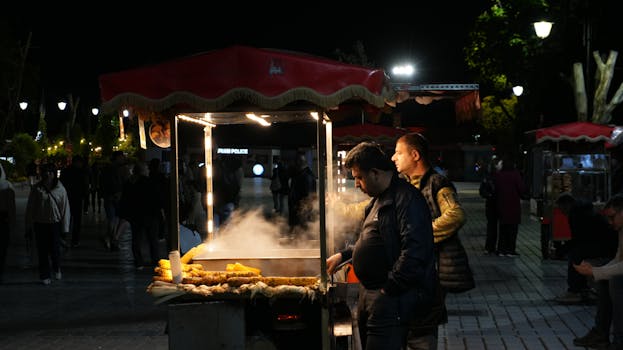
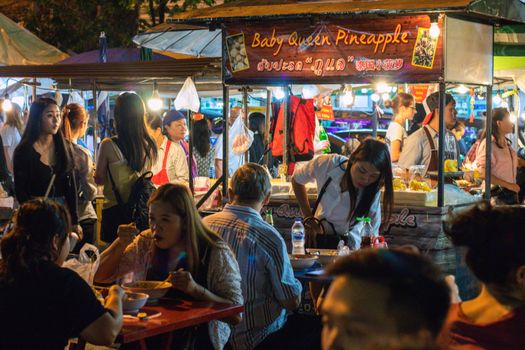
- A Feast for All Senses: It's not just the taste and smell. It's the cacophony of sounds – sizzling woks, excited chatter, the distant hum of motorbikes. It's the visual spectacle of colorful ingredients, intricate food preparation, and the warm glow of string lights illuminating the scene.
- Connecting with Locals: A simple smile, an attempt at a local phrase, or a genuine compliment about the food can open doors to brief, heartwarming interactions. These moments are often the most memorable parts of any trip. You're not just a customer; you're a temporary part of their community.
- Supporting Local Businesses: By choosing to eat at these markets, you're directly supporting local families and small businesses, often generations-old. Your money goes right back into the community, fostering sustainable tourism.
The Unwritten Rules: Being a Respectful Food Explorer
When you venture into these non-mainstream spaces, remember that you are a guest. Here's how to be a considerate and respectful traveler:
- Patience is a Virtue: Things might move slower, or there might be language barriers. Take a deep breath and enjoy the process.
- Ask Before You Photograph: While many vendors are used to tourists taking photos, it's always polite to make eye contact and gesture for permission, especially if you're taking a close-up of someone or their stall. A friendly nod usually suffices.
- Don't Haggle (for Food): Prices for food at these local markets are usually fixed and already incredibly low. Haggling over a dollar or two is not culturally appropriate and can be seen as disrespectful.
- Be Mindful of Space: These markets can be crowded. Be aware of your surroundings, don't block pathways, and make room for others.
- Clean Up After Yourself: While vendors will typically clear your table, try to keep your area tidy and dispose of your trash in designated bins if available.
The Unforgettable Taste of Authenticity
My accidental discovery in Hanoi all those years ago sparked a lifelong passion for seeking out the authentic, the hidden, and the truly local. There’s a profound satisfaction in knowing you’ve experienced a place not just as a tourist, but as a temporary local, sharing in their daily rituals and culinary joys.
These night markets are more than just places to eat; they are vibrant, beating hearts of their communities. They offer a window into culture, a symphony of flavors, and an opportunity for genuine connection. So, next time you're planning an adventure, step off the well-worn path. Ask a local, follow your nose, and dive headfirst into the incredible world of night markets where locals actually eat. You might just find your next favorite dish – and an unforgettable story to tell.
Now it's your turn! Have you stumbled upon an incredible local night market that's still under the radar? Share your hidden gems and favorite dishes in the comments below. Let's build a community of authentic food explorers!
---