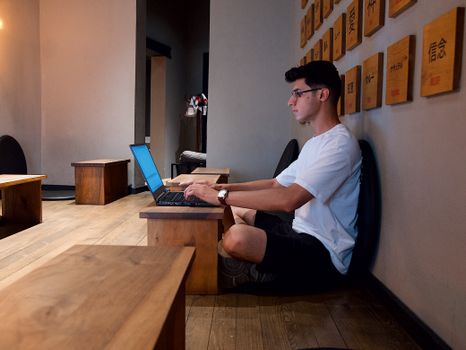
Let me take you back to my early days as a digital nomad, sipping a lukewarm coffee in a bustling café in Lisbon, the vibrant energy of the city just starting to hum around me. It was 8 AM, and I was feeling pretty smug about my "work from anywhere" dream. That is, until I realized my entire team in New York was already wrapping up their day, and I’d missed a crucial stand-up meeting. My grand plan of exploring Europe while keeping my US-based job was quickly devolving into a frantic scramble of late-night calls, missed deadlines, and a perpetually confused internal clock.
Sound familiar? The promise of remote work is freedom, but the reality of global time zones can feel like a gilded cage. For years, I battled the clock, trying to force my schedule into unnatural contortions, until I discovered a game-changing truth: you don't fight the time zones; you hack them. And guess what? The hacks I'm about to share aren't just my secret sauce; they're the trending strategies that savvy remote workers are swearing by right now.
Forget the old advice about just "suck it up" or "work when everyone else works." We're talking about smart, strategic shifts that allow you to reclaim your mornings, enjoy your evenings, and truly live the remote work dream, whether you're chasing waves in Bali or exploring ancient ruins in Rome.
Ready to unlock global freedom? Let's dive in!
1. The Asynchronous Advantage: Your New Best Friend
If you’re still trying to sync every single meeting across 12 time zones, you’re missing out on the biggest trend in remote work: asynchronous communication. This isn't just a fancy buzzword; it's a paradigm shift that frees you from the tyranny of real-time presence. Instead of live calls for every update, you communicate and collaborate on your own schedule.
My Personal Aha! Moment:
I was living in Canggu, Bali (UTC+8), trying to manage a team spread across Europe and the US. My mornings were beautiful – surfing at Echo Beach, enjoying a healthy breakfast – but my afternoons and evenings were a chaotic mess of overlapping calls. I was constantly tired and felt like I was missing out on the magic of Bali.
Then, a colleague introduced me to Loom. Instead of writing lengthy emails or scheduling live demos, I started recording short video updates, screen shares, and feedback sessions. I’d record my updates in the morning, send them off, and then my European colleagues could watch them in their afternoon, and my US colleagues in their morning. The responses would come back asynchronously, allowing me to process them later.
It was revolutionary. My days opened up. I could enjoy the sunset at Tanah Lot, knowing my work was done, and my team had everything they needed.
How to Implement Async Work Right Now:
- Embrace Video Messaging: Tools like Loom, Vidyard, or even simple phone videos are fantastic for updates, explanations, and feedback. They convey tone and context far better than text.
- Leverage Project Management Tools: Platforms like Asana, Monday.com, or Trello are your central hubs. Clearly document tasks, progress, and decisions. Make sure all communication related to a task lives within the task itself.
- Set Clear Expectations: Communicate with your team about when you'll be online for synchronous interactions and when you'll be working asynchronously. Encourage them to do the same.
- Document Everything: Create a knowledge base (Confluence, Notion) for FAQs, processes, and guidelines. This reduces the need for real-time questions.
- Batch Communication: Instead of constantly checking Slack, dedicate specific blocks of time to respond to messages. This prevents constant interruptions and allows for deep work.
Why it's Trending:
Async work isn't just about time zones; it's about respectful work, empowering employees, and fostering a culture of deep focus. It’s the ultimate hack for flexibility.
2. The "Follow the Sun" Strategy: Choosing Your Time Zone Sweet Spot
This hack is about being strategic with where you set up shop. Instead of randomly picking a destination, consider time zones that offer the best overlap with your core team or clients, while still giving you a desirable lifestyle. This is where the "digital nomad" aspect truly shines.
My "Sweet Spot" Discovery in Lisbon:
After my initial struggles, I learned to scout locations. When I moved to Lisbon, Portugal (UTC+0), it was a game-changer. My US East Coast clients were 5 hours behind, and my European clients were either in the same time zone or just 1-2 hours ahead.
This meant I could wake up at a leisurely 8 AM, grab a pastel de nata, and still have a solid 3-4 hours of focused work before my US clients even started their day. Then, I'd have a perfect overlap for meetings and collaborative work in the afternoon, finishing up around 6 PM, just in time for an evening stroll along the Tagus River.
How to Find Your Time Zone Sweet Spot:
- Identify Your Core Overlap Hours: What are the essential hours you must be available for meetings or real-time collaboration?
- Use a Time Zone Planner: Websites like WorldTimeBuddy.com or apps like Time Zone Converter will be your best friends. Input your team's locations and your desired work hours, then scout for cities that fit the bill.
- Consider "Bridge" Zones:
- For US & Europe Overlap: Cities in Western Europe (Lisbon, Canary Islands, London, Dublin – all UTC+0 or UTC+1) are fantastic. They offer a good morning overlap with Europe and an afternoon overlap with the US.
- For US West Coast & Asia Overlap: Hawaii (UTC-10) or even parts of Alaska can be interesting, though less common for nomads. More practically, cities in South America like Medellín (UTC-5) offer good overlap with the US, allowing for a later start.
- For Asia & Australia Overlap: Southeast Asian hubs like Bali (UTC+8), Bangkok (UTC+7), or Ho Chi Minh City (UTC+7) work well.
- Factor in Lifestyle & Cost: Once you have a few time zone candidates, consider the cost of living, visa requirements, internet speed, and the lifestyle you desire. For instance, Medellín offers a fantastic quality of life for a lower cost than many European cities, while Bali has an incredible community and natural beauty.
Why it's Trending:
Remote workers are no longer just working remotely; they're living remotely. This hack empowers you to design your life around your work, not the other way around.
3. The Power Hour & Deep Work Blocks: Guarding Your Focus
This hack is about intentional scheduling. Instead of letting your calendar dictate your day, you proactively block out time for your most important, high-concentration tasks, and then strategically schedule synchronous work around that.
My Chiang Mai Ritual:
When I was in Chiang Mai, Thailand (UTC+7), my US team was waking up just as I was winding down. This meant my "overlap" was late afternoon/early evening for me. I realized that if I let meetings dominate that window, my mornings, which were my most productive, would be fragmented by anticipation.
So, I started implementing "Power Hours" and "Deep Work Blocks." From 7 AM to 12 PM, my status was "Do Not Disturb." This was my sacred time for writing, coding, or complex problem-solving. I'd head to a quiet co-working space like Punspace Nimman or a serene café, put on my noise-canceling headphones, and dive deep. No emails, no Slack, no social media.
Then, from 1 PM onwards, I'd shift to communication mode – responding to emails, prepping for calls, and eventually, taking meetings from 4 PM to 7 PM. This allowed me to enjoy my mornings fully and be present and energetic for my team calls.
How to Master Your Power Hours:
- Identify Your Peak Productivity Times: Are you a morning person? A night owl? Work with your natural rhythms.
- Block It Out: Use your calendar to block out 2-4 hour chunks for "Deep Work" or "Focus Time." Treat these blocks as non-negotiable meetings with yourself.
- Communicate Your Availability: Inform your team about your deep work blocks. Use automatic status updates on Slack or Teams.
- Use Scheduling Tools: Tools like Calendly or SavvyCal allow people to book meetings only during your designated availability, preventing constant interruptions.
- Implement "No Meeting" Days/Blocks: If possible, designate certain days or even just a few hours each day as "no meeting zones" for everyone on your team.
Why it's Trending:
The world is recognizing the value of focused work. Constant interruptions kill productivity. This hack isn't just about time zones; it's about maximizing output and reducing burnout.
4. Mastering the Micro-Sleep & Napping Game: Beating Jet Lag Like a Pro
Let's be real: as much as we hack time zones for daily productivity, there will be times you're physically crossing them. The dreaded jet lag can derail days, even weeks, of your remote work efforts. But there's a trending approach to minimizing its impact: strategic sleep management and micro-naps.
My Red-Eye Rescue from Dubai to London:
I once had a brutal red-eye flight from Dubai (UTC+4) to London (UTC+0), landing at 6 AM. I had an important client presentation at 2 PM. My initial instinct was to power through, but years of experience taught me better.
After checking into my Airbnb near Borough Market, I immediately set an alarm for 90 minutes. I pulled the blinds, put on an eye mask, and took a strategic power nap. When I woke up, I felt refreshed, not groggy. I grabbed a coffee, took a brisk walk to reset my body clock with sunlight, and was sharp and ready for my presentation. That 90-minute nap was a lifesaver.
How to Master Your Sleep Across Zones:
- Pre-Adjust (if possible): A few days before a major time zone jump, gradually shift your sleep schedule by an hour or two in the direction of your destination.
- Strategic Napping: For long-haul flights or immediately upon arrival, a 20-30 minute power nap can re-energize without sending you into deep sleep (which causes grogginess). For more intense fatigue, a 90-minute cycle (a full sleep cycle) can be highly effective.
- Embrace Melatonin: A small dose of melatonin (1-3mg) can help signal to your body that it's time to sleep in your new time zone. Use it judiciously and as directed.
- Hydration is Key: Dehydration exacerbates jet lag. Drink plenty of water before, during, and after your flight.
- Sunlight Exposure: As soon as you land, seek out natural light. It's the most powerful cue for resetting your circadian rhythm.
- Avoid Caffeine/Alcohol Before Bed: Obvious, but often overlooked. They disrupt sleep quality.
- Invest in Quality Sleep Gear: A good eye mask, earplugs, and a travel pillow are non-negotiables for airplane sleep and adjusting in new environments.
Why it's Trending:
More travel means more jet lag. Remote workers are prioritizing well-being and understanding that combating jet lag isn't a luxury; it's a productivity imperative.
5. Tech Tools & Digital Nomad Essentials: Your Time Zone Arsenal
You can have all the strategies in the world, but without the right tools, you're fighting an uphill battle. Modern remote work is powered by smart tech that makes time zone management almost effortless.
My World Clock Widget MVP:
I can't tell you how many times a simple world clock widget on my phone or desktop has saved me from a late-night call snafu or an early morning email to an empty inbox. It’s a small detail that makes a huge difference.
Must-Have Tools for the Time Zone Hacker:
- World Clock Apps/Widgets:
- iOS/Android: The built-in World Clock is great.
- Desktop: "Clocker" for Mac, "World Clock & Time Zone Converter" for Windows.
- Web: WorldTimeBuddy.com, EveryTimeZone.com (fantastic for comparing multiple time zones).
- Scheduling Tools: Calendly, SavvyCal, Doodle. These allow others to see your availability across time zones and book meetings without endless back-and-forth emails.
- Communication Hubs: Slack, Microsoft Teams, Discord. Master their "Do Not Disturb" features and status updates.
- Asynchronous Video Tools: Loom, Vidyard, Soapbox.
- Project Management Software: Asana, ClickUp, Trello, Jira. Essential for clear task management and asynchronous updates.
- Noise-Canceling Headphones: Bose QC series or Sony WH-1000XM series are invaluable for focus in noisy cafes, airports, or co-working spaces.
- Reliable VPN: For security and accessing geo-restricted content. ExpressVPN or NordVPN are popular choices.
- Portable Monitor: (Optional but highly recommended) A lightweight portable monitor like the ASUS ZenScreen or a simple iPad sidecar setup can drastically improve productivity on the go.
Why it's Trending:
The tech ecosystem for remote work is constantly evolving, making global collaboration smoother than ever before. These tools aren't just conveniences; they're critical infrastructure for the modern digital nomad.
6. The "Time Zone Buddy" & Community Connection: Don't Go It Alone
One of the most powerful, yet often overlooked, time zone hacks is leveraging your network. Whether it's a colleague, a client, or another digital nomad, having a "time zone buddy" can provide invaluable support, clarity, and even accountability.
My Mexico City Co-working Crew:
When I landed in Mexico City (UTC-6), a vibrant hub for digital nomads, I immediately joined a co-working space called "The Pool." Within days, I connected with other remote workers who were also navigating US-based teams. We'd share tips on the best cafes with strong Wi-Fi, commiserate over late-night calls, and even synchronize our "deep work" blocks.
Having others who understood the unique challenges of working across borders created a sense of solidarity. We'd remind each other to set our calendars correctly, share clever Slack integrations, and even cover for each other if someone needed an extra hour to explore the Frida Kahlo Museum.
How to Cultivate Your Time Zone Support System:
- Internal Team Alignment: Have an open conversation with your team about time zone challenges. Propose solutions like async communication or specific core overlap hours.
- Find a "Time Zone Twin": Identify a colleague who works similar hours or is in a compatible time zone. You can double-check meeting times with each other.
- Join Digital Nomad Communities: Online forums (Nomad List, Reddit's r/digitalnomad) and local co-working spaces are goldmines for advice and camaraderie.
- Set Boundaries with Clients/Colleagues: Don't be afraid to politely decline a meeting that's at 3 AM your time unless it's genuinely critical. Suggest alternatives or async updates.
- Create a "Time Zone Agreement": If you're leading a team, establish clear guidelines for communication and meeting expectations across different time zones.
Why it's Trending:
Remote work can sometimes feel isolating. Building a community, both within your team and among fellow nomads, provides the social and practical support needed to thrive across borders.
Embrace the Global Clock, Don't Fight It!
The world is your office, and the clock doesn't have to be your enemy. These trending time zone hacks aren't just about managing your schedule; they're about reclaiming your freedom, optimizing your productivity, and truly living the vibrant, adventurous life you envisioned when you first dreamt of remote work.
From the quiet mornings of Bali to the bustling evenings of Lisbon, I’ve seen firsthand how these strategies transform overwhelm into opportunity. They've allowed me to explore incredible cultures, savor local delicacies, and still deliver top-notch work, all without sacrificing my sleep or my sanity.
So, what are you waiting for? Pick one hack, try it out, and watch how it transforms your remote work experience. The world is calling, and now you have the tools to answer on your own terms.
What's your favorite time zone hack? Share your tips and tricks in the comments below! And don't forget to share this post with your fellow remote workers – let's help everyone conquer the global clock!
---