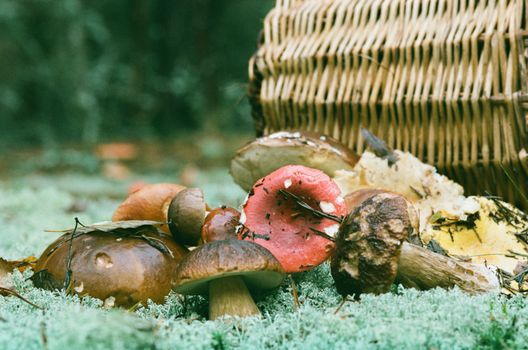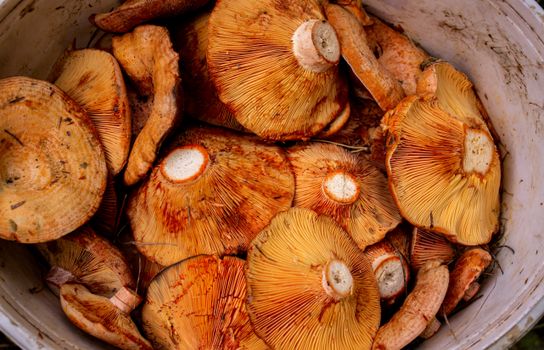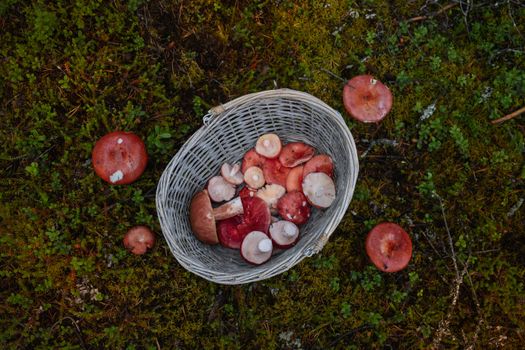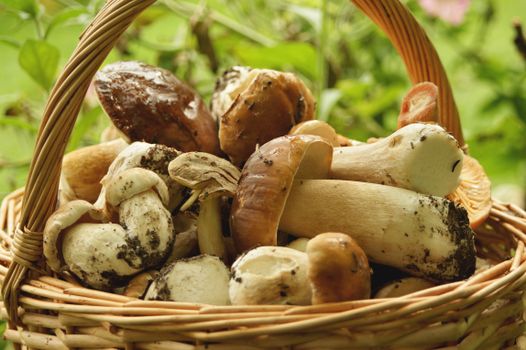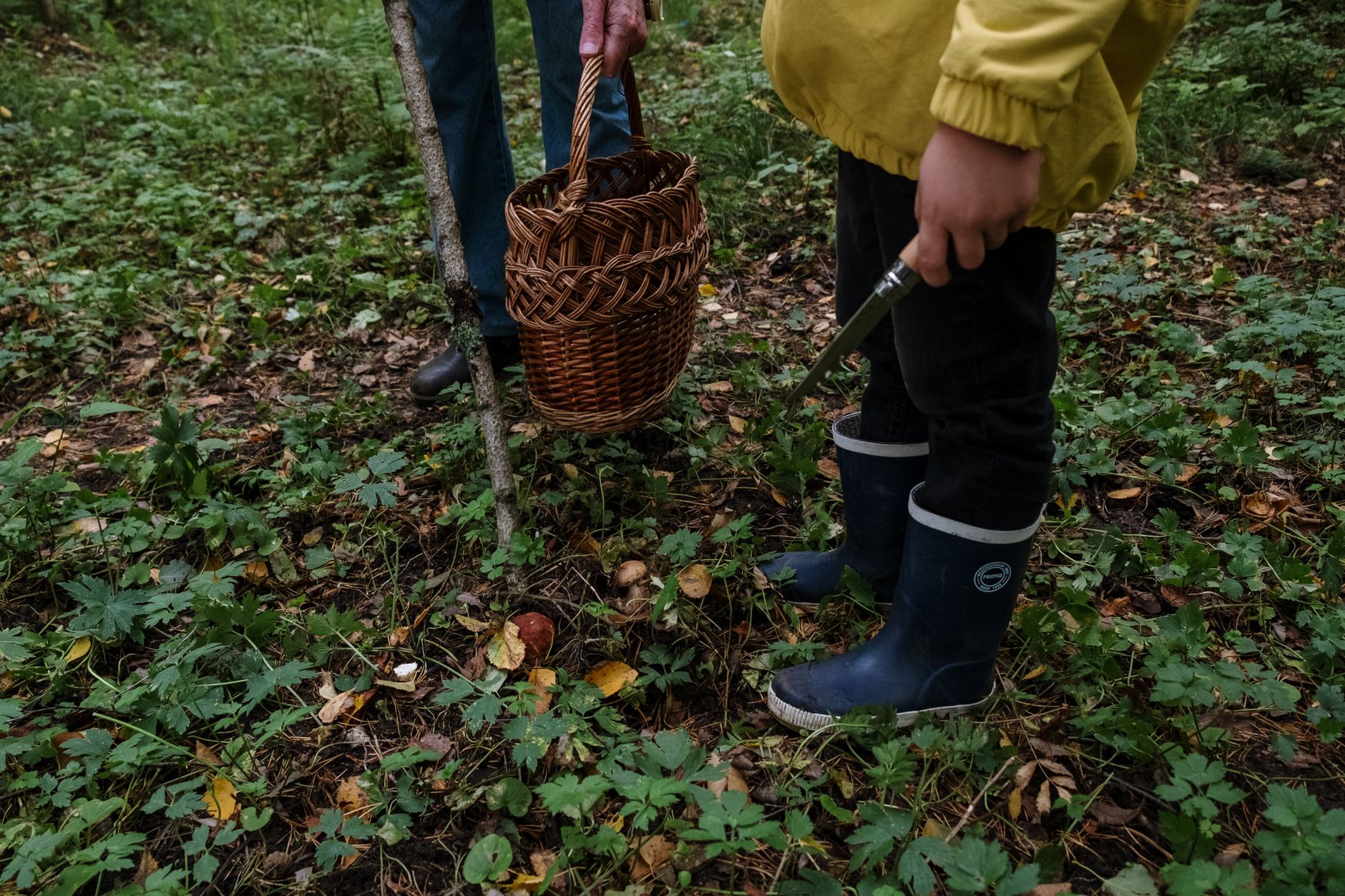
Picture this: The crisp morning air kisses your face as you step into an ancient forest, basket in hand. Sunlight dapples through the canopy, illuminating a hidden world of vibrant greens, earthy browns, and the occasional flash of scarlet. Your guide, a renowned chef, points to a patch of moss. "There," he whispers, "our chanterelles for tonight's appetizer." You kneel, carefully plucking the golden fungi, feeling a primal connection to the land, to the food, to the very essence of sustenance.
This isn't a dream, nor is it a scene from a survival documentary. This is the exhilarating reality of forage-to-table dining, an extraordinary culinary movement that invites you to be part of the ingredient-gathering process. As a seasoned travel blogger for Tripsora, I've chased countless unique dining experiences, but nothing quite compares to the profound satisfaction of eating a meal you’ve personally contributed to, guided by experts who turn your wild bounty into edible art. It’s more than a meal; it’s an adventure, a lesson, and a story you’ll tell for years.
I still remember my first time, a chilly autumn morning in the Pacific Northwest. We were hunting for elusive matsutake mushrooms. The thrill of discovery, the earthy scent of the forest floor, the camaraderie with fellow foragers – it was intoxicating. And then, returning to the warmth of the kitchen, watching the chef meticulously clean and prepare our finds, transforming them into dishes that tasted of the very landscape we had explored. It was a revelation. If you’re yearning for a dining experience that transcends the ordinary, one that ignites your sense of adventure and deepens your connection to the natural world, then these forage-to-table restaurants are experiences you absolutely need to have before you die.
The Philosophy Behind Forage-to-Table: More Than Just a Meal
Why this intense focus on wild ingredients and participant foraging? It's a confluence of desires: the yearning for authenticity, the push for sustainability, and the hunger for truly unique, immersive experiences. In an increasingly homogenized world, diners are seeking out stories, origins, and a deeper understanding of what’s on their plate.
Forage-to-table dining isn't just about finding delicious ingredients; it's about connecting with the land, understanding its rhythms, and appreciating the biodiversity that surrounds us. It champions hyper-local sourcing in its most extreme form, often focusing on ingredients that can’t be farmed or cultivated, or that possess unique flavors specific to their wild habitat. Chefs who embrace this philosophy are often environmental stewards, teaching guests about sustainable harvesting practices and the delicate balance of ecosystems. It’s a powerful educational tool wrapped in a gourmet package, fostering a profound respect for nature and a renewed appreciation for the provenance of our food.
What to Expect: Your Wild Culinary Journey Begins
So, how does this magical process actually work? While each restaurant offers its own unique spin, there's a general framework you can anticipate.
Your adventure typically begins with an early morning rendezvous, often at the restaurant or a designated meeting point. You'll be introduced to your foraging guide, usually a chef from the restaurant or a local expert with an encyclopedic knowledge of edible wild plants, fungi, and coastal treasures. After a brief safety talk and an overview of what you'll be hunting for, you'll embark on your expedition.
Equipped with baskets, small knives, and perhaps a pair of gloves, you'll venture into forests, meadows, coastal areas, or even high mountain slopes, depending on the season and location. The guide will teach you how to identify various edible species, distinguishing them from their poisonous look-alikes (a crucial skill!). You’ll learn about the best harvesting techniques to ensure sustainability, leaving enough for nature to regenerate. The thrill of spotting a rare mushroom, the satisfaction of unearthing a wild root, or the joy of finding a patch of intensely flavored berries is truly unparalleled.
After a few hours of exploration and discovery, you'll return to the restaurant with your collective bounty. This is where the magic truly begins. You might participate in the cleaning and preparation, or simply relax as the culinary team takes over, transforming your freshly gathered ingredients into a multi-course tasting menu. The dishes are often incredibly creative, highlighting the unique flavors of the foraged items, complemented by other local, seasonal produce. It's a meal born directly from the landscape, prepared with passion, and savored with an unforgettable sense of accomplishment.
Global Pioneers: Where to Forage Your Feast
While the concept of foraging for food is ancient, these restaurants elevate it to an art form, blending adventure with haute cuisine. Here are a few (some real, some inspired by the best) that define this extraordinary trend:
1. The Wild Hearth, Telemark, Norway: Nordic Forest & Fjord Delights
Nestled deep within the breathtaking Telemark region of Norway, The Wild Hearth isn't just a restaurant; it's an immersive wilderness lodge experience. Chef Ingrid Solberg, a third-generation forager, has meticulously crafted a program that celebrates Norway's abundant wild larder.
- The Foraging: Your journey begins at dawn with a hearty breakfast before you don your waterproof gear and join Chef Solberg for a trek into the surrounding ancient forests or along the pristine fjord coastline. Depending on the season, you might be seeking elusive cloudberries and lingonberries, plump boletus and chanterelle mushrooms, wild garlic, spruce tips, or nutrient-rich seaweeds like dulse and kelp. Chef Solberg shares traditional Nordic foraging wisdom, pointing out animal tracks and explaining the symbiotic relationships within the ecosystem.
- The Dining: Back at the lodge, you're invited to help clean and prepare your ingredients, perhaps de-stemming herbs or trimming mushrooms, before enjoying a traditional Norwegian sauna. Dinner is a spectacular 8-course tasting menu, often featuring dishes like "Forest Floor Risotto" with your foraged mushrooms, "Fjord-Kissed Scallops" wrapped in foraged sea lettuce, or a dessert of "Wild Berry Crumble" with freshly picked berries. The flavors are clean, pure, and deeply rooted in the Nordic landscape.
- Details:
- Location: Telemark region, Norway (specific address provided upon booking).
- Experience Duration: 2-day, 1-night packages are common, including foraging, meals, and accommodation.
- Price Range: Expect to pay NOK 8,000 - 15,000 (approx. $750 - $1,400 USD) per person, depending on the season and specific package, which often includes luxurious cabin accommodation.
- Instagram Moment: A shot of your hands holding a basket overflowing with vibrant wild berries against a backdrop of a misty Norwegian fjord. #WildHearthNorway #NordicForage
2. The Forest & The Fjord, British Columbia, Canada: Coastal Rainforest & Mountain Bounty
On Vancouver Island, British Columbia, The Forest & The Fjord offers an unparalleled opportunity to explore the rich biodiversity of Canada's Pacific Northwest. Chef Alex Chen, known for his innovative use of indigenous ingredients, leads guests on a journey through ancient rainforests and rugged coastlines.
- The Foraging: The day starts with an orientation on sustainable harvesting in the delicate rainforest ecosystem. You'll then head out with Chef Chen or his expert team, often deep into old-growth forests to hunt for prized pine mushrooms (matsutake), morels, and various edible ferns like fiddleheads. Coastal excursions might yield sea asparagus, nutrient-dense seaweeds, or even oysters and clams from pristine tidal flats. The sheer variety of ingredients here is staggering, reflecting the diverse landscapes.
- The Dining: After a refreshing break, the evening culminates in a magnificent 7-course "Rainforest & Ocean" tasting menu. Imagine "Matsutake Consommé" with foraged herbs, "Pan-Seared Halibut" with sea asparagus and wild sorrel pesto, or a delicate "Fiddlehead Fern Salad" with smoked salmon. The dishes are a harmonious blend of refined technique and raw, wild flavors, showcasing the bounty you personally helped gather.
- Details:
- Location: Near Tofino, Vancouver Island, British Columbia, Canada.
- Experience Duration: Full-day foraging expeditions with dinner, often with optional overnight stays at partner eco-lodges.
- Price Range: CAD 700 - 1,200 (approx. $500 - $900 USD) per person for the foraging and dinner experience.
- Instagram Moment: A close-up of a perfectly formed wild mushroom nestled in moss, with the lush rainforest canopy blurred in the background. #BCForage #RainforestToPlate
3. Yamato No Megumi, Nagano, Japan: Mountain Vegetables & Forest Flavors
High in the Japanese Alps of Nagano Prefecture, Yamato No Megumi (meaning "Bounty of Yamato") offers a serene yet exhilarating foraging experience steeped in tradition. This ryokan-style inn and restaurant is run by the elderly but spry Master Chef Kenji Tanaka, who learned the art of sansai (mountain vegetable) foraging from his grandmother.
- The Foraging: Your day begins with a traditional Japanese breakfast before you join Chef Tanaka in the surrounding mountains. The focus here is on sansai – a vast array of wild mountain vegetables like kogomi (ostrich fern), tara-no-me (angelica tree sprouts), fuki (butterbur), and various wild herbs. Chef Tanaka teaches not just identification, but also the historical and cultural significance of each plant in Japanese cuisine and medicine. He moves with quiet reverence, teaching you to respect the mountain's gifts.
- The Dining: Back at the ryokan, after a soothing hot spring bath, you’ll be treated to an exquisite Kaiseki dinner. Each of the 10-12 courses meticulously showcases your foraged ingredients. Think delicate tempura of tara-no-me, a vibrant sansai salad with a sesame dressing, or a deeply flavorful miso soup infused with wild herbs. The presentation is as artistic as the flavors are profound, a true celebration of Japan's wild mountain pantry.
- Details:
- Location: Rural Nagano Prefecture, Japan (specific village details provided upon booking).
- Experience Duration: Typically a 1-night, 2-day package including accommodation, foraging, and two meals.
- Price Range: JPY 50,000 - 80,000 (approx. $350 - $550 USD) per person, including ryokan stay and all meals.
- Instagram Moment: A beautifully arranged Kaiseki plate featuring colorful sansai, with traditional Japanese architecture in the background. #JapaneseForaging #SansaiCuisine
4. The Southern Bloom, Tasmania, Australia: Bush Tucker & Coastal Treasures
Tasmania, with its pristine wilderness and unique flora, is a burgeoning hotspot for native ingredient exploration. The Southern Bloom, located on the wild east coast, offers a deep dive into Australian "bush tucker" and coastal foraging, guided by Chef Mia Sterling, a passionate advocate for native ingredients.
- The Foraging: After a briefing on Tasmania's unique ecology, you'll head out to diverse environments. Coastal forays might yield sea succulents like samphire, native coastal spinach, and various seaweeds. Inland, you'll search for native berries (like muntries or pepperberries), edible native herbs (such as lemon myrtle or wattle seeds), and even wild ginger. Mia often works with local Indigenous elders, integrating their traditional knowledge of the land and its bounty into the experience.
- The Dining: Returning to the stylish, minimalist restaurant overlooking the ocean, you'll witness your foraged treasures transformed. The multi-course menu might feature "Tasmanian Oysters" with pepperberry mignonette, "Wallaby Loin" crusted with native herbs, "Samphire & Seaweed Salad," or a "Muntry Berry Tart" with wattleseed ice cream. The flavors are bold, vibrant, and distinctly Australian, unlike anything you've tasted before.
- Details:
- Location: East Coast, Tasmania, Australia (exact location provided upon booking).
- Experience Duration: Full-day foraging and dinner experience, with option for extended stays at nearby luxury eco-lodges.
- Price Range: AUD 600 - 950 (approx. $400 - $650 USD) per person.
- Instagram Moment: A vibrant plate of foraged bush tucker against the dramatic backdrop of Tasmania's rugged coastline. #TasmanianBushTucker #ForageAustralia
Practical Tips for Your Foraging Adventure
Ready to book your wild culinary escapade? Here are some essential tips to ensure a smooth and unforgettable experience:
- Book Well in Advance: These experiences are highly sought after and often have limited availability due to the personalized nature and seasonal ingredients. Six months to a year ahead is not uncommon, especially for peak seasons.
- Dress for the Elements: You'll be outdoors, often in unpredictable weather. Wear sturdy, comfortable, waterproof hiking shoes, layers of clothing, and bring rain gear. A hat and sunscreen are also wise.
- Be Prepared for Physical Activity: While not extreme mountaineering, you'll be walking, kneeling, and potentially navigating uneven terrain. A reasonable level of fitness is recommended.
- Communicate Dietary Needs: Even though the menu is dictated by nature, most chefs can accommodate allergies or dietary restrictions if informed well in advance.
- Listen to Your Guide: Their knowledge is invaluable. Pay close attention to identification tips and sustainable harvesting practices. Never eat anything you haven't positively identified with your guide.
- Embrace the Unexpected: Nature is unpredictable. The exact ingredients you find will vary with the season, weather, and luck of the day. This is part of the adventure!
- Budget Accordingly: These are luxury, immersive experiences. Prices reflect the expertise of the guides, the exclusivity of the activity, and the gourmet dining that follows.
- Respect Nature: Always follow the "leave no trace" principles. Only take what you need, and ensure you're not disturbing the ecosystem.
Beyond the Plate: The Unforgettable Experience
What truly makes these forage-to-table restaurants a "before you die" experience isn't just the delicious food, but the profound shift in perspective they offer. It’s the feeling of discovery, the quiet satisfaction of engaging with nature on a deeper level, and the privilege of learning from passionate experts.
You’ll develop a heightened awareness of your surroundings, noticing the tiny details of the forest floor or the subtle nuances of a coastal ecosystem. You'll gain a newfound appreciation for the effort that goes into sourcing food and the incredible diversity of flavors that exist beyond the supermarket shelf. The conversations around the dinner table will be richer, filled with stories of your shared adventure. And the photos? They'll be more than just food porn; they'll be vibrant memories of connection, learning, and pure, unadulterated joy.
This isn't just a meal; it's a journey for your palate, your mind, and your soul. It’s a chance to step off the beaten path, get your hands dirty, and truly taste the wild.
So, are you ready to trade your reservation for an expedition? Are you prepared to connect with your food in a way you never thought possible? I urge you, if you have the opportunity, to embark on one of these incredible forage-to-table adventures. You won't just leave with a full stomach; you'll leave with a full heart, a head full of wild stories, and a profound appreciation for the natural world that sustains us all.
Which wild ingredient would you most love to forage and eat? Share your dreams in the comments below, and don't forget to tag #TripsoraForages on your adventures!
---