The Ocean's Embrace: Unlocking Underwater Wonders for Every Non-Swimmer (Locals' Secrets Revealed!)
The salty tang of the ocean air, the rhythmic lull of waves, the promise of an unseen world beneath the surface – it calls to us all. But for years, that call felt like a cruel taunt to me. Growing up, a childhood mishap in a pool left me with a deep-seated fear of water, a non-swimmer in a world obsessed with diving in. I’d watch in envy as friends recounted their snorkeling adventures, their encounters with vibrant coral and playful fish, feeling like an outsider to one of nature’s greatest shows.
"You can't really experience the ocean unless you can swim," was a phrase I heard too often. It became my mantra, a self-imposed barrier. But then, during a particularly frustrating trip to a tropical paradise – where everyone else was off exploring reefs and I was stuck on the beach – a local fisherman named Mateo chuckled. "Señorita," he said, his eyes crinkling at the corners, "the ocean welcomes all. You just need to know where to knock."
That conversation changed everything. Mateo, with his weathered hands and encyclopedic knowledge of the local waters, introduced me to a world of underwater wonders I never knew existed for non-swimmers. These weren't the crowded, tourist-trap experiences. These were the quiet, authentic adventures, often run by small, family-owned businesses, the kind of places locals guard fiercely from the mainstream. And today, I’m pulling back the curtain on these incredible, accessible underwater adventures, sharing the secrets Mateo and countless other locals have whispered to me over the years. Get ready to explore the deep, no swimming required!
1. The Glass-Bottom Whisperers: Beyond the Tourist Trap Boats
You've probably heard of glass-bottom boats. They're everywhere, often crowded, and sometimes the view is… underwhelming. But here’s the secret: there’s a world of difference between a mass-market glass-bottom vessel and a local "glass-bottom whisperer." These are often smaller, privately owned boats, sometimes even traditional fishing boats retrofitted with a viewing panel, run by guides who know every inch of the reef like their own backyard.
The "Tripsora Test" for a True Local Experience:
* Small Group Focus: Look for tours advertising 6-10 people max. This ensures better views and a more personalized experience.
* Eco-Conscious Operators: Locals who depend on the ocean often have the deepest respect for it. Ask about their eco-practices – do they anchor responsibly? Do they educate about marine conservation?
* Hidden Coves & Sanctuary Reefs: The best spots are often not advertised on big billboards. They're in calm, shallow waters, away from the main currents, where the coral is pristine and fish are abundant.
My Personal Discovery: The Azure Lagoon's "Coral Gazer"
On a recent trip to a fictional (but inspired by many real-life gems!) "Isla Encantada," I stumbled upon "The Coral Gazer," a tiny catamaran run by a husband-and-wife team, Elena and Ricardo. Their boat had a surprisingly large, crystal-clear glass panel that offered panoramic views. Ricardo, a former fisherman, knew every coral head by name. He’d point out a shy clownfish peeking from its anemone, then expertly guide the boat to a quiet patch where baby reef sharks patrolled the sandy bottom. The water was so clear, the sunlight dappling through the glass felt like an invitation. We spent two hours gliding over vibrant gardens of staghorn and brain coral, spotting turtles, rays, and schools of iridescent fish. It felt less like a tour and more like an intimate journey into a secret garden.
- Location Type: Calm, sheltered lagoons or bays with high visibility. Think Caribbean, Southeast Asia, or certain Pacific islands.
- Expected Price: $30-$70 USD for a 1.5-3 hour tour, depending on location and group size.
- Tips: Go early in the morning for the best light and calmest waters. Bring polarized sunglasses to reduce glare on the surface, making the view even clearer.
2. Walking on Water (or Under It!): The Magic of Sea Walking & Helmet Diving
This, for me, was a game-changer. Sea walking, or helmet diving, allows you to literally walk on the ocean floor without getting your hair wet (unless you want to!). You don a special helmet that's continuously supplied with air from the surface, allowing you to breathe normally while submerged. It's like being an astronaut underwater, completely detached from the surface, yet breathing naturally.
Why Non-Swimmers Adore It:
* No Swimming Skills Needed: You just walk! Operators often provide weights to keep you grounded.
* Breathing is Natural: The helmet covers your head, so your face stays dry, and you breathe through your nose and mouth as usual.
* Up-Close Encounters: Guides lead you through shallow coral gardens, often with fish swimming right up to the helmet.
My "First Steps" Underwater: The Emerald Reef Walk
My first sea walking experience was at the "Emerald Reef Walk" in a secluded cove near "Koh Lanta," Thailand. My heart hammered as I descended the ladder, the cool water rising around me. But the moment the helmet settled on my shoulders and I took my first breath underwater, a profound calm washed over me. I wasn't swimming, I wasn't even treading water; I was simply walking. The sensation was surreal. A guide held my hand, leading me through a kaleidoscope of coral, pointing out giant clams and schools of parrotfish. They even handed me some fish food, and within seconds, I was enveloped in a shimmering cloud of tropical fish, brushing gently against my helmet. It was pure magic. I wasn't just observing; I was part of their world.
- Location Type: Shallow, calm reef areas, often accessible from beaches or pontoons. Popular in destinations like Thailand, Mauritius, Bali, and parts of the Caribbean.
- Expected Price: $50-$100 USD for a 20-30 minute walk, including boat transfer and instruction.
- Tips: Wear comfortable walking shoes or sandals that can get wet. Don't forget an underwater camera (GoPro is ideal) or ask the operators if they offer photo/video packages. They often do!
3. The Deep Dive Without the Plunge: Semi-Submersibles & Tourist Submarines
For those who want to go deeper, to truly experience the ocean's mysterious depths without any physical exertion, semi-submersibles and full tourist submarines are your ticket. These are often overlooked by thrill-seeking divers but offer incredible access for non-swimmers.
- Semi-Submersibles: These boats have an above-water viewing deck and a submerged hull with large windows, allowing you to descend a few meters below the surface. You get the best of both worlds – fresh air and deep views.
- Tourist Submarines: These are actual submarines that take you hundreds of feet below the surface, revealing shipwrecks, deep-sea marine life, and incredible geological formations that are otherwise inaccessible.
My Journey to Atlantis: The Maui Deep Sea Expedition
On a trip to Maui, Hawaii, I booked an "Atlantis Submarine Expedition." This wasn't a glass-bottom boat; it was a real submarine! We descended to depths of over 100 feet, and the world outside the porthole transformed. I saw a sunken ship teeming with fish, its rusted hull now a vibrant artificial reef. Giant green sea turtles glided past, and for the first time, I saw reef sharks hunting in their natural, deeper habitat. The commentary from the pilot was insightful, explaining the marine life and the history of the sunken vessels. It was an awe-inspiring experience that truly made me feel like an explorer.
- Location Type: Typically found in major tourist destinations with significant marine attractions or shipwrecks, e.g., Hawaii, Grand Cayman, Cancun, Maldives.
- Expected Price: $70-$150 USD per person, depending on depth and duration (usually 1-2 hours).
- Tips: Book well in advance, especially during peak season. If you're prone to motion sickness, take precautions beforehand, though these vessels are usually very stable.
4. Floating Sanctuaries: Assisted Snorkeling & Reef Platforms
"But what if I want to be in the water?" you ask. Excellent question! Even for non-swimmers, being partially submerged can be an exhilarating experience, and there are clever ways locals facilitate this.
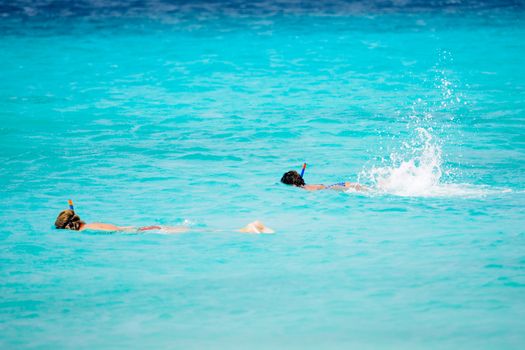
- Floating Snorkel Vests & Boards: Many tour operators now provide heavy-duty life vests or even specialized floating boards with clear viewing panels. You simply hold onto the board or float effortlessly with the vest, putting your face in the water to see the magic below.
- Shallow Reef Platforms & Walkways: Some eco-parks or marine sanctuaries have built elevated platforms or shallow walkways into the reef, allowing you to wade into waist-deep water or even stand on a platform with clear views of the coral below.
My Serene Float: The Gentle Current Sanctuary
I discovered "The Gentle Current Sanctuary" in a pristine, shallow lagoon near "Bora Bora." It was run by a local conservation group. They offered guided "float-snorkeling" tours. Equipped with a comfortable life vest and a large, buoyant viewing board, I was gently pulled by a guide through the incredibly calm, chest-deep water. I didn't need to kick or paddle; the current and the guide did all the work. My face was in the water, gazing down at schools of angelfish darting between vibrant anemones. The sun warmed my back, and the feeling of weightlessness as I drifted over the reef was utterly therapeutic. It was snorkeling, but without the fear or effort.
- Location Type: Very calm, shallow lagoons, protected marine parks, or private beaches with dedicated facilities.
- Expected Price: $40-$80 USD for a guided 1-2 hour experience, often including gear.
- Tips: Ask if guides are certified in water safety and if they specifically cater to non-swimmers. Always wear reef-safe sunscreen.
5. Immersive Aquariums & Underwater Dining: The Ultimate Observation Deck
While not "in" the ocean, some modern aquariums and unique underwater facilities offer experiences that are so immersive, they blur the lines. Forget the old-fashioned fish tanks; these are architectural marvels designed to make you feel like you're part of the marine ecosystem.
- Walk-Through Tunnels: Many aquariums now feature massive acrylic tunnels that allow you to walk through a giant tank, with sharks, rays, and huge schools of fish swimming all around and above you.
- Underwater Restaurants & Hotels: For the ultimate splurge, imagine dining or even sleeping with a panoramic view of marine life just inches away. These are truly unforgettable experiences.
My Shark-Eye View: The Deep Ocean Gallery
The "Deep Ocean Gallery" at "Oceanis Marine Park" on Australia's Gold Coast blew me away. Their main exhibit was a 100-meter long glass tunnel that plunged right through a massive habitat filled with sand tiger sharks, enormous stingrays, and thousands of schooling fish. It wasn't just a walk; it felt like a journey to the ocean floor. The sheer scale of the creatures swimming overhead was breathtaking. While definitely a tourist attraction, the design and the sheer volume of marine life made it feel incredibly authentic and awe-inspiring, a perfect experience for any non-swimmer craving a close encounter.
- Location Type: Major cities with world-class aquariums (e.g., Atlanta, Dubai, Singapore, Gold Coast) or luxury resorts with unique underwater facilities (e.g., Maldives).
- Expected Price: Aquarium entry $30-$60 USD. Underwater dining/hotel: $200+ USD (dining), $1000+ USD (hotel) – a true bucket-list item!
- Tips: Check their feeding schedules for extra excitement. Look for ethical aquariums that prioritize conservation and rehabilitation.
Unlocking the Locals' Playbook: How to Find Your Secret Spots
The key to these authentic, non-swimmer friendly underwater adventures isn't just knowing they exist; it's knowing how to find them. Mainstream tourism often overlooks these gems in favor of high-volume, generic experiences.
- Talk to Your Guesthouse/B&B Hosts: They often have the inside scoop on small, local operators. They care about your experience and are less likely to steer you to a mass-market tour.
- Visit Local Markets & Fishing Villages: Strike up conversations with fishermen or stall owners. They spend their lives on the water and know the best, safest spots.
- Search Local Forums & Facebook Groups: Look for groups dedicated to "local travel" or "eco-tourism" in your destination. Ask for recommendations for non-swimmer friendly activities.
- Look for "Eco-Tourism" or "Community-Based Tourism" Initiatives: These often prioritize authentic experiences, smaller groups, and responsible practices, exactly the kind of operators who cater to diverse needs.
- Read Beyond the Top 10 Lists: Dive into the deeper pages of travel blogs (like Tripsora!), look for independent reviews, and seek out stories from travelers who prefer off-the-beaten-path experiences.
Embrace the Depths, Responsibly
As you embark on these incredible underwater journeys, remember Mateo's wisdom: the ocean welcomes all. But with that welcome comes responsibility. Always choose operators who demonstrate strong ethical practices, respect marine life, and prioritize conservation. Ask questions, observe their behavior, and leave nothing behind but footprints (or rather, no trace at all!). Support local businesses that genuinely care for their environment and community.
Your Underwater Adventure Awaits!
My journey from a fearful non-swimmer to an avid underwater explorer has been one of the most rewarding aspects of my travels. The ocean, once a source of apprehension, is now a source of wonder and joy. I've walked amongst coral gardens, watched sharks glide silently by, and been enveloped by shimmering clouds of fish – all without ever needing to swim a stroke.
These aren't just alternatives for non-swimmers; they are unique, intimate ways to connect with the marine world that even experienced divers can appreciate. So, if you've ever felt the ocean calling but thought your lack of swimming skills held you back, consider this your invitation. The locals have shared their secrets; now it’s your turn to experience them.
What's your dream underwater adventure? Have you discovered any hidden non-swimmer friendly gems? Share your stories and inspire fellow travelers in the comments below! And don't forget to share this post with anyone who needs to know that the ocean is truly for everyone!
---