Remember that feeling? You’re standing amidst a bustling market, the scent of exotic spices fills the air, vibrant textiles surround you, and local chatter creates a symphony of foreign sounds. You’re there, but are you truly in it? For years, my travels felt like a beautiful, high-definition movie I was watching from a comfortable, yet distant, seat. I saw the sights, tasted the food, snapped the photos, but a piece of me yearned for something deeper. I craved connection, understanding, and a genuine immersion that went beyond the surface.
Then, a few years ago, a spontaneous decision led me to a small temple in Bali. Dressed in a traditional sarong, I found myself standing in a line of locals, waiting to enter a sacred spring. The water was cool, the air thick with incense, and as I performed the ancient Melukat purification ritual, something shifted. It wasn't just a physical cleanse; it was a soul-level reset. I wasn't just observing anymore; I was participating. And it was utterly transformative.
Since then, actively seeking out traditional ceremonies where I can respectfully participate has become a cornerstone of my travel philosophy. And guess what? This isn't just my secret anymore. More and more travelers are craving these authentic, hands-on experiences, making participatory ceremonies one of the hottest trends in travel right now.
Forget passive tours. It's time to dive in. Here are six trending traditional ceremonies around the world where you can not only witness but join the magic, leaving you with memories far richer than any souvenir.
1. The Spiritual Cleanse of Bali: Melukat Water Purification Ceremony, Indonesia
What it is:
The Melukat ceremony is a Balinese Hindu ritual of purification, cleansing the body, mind, and spirit of negative influences, often performed at sacred springs or temples. It’s believed to wash away impurities and bring spiritual renewal.
My Experience:
My first Melukat at Tirta Empul temple was a revelation. The air hummed with devotion, the scent of frangipani and incense wafted through the humid air. Following my local guide, I approached the spring, offering prayers and flowers at each spout. The water, cool and invigorating, felt like it was literally scrubbing away stress and stagnant energy. It wasn’t just the physical sensation; it was the shared reverence, the quiet faith of the people around me, that made it so profound. I emerged feeling lighter, clearer, and deeply connected to Bali's spiritual heart.
How YOU Can Participate:
* Where: The most famous spot is Tirta Empul Temple in Tampaksiring, but many local temples and even guesthouses with sacred springs offer Melukat. Ubud is a great base for this.
* What to Expect: You’ll typically wear a sarong and sash (often provided or rented at the temple). A local guide can explain the steps: making offerings, praying, and then immersing yourself under various water spouts.
* Cost: Temple entrance fees are usually around IDR 50,000-100,000 ($3-7 USD). A guide, highly recommended for understanding the nuances, might cost IDR 200,000-500,000 ($15-35 USD) for a few hours, often including sarong rental.
* Etiquette: Dress modestly. Women on their menstrual cycle are generally asked not to enter sacred areas. Always follow your guide's instructions.
* Instagram Moment: The serene expressions, the flowing water, the vibrant offerings, and the ethereal mist rising from the springs make for incredibly powerful and respectful photos. Capture the sense of peace and renewal.
2. Connecting to Mother Earth: Pachamama Despacho Ceremony, Peru
What it is:
A Pachamama Despacho is an ancient Andean ritual of gratitude and reciprocity, an offering made to Mother Earth (Pachamama) to thank her for her bounty and to ask for blessings. It's a beautiful expression of the deep connection the Quechua people have with nature.
My Experience:
High in the Sacred Valley, under the shadow of towering peaks, I participated in a Despacho ceremony led by a warm, wise Q'ero shaman. We sat in a circle, carefully arranging leaves, seeds, sweets, and even shells into an intricate mandala on a piece of paper. Each item carried a specific intention – for health, abundance, love, or gratitude. As the shaman chanted in Quechua, his voice resonating with centuries of tradition, I felt a powerful sense of unity with the land and the universe. Burning the offering afterwards felt like releasing my intentions into the cosmos.
How YOU Can Participate:
* Where: Primarily in the Sacred Valley (Cusco, Pisac, Ollantaytambo) and other Andean regions of Peru. Many responsible tour operators and eco-lodges can connect you with authentic Q'ero or local shamans.
* What to Expect: The ceremony involves preparing a "despacho" (offering bundle) with various symbolic elements, led by a shaman. You'll be invited to place items with your intentions. It concludes with the offering being burned or buried.
* Cost: This can vary significantly. A private ceremony for a small group might range from $50-150+ USD per person, depending on the shaman's experience and the duration. Always ensure you are supporting an authentic shaman and community.
* Etiquette: Approach with an open heart and respect. Avoid taking photos without explicit permission, especially during sensitive moments.
* Instagram Moment: The vibrant, intricate offerings laid out, often against a stunning mountain backdrop, are visually captivating. Focus on the details of the offering and the setting.
3. Blessings from the Monks: A Thai Experience
What it is:
Receiving a blessing from Buddhist monks is a common and revered practice in Thailand. It's a way to make merit, seek good fortune, protection, and spiritual peace.
My Experience:
In Chiang Mai, I visited a smaller, less touristy temple early one morning. After offering food during the alms round, I knelt with a few other visitors before a monk. He chanted in Pali, his voice a soothing balm, as he sprinkled us with holy water and tied a sai sin (blessing string) around my wrist. The simplicity of the ritual, the monk's gentle demeanor, and the quiet reverence of the temple created an incredibly peaceful and grounding experience. It wasn’t about grand gestures, but profound moments of quiet reflection and respect.
How YOU Can Participate:
* Where: Major temples across Thailand, especially in Chiang Mai (Wat Phra Singh, Wat Chedi Luang) and Bangkok (Wat Arun, Wat Pho). Many temples offer blessings specifically for visitors.
* What to Expect: You’ll typically kneel before the monk. Men and women usually sit separately, with women needing to ensure they do not directly touch a monk. You might be sprinkled with holy water and receive a sai sin bracelet.
* Cost: Blessings are usually free, but a donation to the temple is highly encouraged and appreciated. Offerings (flowers, incense, candles) can be purchased at the temple for a small fee (e.g., 20-50 THB, ~$0.60-1.50 USD).
* Etiquette: Dress modestly (shoulders and knees covered). Remove your shoes before entering the temple. Always sit with your feet tucked behind you, not pointing towards the Buddha image or monks. Bow your head respectfully.
* Instagram Moment: The serene expressions, the vibrant orange robes of the monks, the intricate temple architecture, and the delicate sai sin on your wrist can create beautiful, respectful images.
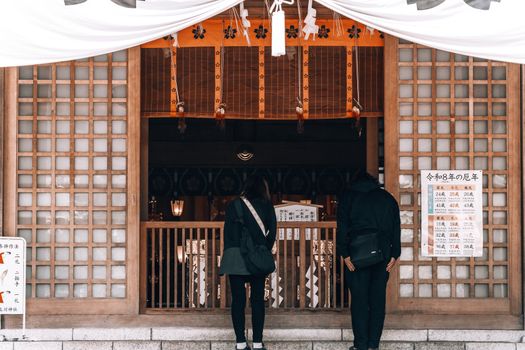
4. The Art of Presence: Japanese Tea Ceremony (Chanoyu)
What it is:
More than just making tea, the Japanese Tea Ceremony (Chanoyu or Chado) is a highly ritualized, meditative art form emphasizing harmony, respect, purity, and tranquility. It's a profound practice of mindfulness and aesthetic appreciation.
My Experience:
Stepping into a traditional tea house in Kyoto felt like entering another dimension. The quiet elegance, the precise movements of the tea master, the gentle whisking of the matcha – every detail was an exercise in presence. As I sipped the bitter yet earthy tea from a handcrafted bowl, I felt a deep sense of calm wash over me. It forced me to slow down, to appreciate the beauty in simplicity, and to truly be in the moment – a rare luxury in our fast-paced world. It was less about the tea itself and more about the mindful journey.
How YOU Can Participate:
* Where: Kyoto is the spiritual home of Chanoyu, with numerous tea houses and cultural centers offering experiences. Tokyo also has excellent options. Look for places offering "authentic tea ceremony experience."
* What to Expect: You'll be guided through the ritual of preparing and drinking matcha tea, often in a tatami mat room. You'll learn about the aesthetics, history, and philosophy behind each movement.
* Cost: Experiences can range from ¥3,000-8,000 ($20-55 USD) for a basic group session to ¥10,000+ ($70+ USD) for more private or extensive lessons.
* Etiquette: Remove your shoes. Bow upon entering and leaving. Follow the host's instructions for holding the bowl and sipping. Dress comfortably but respectfully.
* Instagram Moment: The vibrant green matcha in a beautiful ceramic bowl, the elegant, deliberate movements of the host, the serene tatami room, and the delicate Japanese sweets make for incredibly aesthetic and calming visuals.
5. Adorning with Ancient Art: Moroccan Henna Ceremony
What it is:
Henna is a temporary body art, made from the dried leaves of the henna plant, deeply embedded in Moroccan culture. Applied for celebrations, weddings, and simply for beauty, participating in a henna ceremony is a joyful way to connect with local women and ancient traditions.
My Experience:
Wandering through the labyrinthine souks of Marrakech, I was drawn to a small, brightly lit stall where a group of women were chatting and laughing, their hands being adorned with intricate designs. I sat down hesitantly, but the warm smile of the artist, Fatima, instantly put me at ease. As she meticulously applied the rich paste, transforming my hand into a canvas of swirling patterns, we chatted through broken English and hand gestures. The entire experience was one of shared femininity, artistry, and connection. I walked away not just with beautiful art, but with a sense of having shared a moment of authentic Moroccan life.
How YOU Can Participate:
* Where: You’ll find henna artists in souks (markets) in Marrakech, Fes, Chefchaouen, and other cities. For a more authentic experience, look for women's cooperatives or ask your riad host for recommendations.
* What to Expect: An artist will apply a paste made from henna to your hands or feet, creating beautiful, temporary designs. It dries and flakes off, leaving a reddish-brown stain that lasts 1-3 weeks.
* Cost: Prices vary based on design complexity and size, typically ranging from 50-200 MAD ($5-20 USD). Always agree on a price beforehand.
* Etiquette: Be clear about the size and style you want. Real henna has an earthy, almost grassy smell; avoid "black henna" as it can contain harmful chemicals.
* Instagram Moment: The intricate patterns forming on your skin, the vibrant colors of Moroccan textiles in the background, the hands of the artist at work – it’s a beautiful celebration of art and culture.
6. A River of Light & Faith: Participating in Varanasi’s Ganga Aarti, India
What it is:
The Ganga Aarti is a mesmerizing Hindu ritual of worship performed every evening on the banks of the sacred Ganges River in Varanasi. While performed by priests, tourists can profoundly participate by offering flowers and lamps to the river.
My Experience:
The ghats of Varanasi at sunset are an assault on the senses in the most magnificent way. The air pulsates with devotional music, the scent of incense and marigolds is intoxicating, and thousands of people gather in anticipation. As the Aarti began, the priests, adorned in saffron, moved in synchronized reverence, swirling multi-tiered lamps of fire. I bought a small diya (oil lamp) with marigolds from a local vendor, and carefully, reverently, launched it into the holy Ganges. Watching my tiny flame bob and drift amidst thousands of others, carrying prayers and hopes, was an incredibly humbling and powerful experience. I felt like a tiny, yet significant, part of something ancient and immense.
How YOU Can Participate:
* Where: Dashashwamedh Ghat in Varanasi is the most famous and largest Aarti ceremony.
* What to Expect: Arrive early (an hour before sunset is ideal) to secure a good spot on the ghats or from a boat on the river. You can purchase small leaf boats containing flowers and a diya from vendors to offer to the Ganges.
* Cost: The Aarti itself is free. A boat ride to view it from the river might cost 100-200 INR ($1.20-2.40 USD) per person. Diyas and flower offerings are typically 20-50 INR ($0.25-0.60 USD).
* Etiquette: Dress modestly. Be respectful of the religious nature of the event. Avoid excessive talking or disruptive photography.
* Instagram Moment: The sheer spectacle of thousands of flickering lamps on the river, the priests performing with fire, and the fervent crowds create an unforgettable, visually stunning, and deeply spiritual scene. Capture the glow and the grandeur.
Practical Tips for Respectful Participation
Participating in traditional ceremonies is a privilege, not a right. Here’s how to ensure your experience is authentic and respectful:
- Do Your Homework: Research the ceremony beforehand. Understand its significance, history, and basic etiquette.
- Go with a Reputable Guide: Especially for more complex rituals, a local guide (or a trusted tour operator) can be invaluable. They bridge the cultural gap, explain nuances, ensure you act appropriately, and often have relationships with the local community or spiritual leaders.
- Dress Appropriately: Always err on the side of modesty. Cover shoulders and knees. Some ceremonies require specific attire (like sarongs in Bali).
- Ask for Permission (Especially for Photos): Before snapping away, politely ask if photography is allowed. During sacred moments, it’s often best to put your camera away and simply be present.
- Be Present: This is key. Don't just go for the Instagram shot. Engage with your senses, open your heart, and allow yourself to be immersed in the moment. The most profound memories are made when you're truly there.
- Respect Local Customs: If asked to remove shoes, sit in a certain way, or refrain from touching something, comply without question.
- Offer a Donation or Support: Many ceremonies rely on donations to maintain temples or support spiritual leaders. If there’s a suggested donation, give generously if you can. If you hire a guide, ensure they are fairly compensated.
- Leave No Trace: Be mindful of your environmental impact, especially when offerings are made in natural settings like rivers or forests.
Ready to Dive In?
Stepping beyond the tourist facade and actively participating in a traditional ceremony is more than just a travel experience; it's a journey into the heart of a culture, a path to self-discovery, and a profound way to connect with humanity. It’s about creating moments that resonate deep within your soul, stories you’ll tell for a lifetime, and perspectives that will forever change how you see the world.
Which of these trending ceremonies calls to you the most? Have you participated in a traditional ceremony that transformed your travels? Share your stories and inspire fellow wanderers in the comments below! Let’s make our travels not just about seeing the world, but feeling it.