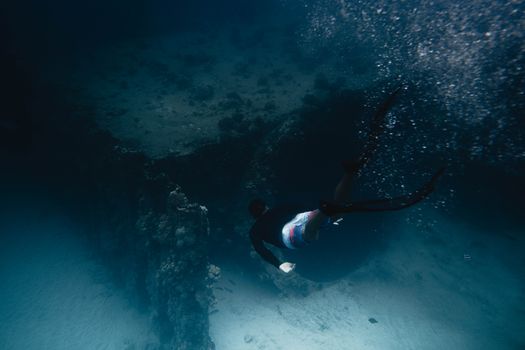
The Ocean's Call: Unlocking Underwater Wonders, No Swim Skills Required!
I remember it like yesterday. Standing on a pristine beach in the Maldives, the turquoise water lapping at my toes, an almost primal urge to plunge into the vibrant world beneath the surface. Schools of iridescent fish darted just offshore, and the promise of coral gardens felt impossibly close. There was just one tiny problem: I’m not exactly Michael Phelps. In fact, my swimming skills are, generously put, "survival-level dog paddle." For years, I thought the magic of the deep was reserved for snorkelers and divers, a world forever just out of my reach.
But oh, how wrong I was!
Over the past few years, the travel industry has brilliantly evolved, recognizing that the allure of the ocean transcends swimming abilities. Today, a whole new wave of innovative, thrilling, and utterly breathtaking underwater adventures has emerged, specifically designed for us – the landlubbers, the non-swimmers, the cautious explorers who still crave that connection with marine life. And let me tell you, these experiences aren't just an alternative; they are the trending way to get up close and personal with the ocean's secrets without ever needing to kick a single stroke.
So, if you’ve ever dreamt of floating among coral reefs, coming eye-to-eye with a sea turtle, or exploring sunken treasures, but your swim cap gathers dust, get ready. Because Tripsora is about to unveil the most incredible, Instagram-worthy, and absolutely no-swim-needed underwater adventures trending right now!
The Dry & Mighty: Submersibles, Semi-Submarines & Underwater Observatories
Let's kick things off with the ultimate "dry" dive – experiences where you're completely enclosed, comfortable, and absolutely mesmerized. These are perfect for those who want zero water contact but maximum underwater immersion.
1. Submarine Tours: Descending into the Deep Blue
Imagine stepping into a real submarine, not just a movie prop, and slowly descending hundreds of feet into the ocean's embrace. This isn't science fiction; it's a readily available, utterly spectacular adventure.
- My Experience: My first time on an Atlantis Submarine was in Waikiki, Hawaii, and it was nothing short of magical. As we sank deeper, the world outside the portholes transformed from bright blue to an ethereal twilight. We glided past vibrant coral formations, remnants of an old sunken ship, and schools of fish so dense they looked like shimmering walls. A massive green sea turtle gracefully swam by, its ancient eyes seemingly looking right at me. The guide's commentary was fantastic, pointing out specific species and sharing fascinating facts. It felt like being an astronaut, but in the ocean!
- Where to Find Them: Atlantis Submarines operate in several stunning locations, including Hawaii (Oahu, Maui, Kona), Guam, Aruba, and Grand Cayman.
- What to Expect: These are proper, air-conditioned submarines with large viewing windows. You'll sit comfortably, often with individual portholes or shared large windows. Tours typically last 1.5-2 hours, including transit time.
- Price Point: Expect to pay around $100-$150+ USD per person, depending on the location and specific tour. Worth every penny for the unique perspective!
2. Semi-Submarine & Glass-Bottom Boat Hybrids: Eye-Level Reef Views
For a slightly less deep but equally captivating experience, semi-submarines offer a fantastic alternative. These vessels have an upper deck for surface viewing and a submerged hull with large windows, allowing you to descend just below the waterline.
- My Experience: I tried a semi-submarine tour in Sharm El Sheikh, Egypt, sailing over the incredible Red Sea reefs. The beauty was astounding! From the air-conditioned cabin below deck, I watched parrotfish nibble on coral, clownfish dance in anemones, and even spotted a reef shark cruising in the distance. It’s perfect for families, as kids absolutely adore being "underwater" without any fuss. The boat often pauses over particularly vibrant sections, giving you ample time for photos and appreciation.
- Where to Find Them: Popular in many reef-rich destinations like Egypt, Maldives (e.g., Whale Submarine), Australia (Great Barrier Reef), Caribbean islands, and Southeast Asia (e.g., Thailand, Philippines).
- What to Expect: You're usually sitting in a comfortable, dry cabin with large windows. The view is typically of the immediate reef system, bustling with marine life.
- Price Point: Generally more affordable than full submarines, ranging from $40-$80 USD per person for a 1-2 hour tour.
3. Underwater Observatories: Stationary Windows to Another World
Imagine a permanent, submerged structure offering panoramic views of the ocean floor. That's an underwater observatory, and they are incredible.
- Where to Find Them: The most famous is the Coral World Underwater Observatory in Eilat, Israel, which plunges 6 meters deep, offering incredible views of the Red Sea reef system. There are also smaller, often integrated observatories within aquariums or resorts in places like Japan and Maldives.
- What to Expect: A completely dry, often multi-level experience with massive windows showcasing diverse marine life in its natural habitat. It's like a giant, living aquarium where you are inside the tank.
- Price Point: Observatory entrance fees can range from $25-$50 USD, often part of a larger marine park or attraction ticket.
Walking on Water... or Under It! Helmet Diving & Sea Walking
Now, if you're willing to get a little wet (from the neck down!), these experiences are an absolute game-changer for non-swimmers. You walk on the seabed, breathing normally, with your head completely dry!
1. Helmet Diving (Sea Trek, Ocean Walker): The Ultimate No-Swim Immersion
This is, hands down, one of the most incredible things I've ever done as a non-swimmer. You wear a specially designed helmet that rests on your shoulders, constantly supplied with air from the surface, allowing you to breathe naturally while walking on the ocean floor.
- My Experience: My first Sea Trek was in Aruba, and it completely blew my mind. After a brief safety briefing, I descended a ladder to a platform a few feet below the surface. The instructors helped me put on the heavy helmet, and then, with a little push, I was on the seabed! My hair stayed dry, I could wear my glasses, and I was breathing normally, just like on land. The sensation of walking among fish, touching coral (gently, of course!), and seeing a giant moray eel peek out from its lair was surreal. The fish were so accustomed to humans they swam right past my helmet! It felt like I was in an astronaut suit exploring an alien planet. Truly a bucket-list experience for any non-swimmer.
- Where to Find Them: Widely available in popular tourist destinations known for clear waters and vibrant reefs, including many Caribbean islands (Aruba, St. Martin, St. Thomas, Grand Cayman), Hawaii, Mexico (Cancun, Cozumel), Mauritius, Bali, and Australia (Port Douglas). Look for "Sea Trek" or "Ocean Walker" experiences.
- What to Expect: A short boat ride to a designated reef area, a thorough safety briefing, and then a guided walk on the seabed for about 20-30 minutes. You're constantly supervised by experienced divers.
- Price Point: Typically ranges from $80-$120 USD per person, often including photos or videos of your experience.
2. Sea Walking: Simpler, Shallower, Still Stunning
Similar to helmet diving but often in shallower waters and with slightly different equipment. The principle is the same: walk on the seabed with an air supply.
- My Experience: I tried a simpler "sea walking" experience in Phuket, Thailand. The setup was a bit less formal than Sea Trek, but the experience was equally thrilling. We were in a calm, shallow bay, and the marine life was abundant. It's a fantastic option for those who might be a bit nervous about going too deep or prefer a slightly shorter underwater time.
- Where to Find Them: Common in many Southeast Asian destinations like Thailand, Vietnam, Philippines, and some Indian Ocean islands.
- What to Expect: A guided walk, usually for 15-20 minutes, in shallower reef areas.
- Price Point: Often slightly less than full helmet diving, around $60-$100 USD.
Glass-Bottom Wonders: Boats, Kayaks & Viewers
These are perhaps the most accessible and often budget-friendly ways to peek beneath the waves without getting wet. Don't underestimate their charm!
1. Traditional Glass-Bottom Boat Tours: A Classic for a Reason
The OG of non-swimmer ocean exploration. These boats have a clear panel or "well" in the bottom, allowing passengers to view the marine life directly below.
- My Experience: I've taken countless glass-bottom boat tours, from the vibrant reefs of Key Largo, Florida, to the protected marine parks of Fiji. They're always a hit, especially with families. The captains are usually incredibly knowledgeable, pointing out specific fish, coral types, and even hidden treasures. It's a relaxed way to cover a lot of ground and see diverse ecosystems. Plus, the fresh sea air and sunshine on the top deck are an added bonus!
- Where to Find Them: Virtually any coastal tourist destination with clear water and marine life will offer these. Think Caribbean, Mexico, Florida, Australia, Southeast Asia, Mediterranean.
- What to Expect: A comfortable boat ride, often with commentary, focusing on specific reef areas. Great for all ages.
- Price Point: Very affordable, typically $20-$50 USD per person for a 1-2 hour tour.
2. Clear Kayaks & Paddleboards: Paddle and Peer
This is a trending, more active way to get your underwater fix! Transparent kayaks or paddleboards allow you to paddle over reefs while looking directly down through the clear hull.
- My Experience: Renting a clear kayak in the Florida Keys was a revelation. It felt like I was floating on air, with the vibrant seagrass beds and occasional stingrays gliding beneath my feet. It's incredibly peaceful and offers a very intimate perspective. You're in control of your journey, allowing you to linger over interesting spots.
- Where to Find Them: Gaining popularity in destinations with calm, clear waters, such as the Florida Keys, Hawaii, parts of Mexico, and various calm bays in the Caribbean and Southeast Asia.
- What to Expect: You'll be paddling, so a moderate level of physical activity is required. You'll get a unique, unguided view of the shallow marine environment.
- Price Point: Rentals typically range from $30-$60 USD per hour or two.
3. Reef Boards & Viewers: Personal Underwater Exploration
For a truly personal experience, consider a reef board or floating viewer. These are essentially small boards with a magnifying glass or clear window built-in, allowing you to float on the surface and peer directly into the water below.
- Where to Find Them: Often available for rent at resorts or beach shacks in calm, clear-water destinations. You can also buy your own online.
- What to Expect: You'll be floating on the surface, so a basic comfort level with water is helpful, but no swimming is required. It's a quiet, meditative way to observe marine life.
- Price Point: Rentals are usually very low, $10-$20 USD per hour/day.
The Future is Now: Immersive Tech & Virtual Reality
While not "real" underwater experiences in the traditional sense, these trending technological marvels offer incredible, hyper-realistic glimpses into the deep, often exploring places humans can't even reach.
1. VR Underwater Experiences: Dive into the Impossible
Many aquariums, science museums, and even dedicated VR centers now offer incredibly realistic virtual reality experiences that transport you to the deepest trenches, alongside whales, or through bioluminescent forests.
- My Experience: I tried a VR experience at an aquarium in San Francisco that simulated a deep-sea submersible dive. It was astonishingly immersive! I "swam" with giant squid, witnessed hydrothermal vents, and explored ecosystems I could never otherwise see. While it lacks the tactile sensation of the real ocean, the visual and auditory immersion is truly powerful.
- Where to Find Them: Increasingly common in major cities, large aquariums (e.g., Monterey Bay Aquarium, Georgia Aquarium), and dedicated VR arcades worldwide.
- What to Expect: A head-mounted display and often haptic feedback chairs or controllers that make you feel like you're moving.
- Price Point: Varies widely, from $10-$30 USD for a short experience.
2. Immersive Digital Exhibits: Art Meets Ocean
Some contemporary art spaces and museums are creating vast, multi-sensory digital projections that surround you with ocean imagery, soundscapes, and even scents, mimicking an underwater environment.
- Where to Find Them: Look for pop-up exhibits or permanent installations in major cultural hubs.
- What to Expect: A large-scale, often room-sized experience designed to overwhelm your senses with the beauty of the ocean.
- Price Point: Typically part of museum or exhibit entry, $20-$40 USD.
Planning Your No-Swim Dive: Essential Tips & Tricks
Ready to book your underwater adventure? Here's how to make it seamless and spectacular:
- Do Your Research: Not all "sea walking" or "submarine" tours are created equal. Read recent reviews on TripAdvisor or Google Maps. Look for mentions of safety, clarity of instruction, and the quality of the marine life seen.
- Check Health Restrictions: While non-swimmer friendly, some activities like helmet diving have minor health restrictions (e.g., ear issues, recent surgeries, pregnancy). Always disclose any medical conditions during booking.
- Book in Advance, Especially Peak Season: Popular tours, particularly submarines and helmet diving, fill up quickly. Secure your spot online, especially if you have a specific date or time in mind.
- Ask About Inclusions: Does the price include transfers? Photos/videos? Equipment rental? Some tours offer packages that can be a better value.
- What to Wear: For dry experiences, comfortable clothes are fine. For helmet diving/sea walking, wear your swimsuit under light clothing. Most operators provide wetsuits if needed, but ask in advance. Bring a towel and a change of clothes!
- Sun Protection is Key: Even if you're mostly underwater, the boat ride to and from the site means sun exposure. Hat, sunglasses, and reef-safe sunscreen are a must.
- Motion Sickness? Be Prepared: If you're prone to motion sickness, take preventative medication before boat trips or submarine excursions. Choose tours in calmer waters if possible.
- Capture the Moment (Safely!): Many operators offer professional photo/video packages. If you bring your own underwater camera, ensure it's properly secured and rated for the depth. For helmet diving, leave your camera on the boat unless specifically advised otherwise – the helmets are heavy enough!
- Embrace the Experience: Go with an open mind! These experiences are truly unique. Talk to the guides, ask questions, and soak in every moment of wonder.
The Ocean Awaits, No Swimming Required!
The myth that you need to be an Olympic swimmer to experience the ocean's magic is officially busted. The world beneath the waves is more accessible than ever, bursting with vibrant life, ancient mysteries, and breathtaking beauty – all waiting for you to discover, often with your hair perfectly dry!
From the silent descent in a state-of-the-art submarine to the incredible sensation of walking among fish on the seabed, these trending underwater adventures offer unparalleled opportunities for non-swimmers to connect with our planet's most incredible ecosystem.
So, what are you waiting for? Stop dreaming and start planning! Pick your adventure, pack your bags (and maybe a motion sickness pill, just in case!), and get ready to unlock a whole new world. The ocean is calling, and it's ready for you to answer.
Which no-swim underwater adventure are you adding to your bucket list first? Share your picks and tell us your dream destination in the comments below! And don't forget to share this post with your fellow non-swimmer ocean enthusiasts!
---