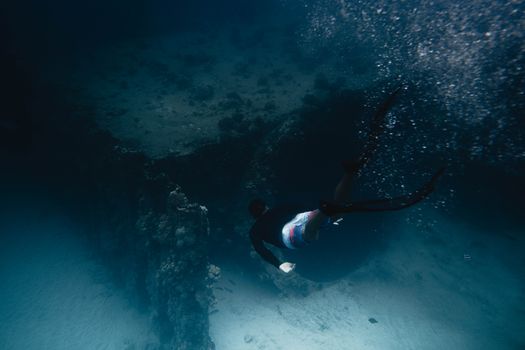
Underwater Adventures for Non-Swimmers That Will Blow Your Mind
Let me let you in on a little secret: for years, I harbored a deep, somewhat embarrassing confession. Despite my insatiable wanderlust and a passport full of stamps, I was a non-swimmer. Not just a "weak swimmer," but a full-blown "stay-in-the-shallow-end-and-don't-even-think-about-the-deep-end" kind of non-swimmer. And it broke my heart every time I saw those mesmerizing photos of coral reefs, schools of colorful fish, and majestic sea turtles. I yearned to experience the underwater world, but the fear of being out of my depth, literally, kept me firmly on dry land.
Then, a few years ago, on a trip to Mauritius, something shifted. I saw a brochure for "helmet diving" – an experience promising a walk on the seabed with no swimming required. Skepticism warred with curiosity, but the desire to finally see the ocean's wonders up close won. And let me tell you, that single experience didn't just blow my mind; it completely redefined what I thought was possible for non-swimmers. It opened up a whole new realm of travel I never knew existed.
So, if you, like the old me, believe the ocean's magic is reserved only for those with strong strokes and a fearlessness of depths, prepare to have your mind absolutely blown. I'm here to tell you that the underwater world is incredibly accessible, even if your swimming skills are closer to a graceful sink than a powerful swim. From walking on the ocean floor to dining with sharks, Tripsora has compiled the ultimate guide to the most incredible underwater adventures for non-swimmers. Get ready to add some truly extraordinary experiences to your bucket list!
1. The Classic Window into the Deep: Semi-Submersibles & Glass-Bottom Boats
Let's start with the OG of non-swimmer ocean exploration: the glass-bottom boat and its more immersive cousin, the semi-submersible. These are fantastic entry points into the underwater world, offering comfort, safety, and incredible views without even a splash.
What They Are:
* Glass-Bottom Boats: These are exactly what they sound like – boats with a transparent panel in the floor, allowing you to gaze down into the water below. You stay completely dry and above water, simply looking down into the marine ecosystem.
* Semi-Submersibles: These take it up a notch. While the top deck remains above water, the viewing cabin is actually submerged below the surface, often with large panoramic windows. It feels like you're in a mini-submarine, but with the added stability and fresh air of being partially above water.
My Experience:
My very first glimpse of a vibrant coral garden was from a glass-bottom boat in Flic-en-Flac, Mauritius. I remember pressing my face against the glass, utterly captivated by the kaleidoscope of colors, the intricate coral formations, and the schools of tiny, iridescent fish darting between them. It was like watching a living, breathing aquarium, but on a grand, natural scale. Later, in Hawaii, a semi-submersible ride felt even more profound, as if I was truly part of the underwater world, albeit from a dry, air-conditioned cabin.
Where to Find Them (and what to expect):
* Maui, Hawaii: Atlantis Submarines also operates semi-submersibles offering incredible views of reefs and marine life. Prices typically range from $40-$80 for glass-bottom tours, and $70-$120 for semi-submersibles.
* Caribbean Islands (e.g., Barbados, St. Lucia, Grand Cayman): Many resorts and tour operators offer glass-bottom boat excursions, often combined with snorkeling stops for your swimming companions.
* Red Sea (Egypt, Eilat, Israel): Known for its incredibly clear waters and vibrant reefs, locations like Sharm El Sheikh and Eilat are prime spots for these tours.
* Great Barrier Reef, Australia: Numerous operators offer glass-bottom boat and semi-submersible tours from Cairns and Port Douglas, providing a fantastic way to see the reef without getting wet.
Practical Tips:
* Go Early: Morning tours often offer the best visibility as the water tends to be calmer and the light conditions optimal.
* Check Reviews: Look for operators known for clean viewing panels and knowledgeable guides who can point out marine life.
* Bring Sunscreen & Hat: Even though you're looking down, you'll still be on a boat under the sun.
2. Walk on Water (Well, Under It!): Helmet Diving & Ocean Walkers
This is where things get truly mind-blowing, and it's the experience that changed everything for me. Helmet diving, also known as ocean walking or sea walking, allows you to literally descend to the seabed and walk among the fish, all while breathing normally.
What It Is:
You wear a specially designed helmet, typically weighing around 70-80 pounds (but feeling weightless underwater), which is continuously supplied with fresh air from the surface via a hose. Your head and shoulders remain dry inside the helmet, and you can even wear your glasses! Guides accompany you, ensuring your safety and pointing out marine life as you stroll along the ocean floor. No swimming skills are required, just the ability to walk and breathe.
My Experience:
That first step off the ladder in Mauritius was exhilarating. The heavy helmet felt strange for a second, then vanished as the water embraced me. Suddenly, I was standing on the sandy seabed, surrounded by a swirling kaleidoscope of fish – parrotfish, angelfish, clownfish, all swimming nonchalantly around my legs! I could feel the gentle current, see the texture of the sand, and even interact with the fish by holding out a piece of bread offered by the guide. It was utterly surreal, peaceful, and profoundly intimate. For about 30 minutes, I was an actual part of their world. I couldn't stop smiling the entire time.
Where to Find Them (and costs):
* Mauritius: Grand Baie and Belle Mare are popular spots. Expect to pay around $50-$80 for a 20-30 minute walk.
* Key West, Florida, USA: Fury Water Adventures offers helmet diving experiences.
* Bali, Indonesia: Seawalker Sanur is a well-known operator. Prices typically range from $70-$100.
* Great Barrier Reef, Australia: Some operators, particularly around Green Island, offer "Oceanwalker" experiences.
* Thailand (e.g., Pattaya, Koh Larn): Often combined with other island activities, prices can be very affordable, around $30-$60.
Practical Tips:
* Comfort is Key: Wear comfortable swimwear. You'll be given special shoes.
* Equalize Your Ears: Just like flying, you might need to equalize pressure in your ears as you descend. Your guide will show you how.
* Communicate: If you feel any discomfort, signal your guide immediately. They are highly trained and attentive.
* Capture the Moment: Many operators offer photo and video packages, which are absolutely worth it for these once-in-a-lifetime memories.
3. Dive Deep, Stay Dry: Tourist Submarines
If you want to go deeper, explore shipwrecks, or simply enjoy a truly unique perspective of the underwater world in complete comfort, a tourist submarine is your ticket.
What It Is:
These are actual, certified submarines designed specifically for sightseeing. You board, sit in a comfortable seat facing large portholes, and descend hundreds of feet below the surface. A professional pilot narrates the journey, pointing out marine life, coral formations, and often historical shipwrecks.
My Experience:
I’ve been fortunate enough to experience an Atlantis Submarine tour in Aruba. The feeling of slowly sinking into the deep blue, watching the sunlight fade and the ocean's true colors emerge, was mesmerizing. We descended to about 130 feet, passing vibrant reefs and even a sunken tugboat that had become an artificial reef, teeming with fish. It felt like being an astronaut exploring an alien world, but with coffee and air-conditioning! Seeing barracudas and giant tarpon glide by my window was an unforgettable sight.
Where to Find Them (and typical prices):
* Atlantis Submarines: This is the big player, with operations in Hawaii (Maui, Oahu, Kona), Aruba, Cozumel (Mexico), St. Martin, and Guam. Prices typically range from $120-$170 per person.
* Canary Islands (e.g., Lanzarote, Tenerife): Several independent submarine tours operate here, offering similar deep-sea experiences.
* Grand Cayman: Another popular Caribbean destination for submarine tours.
Practical Tips:
* Book in Advance: These tours are popular and can sell out, especially during peak season.
* Check Restrictions: Some tours have age or height restrictions, and those prone to claustrophobia or severe motion sickness should consider if it's right for them (though the ride is typically very smooth).
* Arrive Early: Get a good spot for boarding to ensure you have an optimal viewing window.
4. Dine with the Deep: Underwater Observatories & Restaurants
For those who prefer their underwater adventures with a side of luxury, fine dining, or educational exhibits, underwater observatories and restaurants offer unparalleled dry immersion.
What They Are:
These are permanent structures, either fully submerged or semi-submerged, featuring massive windows that provide incredible views of marine life. Some are dedicated observatories with educational displays, while others are opulent restaurants where you can enjoy world-class cuisine surrounded by the ocean's inhabitants.
My Experience:
While I haven't dined at one of the ultra-luxurious underwater restaurants (yet!), I was absolutely captivated by the Eilat Underwater Observatory Park in Israel. Walking through the tunnel, with sharks, rays, and giant groupers swimming above and around me, felt like being inside a massive, living aquarium. It was a serene and educational experience, allowing me to observe the marine world at my own pace, completely dry and comfortable. The sheer scale of the windows and the proximity to the animals were breathtaking.
Where to Find Them (and price ranges):
* Ithaa Undersea Restaurant, Conrad Maldives Rangali Island: The world's first all-glass underwater restaurant. Prepare for a hefty price tag ($300-$500+ per person for lunch/dinner), but an unforgettable experience.
* 5.8 Undersea Restaurant, Hurawalhi Island Resort, Maldives: Another stunning all-glass restaurant, offering exquisite dining surrounded by vibrant reef life. Similar high-end pricing.
* Eilat Underwater Observatory Park, Israel: A fantastic, family-friendly option with multiple viewing areas, a shark pool, and a genuinely submerged observatory. Entry is around $25-$35.
* The Lost Chambers Aquarium, Atlantis The Palm, Dubai: While technically an aquarium, its massive, floor-to-ceiling underwater tunnels and themed exhibits create an incredibly immersive, dry "underwater adventure" experience. Entry is around $30-$50.
Practical Tips:
* Reservations are Crucial: For the restaurants, book months in advance.
* Consider the Time of Day: Lunch might offer better natural light for viewing marine life.
* Observatories are More Accessible: A great option for budget-conscious travelers or families.
5. Pushing Boundaries: Snuba & Discover Scuba Diving (No Certification Needed!)
Okay, so these options require you to get wet, but here's the crucial part: they generally do NOT require strong swimming skills, just comfort in the water and the ability to breathe through a regulator. They are guided, introductory experiences designed for beginners.
What They Are:
* Snuba: A hybrid between snorkeling and scuba diving. You wear a mask and fins, but instead of a snorkel, you breathe through a regulator connected by a hose to an air tank floating on a raft at the surface. This allows you to descend a few feet below the surface without carrying a tank on your back. You're always connected to the surface and can pop up anytime.
* Discover Scuba Diving (DSD): Offered by PADI-certified dive centers worldwide, DSD is an introductory scuba experience where you learn basic safety rules and skills in shallow water, then go on a guided dive with a certified instructor. The instructor is with you every step of the way, often holding onto you, ensuring your safety and comfort. You don't need to be a strong swimmer, but being comfortable in water and able to float is important.
My Experience (DSD):
After my helmet diving revelation, I felt brave enough to try Discover Scuba Diving in Koh Lanta, Thailand. I was upfront about my non-swimmer status. My instructor, a patient and reassuring guru named Alex, spent extra time with me in the shallow water, ensuring I was comfortable breathing through the regulator and clearing my mask. When we finally descended, it was like entering another dimension. The weightlessness, the silence broken only by my own breathing, and the vibrant coral formations stretching out before me were utterly breathtaking. Alex held my hand or kept a close watch, guiding me gently through the reef. I saw parrotfish, clownfish, even a small reef shark! It was a profound experience of overcoming a personal barrier and truly immersing myself in the ocean's embrace.
Where to Find Them (and costs):
* Snuba: Popular in the Caribbean (e.g., Grand Cayman, Hawaii) and Mexico. Prices are typically $70-$120.
* Discover Scuba Diving: Available at virtually any PADI or SSI dive center globally. Popular spots include:
* Caribbean: Bonaire, Grand Cayman, Belize.
* Southeast Asia: Thailand (Koh Lanta, Koh Tao), Philippines (Palawan), Indonesia (Bali).
* Australia: Great Barrier Reef (Cairns, Port Douglas).
* Costs range from $100-$200, often including equipment rental and two dives.
Practical Tips:
* Choose Reputable Operators: Look for PADI or SSI certified centers with excellent safety records and experienced instructors.
* Be Honest: Communicate your comfort level and non-swimmer status clearly. A good instructor will tailor the experience to you.
* Focus on Breathing: The key to scuba is slow, steady breathing. Practice in shallow water until you feel comfortable.
* It's Okay to Say No: If you feel overwhelmed at any point, don't push it. There are plenty of other ways to enjoy the ocean.
6. Adrenaline Rush: Surface-Based Shark Cage Diving
For the ultimate thrill-seeker who wants to come face-to-face with apex predators without needing to be a certified diver or even a strong swimmer, surface-based shark cage diving is an absolute game-changer.
What It Is:
You enter a specially designed, sturdy cage that floats at the ocean's surface, usually attached to a boat. You wear a wetsuit, mask, and snorkel, and simply hold onto the cage bars. Air is often supplied from the surface, or you can just hold your breath for short periods. Sharks are attracted to the area (ethically, often with chum or bait), and you get an incredible, adrenaline-pumping, eye-level view of these magnificent creatures in their natural habitat.
My Experience:
I haven't done this myself yet (it's next on my list!), but I've watched countless videos and spoken to friends who have. The sheer awe of seeing a Great White shark glide effortlessly past the cage, its powerful form just inches away, is described as an unparalleled rush. You don't need to be a strong swimmer because the cage keeps you afloat and secure. It's about witnessing raw nature from a place of safety.
Where to Find Them (and typical costs):
* Gansbaai, South Africa: The shark capital of the world, famous for Great White sharks. Expect to pay $100-$180.
* Oahu, Hawaii, USA: Often for Galapagos and Sandbar sharks. Prices around $80-$120.
* Guadalupe Island, Mexico: Known for incredible Great White shark encounters (often requires multi-day liveaboard trips, but some surface options exist).
* Bahamas (Tiger Beach): Famous for Tiger Sharks, Lemon Sharks, and Caribbean Reef Sharks. Typically more involved, multi-day tours.
Practical Tips:
* Research Operators: Choose reputable companies with strong safety records and ethical practices regarding marine life interaction.
* Ask About Surface Options: Confirm that the experience is suitable for non-swimmers and offers surface-only cage access.
* Prepare for Seasickness: If you're prone to motion sickness, take medication beforehand.
* Bring a GoPro: You'll want to capture every heart-pounding moment!
The Ocean Awaits: Your Adventure Starts Now!
My journey from being a terrified non-swimmer to someone who has walked on the ocean floor and breathed underwater has been one of the most rewarding aspects of my travels. It taught me that perceived limitations are often just opportunities for innovation and a little bit of courage.
The underwater world is not just for the elite few with advanced diving certifications. It's a vibrant, awe-inspiring realm waiting to be explored by everyone. Whether you prefer to stay completely dry in a submarine, take a leisurely stroll on the seabed, or even dip your toes (and head!) into a guided introductory dive, there's an adventure out there for you.
So, ditch the fear, embrace the possibilities, and start planning your incredible underwater journey. The vibrant coral reefs, the playful fish, and the serene blue depths are calling. Which mind-blowing adventure will you embark on first? Share your dreams and experiences in the comments below! And don't forget to share this guide with fellow non-swimmer adventurers – let's open up the ocean to everyone!
---