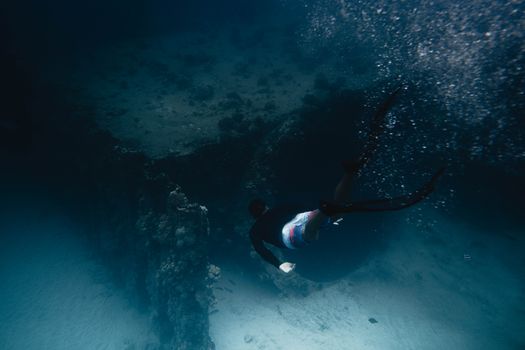
The turquoise waters of the Caribbean shimmered, inviting and mysterious. Below the surface, I knew a world of vibrant coral, schools of iridescent fish, and perhaps even a gentle sea turtle awaited. My heart ached with a familiar longing, a desire to be part of that silent, breathtaking realm. The problem? I can’t swim. Not a stroke. My relationship with water has always been one of admiration from a safe distance, often with a life vest firmly strapped on. For years, I believed the magic of the deep was reserved for the privileged few who could gracefully glide through the currents.
But then, a revelation. A whispered secret from a fellow traveler, a chance encounter with a brochure, an intriguing online search. What if I told you that you don't need to be Michael Phelps to explore the ocean's wonders? What if the vibrant, alien-like beauty of an underwater world is already accessible to you, a non-swimmer, and waiting to be discovered before these incredible experiences become mainstream tourist traps?
This isn't just about dipping your toes; it's about full immersion, about walking among the fish, descending into the abyss, and breathing underwater – all without ever having to kick a single stroke. I'm here to tell you, from personal experience, that the ocean's embrace is for everyone. Join me as we uncover the incredible, often overlooked, underwater adventures perfectly tailored for non-swimmers, complete with my personal anecdotes, practical tips, and specific locations to get you started on your own aquatic journey.
The Myth Debunked: You Can Go Underwater!
For too long, the narrative has been that if you can't swim, the ocean's true beauty is off-limits. This is a narrative we're here to shatter. The truth is, innovation in marine tourism has opened up a plethora of opportunities for everyone, regardless of their swimming prowess or comfort level in the water. From air-conditioned comfort to exhilarating walks on the seabed, the options are diverse, safe, and utterly unforgettable.
These aren't just alternatives; in many cases, they offer unique perspectives that even seasoned divers might miss. Imagine seeing a bustling coral garden from the panoramic window of a submarine, or walking hand-in-fin with a curious angelfish without the bulk of scuba gear. These experiences are often less physically demanding, making them ideal for a wider range of ages and abilities. The best part? Many of these adventures are still flying under the radar, offering a more intimate and less crowded encounter with marine life. Get ready to ditch the fear and embrace the wonder!
1. Submarine Safaris: Your Panoramic Window to the Deep
My first encounter with a genuine underwater adventure was aboard a tourist submarine in Aruba. The idea of descending into the ocean's depths, completely dry and comfortable, felt like something out of a Jules Verne novel. As the Atlantis Submarine slowly submerged, the vibrant blue outside the porthole deepened, transforming from a playful turquoise to a majestic sapphire. There was a collective gasp from the passengers as a massive school of barracuda shimmered past, their silver scales catching the light like a thousand tiny mirrors.
Tourist submarines are essentially mini-submersibles designed for sightseeing. They typically feature large viewing windows, comfortable seating, and often a knowledgeable guide who narrates the journey, pointing out fascinating marine life and explaining the unique ecosystem you're passing through. It's like a wildlife safari, but instead of elephants and giraffes, you're spotting shipwrecks, vibrant coral formations, and an incredible array of fish.
Personal Anecdote:
I remember pressing my face against the thick glass, feeling a profound sense of awe. A giant green sea turtle, ancient and serene, glided past, seemingly unfazed by our presence. For someone who had only ever seen such creatures on documentaries, witnessing it in its natural habitat, just feet away, was profoundly moving. It felt like I was an astronaut, exploring an alien planet, but one right here on Earth. The best part? No wet hair, no salty eyes, just pure, unadulterated wonder.
Where to Find Them & What to Expect:
* Atlantis Submarines: A renowned operator with locations in Hawaii (Maui & Kona), Aruba, Grand Cayman, St. Martin, and Guam. Their submarines typically descend to depths of 100-150 feet.
* Other Operators: Smaller, local submarine tours can be found in places like Cancun, Mexico, and some Mediterranean islands. Always check reviews and safety records.
* Price Range: Expect to pay anywhere from $100 to $200+ per person for a 1.5 to 2-hour experience, including surface transfers.
* Tips for Travelers: Book well in advance, especially during peak season. Some operators have height or age restrictions, so check their policies. If you're prone to motion sickness, take precautions beforehand, though the ride is usually very smooth.
* Instagram-Worthy Moment: The dramatic change in color as you descend, and close-up shots of marine life through the large portholes. A selfie with a vibrant coral reef in the background is a must!
2. Sea Walking & Helmet Diving: Walking Among the Fish
This is where things get truly immersive without requiring any swimming skills. Sea walking, often called helmet diving, allows you to literally walk on the ocean floor, breathing normally through a specially designed helmet that supplies a continuous flow of air from the surface. You descend a ladder, and as you reach the seabed, the helmet keeps your head and shoulders dry, creating a truly surreal experience.
The sensation is incredible. You're weightless, suspended in the gentle current, with schools of colorful fish darting around your feet. Many operators even provide food for you to hand-feed the fish, turning you into an instant celebrity among the marine inhabitants!
Personal Anecdote:
My first sea walk was in Mauritius, off the coast of Belle Mare. I was nervous, to say the least. The instructors were incredibly patient, explaining every step. As I descended the ladder, feeling the water rise to my chest, then my chin, then finally enveloping me as the helmet settled on my shoulders, a wave of calm washed over me. The initial breath, crisp and clear, was a revelation. Then I looked down. A vibrant parrotfish, striped with electric blues and greens, nibbled at a piece of bread I held in my gloved hand. It was an out-of-body experience, a dream made real. I wasn't just observing the ocean; I was in it, a part of its rhythm.
Where to Find Them & What to Expect:
* Popular Destinations: Mauritius, Bali (Indonesia), Great Barrier Reef (Australia - select operators), St. Lucia, Boracay (Philippines), and parts of the Caribbean are well-known for offering sea walking.
* Price Range: Typically ranges from $50 to $150 per person for a 20-30 minute underwater walk, often including boat transfers and photo/video packages.
* Tips for Travelers:
* Safety First: Always choose operators with excellent safety records and certified guides. They will provide a thorough briefing.
* Ear Pressure: You'll need to equalize your ears as you descend, just like on an airplane. The guides will show you how.
* Comfort: Wear swimwear. The helmets are heavy out of water, but buoyant once submerged. You can wear glasses inside the helmet!
* Photography: Bring a waterproof camera or be prepared to purchase the operator's photo package. This is an experience you'll want to remember!
* Instagram-Worthy Moment: Walking on the ocean floor, surrounded by a swirling kaleidoscope of fish. Hand-feeding a curious snapper makes for an epic video!
3. Semi-Submersibles & Glass-Bottom Boats: The Best of Both Worlds
If the idea of being completely submerged feels a bit too adventurous, or if you're traveling with very young children or those with mobility challenges, semi-submersibles and glass-bottom boats offer a fantastic alternative. These vessels allow you to experience the underwater world without getting wet, combining the comfort of a boat ride with incredible sub-surface views.
Glass-bottom boats
have a clear panel in their hull, allowing passengers to peer down into the water below. They typically stay in shallow, clear waters, perfect for viewing coral gardens and smaller fish.
Semi-submersibles
take it a step further. They have an observation deck that sits below the waterline, accessed via a short staircase. You sit in an air-conditioned cabin with large windows, watching the marine world drift by. The top deck remains above water, offering traditional scenic views, so you get the best of both worlds!
Personal Anecdote:
On a family trip to Key West, my grandmother, who uses a cane and wouldn't dream of getting into the ocean, joined us on a semi-submersible tour. Watching her face light up as a majestic stingray glided effortlessly beneath our window was priceless. She held my hand, marveling at the vibrant sponges and the schools of grunt fish. It was a shared experience that wouldn't have been possible otherwise, proving that the ocean's beauty truly is for everyone. It was a relaxed, comfortable way to connect with the marine environment, and the commentary from the onboard marine biologist was incredibly informative.
Where to Find Them & What to Expect:
* Ubiquitous: You'll find these tours in almost any coastal destination with clear waters and marine life, from the Great Barrier Reef in Australia to the Greek Islands, the Caribbean, and Southeast Asia (e.g., Thailand, Maldives).
* Price Range: Generally more affordable, ranging from $30 to $80 per person for a 1-2 hour tour.
* Tips for Travelers:
* Visibility is Key: Choose a sunny day for the best light and clearest views.
* Commentary: Opt for tours that offer live commentary from a knowledgeable guide to enhance your understanding of the ecosystem.
* Photography: Reflections can be an issue with glass-bottom boats, but semi-submersibles often offer better opportunities for clear photos through their dedicated underwater windows.
* Instagram-Worthy Moment: The surreal experience of seeing fish and coral through a "floor window" on a glass-bottom boat, or the panoramic, cinematic views from the lower deck of a semi-submersible.
4. Snuba & Discover Scuba Diving (DSD): A Taste of True Immersion
For those ready to push their boundaries just a little further, but still aren't confident swimmers, Snuba and Discover Scuba Diving (DSD) are game-changers. These activities bridge the gap between snorkeling and full-blown scuba diving, offering a taste of breathing underwater with minimal training and maximum safety.
Snuba
is a fantastic hybrid. Instead of carrying a heavy air tank on your back, your air supply comes from a tank floating on a raft at the surface, connected to your regulator via a long hose. This means you can breathe underwater for extended periods without needing a diving certification or the physical strength to carry gear. You can descend as deep as 20 feet, always under the watchful eye of an experienced guide.
Discover Scuba Diving (DSD)
is an introductory scuba experience offered by PADI-certified dive centers. It's designed for complete beginners and non-certified individuals. After a brief classroom session covering basic safety rules and equipment usage, you'll practice some simple skills in shallow water (or a pool). Then, accompanied by a certified instructor who handles all the complex stuff, you'll go on an actual shallow-water dive, typically to a maximum depth of 40 feet. The instructor is with you every step of the way, often holding your hand or guiding you.
Personal Anecdote:
My DSD experience in Koh Lanta, Thailand, was transformative. I was terrified. The thought of breathing from a tank underwater felt alien and unnatural. But my instructor, a calm and reassuring woman named Sarah, guided me through every breath. We started in a shallow cove, practicing clearing my mask and retrieving my regulator. When we finally descended to the reef, the world transformed. The silence was profound, broken only by the sound of my own breathing. I felt weightless, like a bird soaring through a liquid sky. A clownfish peeked out from its anemone home, and a majestic lionfish fanned its venomous spines. It was pure magic, a feeling of freedom and connection I never thought I'd experience. It proved to me that my non-swimming status didn't have to define my aquatic adventures.
Where to Find Them & What to Expect:
* Global Availability: Both Snuba and DSD are widely available in almost all major dive destinations worldwide, including the Caribbean (e.g., Bahamas, Mexico), Southeast Asia (e.g., Thailand, Philippines, Indonesia), the Red Sea (Egypt), and many Pacific islands.
* Price Range:
* Snuba: Typically $70 to $120 per person for a 1-2 hour experience.
* DSD: Ranges from $100 to $200 per person, often including equipment rental and boat transfers for the dive.
* Tips for Travelers:
* Health Check: Both activities require you to be in reasonably good health, with no underlying respiratory or heart conditions. You'll typically fill out a medical questionnaire.
* Reputable Operators: Always choose PADI (or SSI/NAUI) certified dive centers with excellent safety records and experienced instructors.
* Listen Carefully: Pay close attention to your instructor's briefing. They are there to ensure your safety and enjoyment.
* Relax: The key to success is to relax and breathe normally. Your instructor will handle any challenges.
* Communication: Don't hesitate to signal your instructor if you feel uncomfortable or have any issues.
* Instagram-Worthy Moment: An underwater selfie with your instructor, surrounded by colorful fish, or a video of you taking your first breaths underwater. The feeling of weightlessness is incredibly photogenic!
5. The Future is Now: Underwater Hotels & Restaurants
While these are certainly luxury experiences, they represent the pinnacle of non-swimmer underwater access and hint at what might become more commonplace in the future. Imagine waking up to a panoramic view of the ocean floor, watching fish swim past your bedroom window, or dining on gourmet food while sharks glide overhead.
- The Muraka at Conrad Maldives Rangali Island: The world's first true underwater hotel residence, offering a completely submerged bedroom, living space, and bathroom. It's an architectural marvel and an unparalleled luxury experience.
- Ithaa Undersea Restaurant (Maldives): Also at Conrad Maldives, this iconic restaurant offers a 180-degree panoramic view of the vibrant coral gardens and marine life while you dine.
- Atlantis The Palm, Dubai: Features stunning underwater suites with floor-to-ceiling windows looking into a massive aquarium.
- Jules' Undersea Lodge (Florida, USA): A truly unique, small underwater hotel that actually requires guests to scuba dive to reach it – but perhaps a future iteration will offer dry entry!
These experiences are undeniably high-end, with prices running into the thousands per night or hundreds per meal. However, they showcase the incredible possibilities of underwater architecture and design, proving that the ocean can be a part of our living spaces, not just a place to visit. As technology advances and demand grows, we might see more accessible versions of these wonders emerge, making immersive underwater living a less exclusive dream.
Embrace the Depths, No Swim Skills Required!
My journey from a fearful non-swimmer to an enthusiastic underwater explorer has been one of the most rewarding aspects of my travels. It taught me that perceived limitations are often just opportunities for innovation and new discoveries. The ocean, with its boundless beauty and mystery, is not exclusive. It welcomes everyone, and thanks to these incredible adventures, you don't need to be an Olympic swimmer to experience its magic.
These experiences – from the comfortable depths of a submarine to the exhilarating walk on the seabed – offer unique perspectives and unforgettable memories, long before they become standard tourist fare. They are a testament to human ingenuity and our shared desire to connect with the natural world, even the parts we once thought were out of reach.
So, what are you waiting for? Stop letting your non-swimming status hold you back. The ocean is calling, and it has incredible, accessible adventures waiting for you. Which underwater wonder will you conquer first? Share your dreams and experiences with us in the comments below! Let's inspire each other to dive into the extraordinary.
---