Non-Swimmer's Deep Dive: My Life-Changing Underwater Adventures!
I remember standing on the pristine white sands of Havelock Island in the Andamans, the turquoise water lapping at my toes, a gentle breeze rustling through the palm trees. It was paradise. Yet, a familiar pang of longing mixed with frustration hit me. Beneath that inviting surface lay a world of vibrant coral reefs and exotic marine life – a world I, a lifelong non-swimmer, believed was utterly inaccessible to me. My fear of deep water, ingrained since a childhood mishap, had always kept me firmly on the shore, watching others effortlessly glide through the waves, a silent envy gnawing at my travel-loving soul.
For years, I'd resigned myself to being a landlubber, content with mountain hikes and bustling cityscapes. The ocean was for them – the swimmers, the divers, the fearless. I'd settle for a glass-bottom boat tour, I told myself, a mere peek into the wonders I couldn't truly touch. But then, a chance conversation, a brave decision, and a whole lot of trust led me down a path I never imagined. What followed wasn't just a series of incredible trips; it was a profound journey of self-discovery, proving that some of life's most transformative adventures don't require a wetsuit and perfect strokes, but simply an open mind and a willingness to try.
This isn't just a travelogue; it's a testament to breaking barriers, real and imagined. If you, like the old me, think the ocean's magic is out of reach, prepare to have your world, and perhaps your life, changed forever.
The Myth of the Non-Swimmer: My Journey from Fear to Fascination
Let's get one thing straight: I couldn't swim to save my life. Not a doggy paddle, not a float, nothing. The thought of being in water over my head would send a shiver down my spine. The ocean, with its vast, unknowable depths, was both alluring and terrifying. I'd watch documentaries, mesmerized by clownfish darting through anemones and majestic sea turtles gliding by, a deep ache in my chest. "If only," I'd sigh.
The turning point came on that trip to the Andamans. My friends, all avid snorkelers, were planning a dive trip. I was, as usual, planning to read a book on the beach. But one of them, noticing my wistful gaze, mentioned something called "sea walking." "No swimming needed," she said, "you just walk on the seafloor." My skepticism was palpable. "Walk? Underwater? How?" But the seed was planted. The idea of walking instead of swimming was revolutionary. It felt safer, more controlled. It was the crack in the dam of my fear, and soon, the floodgates would open.
This initial hesitation, this belief that the ocean was a no-go zone, is a myth many non-swimmers carry. We assume that any underwater experience requires Olympic-level swimming skills or years of diving lessons. I'm here to tell you, unequivocally, that this is simply not true. The world has evolved, and with it, incredible innovations have made the underwater realm accessible to everyone.
My First Breath Underwater: Sea Walking & Helmet Diving – A Revelation!
My first sea walking experience was in the crystal-clear waters off North Bay Island in the Andaman Islands. The anticipation was a mix of sheer terror and exhilarating excitement. They put a massive, clear helmet over my head – it looked like something out of an old sci-fi movie – and it rested on my shoulders. A hose connected to the surface pumped in a continuous supply of fresh air. "Just breathe normally," the instructor said, his voice reassuring through the pre-dive briefing.
Slowly, carefully, I descended a ladder, step by tentative step, into the cool embrace of the Andaman Sea. The water rose around me, up to my chest, then my neck, and finally, my head was submerged. But I was breathing! Perfectly, naturally. The weight of the helmet kept me stable, and I felt surprisingly grounded. As my feet touched the sandy seafloor, about 10-15 feet down, a gasp escaped me – a silent gasp within my helmet, of course.
Before my eyes, a kaleidoscope of color exploded. Schools of iridescent fish – electric blue, sunshine yellow, fiery orange – swirled around me, completely unfazed by my clumsy presence. Vibrant coral formations, like underwater gardens, stretched as far as the eye could see. I reached out a gloved hand, and a curious parrotfish brushed past my fingers. It was utterly surreal, like stepping into a living aquarium. For 20 glorious minutes, I walked among them, a visitor in their world, completely forgetting my lifelong fear.
Practical Details & Tips for Sea Walking/Helmet Diving:
* Locations: Andaman Islands (India), Mauritius, Bali (Indonesia), Boracay (Philippines), Grand Cayman, parts of the Caribbean. These are popular spots with established operators.
* Cost: Typically ranges from $40-$100 USD for a 15-30 minute session, including boat transfer and safety briefing.
* What to Expect: You'll wear a special helmet that keeps your head and shoulders dry, allowing you to breathe normally. An instructor will be with you, often holding your hand, guiding you along the seafloor.
* Tips:
* Listen to your instructor: They are pros and your safety is their priority.
* Equalize your ears: Just like on a plane, you might feel pressure. Pinch your nose and gently blow to pop your ears.
* Relax: The helmet is heavy out of water, but almost weightless once submerged. Trust the equipment.
* Wear a swimsuit: You'll get wet! Many places provide water shoes.
* Don't forget the camera: Most operators offer photo/video packages, or your instructor might take pictures with an underwater camera. It's worth it!
This experience wasn't just a fun activity; it was a profound emotional breakthrough. I had faced my fear head-on, gone underwater, and not only survived but thrived. It ignited a spark, a hunger for more.
Windows to Another World: Semi-Submarines & Glass-Bottom Boats
After my sea walking triumph, I was hooked. I started actively seeking out more ways to experience the ocean. While sea walking was immersive, it was also a dedicated activity. For broader, more relaxed exploration, I discovered the wonders of semi-submarines and enhanced glass-bottom boat tours.
On a trip to the Maldives, a place synonymous with breathtaking marine life, I booked a ride on a semi-submarine. Unlike a traditional submarine, the upper deck remains above water, but you descend into an air-conditioned cabin with large panoramic windows that are fully submerged. It was like sitting in a luxurious, slow-moving underwater cinema. We glided past towering coral formations, watching reef sharks patrol lazily, schools of vibrant fish flit through the sunlight, and even spotted a majestic manta ray soaring gracefully in the distance. The comfort, the clear views, and the absence of any need to get wet made it an absolute delight.
Later, in Bora Bora, I opted for a premium glass-bottom boat tour. These aren't your grandmother's glass-bottom boats. Modern versions often have larger viewing panels, sometimes even entire sections of the floor that are clear. Our guide was incredibly knowledgeable, pointing out specific species, explaining coral ecosystems, and even attracting some fish closer with a little bait. It was a fantastic way to cover a larger area of the reef and learn a lot, all while staying completely dry and comfortable.
Practical Details & Tips for Semi-Submarines & Glass-Bottom Boats:
* Locations: Maldives, Bora Bora, Hawaii, Red Sea (Egypt), Great Barrier Reef (Australia), Fiji, Mauritius, various Caribbean islands.
* Cost: Varies widely. Glass-bottom boat tours can be $20-$70 USD. Semi-submarine tours are generally more expensive, ranging from $50-$150 USD, depending on duration and luxury.
* What to Expect: A comfortable, dry experience with large windows providing views of the underwater world. Semi-submarines offer a deeper, more immersive perspective, while glass-bottom boats are often closer to the surface.
* Tips:
* Check visibility: Ask about recent weather conditions, as rough seas can reduce clarity.
* Go during peak daylight: The sun illuminates the corals and fish best.
* Book in advance: Especially in popular tourist destinations.
* Bring binoculars: For spotting distant marine life from the surface deck (on semi-submarines).
* Motion sickness: If prone, take precautions. While generally smooth, some people might feel it.
These experiences, while less "adventurous" in the traditional sense, were crucial in deepening my appreciation for marine ecosystems and reinforced that there are myriad ways to connect with the ocean.
Snorkeling for the Cautious: Shallow Water Wonders (with a Twist!)
"Snorkeling? But you can't swim!" This was the usual reaction when I mentioned it. And they were right, technically. But I discovered a secret: shallow water snorkeling with a life vest and a patient guide.
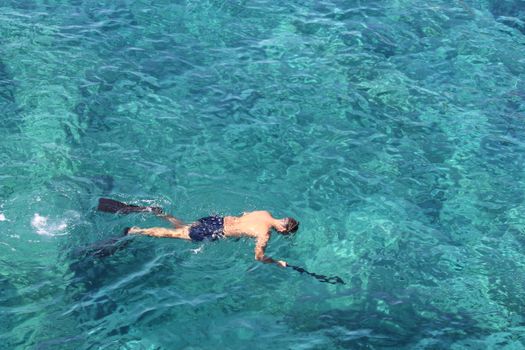
My first attempt was in El Nido, Palawan, Philippines. The water was so unbelievably clear, I could see the reef from the boat. I donned a life vest, which kept me effortlessly afloat, and a mask and snorkel. The trick, I learned, wasn't to swim, but to simply drift. With my face in the water, breathing through the snorkel, I could observe the incredible world beneath me. The life vest was my security blanket, making sure I never felt out of my depth (pun intended!).
What truly made a difference was a guided tour. Our boat captain knew exactly where the calmest, shallowest reefs were. He'd drop anchor in areas where the coral was just a few feet below the surface, meaning I could almost stand if I needed to (though with the life vest, there was no need). He even held my hand a few times, gently pulling me along, pointing out specific fish and corals. This personalized attention, combined with the safety net of the life vest, completely dissolved my remaining anxiety. I wasn't "swimming"; I was floating, observing, and completely mesmerized.
Practical Details & Tips for Non-Swimmer Snorkeling:
* Locations: Anywhere with calm, clear, shallow reefs. Think Palawan (Philippines), Thailand (Koh Lipe, Phi Phi), Caribbean (Turks & Caicos, Belize), parts of the Red Sea.
* Cost: Often included in island-hopping tours ($20-$100+ USD for a full day), or gear rental might be $5-$15 USD.
* What to Expect: Floating on the surface with a mask, snorkel, and fins (optional, but helpful for propulsion). A life vest is your best friend.
* Tips:
* Always wear a life vest: This is non-negotiable for non-swimmers. It provides buoyancy and peace of mind.
* Practice in shallow water first: Get comfortable breathing through the snorkel and clearing your mask near the shore.
* Choose calm conditions: Avoid choppy water or strong currents.
* Go with a guide/buddy: A local guide can show you the best, safest spots and offer assistance.
* Invest in a full-face snorkel mask: For some, these are more comfortable than traditional two-piece sets, as they allow natural breathing through the nose and mouth.
* Don't try to swim: Just float and let the water support you. Gentle kicking with fins (if you choose to wear them) can help with movement.
* Respect marine life: Don't touch corals or chase fish.
This evolved form of snorkeling became my go-to for quick, immersive ocean fixes. It taught me that adaptability and the right tools can open up worlds previously deemed off-limits.
Beyond the Surface: Unique Underwater Hotels & Restaurants
For those who crave the underwater experience without a single drop of water on them, or perhaps as a luxurious extension of their newfound love for the deep, there are truly extraordinary options: underwater hotels and restaurants. These are the ultimate expressions of seamless integration with the marine world, offering unparalleled views and unforgettable moments.
Imagine waking up to the sight of reef sharks swimming past your bedroom window, or enjoying a gourmet meal while schools of colorful fish dance outside your panoramic glass walls. My dream (and eventual splurge!) was to experience the Ithaa Undersea Restaurant at Conrad Maldives Rangali Island. Dining 16 feet below the surface, encased in a transparent acrylic tunnel, felt like being inside a giant, exquisite bubble. The five-course meal was incredible, but the real star was the ever-changing panorama of the Indian Ocean's vibrant ecosystem. It was an experience that transcends dining; it's an art installation, a natural spectacle, and a feat of engineering all rolled into one.
While an underwater hotel suite like The Muraka (also at Conrad Maldives) or Jules' Undersea Lodge in Florida (where you actually scuba dive to your room!) might be a once-in-a-lifetime luxury, even just dining at an underwater restaurant or visiting an aquarium with truly immersive exhibits can provide that sense of wonder and connection to the deep.
Practical Details & Tips for Underwater Hotels & Restaurants:
* Locations: Maldives (Ithaa, Muraka), Dubai (Atlantis The Palm - underwater suites, Ossiano restaurant), Florida (Jules' Undersea Lodge), Shanghai (InterContinental Shanghai Wonderland - underwater suites).
* Cost: Extravagant. Dining experiences can range from $200-$500+ USD per person. Underwater hotel suites can be thousands of dollars per night.
* What to Expect: Unparalleled, panoramic views of marine life from the comfort of a dry, luxurious environment.
* Tips:
* Book far in advance: These are highly sought-after experiences.
* Check dress codes: Many underwater restaurants are fine dining.
* Consider a 'mocktail' for the views: Even if you don't splurge on a full meal, some places offer drinks or afternoon tea with the same views.
* Bring your best camera: The lighting can be challenging, but the views are worth capturing.
These experiences, though financially demanding, represent the pinnacle of accessible underwater immersion, proving that the ocean's magic truly has no boundaries.
The Transformative Power of the Deep: More Than Just an Adventure
It's easy to dismiss these activities as mere tourist attractions. But for me, they were far more profound. Each foray into the underwater world chipped away at a deeply ingrained fear. I realized that my fear wasn't of the water itself, but of the unknown, of losing control, of being helpless. With the right guidance, equipment, and a healthy dose of courage, the unknown became known, and helplessness transformed into awe.
This journey taught me valuable lessons that extended far beyond the ocean. It taught me that:
1. Perceived limitations are often just that – perceived. The biggest barriers are often in our own minds.
2. Innovation makes the impossible possible. The world is constantly evolving, and new ways to experience things are always emerging.
3. Trust is key. Trust in myself, in the equipment, and in the experienced guides.
4. Stepping outside your comfort zone is where true growth happens. The most rewarding experiences often lie just beyond what feels safe.
5. The natural world is endlessly inspiring. Connecting with marine life fostered a deeper sense of responsibility towards conservation.
I went from a timid non-swimmer who avoided the ocean to someone who actively seeks out new ways to explore its wonders. I've become an advocate, sharing my stories to inspire others who feel similarly restricted. The ocean, once a symbol of my limitations, is now a testament to my liberation.
Your Turn to Dive In: Practical Tips for Non-Swimmers
Ready to embark on your own underwater adventure? Here's my distilled wisdom for making it happen:
- Start Small, Dream Big: Begin with a glass-bottom boat, then maybe a semi-submarine. If you feel ready, try sea walking. Don't rush, enjoy each step.
- Communicate Your Fears: Always inform your tour operator or guide that you're a non-swimmer. They are experienced and can provide extra reassurance and support.
- Prioritize Safety & Reputable Operators: Research tour companies. Look for good reviews, certified guides, and well-maintained equipment. Safety briefings are crucial.
- Embrace the Life Vest: For snorkeling or any activity where you're in the water, a life vest is your best friend. It provides buoyancy and peace of mind.
- Listen and Trust: Pay close attention to all instructions. Trust your guides; they are there to ensure your safety and enjoyment.
- Don't Be Ashamed to Ask for Help: If you feel uncomfortable or need assistance, speak up immediately.
- Consider Private Tours: For snorkeling or sea walking, a private guide might cost more but offers personalized attention and comfort, which can be invaluable for non-swimmers.
- Breathe Normally: Whether it's a helmet or a snorkel, the key is to relax and breathe. Focus on the incredible sights, and your body will follow.
- Capture the Moment (Safely): Many operators offer photo packages. If you bring your own gear, ensure it's waterproof and secure.
- Leave No Trace: Remember to be a responsible traveler. Don't touch marine life or coral, and never litter.
The Ocean Awaits!
My journey from landlocked observer to underwater explorer has been one of the most unexpected and rewarding chapters of my life. It's proof that adventure isn't exclusive to the "fearless" or the "skilled." It's for anyone willing to step beyond their perceived boundaries, to trust in new experiences, and to embrace the sheer wonder of the world.
So, if you've ever gazed at the ocean with a longing heart, thinking it wasn't for you – think again. The vibrant, mesmerizing, life-affirming world beneath the waves is calling. And trust me, it's waiting for you. What's stopping you from taking your first breath underwater?
Have you tried any non-swimmer underwater adventures? Or are you a non-swimmer dreaming of the deep? Share your thoughts and questions in the comments below! Let's inspire each other to dive into the extraordinary!
---