Unveiling the Unseen: Hiking Trails to Villages Locals Guard Fiercely
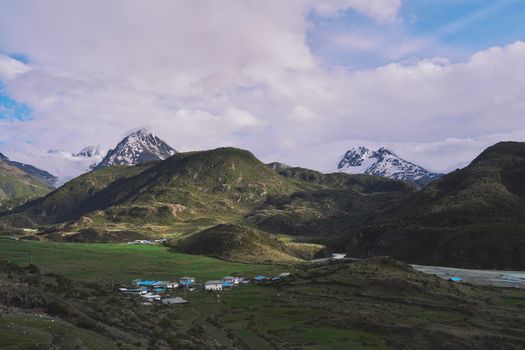
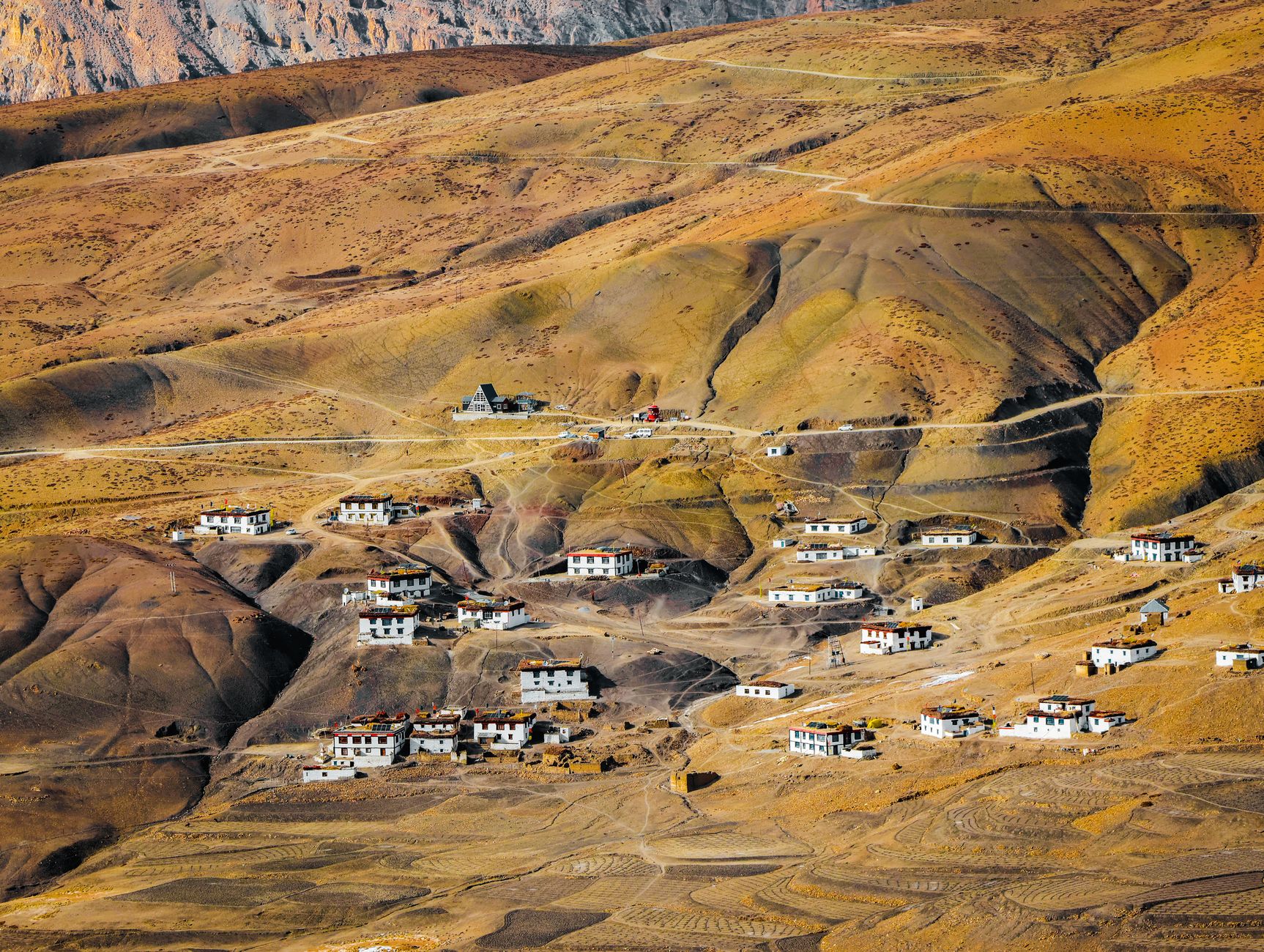
The dust kicked up by my worn hiking boots swirled around me, mingling with the crisp, pine-scented air. Below, a ribbon of turquoise river snaked through a canyon, and above, jagged peaks scraped the impossibly blue sky. For days, I’d been trekking through the remote corners of the Balkans, following a faint path that sometimes disappeared altogether, armed with little more than a hand-drawn map and a gut feeling. Just as doubt began to creep in, a wisp of smoke curled upwards from behind a cluster of ancient oak trees. Then, a glimpse of stone roofs, a tiny church steeple, and the faint bleating of sheep. I’d found it. A village so secluded, so untouched, it felt like stepping into a forgotten fairy tale. The single elderly woman I encountered, tending her garden, looked at me with a mix of surprise and a knowing smile – a smile that seemed to say, "You found our secret, didn't you?"
That moment, that profound sense of discovery, is why I chase these trails. We’ve all seen the Instagram-perfect shots of crowded landmarks, the same tourist traps recycled across feeds. But what if there’s more? What if the real magic lies beyond the paved roads, at the end of a challenging hike, in places locals cherish and, frankly, don't want tourists to know about? Not out of malice, but out of a deep desire to preserve their way of life, their quiet traditions, and the pristine beauty of their homes.
This isn't about invading privacy; it's about respectful exploration, about earning your visit through sweat and perseverance, and about connecting with cultures on a level that package tours simply can't offer. It's about finding those hidden villages, accessible only by foot, where the journey is as enriching as the destination.
The Allure of the Undiscovered: Why We Seek These Paths
Why do we yearn for the unknown? For many of us, the appeal of a hidden village lies in its authenticity. In a world saturated with commercialism, these places offer a raw, unfiltered glimpse into history and tradition. There's a profound satisfaction in knowing you've ventured where few others have, a sense of accomplishment that comes from earning your view, your meal, your interaction.
These villages are living museums, often untouched by modern development, where ancient crafts thrive, folk songs echo through valleys, and community bonds are as strong as the mountain stone. They remind us of a simpler time, offering a much-needed escape from the relentless pace of urban life.
However, this privilege comes with a responsibility. We are guests in these communities, and our presence, even in small numbers, has an impact. The goal isn't to "discover" and then "exploit" these places for viral content, but to experience them with humility, respect, and a commitment to sustainable tourism. Support local economies directly, minimize your footprint, and always prioritize cultural sensitivity. Remember, these aren't just picturesque backdrops; they are people's homes.
Europe's Secret Corners: Alpine Hikes to Timeless Hamlets
Europe, despite its dense population and extensive infrastructure, still holds countless pockets of untouched beauty. The Alps, the Pyrenees, the Dolomites – these majestic mountain ranges guard secrets fiercely, accessible only to those willing to lace up their boots.
One of my most cherished memories involves a trek through the Valle Maira in the Italian Piedmontese Alps. While not entirely unknown, certain hamlets within this valley remain incredibly secluded. I remember starting my hike from a small town, the scent of wild herbs heavy in the air. The path quickly narrowed, winding through ancient forests and across glacial streams. After a strenuous 5-hour ascent, marked by stunning vistas of snow-capped peaks, I stumbled upon Borgata Viviere.
This tiny cluster of stone houses, perched precariously on a hillside, felt like a scene from another century. Only a handful of families live here year-round, tending to their livestock and preserving the Occitan language. I stayed in a small rifugio (mountain hut) for €40 a night, including a hearty dinner of homemade pasta and local cheese, and a breakfast of freshly baked bread. The next morning, I joined the owner, a weathered man named Marco, as he milked his goats, the bells clanging softly in the crisp morning air. There was no Wi-Fi, no cell signal, just the raw beauty of the mountains and the genuine warmth of human connection.
Practical Tips for European Mountain Villages:
* Best Season: Late spring (May-June) for wildflowers or early autumn (September-October) for vibrant foliage and fewer crowds. Summer can be busy on main trails.
* Accommodation: Look for rifugios, agriturismos, or small family-run guesthouses. Book ahead if possible, especially for popular routes, but for truly hidden spots, often you can find a room upon arrival. Expect to pay €30-60 for a bed, dinner, and breakfast.
* Gear: Sturdy hiking boots, layers of clothing (weather can change rapidly), rain gear, a detailed topographic map (and know how to read it!), and a compass or GPS device.
* Local Etiquette: A simple "Buongiorno" or "Bonjour" goes a long way. Always ask permission before taking photos of people. Support local businesses by buying crafts or food.
Asia's Mystical Trails: Himalayan Sanctuaries and Rice Terraces
Asia, with its vast and diverse landscapes, offers an unparalleled array of hidden villages, from the spiritual sanctuaries nestled in the Himalayas to the ancient communities carved into rice terraces. The journey here is often as much a spiritual one as it is physical.
My most profound experience was in the Phobjikha Valley of Bhutan, often called the "Gangtey Valley." While Bhutan itself is carefully managed for tourism, ensuring a high-value, low-impact experience, the Phobjikha Valley is particularly remote and sacred, known for its rare black-necked cranes. The official tours often stick to certain routes, but with a local guide, I ventured off the main path, following ancient yak trails that wound higher into the surrounding hills.
After a challenging 7-hour trek through rhododendron forests and past prayer flags fluttering in the wind, we reached a tiny, unnamed hamlet. It was less a village and more a collection of three traditional Bhutanese farmhouses, built from mud and timber, adorned with intricate paintings. The family welcomed us into their home, offering butter tea and ema datshi (chili and cheese stew) cooked over an open fire. We slept on simple mats on the floor, lulled by the sounds of the wind and distant chanting from a nearby monastery. The cost was built into my overall Bhutan trip package, but typically, a homestay experience in a remote area might cost $10-25 per night, plus a small contribution for food. The sheer peace and the genuine smiles of the family, sharing their humble lives, made it an unforgettable encounter.
Practical Tips for Asian Remote Villages:
* Guides are Essential: In many Asian countries, especially in mountainous or culturally sensitive regions, a local guide is not just recommended but often mandatory for permits and safety. They are also key to unlocking genuine local experiences and understanding cultural nuances.
* Permits: Check permit requirements meticulously, especially for areas near borders or protected regions (e.g., restricted areas in Nepal, parts of India, or the entire country of Bhutan).
* Cultural Sensitivity: Dress modestly, especially when visiting religious sites. Always accept offerings of food or drink, even if you can only take a small sip or bite. Remove shoes before entering homes or temples.
* Food & Water: Stick to boiled or bottled water. Be cautious with street food in very remote areas; opt for freshly cooked meals in homestays.
* Costs: Homestays can range from $10-$30 USD per night. A local guide might cost $30-$70 USD per day, depending on the region and their expertise.
Latin America's Ancient Echoes: Andean Paths to Indigenous Wonders
Latin America, particularly the Andes, is a treasure trove of indigenous cultures and remote communities that have preserved their ancient ways of life for millennia. The air is thinner here, the mountains more formidable, but the rewards are immeasurable.
My journey to a remote Quechua village near the Ausangate Trek in Peru stands out vividly. While the Ausangate is a popular alternative to the Inca Trail, there are countless offshoots and lesser-known paths that lead to truly isolated communities. Instead of booking a standard tour, I hired a local guide from Cusco who specialized in cultural treks. Our adventure began in a small town called Tinke, from where we embarked on a 3-day trek, climbing steadily higher into the rarefied air.
We passed vibrant alpaca herds, glacial lakes reflecting the sky, and ancient stone corrals. On the second day, after crossing a high pass at nearly 5,000 meters (16,400 ft), we descended into a hidden valley. There, nestled among potato fields, was a small collection of adobe homes with thatched roofs. The villagers, dressed in traditional vibrant textiles, greeted us with quiet curiosity. We were invited to share a simple meal of potatoes and quinoa soup, cooked over a dung fire. I helped a woman spin alpaca wool, feeling the rough fibers between my fingers, a skill passed down through generations.
My guide arranged for us to stay in a basic hut, sharing the space with guinea pigs scurrying underfoot. It was a stark reminder of how different life can be. The cost for the guide, muleteers, and all food for this 3-day excursion was around $350-450 USD per person, a fair price for the depth of experience and supporting the local economy.
Practical Tips for Andean Hidden Villages:
* Acclimatization: Spend several days at altitude (e.g., Cusco) before attempting high-altitude treks. Drink plenty of water and avoid alcohol.
* Local Transport: Be prepared to use colectivos (shared vans) or local buses to reach trailheads. They are cheap but can be slow and crowded.
* Respectful Photography: Always ask permission before taking photos of people, especially children. Offer a small tip or share a printed photo if possible.
* Language: Learning basic Spanish and a few Quechua phrases will significantly enhance your interactions.
* Altitude Sickness: Carry medication like Diamox (with a doctor's prescription) and know the symptoms. Descend immediately if symptoms worsen.
* Support Local: Buy textiles, crafts, or produce directly from the villagers.
Beyond the Map: How to Find Your Own Hidden Gems
So, how do you find these places that aren't plastered across every travel blog? It takes a bit more effort, a dash of courage, and a whole lot of respect.
- Dig Deep with Research: Go beyond the first page of Google. Look for local hiking forums, academic papers on ethnography, or old travel guides. Topographic maps (physical ones!) are invaluable for identifying settlements away from main roads.
- Ask Locals (Respectfully): Once you're in a region, engage with locals in smaller towns. Don't ask, "Where are the hidden villages tourists don't know about?" Instead, ask about local hiking routes, places where their grandparents grew up, or traditional farming communities. Be genuinely interested in their culture, not just their "secrets."
- Hire Local Guides: This is perhaps the most crucial tip. A local guide not only ensures your safety and helps with navigation but also acts as a cultural bridge. They know the paths, the people, and the customs. They are your gateway to authentic experiences, and hiring them directly supports the community. Be prepared to pay a fair wage.
- Learn Basic Phrases: A few words in the local language can open doors and hearts. "Hello," "thank you," "please," and "can I take a photo?" go a long way.
- Go Slightly Off-Route: Look at established long-distance hiking trails, then study the map for small settlements just a few hours' walk off the main path. These are often the places that see fewer visitors.
- Embrace Flexibility: Plans will change. Paths might disappear. Weather can shift. The ability to adapt and go with the flow is essential for this type of travel.
- Trust Your Intuition: Sometimes, a path just "feels right." Follow it (safely, of course) and see where it leads.
A Crucial Ethical Note:
When you find these truly hidden gems, resist the urge to immediately post their exact coordinates or names all over social media. A simple, "I found an incredible village in the [Region/Mountain Range] with the help of a local guide" is far more responsible than pinpointing a location that could be overwhelmed by an influx of unprepared tourists. The beauty of these places lies in their isolation, and we have a duty to help preserve that.
Preparing for the Journey: Essential Gear & Mindset
Embarking on a hike to a truly remote village isn't like a day trip to a national park. Preparation is key.
Essential Gear:
* Sturdy Hiking Boots: Broken-in and waterproof are non-negotiable.
* Layered Clothing: Wicking base layers, insulating mid-layers, and a waterproof/windproof outer shell.
* Navigation: Physical map, compass, and a reliable GPS device or app (download offline maps!). Don't rely solely on your phone.
* Water Filtration: A water filter or purification tablets are essential, as clean drinking water might be scarce.
* First-Aid Kit: Comprehensive, including blister treatment, pain relievers, antiseptic, and any personal medications.
* Emergency Supplies: Headlamp, whistle, small knife, fire starter.
* Power Bank: To keep your phone charged for emergencies (even if there's no signal).
* Backpack: Comfortable, with good weight distribution, suitable for multi-day treks.
* Food: High-energy snacks, even if you plan to eat locally.
* Cash: Small denominations of local currency are vital, as card machines are non-existent.
* Waste Bag: Pack out everything you pack in. Leave no trace.
The Right Mindset:
* Patience: The journey might be slow, difficult, and unpredictable. Embrace it.
* Resilience: You'll face discomfort, physical challenges, and perhaps moments of doubt. Push through.
* Open-mindedness: Be ready to encounter different customs, foods, and ways of thinking. Suspend judgment.
* Humility: You are a guest. Be respectful, listen more than you speak, and understand that your way isn't the only way.
* Sense of Adventure: Be ready for anything, and cherish the unexpected.
The True Treasure: Experiences Money Can't Buy
Finding these hidden villages isn't just about the destination; it's about the entire transformative journey. It’s about the aching muscles, the breathtaking views earned, the shared laughter with a local shepherd, the taste of a meal cooked over an open fire, and the profound silence of a night sky ablaze with stars.
These are the experiences that strip away the superficiality of modern travel, revealing the raw, beautiful core of human connection and the enduring spirit of communities that thrive away from the spotlight. They are the stories you’ll tell for years, the memories that will burn brightest long after the passport stamps fade.
So, are you ready to trade the crowded tourist traps for the whisper of the wind through ancient stones? Are you prepared to earn your view, to connect on a deeper level, and to discover the magic that lies just beyond the horizon? The trails are waiting. Go forth, explore responsibly, and uncover the secrets the world is holding just for you.
What hidden trails have you dreamed of exploring? Share your thoughts (respectfully, no exact coordinates please!) or tell us about your most memorable off-the-beaten-path adventure in the comments below! Don't forget to share this post with your fellow adventurers!