Beyond the Postcard: Why Learning Traditional Games is Your Ultimate November 2025 Adventure
The aroma of freshly brewed coffee hung heavy in the air, mingling with the earthy scent of damp cobblestones after a morning drizzle. I was in a small piazza in Naples, Italy, nursing a lukewarm espresso, feeling a familiar pang of "is this all there is?" I’d seen the ancient ruins, marveled at the art, eaten the pizza (oh, the pizza!). But something was missing – a genuine connection, a true glimpse into the local soul.
Then I heard it: a rhythmic slap-slap-slap, punctuated by exclamations and bursts of laughter. Tucked away under an awning, four elderly Neapolitan men were hunched over a small table, completely engrossed in a card game. Their faces were a roadmap of life, etched with joy, concentration, and good-natured rivalry. Intrigued, I edged closer, eventually mustering the courage to ask, "Che gioco è?" (What game is it?). One of the men, with a twinkle in his eye and a missing front tooth, waved me over. "Briscola!" he announced, already shuffling a worn deck of cards with practiced ease. That afternoon, amidst the clatter of coffee cups and the rapid-fire Italian I barely understood, I learned Briscola. More than just cards, I learned about Neapolitan patience, the art of a good bluff, and the universal language of shared joy. It was, without a doubt, the most authentic experience of my trip.
That moment ignited a passion in me: to seek out and learn traditional games wherever I travel. And you know what? November 2025 is the perfect time for you to do the same. With cooler temperatures in many regions, fewer crowds than peak season, and a calendar often dotted with local festivals, it's an ideal month to slow down, connect, and truly immerse yourself. Forget just seeing a culture; let's play it.
The Unspoken Language: Why Traditional Games Matter
Traditional games are more than just pastimes; they are living artifacts of a culture. They embody history, local customs, social structures, and even philosophical outlooks. They teach problem-solving, strategy, teamwork, and resilience. But most importantly, they are incredible icebreakers. When you sit down to learn a game from a local, you’re not just a tourist anymore; you’re a participant, an eager student, and a potential friend. It strips away language barriers and cultural differences, leaving only shared human experience. And trust me, those are the travel memories that truly last.
So, pack your curiosity and an open mind. Here are some incredible traditional games from around the world that locals will be thrilled to teach you in November 2025, complete with my personal tips for finding and mastering them.
---
1. West Africa's Strategic Soul: Mancala (Oware/Ayo)
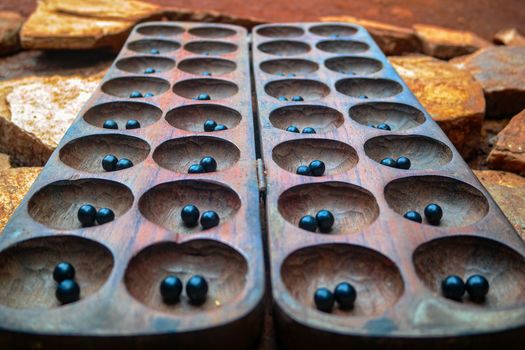
Imagine a game so ancient, so deeply rooted in history, that its origins are whispered to be in the cradle of civilization itself. That's Mancala, or more specifically, its West African variations like Oware or Ayo. Played with seeds or stones and a wooden board featuring rows of pits, Mancala is a game of strategy, counting, and pattern recognition that feels both meditative and intensely competitive.
My Experience:
My first encounter with Oware was in a bustling market in Accra, Ghana. I was admiring a beautifully carved wooden board, its pits worn smooth from generations of play, when a young vendor, Kwame, noticed my interest. With a wide, inviting smile, he motioned for me to sit on a small stool. "You want to learn, sister?" he asked, his eyes twinkling. The rules seemed complex at first – "sowing" seeds, "capturing" them, understanding the "house" – but Kwame was incredibly patient. He'd clap his hands in delight when I made a good move and gently guide my fingers when I was lost. We played for what felt like hours, surrounded by the vibrant chaos of the market, sharing stories between rounds. I didn't just learn a game; I learned about Ghanaian hospitality and the joy of simple, shared moments.
Where to Find It in November 2025:
Look for Mancala boards in local markets, artisan shops, or even community centers across West Africa (Ghana, Côte d'Ivoire, Nigeria are great starting points). Many guesthouses will have a board, and the staff are often eager to teach. In November, the weather is typically dry and pleasant, perfect for outdoor games in courket squares.
Tips for Playing & Connecting:
* Show Genuine Interest: Locals appreciate curiosity. Ask about the game's history or local variations.
* Be Patient: The rules can seem intricate initially, but they become intuitive quickly. Don't be afraid to make mistakes.
* Offer a Small Token: While not expected, buying a small item from a vendor who teaches you, or offering to buy them a drink, is a kind gesture.
* Instagram Moment: Capture the beautiful carved boards, the focused expressions of players, and the vibrant market atmosphere. Think close-ups of hands "sowing" seeds.
---
2. Italy's Lively Squares: Briscola (The Card Game that Binds Generations)
Remember my Naples story? Briscola is that game. It's a trick-taking card game, typically played with a 40-card Italian deck (which has suits like swords, cups, coins, and clubs instead of spades, hearts, diamonds, and clubs). It's a game of skill, memory, and a good dose of intuition, often played with passionate gestures and lively banter.
My Experience:
That afternoon in Naples wasn't a fluke. I've since encountered Briscola across Italy, from a quiet family trattoria in Tuscany to a bustling café in Rome. Each time, the scenario was similar: older gentlemen, sometimes women, gathered around a small table, playing with an intensity that belied the casual setting. Once, in a small town near Siena, I was invited to join a game after a delicious lunch. My Italian was rudimentary, but my fellow players used exaggerated hand gestures, slow repetitions, and a lot of laughter to guide me. The joy wasn't in winning (I rarely did!) but in the shared experience, the clinking of espresso cups, and the feeling of being truly part of something local.
Where to Find It in November 2025:
Italy in November is shoulder season – fewer tourists, more authentic local life. Look for Briscola in local bars (bars in Italy are often more like cafes/community hubs), parks, or even during local festivals. If you're staying in a smaller, family-run accommodation, ask if anyone plays! You can buy a deck of Italian cards for a few euros at any tabaccheria (tobacco shop).
Tips for Playing & Connecting:
* Learn Basic Italian Phrases: Even "Grazie" (thank you) and "Scusa" (excuse me) go a long way.
* Observe First: Watch a few rounds to get a feel for the game's rhythm and strategy.
* Embrace the Passion: Italians play with their whole body! Don't be surprised by animated discussions.
* Instagram Moment: Close-ups of the unique Italian card suits, hands holding cards, the backdrop of an old Italian piazza or a cozy bar.
---
3. Southeast Asia's Acrobatic Delight: Sepak Takraw (Kick Volleyball)
If you've ever watched Sepak Takraw, you know it's less a game and more a mesmerizing display of athleticism and grace. Imagine volleyball, but instead of using hands, players use only their feet, knees, chest, and head to propel a woven rattan ball over a high net. It's fast, furious, and utterly captivating.
My Experience:
My first glimpse of Sepak Takraw was on a beach in Krabi, Thailand. The sun was setting, painting the sky in fiery hues, and a group of young men were engaged in an incredible aerial ballet. They'd launch themselves into the air with bicycle kicks, contort their bodies into impossible angles, and send the ball flying with laser precision. I was mesmerized. Eventually, one of them, noticing my gaping mouth, called out, "Want to try?" My attempts were, to put it mildly, pathetic. The ball seemed to have a mind of its own, bouncing off my shins and forehead with embarrassing regularity. But the laughter was infectious, and their encouragement genuine. I never mastered a single move, but I gained immense respect for the sport and shared an unforgettable hour of pure, unadulterated fun.
Where to Find It in November 2025:
Thailand, Malaysia, and Indonesia are prime locations. November marks the end of the rainy season in much of Southeast Asia, offering pleasant, sunny weather perfect for outdoor games. Look for Sepak Takraw in local parks, schoolyards (after hours), beaches, or even designated courts in larger towns. Ask your guesthouse staff where locals play.
Tips for Playing & Connecting:
* Dress Comfortably: You'll be moving (or trying to move!) a lot.
* Don't Be Shy: Even if you're terrible (like me!), locals appreciate the effort and enthusiasm.
* Watch and Learn: Observe the footwork and strategy before attempting.
* Instagram Moment: Dynamic action shots (even if it's just you flailing!), the unique rattan ball, tropical backdrops, and the incredible agility of local players.
---
4. India's Finger Billiards: Carrom
Carrom is a tabletop game that combines elements of billiards and shuffleboard, played with a striker and smaller discs (carrom-men) on a polished wooden board. It's a game of precision, angles, and delicate touch, often played with intense concentration in tea stalls, community centers, and homes across India and South Asia.
My Experience:
I stumbled upon Carrom during a rainy afternoon in Udaipur, India. Seeking refuge from a sudden downpour, I ducked into a small, bustling chai shop. In the back, two men were deeply engrossed in a game, their fingers flicking the striker with surprising force and accuracy. The satisfying thwack of the striker hitting the carrom-men, followed by the gentle clink as they dropped into the pockets, was hypnotic. After I finished my chai, one of the players, a kindly man named Rajesh, invited me to join. He patiently showed me how to hold the striker, how to aim, and the subtle art of using powder to reduce friction. It was a fascinating blend of physics and finesse, and the shared focus created an unexpected bond. We didn't need many words; the game itself was our conversation.
Where to Find It in November 2025:
India's post-monsoon season in November offers clear skies and pleasant temperatures, ideal for lingering in cafes and outdoor spaces. You'll find Carrom boards everywhere – from roadside tea stalls and small restaurants to community centers and even family homes. If you're invited to someone's home, chances are a Carrom board isn't far away.
Tips for Playing & Connecting:
* Observe Hand Positions: There are specific ways to hold the striker for different shots.
* Ask About Local Rules: Like many traditional games, Carrom can have regional variations.
* Embrace the Focus: It's a game that demands concentration, so lean into the quiet intensity.
* Instagram Moment: Close-ups of hands flicking the striker, the intricate wooden board, the colorful carrom-men, and the cozy, authentic setting of a local chai shop.
---
5. Nordic Winter Fun: Kubb (Viking Chess)
As November ushers in cooler weather and even early snow in the Nordic countries, outdoor games might seem counter-intuitive. But Kubb, often called "Viking Chess," is perfectly suited for brisk afternoons, especially if you're visiting Sweden or Norway. This lawn game involves throwing wooden batons to knock over wooden blocks (kubbs) and ultimately a "king" piece. It's a wonderful blend of strategy and skill, often played in teams.
My Experience:
My first encounter with Kubb was during a late November trip to a friend's cabin in rural Sweden. The ground was dusted with the season's first snow, and the air was crisp and invigorating. My friend's family bundled up, laid out the wooden pieces, and explained the rules. It was surprisingly engaging – a mix of careful aiming, team strategy, and the satisfying thud of wood on wood. We played for hours, fueled by hot chocolate and the sheer joy of friendly competition. It felt incredibly wholesome and authentically Nordic, a perfect way to embrace the approaching winter.
Where to Find It in November 2025:
While more common in summer, many families and communities in Sweden, Norway, and Denmark still enjoy Kubb in the shoulder seasons. Look for it in public parks, especially on weekends, or if you're lucky enough to be invited to a local's home. Some outdoor cafes or breweries might even have sets available.
Tips for Playing & Connecting:
* Dress Warmly: Layers are key for enjoying outdoor games in November in the Nordics.
* Teamwork Makes the Dream Work: Kubb is often played in teams, so embrace collaboration.
* Learn the "King" Rule: There's a specific, often dramatic, way to win by knocking over the king.
* Instagram Moment: The contrast of the wooden game pieces against a snowy or autumnal landscape, bundled-up players laughing, and the crisp, clear Nordic air.
---
6. Mexico's Illustrated Bingo: Lotería
Lotería is a vibrant, colorful game of chance, often described as Mexican Bingo. Instead of numbers, players use illustrated cards featuring iconic Mexican imagery – "El Gallo" (the rooster), "La Sirena" (the mermaid), "El Borracho" (the drunkard). A caller rapidly announces the names of the cards, and players mark them on their tabla (board) with beans or pebbles, shouting "¡Lotería!" when they complete a pattern.
My Experience:
I was at a lively family gathering during a Día de Muertos festival in Oaxaca, Mexico (Día de Muertos often extends into early November). The air was thick with the scent of marigolds and mole, and the sound of laughter and music filled the courtyard. After dinner, someone pulled out a stack of Lotería cards. The caller, a quick-witted aunt, rattled off the card names with theatrical flair. I barely understood half of what she said, but the sheer energy and the unique illustrations kept me captivated. The family patiently helped me identify cards, and the excitement when someone shouted "¡Lotería!" was infectious. It wasn't just a game; it was a cultural performance, a linguistic lesson, and a heartwarming immersion into Mexican family life.
Where to Find It in November 2025:
Mexico in November is fantastic, with pleasant weather across much of the country. You'll find Lotería played at family gatherings, community events, schools, and sometimes in casual settings like parks or markets. Many souvenir shops sell Lotería sets for just a few dollars, making it easy to buy your own and ask someone to teach you.
Tips for Playing & Connecting:
* Learn Basic Spanish: Knowing the names of the cards (even just a few) will enhance your experience.
* Embrace the Speed: The caller can be very fast! Don't be afraid to ask for a slower pace initially.
* Enjoy the Art: The illustrations are beautiful and culturally significant; take time to appreciate them.
* Instagram Moment: Colorful Lotería cards spread on a table, hands marking boards with beans, animated faces of players, and the festive backdrop of a Mexican fiesta or family gathering.
---
Practical Tips for Your November 2025 Game Quest:
- Be Approachable: A smile and genuine curiosity are your best tools. Make eye contact.
- Ask Politely: "Would you mind teaching me?" or "Can I watch?" (in the local language if possible) goes a long way. Use a translation app if needed.
- Observe First: Watching a few rounds gives you a feel for the rhythm and rules.
- Embrace Mistakes: You will make errors, especially at first. Laugh at yourself; locals will appreciate your good humor.
- Offer Reciprocity: If you know a simple game from your own culture (like Rock-Paper-Scissors or a basic card game), offer to teach them in return. It's a wonderful cultural exchange.
- Carry Small Change/Tokens: If you're playing in a casual setting (like a market), offering to buy a round of drinks or a small snack is a nice gesture.
- Safety First: Always be aware of your surroundings and trust your gut, especially when approaching strangers. Public spaces are generally safer bets.
- Capture the Moment (Respectfully): Always ask permission before taking photos or videos, especially close-ups of people.
- November Advantage: With fewer tourists, locals are often more relaxed and open to interaction. Look for local festivals or community events happening in early November – these are goldmines for traditional games.
---
Your Next Chapter of Travel: Play On!
Traveling isn't just about ticking off landmarks from a list. It's about the stories you collect, the connections you forge, and the unexpected moments that transform a trip into an adventure. Learning a traditional game from a local is one of the most powerful ways to achieve this. It’s an invitation into their world, a shared laugh that transcends language, and a memory far more vibrant than any souvenir you could buy.
So, as you plan your November 2025 travels, challenge yourself to go beyond the usual. Seek out the squares, the cafes, the markets where life unfolds in its most authentic form. Listen for the laughter, watch for the focused faces, and then, with an open heart and a ready smile, ask to play.
What traditional game will you learn on your next adventure? Share your plans and tips in the comments below! And don't forget to tag #TripsoraGames and #November2025Travel on your Instagram posts when you capture these incredible cultural exchanges!
---