Your Office is Everywhere: How to Set Up a Mobile HQ Before Everyone Else Does
I remember it like it was yesterday: stuck in a windowless cubicle, staring at a spreadsheet while my mind drifted to the vibrant markets of Marrakech, the serene beaches of Thailand, or the bustling streets of Tokyo. My desk was piled high with papers, my coffee was cold, and the only "view" I had was a blurry screenshot of a waterfall. That day, something clicked. I realized I wasn't just dreaming of travel; I was dreaming of living differently, working differently. I wanted to escape the confines of the traditional office, not just for a vacation, but for good.
Fast forward five years, and my "office" has been a sun-drenched balcony overlooking the Aegean Sea, a minimalist co-working space in a bustling Lisbon neighborhood, a cozy corner of a Kyoto ryokan, and even a campervan parked beside a glacial lake in Patagonia. I've transformed my entire work life into a mobile adventure, setting up productive workstations in places most people only dream of visiting.
And guess what? This isn't some far-off Silicon Valley fantasy. This is now. While many are still tethered to their desks, the mobile office revolution is quietly brewing, and you, my friend, have the chance to be an early adopter, to carve out your freedom before the mainstream catches up and prices soar, and every secret spot is plastered across Instagram.
Ready to ditch the cubicle and embrace the world as your workspace? Let's dive into how to set up your ultimate mobile office, making productivity portable and adventure your daily commute.
The Mindset Shift: Why Go Mobile Now, Not Later?
Before we talk gear and Wi-Fi, let's talk why. Embracing a mobile office isn't just about escaping; it's about unlocking a new level of freedom, creativity, and personal growth.
Freedom & Flexibility:
This is the obvious one. Imagine waking up in a new city, grabbing a local pastry, and then settling into a cafe where the scent of freshly ground coffee mingles with the buzz of a foreign language. Your schedule is yours. You work when you're most productive, take breaks to explore, and dictate your own pace. This isn't just about working remotely; it's about living remotely.
Boosted Creativity & Perspective:
Monotony kills creativity. New environments, cultures, and experiences inject fresh perspectives into your work. I once struggled with a tricky marketing campaign for weeks. A single afternoon spent observing street artists in Berlin, followed by a walk through the East Side Gallery, completely reframed my approach. The vibrant energy and diverse stories sparked an idea that led to our most successful campaign that quarter. You can't put a price on that kind of inspiration.
Avoiding Burnout & Enhancing Well-being:
The grind is real. A mobile office allows you to integrate exploration and relaxation into your daily life. Feeling stressed? Take a walk along the beach, visit a museum, or hike a nearby trail. This isn't procrastination; it's self-care that prevents burnout and keeps you sharp. Plus, the constant learning from new cultures keeps your mind agile and engaged.
The Early Adopter Advantage:
Right now, the infrastructure for mobile offices is excellent but not yet saturated. You can find affordable co-working spaces, reliable internet solutions, and welcoming communities in emerging digital nomad hubs. By getting in now, you're ahead of the curve, establishing your routine and finding your favorite spots before everyone else floods the market. This means better deals, less competition for resources, and a more authentic local experience.
Your Essential Mobile Office Toolkit: Gear That Goes the Distance
Your mobile office is only as good as the tools you carry. The key here is portability without sacrificing power or comfort. Think minimalist, efficient, and robust.
- The Brains: Your Laptop (and Tablet)
- Laptop: Invest in a lightweight, powerful laptop with excellent battery life. My go-to is a MacBook Air (M2 chip for power) or a Dell XPS 13. They're slim, durable, and can handle most tasks. Aim for at least 16GB RAM and 512GB SSD for smooth operation.
- Tablet (Optional but Recommended): An iPad Pro with a magic keyboard can be a game-changer for lighter tasks, reading, or as a second screen. It’s incredibly versatile and often less conspicuous than a laptop in certain settings.
- The Lifeline: Internet Connectivity
- Unlocked Smartphone & Local SIMs: Essential. Buy a local SIM card in almost every country for cheap, reliable data. In Southeast Asia, you can often get unlimited data for less than $15/month. In Europe, a prepaid SIM with 50GB might cost €20.
- eSIMs: Services like Airalo or Nomad are fantastic for instant connectivity upon arrival, especially for short stays or bridging gaps until you get a local SIM. They offer plans for regions or specific countries.
- Portable Wi-Fi Hotspot: A dedicated device like the Netgear Nighthawk M6 Pro can be a lifesaver, especially if you're traveling with others or need a backup. Pair it with a local data SIM.
- Starlink Roam/Mobile: For truly off-grid adventures (think remote cabins, national parks, or sailing), Starlink is unparalleled. It's an investment (around $599 for hardware, $150/month for service), and the dish isn't tiny, but it offers high-speed internet almost anywhere on Earth. I've used it from a remote beach in Mexico for video calls with zero issues – mind-blowing!
- Power Up: Keeping Everything Running
- Universal Travel Adapter: A good one with multiple USB ports (USB-C included) is non-negotiable. Look for brands like Skross or EPICKA.
- Portable Power Bank: A high-capacity power bank (20,000mAh+) is crucial. Anker and Goal Zero make reliable options that can charge your phone multiple times and even give your laptop a boost.
- Solar Charger (for extreme nomads): If you're truly off the grid, a portable solar panel like the Goal Zero Nomad 20 can trickle charge your smaller devices.
- Ergonomics & Comfort:
- Portable Laptop Stand: Prevents "tech neck" and improves posture. Brands like Roost or Nexstand are lightweight and foldable.
- Compact Wireless Keyboard & Mouse: An Apple Magic Keyboard and Magic Mouse (if you're on Mac) or a compact Logitech MX Anywhere mouse and a folding Bluetooth keyboard are excellent for comfort and precision, especially during long work sessions.
- Noise-Canceling Headphones: A must-have for focus in noisy environments. Sony WH-1000XM5 or Bose QuietComfort are industry leaders. They're also great for taking calls.
- Portable Monitor (Optional): If you thrive on a dual-screen setup, consider a lightweight USB-C powered portable monitor like the Asus ZenScreen. It’s a luxury, but for some, it’s a productivity multiplier.
- Security & Software:
- VPN (Virtual Private Network): Essential for securing your data on public Wi-Fi. NordVPN or ExpressVPN are popular choices.
- Cloud Storage: Keep everything backed up. Google Drive, Dropbox, or OneDrive.
- Communication Tools: Slack, Zoom, Google Meet – standard remote work tools.
Finding Your Perfect Workspace: Beyond the Coffee Shop
The world is your office, but not all "offices" are created equal. You need to be strategic about where you set up shop to maximize productivity and minimize stress.
- Co-working Spaces: The Digital Nomad Hubs
- Why: Reliable Wi-Fi, power outlets, ergonomic chairs, a community of like-minded individuals, and a professional environment. Many offer day passes, weekly rates, or monthly memberships.
- Where: Look for global chains like Selina (often combined with hostels, great for social nomads) or Regus. Smaller, independent co-working spaces are popping up everywhere – think Impact Hub in various cities, or local gems like Second Home in Lisbon or Dojo Bali in Canggu. A day pass usually costs between €10-€30, while a monthly membership can range from €100-€300 depending on the city.
- Tip: Always check reviews for Wi-Fi speed and noise levels. Many offer free trials or first-day passes.
- Cafes with a Vibe:
- Why: Ambiance, good coffee, often free Wi-Fi. Perfect for a few hours of focused work or creative brainstorming.
- How to Choose: Look for cafes that aren't too crowded, have ample power outlets (often near walls), and offer a comfortable seating arrangement. I always scout for places with large tables or quiet corners. My favorite find was a tiny, independent bookstore cafe in Florence that played classical music – pure bliss for deep work.
- Etiquette: Don't hog a table for hours on a single espresso. Buy multiple items, tip well, and if it gets busy, pack up.
- Unique & Unexpected Locations:
- Libraries: Often overlooked! Public libraries in major cities (like the New York Public Library or the British Library) offer quiet environments, free Wi-Fi, and historical grandeur. University libraries are also great if you can get access.
- Airbnb/Hotels with Dedicated Workspaces: When booking accommodation, filter for "laptop-friendly workspace." Many Airbnbs now specifically cater to remote workers. Some boutique hotels also offer excellent common areas or business centers.
- Nature's Office: If you have reliable mobile data or a Starlink setup, don't underestimate the power of nature. A shaded park bench, a picnic table by a lake, or even a quiet beach (under an umbrella!) can be incredibly invigorating. Just be mindful of glare and potential theft. My most memorable "office" was a small table on a treehouse balcony in Monteverde, Costa Rica, with howler monkeys as my colleagues.
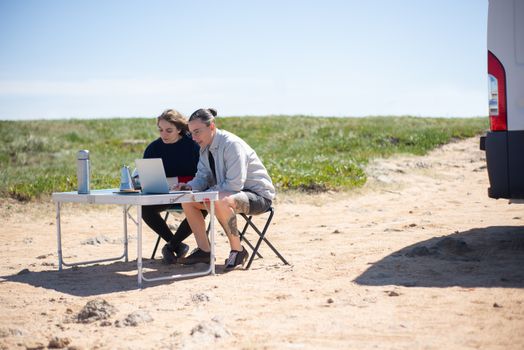
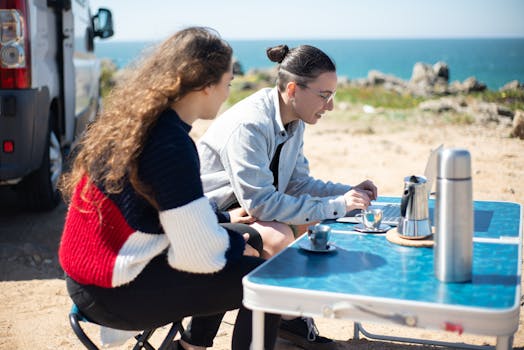
- Campervans & RVs: The ultimate mobile office on wheels. With solar panels, a good inverter, and a mobile hotspot, you can literally work from anywhere you can park. This is where Starlink truly shines.
Tips for Scouting:
* Walk Around: Explore a neighborhood on foot before committing.
* Ask Locals: Baristas, hostel staff, and other travelers often have the best insider tips.
* Online Research: Google Maps reviews, Facebook groups for digital nomads in the area, and dedicated co-working space directories are your friends.
Connectivity & Power: The Lifeblood of Your Mobile Office
Without internet and power, your mobile office is just a very expensive paperweight. This is where proactive planning is key.
Internet Strategy: Always Have a Backup (or Two!)
- Local SIM Cards: As mentioned, these are your primary workhorse. Research providers in your destination beforehand (e.g., Vodafone in Europe, AIS in Thailand, Telcel in Mexico). Check coverage maps if you plan to go remote. In Italy, I picked up a TIM SIM with 70GB for €15 – an absolute steal!
- eSIMs for Redundancy: Even if you have a local SIM, an eSIM from Airalo or Nomad as a backup is invaluable. I once had a local SIM mysteriously stop working in rural Vietnam, and my Airalo eSIM saved a critical client call.
- Portable Hotspot with Local SIM: This creates your own personal Wi-Fi network, perfect for multiple devices or if your phone's hotspot isn't robust enough.
- Hotel/Airbnb Wi-Fi: Always test it immediately upon arrival. Don't assume it's good. Run a speed test (fast.com or speedtest.net). If it's slow, ask for a different room or use your backup.
- Co-working Space Wi-Fi: Generally the most reliable, but still worth confirming speeds if you have bandwidth-heavy tasks.
- Offline Work: Plan for periods without internet. Download documents, emails, and videos for offline access. Use tools like Google Docs (offline mode) or Notion.
Power Strategy: Never Be Caught Off Guard
- High-Capacity Power Bank: Get one with at least 20,000mAh and USB-C Power Delivery (PD) for faster charging of laptops. My Anker PowerCore III Elite has saved me countless times.
- Multiple Chargers: Don't rely on just one. Carry chargers for your laptop, phone, power bank, and any other essential gadgets.
- Universal Adapter with Surge Protection: Protects your gear from dodgy power grids.
- Power Strip with USB Ports: If you're working in a cafe or co-working space with limited outlets, a small travel power strip can make you a hero (and ensures you always have a spot).
- Car Inverter/Charger: If you're traveling by car or campervan, a car inverter allows you to charge laptops and other AC-powered devices directly from your vehicle's battery.
- Solar Panels (for extreme remote): For true off-grid work, a portable solar panel paired with a power station (like a Jackery Explorer or Goal Zero Yeti) can keep you powered indefinitely. This is an advanced setup but offers ultimate freedom.
Mastering Productivity & Maintaining Balance on the Go
The allure of a new city can be a huge distraction. The key to successful mobile officing is disciplined productivity and intentional balance.
- Establish a Routine (Even a Flexible One):
- Morning Rituals: Even if it's just a walk, coffee, and journaling, a consistent start helps set your day.
- Designated Work Blocks: Use techniques like the Pomodoro Method (25 min work, 5 min break) to stay focused. I aim for 2-3 deep work blocks in the morning before exploring.
- Time Zone Management: If working with a remote team, clearly communicate your working hours. Use tools like World Time Buddy.
- Optimize Your Workspace for Focus:
- Minimize Clutter: Keep your physical and digital workspaces clean.
- Noise Management: Noise-canceling headphones are your best friend. Alternatively, find inherently quiet spaces like libraries or dedicated co-working zones.
- Ergonomics: Even a simple laptop stand and external keyboard can make a huge difference in comfort and preventing strain.
- Communication & Collaboration:
- Asynchronous Work: Embrace it. Not everyone will be in your time zone. Use tools like Slack for updates, Trello/Asana for task management, and Loom for video explanations.
- Clear Expectations: Be upfront with clients and colleagues about your availability and time zone differences.
- Reliable Video Calls: Always test your internet and audio/video before important calls. Use a quiet space.
- Prioritize Well-being & Exploration:
- Digital Detox: Schedule time away from screens. Explore your surroundings without your phone glued to your hand.
- Physical Activity: Go for a run, find a local gym, take a yoga class, or simply walk everywhere. The mental benefits are immense.
- Healthy Eating: It’s easy to fall into the trap of convenience food when traveling. Seek out local markets, cook some of your own meals, and try fresh, healthy local cuisine.
- Embrace the Unexpected: Some of my best memories come from spontaneous detours or conversations with locals. Don't over-schedule your free time.
My biggest lesson? Don't let the "work from anywhere" dream turn into "work all the time, everywhere." In Lisbon, I made the mistake of trying to work from every single beautiful viewpoint. The result? Great photos, terrible productivity. I learned to dedicate mornings to focused work in a co-working space, then fully immerse myself in exploring the city in the afternoons and evenings. This balance is crucial.
Legality, Visas & Money Matters: The Practicalities of Global Mobility
This is the less glamorous but absolutely critical part of setting up your mobile office. Don't skip these steps!
- Visas & Residency:
- Tourist Visas: Many countries allow you to work remotely on a tourist visa, provided your income comes from outside the country. Always check the specific regulations. Overstaying or working for local businesses on a tourist visa is illegal.
- Digital Nomad Visas: This is the future! Countries are increasingly offering specific visas for remote workers. Examples include:
- Portugal (D8 Visa): Requires proof of income (around €2,800/month), a bank account, and accommodation.
- Spain: Similar income requirements, offers 1-year visa, renewable for up to 5 years.
- Croatia: One of the first, relatively straightforward process.
- Bali (Indonesia): Planning a specific 5-year digital nomad visa, though current options involve other types.
- Estonia, Georgia, Germany, Costa Rica, Mexico, Malaysia, UAE: The list is growing rapidly.
- Research is Key: Always consult the official embassy websites or reputable immigration lawyers for the latest requirements. Laws change frequently.
- Taxes:
- This is complex and highly individual. You'll need to understand your tax obligations in your home country and any country where you establish tax residency.
- Consult a Tax Professional: Seriously, don't guess. Find an accountant specializing in international taxation for digital nomads. They can advise on double taxation agreements, tax residency rules, and strategies.
- Domicile vs. Residency: Understand the difference. You might be a tax resident in one country while your legal domicile remains in another.
- Banking & Finance:
- Multi-Currency Accounts: Services like Wise (formerly TransferWise) and Revolut are invaluable. They allow you to hold multiple currencies, send money cheaply, and use a debit card with excellent exchange rates worldwide. I use Wise daily for client payments and local expenses.
- Local Bank Accounts: For longer stays (e.g., if you get a digital nomad visa), opening a local bank account can simplify daily life and bill payments.
- Credit Cards: Carry at least two different credit cards (Visa/Mastercard) for emergencies, and ensure they have no foreign transaction fees. Inform your bank of your travel plans.
- Insurance:
- Travel Insurance: A must-have. Look for policies specifically designed for digital nomads, like SafetyWing, which covers medical emergencies, travel delays, and some personal liability.
- Health Insurance: Understand what your travel insurance covers. For longer stays, you might need to look into local health insurance options or international private health insurance.
- Device Insurance: Consider insuring your laptop and other expensive gear against theft or damage.
The World Awaits: Your Office, Your Rules
The mobile office isn't just a trend; it's a paradigm shift in how we approach work and life. It's about reclaiming your time, sparking your creativity, and experiencing the world not as a tourist, but as a global citizen who happens to be incredibly productive.
By proactively setting up your mobile HQ now, you're not just getting ahead of the curve; you're designing a life of unparalleled freedom and adventure. You're building a future where your ambition isn't limited by four walls, but by the horizon.
So, what are you waiting for? That perfect cafe in Lisbon with the smell of espresso and the sound of trams clattering by is calling your name. That quiet beach in Thailand, where the only distraction is the gentle lapping of waves, awaits your next big idea.
What's your dream mobile office location? Share your aspirations and any pro tips you have in the comments below! Let's inspire each other to embrace the nomadic work revolution.
---