Beyond the Postcard: Ancient Rituals You Need to Experience Before You Die
There’s a moment etched into my memory, clear as day. It was dusk in a tiny village tucked away in the Atlas Mountains of Morocco. I’d stumbled upon a local festival, a celebration of the olive harvest. The air hummed with the rhythmic beating of drums, the chanting of old men, and the scent of woodsmoke and mint tea. As the sun dipped below the rugged peaks, casting long, purple shadows, a group of women, their faces etched with generations of stories, began a slow, mesmerizing dance. Their movements were simple, repetitive, yet deeply powerful, a living prayer passed down through time.
I wasn’t just observing; I felt myself drawn into the rhythm, a silent participant in something ancient and sacred. It was then that I truly understood: travel isn't just about ticking off landmarks; it's about connecting with the soul of a place, witnessing the threads of history woven into the present. And few experiences offer this profound connection more powerfully than witnessing ancient rituals firsthand.
These aren't museum exhibits or staged performances. These are living traditions, vibrant expressions of faith, community, and ancestral wisdom that have endured for centuries, sometimes millennia. They are raw, authentic, and often deeply moving. If you're ready to peel back the layers of modernity and step into a world where the sacred still breathes, then pack your bags. Here are some of the most mind-blowing ancient rituals you absolutely need to experience before you die.
1. The Purifying Waters of Bali: Melukat Ceremony (Indonesia)
Location:
Various holy springs and temples across Bali, Indonesia (e.g., Tirta Empul, Sebatu, Pura Mengening)
Estimated Cost: Free to a small donation (IDR 20,000-50,000 for temple entry/sarong rental). Guided tours can range from IDR 300,000-800,000.
Best Time to Visit: Early morning is ideal for fewer crowds and a serene atmosphere. Year-round.
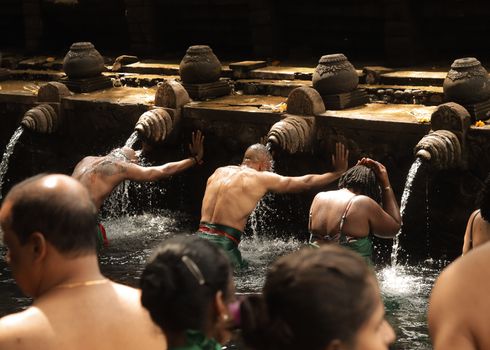
Bali, the "Island of the Gods," is a place where spirituality permeates every aspect of life. Among its most beautiful and accessible ancient rituals is the Melukat ceremony, a purification ritual performed at holy springs or temples. Balinese Hindus believe these ceremonies cleanse the body, mind, and soul of negative energies, bad karma, and impurities.
My first Melukat was at Tirta Empul, one of Bali's most famous water temples. I arrived just after sunrise, the air cool and crisp, carrying the scent of incense and frangipani. Dressed in a traditional sarong and sash (rentable at the temple entrance), I joined a line of locals and a few respectful tourists. Our guide, a gentle Balinese woman named Ayu, explained the process: offerings first, then a slow progression through the various spouts, each believed to have a different purifying effect.
As the cool spring water cascaded over my head, I closed my eyes, feeling a profound sense of release and renewal. It wasn't just physical; it felt like a spiritual washing away of worries, an ancient embrace. The chanting of prayers, the murmur of the crowd, the vibrant offerings laid out – it all created an atmosphere of deep reverence and peace. This isn't just a bath; it's an active participation in a living faith, a tangible connection to Bali's spiritual heart.
How to Witness/Participate:
* Respect is Key: Dress modestly (sarong and sash are mandatory, often provided or rentable). Follow local customs and guidance.
* Go with a Local Guide: A local guide can explain the nuances, help you with offerings, and ensure you participate respectfully and correctly. Many tour operators offer Melukat experiences.
* Specific Locations: Tirta Empul is popular but can be crowded. For a more tranquil experience, consider Sebatu or Pura Mengening.
Instagram-Worthy Moment:
The iconic shot of the temple spouts with worshippers under the cleansing waters, framed by lush greenery and ancient stone. Capture the serene expressions and the vibrant colors of the offerings.
2. The Sacred Offerings of the Andes: Despacho Ceremony (Peru)
Location:
Cusco and the Sacred Valley, Peru
Estimated Cost: US$50-200, depending on the length and private/group nature. Some retreats include it.
Best Time to Visit: Dry season (May-October) for best hiking and travel conditions, but ceremonies can be done year-round.
High in the Peruvian Andes, where the majestic peaks meet the vast sky, the indigenous Quechua people maintain a profound connection to Pachamama (Mother Earth) and the Apus (mountain spirits). The Despacho ceremony is an ancient ritual of gratitude, reciprocity, and prayer, a beautiful and intricate offering made to these powerful spirits for balance, healing, and abundance.
I first witnessed a Despacho ceremony during a trekking trip through the Sacred Valley. Our local guide, a wise-eyed man named Juan, led us to a quiet spot overlooking terraced fields and snow-capped mountains. A local "curandero" (healer/shaman) prepared a vibrant tapestry of natural elements on a cloth: coca leaves (sacred and symbolic), seeds, flowers, sweets, grains, even small figurines representing wishes or intentions. Each item was placed with intention, a silent prayer whispered over it.
The curandero then invoked the Apus and Pachamama, chanting in Quechua, his voice resonating with the ancient power of the land. We were invited to place our own intentions into the coca leaves, blowing on them before adding them to the offering. It was a deeply personal and moving experience, a tangible way to express gratitude and connect with the spiritual fabric of the Andes. The ceremony culminated with the carefully wrapped Despacho being burned or buried, releasing its prayers into the cosmos.
How to Witness/Participate:
* Seek Reputable Guides/Shamans: Ensure you connect with an authentic curandero or a reputable tour operator who works directly with indigenous communities. Avoid commercialized versions.
* Be Open and Respectful: Approach the ceremony with an open heart and mind. It's a sacred practice, not entertainment.
* Learn a Few Quechua Phrases: "Pachamama, gracias" (Mother Earth, thank you) or "Apu, gracias" will be deeply appreciated.
Instagram-Worthy Moment:
The intricate, colorful Despacho offering laid out on a traditional cloth, with the stunning backdrop of the Andes mountains. Capture the focused intensity of the curandero and the reverence of the participants.
3. The Fiery Devotion of Varanasi: Ganga Aarti (India)
Location:
Dashashwamedh Ghat, Varanasi, India
Estimated Cost: Free to watch. Boat rides for a better view are INR 100-300.
Best Time to Visit: Daily at sunset. Arrive at least an hour early for a good spot, especially during peak season (October-March).
Varanasi, one of the oldest continuously inhabited cities in the world, is the spiritual heart of Hinduism. Life here revolves around the sacred Ganges River, believed to be a living goddess capable of purifying sins. Every evening, as twilight descends, the banks of the Ganges erupt in a spectacular and deeply moving Ganga Aarti ceremony.
My first time witnessing Ganga Aarti was overwhelming in the most beautiful way. I found a spot on the steps of Dashashwamedh Ghat, jostling amongst thousands of pilgrims, sadhus, and tourists. The air was thick with the scent of incense, marigolds, and the murmur of prayers. As the sun dipped, a group of young Brahmins, dressed in saffron robes, began the ritual.
With synchronized movements, they swung multi-tiered lamps, bells jingled, conch shells blew, and ancient hymns filled the air. The flames danced in the twilight, reflecting off the river, casting a golden glow on the faces of the devotees. It's a sensory overload – the sights, sounds, smells, and the sheer energy of devotion are palpable. It’s an ancient ritual of reverence to the river goddess, a daily offering of light and prayer that has continued for centuries, a testament to unwavering faith. While the Kumbh Mela is a much grander, rare pilgrimage, the daily Ganga Aarti offers an accessible and powerful glimpse into ancient Hindu devotion.
How to Witness:
* Arrive Early: The ghats fill up quickly. Find a spot on the steps or consider taking a boat for a different perspective (negotiate prices beforehand).
* Be Respectful: Photography is allowed, but do so discreetly. Remove your shoes if you go onto the main platform.
* Explore the Ghats: Before or after the Aarti, wander the labyrinthine alleys of Varanasi and explore the other ghats to truly soak in the atmosphere.
Instagram-Worthy Moment:
The dramatic long-exposure shots of the Brahmins swinging the multi-tiered lamps, with the glowing reflections on the Ganges and the silhouette of the ancient city in the background. Capture the sea of faces, illuminated by the flickering flames.
4. The Fiery Wisdom of Japan: Goma Fire Ritual (Koyasan)
Location:
Various Shingon Buddhist temples across Japan, notably at Fudoin Temple or Ekoin Temple in Koyasan.
Estimated Cost: Free to attend (donations welcome). Temple stay (shukubo) at Koyasan ranges from JPY 10,000-20,000 per night, often including participation.
Best Time to Visit: Year-round. Check temple schedules for specific ritual times.
Japan, a land of ancient traditions and cutting-edge modernity, holds many spiritual treasures. Among the most powerful is the Goma Fire Ritual, a sacred ceremony practiced in esoteric Shingon Buddhism. This ritual involves burning wooden sticks (goma-gi) inscribed with prayers and wishes, symbolizing the burning away of negative karma and worldly desires.
My experience with the Goma ritual was during a temple stay (shukubo) in Koyasan, a sacred mountain retreat home to over a hundred Buddhist temples. At Ekoin Temple, before dawn, a small group of us gathered in the main hall. The air was cold, but the anticipation was warm. A monk, chanting in a deep, resonant voice, began the ritual by lighting a large bonfire on a raised platform.
As the flames grew, consuming the wooden sticks offered by participants, the heat intensified, and the smoke filled the hall with a potent, earthy scent. The monk's chanting grew more fervent, his movements precise and deliberate. It felt like a primal connection to an ancient spiritual force, a purification by fire. The belief is that the smoke carries the prayers directly to the deities, and by witnessing the burning, one's own impurities are cleansed. It's a profound, meditative experience, surprisingly intense for its quiet solemnity.
How to Witness/Participate:
* Stay at a Temple (Shukubo): Many temples in Koyasan (like Ekoin Temple) offer overnight stays that include participation in morning rituals, including Goma. This is the most immersive way.
* Check Schedules: If not staying, check temple websites for public Goma ritual times.
* Respectful Silence: Maintain silence and observe respectfully. Photography is often allowed but ask first.
Instagram-Worthy Moment:
The mesmerizing flames of the Goma ritual, with the monk in his robes, surrounded by the solemn beauty of a Japanese temple. Capture the play of light and shadow, and the intensity of the fire.
5. The Ritual of Hospitality: Ethiopian Coffee Ceremony (Ethiopia)
Location:
Throughout Ethiopia, especially in traditional homes, restaurants, and hotels.
Estimated Cost: Free if invited into a home; 50-200 ETB at a restaurant/hotel (for the ceremony, not just a cup).
Best Time to Visit: Year-round.
While perhaps not a "spiritual" ritual in the same vein as the others, the Ethiopian Coffee Ceremony is a deeply ingrained cultural practice, an ancient ritual of hospitality, community, and connection that has been performed for centuries. Ethiopia is the birthplace of coffee, and this ceremony is a testament to its profound significance in Ethiopian life.
I was invited to a coffee ceremony in a small guesthouse in Lalibela. The hostess, a graceful woman named Aster, began by scattering fresh grass and flowers on the floor, setting the scene. She then carefully roasted green coffee beans over a charcoal brazier, fanning the smoke towards us so we could savor the rich aroma. The sound of the beans crackling, the rising scent – it was intoxicating.
After roasting, she expertly ground the beans with a mortar and pestle, then brewed the coffee in a traditional clay pot called a "jebena." The coffee is served in small, handle-less cups, often with popcorn or traditional bread. Each ceremony involves three rounds, or "baraka" (blessing), with the coffee growing progressively weaker but the conversation deeper. It’s a slow, deliberate process, a time for reflection, storytelling, and genuine connection. It’s a powerful reminder that rituals don't always need grand gestures; sometimes, the most profound ones are found in daily acts of community and tradition.
How to Witness/Participate:
* Accept Invitations: If invited into an Ethiopian home, accept with gratitude. This is the most authentic experience.
* Hotels/Restaurants: Many traditional hotels and restaurants (especially in tourist areas) will offer a full ceremony.
* Be Patient: It’s a slow process – embrace it!
Instagram-Worthy Moment:
The vibrant setup with the jebena, small cups, incense, and popcorn, against a backdrop of traditional Ethiopian decor. Capture the smoke rising from the roasting beans, and the serene expression of the hostess.
6. The Vibrant Spirit of the Maasai: Cultural Village Visit (Kenya/Tanzania)
Location:
Maasai villages bordering Maasai Mara (Kenya) or Serengeti/Ngorongoro (Tanzania)
Estimated Cost: US$20-50 per person for a village visit (negotiate with your safari guide/camp).
Best Time to Visit: During a safari, year-round.
The Maasai people, with their distinctive red shukas and rich cultural heritage, are one of East Africa's most iconic indigenous groups. While many of their most sacred rituals are private, participating in a cultural village visit offers a powerful and respectful way to witness their ancient traditions, dances, and way of life firsthand.
During my safari in Kenya, our guide arranged a visit to a Maasai village near the Maasai Mara. As we approached, a group of warriors, adorned in their vibrant red and blue shukas and intricate beadwork, greeted us with their famous "adumu" or jumping dance. Their powerful, rhythmic chants and incredible vertical leaps were breathtaking, a display of strength, agility, and community spirit.
Inside the village, we were welcomed into a boma (homestead) and learned about their traditional mud-and-dung houses, their pastoralist lifestyle, and their deep connection to the land and their cattle. Elders shared stories of their history, their rites of passage (like the initiation of young warriors), and the significance of their distinctive attire and jewelry. While it's a curated experience for tourists, it's conducted with genuine pride and a desire to share their heritage. It's an opportunity not just to observe, but to engage, ask questions, and gain a profound appreciation for a culture that has maintained its ancient ways in the face of modernity.
How to Witness/Participate:
* Arrange Through Reputable Safari Operators: Your safari company can connect you with authentic villages that benefit directly from tourism.
* Be Respectful and Ask Permission: Always ask before taking photos, especially of individuals. Listen attentively and engage respectfully.
* Support Local Crafts: Purchasing handmade crafts directly from the villagers is a great way to support their economy.
Instagram-Worthy Moment:
The iconic image of Maasai warriors performing the adumu (jumping dance) against the backdrop of the vast African savanna. Capture their vibrant shukas, intricate beadwork, and powerful expressions.
---
Practical Tips for Witnessing Ancient Rituals
- Respect is Paramount: These are not tourist shows, but sacred practices. Dress modestly, speak softly, and always ask permission before taking photos. Silence your phone.
- Go with a Local Guide: A local guide can provide invaluable context, help you navigate cultural nuances, and ensure your presence is respectful and welcomed.
- Do Your Research: Understand the meaning and significance of the ritual beforehand. This enhances your appreciation and allows for a deeper connection.
- Embrace the Unpredictable: Rituals are living things, not always perfectly timed or executed. Be patient, flexible, and open to whatever unfolds.
- Be Prepared for "Authenticity": This might mean basic facilities, crowds, or sensory overload. It's all part of the experience.
- Support Local Communities: If there's an opportunity to donate or purchase local crafts, do so. Your presence should be a benefit, not a burden.
- Leave No Trace: Be mindful of your environmental impact.
My Final Thoughts: A Journey for the Soul
Witnessing these ancient rituals isn't just about seeing something unique; it's about feeling something profound. It's about stepping out of your comfort zone and into a world where time seems to bend, where the past and present coalesce, and where humanity's enduring search for meaning is vividly displayed. Each ritual I've experienced has left an indelible mark on my soul, expanding my understanding of faith, community, and the incredible diversity of human experience.
These aren't just items for your travel bucket list; they're opportunities for personal transformation. They remind us that beneath the veneer of modern life, the ancient pulse of humanity still beats strong. So, what are you waiting for?
Which ancient ritual calls to your soul? Share your thoughts and dream experiences in the comments below! And don't forget to tag #TripsoraRituals when you embark on your own sacred journey!
---