The air was thick with incense and anticipation, the rhythmic drumming a heartbeat against my chest. Thousands of candles flickered, illuminating faces etched with devotion, their chants rising like a collective prayer. I was in a small, remote village in Ethiopia, witnessing Timkat – a celebration of immense spiritual significance – and I was one of only a handful of foreigners present. It wasn't on any "top 10 festivals" list, and that, my friends, was precisely the magic of it.
That moment ignited a passion in me: to seek out the world's sacred celebrations before they become glossy, packaged tourist attractions. Don't get me wrong, iconic festivals like Rio Carnival or Oktoberfest are fantastic in their own right, but there's a profound, almost spiritual, connection you forge when you step into a community's deeply held traditions, unmarred by mass tourism. It’s about experiencing the raw, unfiltered essence of faith and culture, and trust me, it’s an experience that changes you.
On Tripsora, we're all about diving deeper, going further, and finding those unforgettable moments that truly define travel. So, if your wanderlust yearns for genuine immersion, for stories that aren't yet trending on TikTok, and for photographs that capture pure, unadulterated human spirit, then buckle up. I'm about to take you on a journey to five incredible religious festivals that are still largely off the mainstream radar for foreigners – for now.
The Allure of the Undiscovered Sacred: Why Go Off-Grid for Festivals?
In an increasingly connected world, true "undiscovered" gems are rare. But when it comes to religious festivals, many remain deeply rooted in local communities, their primary purpose being spiritual rather than spectacle. This is where the magic lies. Attending these festivals before they become mainstream offers:
- Authenticity: You witness genuine devotion and tradition, not performances tailored for tourists.
- Deeper Connection: You're often welcomed as a curious guest, not just another camera-wielding outsider, fostering real interactions.
- Unforgettable Photography: Capture moments brimming with raw emotion, vibrant colors, and compelling narratives.
- Ethical Travel: By experiencing these events respectfully and supporting local economies, you contribute to the preservation of cultural heritage.
- Bragging Rights (Let's Be Honest!): You'll have stories and photos that few others can match.
But remember, with authenticity comes responsibility. These are not theme parks. They are sacred events. Respect, research, and humility are your best travel companions.
1. Timkat, Ethiopia: A Baptism of Faith and Fire
My journey to Ethiopia for Timkat was one of the most powerful travel experiences of my life. Imagine an entire nation bursting with joyous, fervent faith, commemorating the baptism of Jesus in the Jordan River. While the celebrations are widespread, the most iconic take place in Gondar and Lalibela. I chose Gondar for its grand scale and ancient Fasilides' Bath, the central stage for the ritual.
The Experience:
The night before the main event, known as Ketera, felt like a pilgrimage from another century. Priests, cloaked in ornate robes, led processions carrying the Tabots (replicas of the Ark of the Covenant) from every church to a central sacred pool. The air vibrated with chanting, drumming, and the clanging of sistrums. Hundreds of thousands of pilgrims, dressed in traditional white cotton, followed, their faces alight with devotion. I found myself swept up in the river of humanity, a feeling of shared purpose unlike anything I'd known.
The next morning, at dawn, was the climax. As the sun rose, painting the sky in fiery hues, the Archbishop blessed the water of Fasilides' Bath. Then, with a joyful roar, thousands surged into the pool, symbolically renewing their baptismal vows. It wasn't just a spectacle; it was a visceral, deeply personal act of faith, and I watched, mesmerized, as families splashed and prayed, smiles beaming. Later, the Tabots were paraded back to their churches, accompanied by singing, dancing, and more vibrant processions. The smell of frankincense, the sound of ancient Ge'ez chants, the sight of countless white-clad figures – it was utterly overwhelming in the best possible way.
Practical Tips for Timkat:
* When to Go: January 19th (or January 20th in a leap year). Plan your trip for at least 3-4 days around the festival.
* Where to Stay: Gondar is the main hub, but Lalibela also offers a unique experience. Book accommodation months in advance – options are limited, and they fill up fast. I stayed at a small guesthouse near the city center, which allowed me to walk to most events. Expect basic but clean facilities.
* Getting There: Fly into Gondar (GDQ) from Addis Ababa (ADD). Ethiopian Airlines is reliable.
* Respect & Etiquette: Dress modestly (shoulders and knees covered). Ask permission before taking close-up photos of individuals, especially priests. Be prepared for huge crowds; patience is key. Embrace the chaos, but also be mindful of your belongings.
* Budget: Ethiopia is generally affordable, but festival prices for accommodation can be inflated. Expect to pay $50-100+ per night for basic hotels during the festival. Food is cheap and delicious (try injera with shiro wat!). Overall, a mid-range budget ($100-150/day) is comfortable, excluding international flights.
* Instagram-Worthy: The white cotton robes against the ancient stone, the priests' colorful vestments, the joyous faces, the dawn light over Fasilides' Bath.
2. Thaipusam, Malaysia: A Test of Devotion and Endurance
Thaipusam is not for the faint of heart, but it is an extraordinary testament to human devotion. Celebrated by the Tamil Hindu community, particularly vibrant in Malaysia (Kuala Lumpur's Batu Caves) and Singapore, it honors Lord Murugan. I experienced it at the Batu Caves, and it was an explosion of sensory input.
The Experience:
The festival is renowned for its kavadi bearers – devotees who carry elaborate, decorated structures (kavadi) pierced into their skin with hooks, spikes, and skewers. The journey to the Batu Caves is a pilgrimage, with devotees walking for hours, some in a trance, accompanied by drumming, chanting, and the support of their families. The energy is electric, intense, and deeply moving.
I remember watching a young man, eyes glazed over, seemingly impervious to pain, as his friends carefully inserted hooks into his back to attach a small altar. His family walked alongside him, cheering him on, offering encouragement. The sheer mental and physical fortitude required is astounding. While the kavadi bearers are the focal point, thousands of others carry milk pots (pal kudam) on their heads as offerings. The vibrant colours, the smell of incense, the hypnotic rhythm of the drums, and the palpable sense of faith create an atmosphere unlike any other. It’s challenging to witness, but you can’t help but be profoundly affected by the unwavering devotion.
Practical Tips for Thaipusam:
* When to Go: January/February, depending on the Tamil calendar. Check specific dates well in advance.
* Where to Stay: Kuala Lumpur offers a wide range of accommodation. The Batu Caves are easily accessible by commuter train (KTM Komuter) from KL Sentral.
* Respect & Etiquette: Dress conservatively (shoulders and knees covered). Be respectful of devotees; this is a sacred ritual, not a show. Avoid getting too close to kavadi bearers, especially those in a trance. Do not touch them or their offerings. Photography is permitted, but be mindful and discreet.
* Budget: Very affordable. Public transport to Batu Caves is cheap. Food stalls are plentiful and inexpensive. A comfortable mid-range hotel in KL would be around $50-100/night.
* Instagram-Worthy: The intricate kavadi structures, the vibrant saris, the focused faces of devotees, the iconic 272 rainbow steps leading to the Batu Caves.
3. Esala Perahera, Sri Lanka: The Grand Procession of Kandy
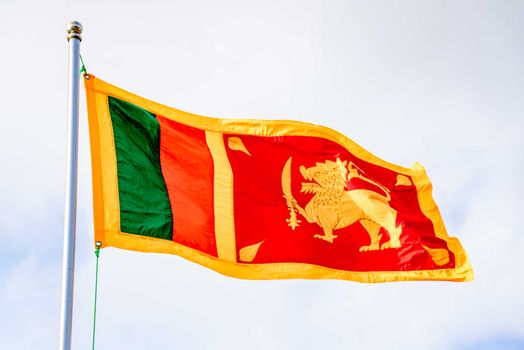
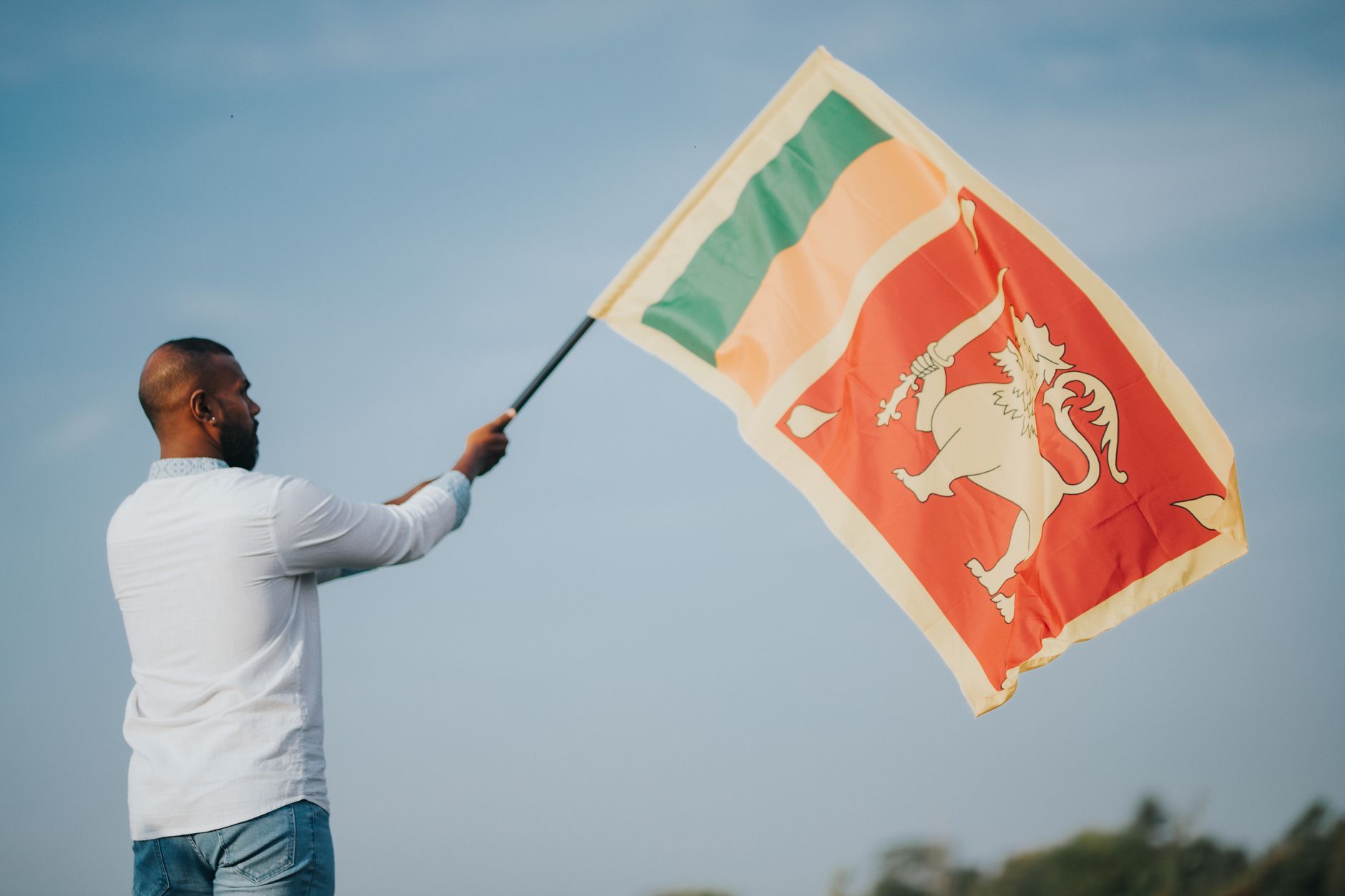
While Sri Lanka has seen a rise in tourism, the Esala Perahera in Kandy still retains an incredible sense of local reverence and spectacle that feels far from commercialized. It's a ten-day festival culminating in a grand procession, celebrating the sacred Tooth Relic of Buddha. I attended the final night, and it was a feast for the senses.
The Experience:
The Perahera is not just a parade; it's a living tradition, an ancient ritual that unfolds with breathtaking grandeur. The star attraction is the Maligawa Tusker, a magnificent elephant adorned in elaborate regalia, carrying a replica of the Tooth Relic on its back. But before it appears, the streets of Kandy come alive with hundreds of other decorated elephants, fire dancers spinning flaming torches, whip crackers announcing the procession, drummers beating ancient rhythms, and Kandyan dancers moving with incredible grace.
I remember the thrill of the crowd as the first whip crack echoed down the street, followed by the distant rumble of drums. The air filled with the scent of jasmine and elephant musk. When the elephants, moving with stately dignity, finally emerged, their jeweled caparisons glittering under the night sky, it was truly awe-inspiring. I had managed to secure a spot on a local's balcony (a tip I'll share below!), which gave me an incredible vantage point, allowing me to soak in the atmosphere without being crushed by the crowds. The sheer scale and beauty of the procession felt like stepping into a historical epic.
Practical Tips for Esala Perahera:
* When to Go: July/August, dates vary annually based on the lunar calendar. The final five nights are the grandest.
* Where to Stay: Kandy, Sri Lanka. Book accommodation at least 6 months in advance, especially if you want a hotel with a good view of the procession route. I stayed at a small guesthouse a bit further out and walked in.
* Getting There: Kandy is easily accessible by train or bus from Colombo.
* Securing a Good View: This is crucial. Many hotels along the route sell expensive balcony seats (upwards of $100-200). A more authentic and often cheaper option is to ask locals if they rent out space on their balconies or along their storefronts. This is how I found my spot, through a friendly guesthouse owner who connected me with a local family. Alternatively, arrive very early (hours before) to stake out a spot on the street – bring a mat and snacks!
* Respect & Etiquette: Dress modestly. The Perahera is a religious event. Be patient with crowds.
* Budget: Varies widely. Accommodation can be pricey. Food is cheap and delicious. If you don't splurge on a viewing spot, it can be a mid-range trip ($70-120/day).
* Instagram-Worthy: The elaborately decorated elephants, the vibrant costumes of the dancers, the fire twirlers against the night sky, the joyous expressions of the local children.
4. Day of the Dead, Mexico: Beyond the Skulls and Marigolds (Authentic Experiences)
Okay, I know what you're thinking: "Day of the Dead is mainstream!" And yes, major cities like Oaxaca and Mexico City now host elaborate parades that draw huge crowds. But the true, deeply personal essence of Día de Muertos (Día de los Muertos) remains vibrant and untouched in countless smaller towns and villages across Mexico. To experience it authentically is to truly understand its profound beauty, not just its Instagrammable aesthetics.
The Experience:
My most memorable Day of the Dead was spent in a small village near Pátzcuaro, Michoacán. Instead of grand parades, I witnessed families meticulously building ofrendas (altars) in their homes, laden with their loved ones' favorite foods, drinks, photos, and vibrant marigolds (cempasúchil). The air was sweet with the scent of pan de muerto and copal incense.
Later, under a blanket of stars, I joined a quiet procession to the local cemetery. There, families gathered around candlelit graves, sharing stories, singing songs, and offering silent prayers. It wasn't somber; it was a beautiful, tender act of remembrance and connection, a belief that on this one night, the veil between worlds thins, and spirits return to visit their kin. I was invited by a local family to share a cup of champurrado (a warm chocolate drink) and pan de muerto at their loved one's grave, and the warmth and generosity of that moment, surrounded by flickering candlelight and hushed reverence, was infinitely more moving than any parade. It’s about celebrating life, even in the face of death, and honoring those who came before us.
Practical Tips for Authentic Day of the Dead:
* When to Go: October 31st - November 2nd.
* Where to Stay: Instead of Oaxaca City or Mexico City, consider smaller, lesser-known towns. Michoacán (Pátzcuaro, Janitzio Island, Tzintzuntzan) is famous for its unique traditions. Mixquic (near Mexico City) is also renowned but can get crowded. Research local bus routes and guesthouses in these areas.
* Respect & Etiquette: This is a deeply personal family holiday. Always ask for permission before entering cemeteries or taking photos of altars or individuals. Be discreet and respectful. Learn a few basic Spanish phrases ("¿Puedo tomar una foto?", "Gracias", "Con permiso"). If invited to a private home or gathering, accept with gratitude and perhaps bring a small offering (like flowers or a candle).
* Budget: Generally affordable. Accommodation in smaller towns is cheaper ($30-70/night). Food is delicious and inexpensive.
* Instagram-Worthy: The intricate home altars, the glowing cemeteries at night, the vibrant marigold arches, the beautifully painted calaveras (sugar skulls), the quiet moments of family remembrance.
5. Gujo Odori, Japan: Dancing Through the Night in Gifu
Japan's Obon festival, honoring ancestral spirits, is celebrated nationwide, but many regional variations offer a more intimate, local experience. One such gem is the Gujo Odori in Gujo Hachiman, Gifu Prefecture. This isn't just a festival; it's a summer-long dance marathon, culminating in four nights of all-night dancing in mid-August. I stumbled upon it almost by accident and was utterly charmed.
The Experience:
Gujo Hachiman is a picturesque, Edo-era castle town known for its pristine waterways. During the Obon season, the town transforms. Every night, locals gather in various squares, forming circles and dancing to traditional folk music. There are ten different dances, and everyone, from toddlers to the elderly, knows the steps. The beauty is that foreigners are not just welcome; they're encouraged to join in!
I remember feeling awkward at first, a clumsy foreigner trying to mimic the elegant movements. But the locals were incredibly patient and encouraging, smiling and gently correcting my posture. As the night wore on, fueled by the infectious rhythm and the communal spirit, I found myself losing all self-consciousness. During the "Tetsuya Odori" (all-night dance) nights, the energy is electric. People dance from dusk till dawn, their faces illuminated by paper lanterns, their laughter echoing through the narrow streets. It's a truly immersive experience, a joyous celebration where you become part of the local fabric, even if just for a night. There's something incredibly liberating about dancing until the sun rises with hundreds of strangers who quickly become friends.
Practical Tips for Gujo Odori:
* When to Go: Mid-July to early September, but the "Tetsuya Odori" (all-night dances) are usually from August 13th-16th.
* Where to Stay: Gujo Hachiman, Gifu Prefecture. Accommodation (ryokans, guesthouses) is limited, especially during the all-night dances, so book months in advance. Alternatively, stay in Gifu City and take a daily bus.
* Getting There: Gujo Hachiman is accessible by bus from Gifu City or Nagoya.
* Learning the Dances: Don't be shy! Watch the locals, pick up the basic steps, and jump in. There are even workshops available. Comfortable shoes are a must.
* Respect & Etiquette: While it's a joyous event, remember its roots in Obon. Be respectful, but mostly, just enjoy and participate!
* Budget: Japan can be expensive, but Gujo Hachiman is more affordable than major cities. Expect mid-range accommodation ($70-150/night). Food is delicious and reasonably priced. Overall, a mid-range budget ($100-180/day) is realistic.
* Instagram-Worthy: The traditional kimonos and yukatas, the paper lanterns illuminating the dancers, the ancient castle town backdrop, the joyous faces of participants, the misty mornings after an all-night dance.
General Tips for Ethical & Immersive Festival Travel
Embarking on a journey to witness these sacred celebrations is an incredible privilege. To ensure your experience is both enriching for you and respectful of the local culture, keep these tips in mind:
- Do Your Homework: Research the festival's significance, customs, and dress codes. Understand why people celebrate, not just how.
- Dress Appropriately: Always err on the side of modesty. Cover shoulders and knees, especially in religious sites.
- Learn Basic Phrases: A simple "hello," "thank you," and "may I take a photo?" in the local language goes a long, long way.
- Ask Permission for Photos: This is paramount. A polite gesture and a "Por favor" or "Sumimasen" before pointing your lens shows respect. Be prepared for a "no," and accept it gracefully. Avoid flash photography during ceremonies.
- Hire Local Guides: They offer invaluable insights, help you navigate, and ensure you're being respectful. It's also a great way to support the local economy.
- Be Patient and Flexible: Things might not run on time. Crowds will be immense. Embrace the flow, and remember you're on their turf.
- Support Local: Buy food from local vendors, stay in locally-owned guesthouses, and purchase crafts directly from artisans.
- Leave No Trace: Be mindful of your environmental impact. Pack out what you pack in.
- Open Your Heart and Mind: Go in with an open heart, ready to learn, listen, and simply be present. These are not shows, they are life.
Don't Just Travel, Experience
The world is brimming with hidden wonders, and these religious festivals offer a rare window into the soul of a culture. They are vibrant, challenging, beautiful, and deeply moving. They remind us that despite our differences, humanity shares a universal longing for meaning, connection, and celebration.
These festivals won't stay "undiscovered" forever. The internet ensures that. But by seeking them out now, with respect and an adventurous spirit, you can still experience them in their purest, most authentic forms. So, which sacred journey will you embark on first?
Share your thoughts in the comments below! Have you experienced a lesser-known festival? Tell us about it! And if this guide has inspired your next adventure, don't forget to share it with your fellow wanderlusters!
---