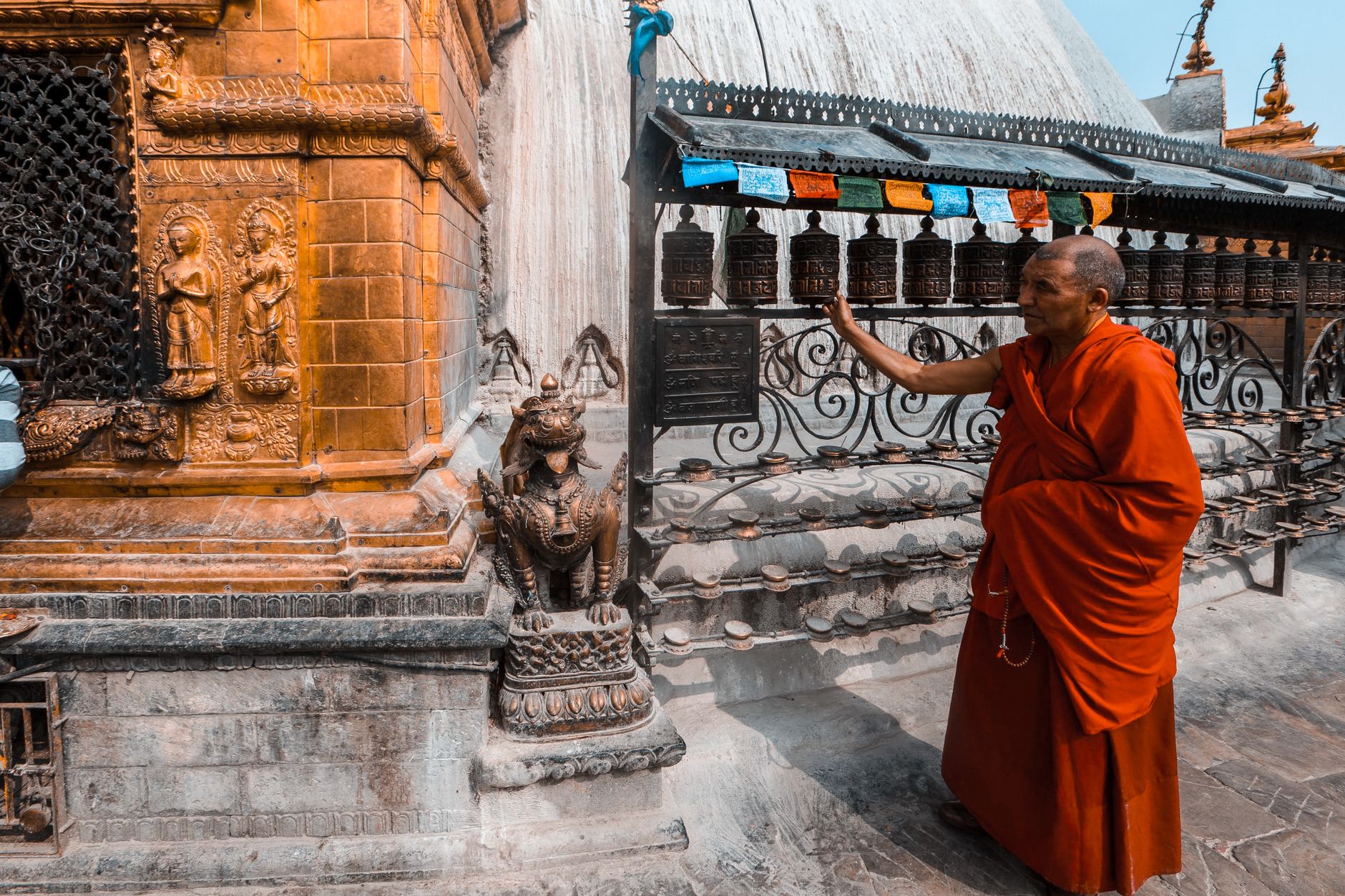
The air crackled. Not just with the scent of incense and the murmur of thousands, but with an energy so raw, so ancient, it felt like the very fabric of time was thinning. I was perched on the steps of Dashashwamedh Ghat in Varanasi, India, as dusk painted the Ganges a bruised purple, and the evening aarti ceremony began. Priests, in saffron robes, moved with synchronized grace, swirling multi-tiered lamps that spat fire into the twilight. Chants swelled, bells chimed, and the collective devotion of a city pulsed around me, a heartbeat echoing back thousands of years. In that moment, surrounded by a spectacle of faith and fire, I didn't just see history; I felt it.
That, my fellow travelers, is the magic of witnessing an ancient ritual firsthand. It’s not about ticking off a landmark; it’s about stepping into a living story, a profound connection to humanity’s deepest roots. It’s about being present for moments that transcend language, religion, and time itself. These aren't just performances; they are vibrant, breathing traditions that offer a glimpse into the soul of a culture. And let me tell you, they will absolutely blow your mind.
Are you ready to swap selfies with statues for soul-stirring experiences? To trade predictable itineraries for moments that will forever etch themselves into your memory? Good. Because I’ve traversed continents to bring you a curated list of ancient rituals that are not only still practiced today but are genuinely accessible for the respectful, curious traveler. Prepare to have your perceptions shattered and your spirit awakened.
1. The Ganges' Fiery Embrace: Varanasi Ganga Aarti, India
My first encounter with the Ganga Aarti was nothing short of a spiritual assault on the senses – in the best possible way. Imagine standing amidst a throng of thousands, the air thick with the scent of marigolds and sandalwood, as the sun dips below the horizon, casting an ethereal glow on the sacred Ganges River. Then, as if on cue, the chanting begins, deep and resonant, punctuated by the clang of bells and the rhythmic clash of cymbals.
Suddenly, young priests, adorned in traditional dhotis, emerge onto elevated platforms, holding aloft huge, multi-tiered lamps that blaze with fire. Their movements are synchronized, almost dance-like, as they offer prayers and light to the river goddess. The flames dance, reflecting in the dark waters, creating a mesmerizing spectacle of devotion. It’s a sensory overload that washes over you, leaving you feeling both humbled and invigorated. It’s chaotic, beautiful, and utterly unforgettable.
My Anecdote:
I remember being squeezed between a local family and a group of backpackers, initially overwhelmed by the sheer volume of people and sound. But as the aarti progressed, a profound sense of peace settled over me. Watching the faces around me – some lost in prayer, others simply awestruck – I realized I was part of something much larger, a timeless act of reverence that has played out on these ghats for centuries. The flickering lights on the water, carrying tiny flower offerings, felt like countless wishes ascending to the heavens.
Practical Tips for Witnessing the Aarti:
- Best Viewing Spots: You can watch from the ghats themselves (Dashashwamedh Ghat is the main one), but for a truly iconic perspective, hire a boat to view it from the river. Arrive early (at least an hour before sunset) for a good spot.
- Timing: The Ganga Aarti happens every single evening at sunset. The exact time varies seasonally, so check locally. It typically lasts about 45 minutes.
- Respectful Attire: Dress modestly – shoulders and knees covered – out of respect for the religious significance.
- Avoiding Scams: If taking a boat, negotiate the price beforehand. Don't feel pressured to buy overpriced offerings from persistent vendors.
- Cost: Watching from the ghats is free. A boat ride typically costs between INR 200-500 per person, depending on your negotiation skills and the season.
- Instagram-Worthy Moment: The wide-angle shot from a boat, capturing the illuminated ghats and the fiery lamps against the twilight sky, is pure magic.
2. Fire, Trance & Story: Balinese Kecak Fire Dance, Indonesia
If you've ever dreamed of witnessing an ancient epic brought to life with a primal, rhythmic chant and a dramatic fire finale, then the Balinese Kecak dance is your ticket. Originating from a trance ritual, this performance tells the story of the Ramayana through a chorus of 100 or more bare-chested men, who sit in concentric circles, chanting "chak-a-chak-a-chak" in a mesmerizing, percussive rhythm. There's no musical accompaniment, only the human voice, creating an almost hypnotic soundscape.
As the sun dips into the Indian Ocean, casting fiery hues across the sky, the story unfolds: the abduction of Sita, the valiant efforts of Rama, and the heroic intervention of Hanuman, the monkey god. The climax, often featuring a fire dance where performers seemingly walk through flames, is a breathtaking display of courage and spiritual connection. It's raw, powerful, and deeply rooted in Balinese Hindu tradition.
My Anecdote:
I saw the Kecak dance at Uluwatu Temple, perched on a cliff edge with the roaring ocean as a backdrop. The energy of the chanting men was palpable, building to a crescendo that sent shivers down my spine. But it was the fire dancer, seemingly impervious to the flames, who truly blew my mind. The heat radiated outwards, the crowd gasped, and for a few moments, the line between myth and reality blurred. It felt like I was witnessing something truly sacred, an ancient story brought to life with visceral intensity.
Practical Tips for the Kecak Dance:
- Where to See It: The most famous and scenic venue is Uluwatu Temple (performances daily, usually starting around 6 PM). Ubud also has several venues offering performances.
- Booking: Tickets for Uluwatu can be purchased on-site, but it’s wise to arrive well in advance (at least an hour) as they sell out, especially during peak season. You can also book through local tour operators.
- Understanding the Story: While the performance is visually compelling, reading a synopsis of the Ramayana beforehand will deepen your appreciation of the narrative.
- Cost: Tickets typically cost around IDR 150,000 (approx. $10 USD) at Uluwatu Temple, plus the temple entrance fee (IDR 50,000). Prices vary slightly at other venues.
- Instagram-Worthy Moment: The silhouette of the Kecak dancers against the fiery Bali sunset, or a close-up of the fire dance, is incredibly dramatic.
3. Whirling into the Divine: Sema Ceremony of the Mevlevi Dervishes, Turkey
Step into a hushed hall in Istanbul or Konya, and prepare to be transported to a realm of profound spiritual devotion. The Sema ceremony, performed by the Mevlevi Order (Whirling Dervishes), is not a performance but a deeply mystical ritual of remembrance of God. Founded by followers of the great Sufi mystic Rumi, this ceremony is an active meditation, a journey to spiritual perfection through the turning of the body.
The Dervishes, in their distinctive tall felt hats (sikkes) and flowing white robes (tennures), glide onto the floor. With arms crossed, they bow to each other, symbolizing the unity of God. Then, slowly, gracefully, they begin to turn, one hand reaching towards heaven, the other pointed towards the earth, acting as a conduit for divine energy. Their movements are precise, mesmerizing, and deeply meditative, a silent prayer set in motion. The entire ceremony is conducted in reverent silence, save for the subtle sounds of traditional instruments and the soft swish of their robes.
My Anecdote:
The first time I witnessed the Sema, I was struck by the sheer grace and concentration of the Dervishes. There was no showmanship, only pure, unadulterated devotion. I found myself holding my breath, completely captivated by their effortless turns, feeling a profound sense of peace wash over me. It wasn’t just watching; it was an experience that calmed my restless mind and connected me to something ancient and deeply spiritual. It truly felt like witnessing a living prayer.
Practical Tips for the Sema Ceremony:
- Where to Attend: In Istanbul, the Hodjapasha Cultural Center offers nightly ceremonies in a beautifully restored Ottoman bathhouse. Konya, where Rumi is buried, is the spiritual home of the Mevlevi Order and offers more authentic, less tourist-focused ceremonies, especially on Saturday evenings.
- Booking: It's highly recommended to book tickets in advance, especially for popular venues in Istanbul.
- Etiquette: Absolute silence is required during the ceremony. Do not applaud or take flash photography. Dress respectfully.
- Cost: In Istanbul, tickets typically range from EUR 30-50 (approx. $32-55 USD). In Konya, some ceremonies might be free or have a nominal entrance fee.
- Instagram-Worthy Moment: Capture the serene beauty of the Dervishes mid-whirl, their robes fanning out, in a respectful, non-disruptive manner (check if photography is allowed and avoid flash).
4. The Sacred Brew: Ethiopian Coffee Ceremony, Ethiopia
In Ethiopia, coffee is more than just a beverage; it's a profound cultural institution, a daily ritual steeped in tradition, hospitality, and spiritual significance. The Ethiopian Coffee Ceremony, or buna ceremony, is an elaborate affair that can last for hours, engaging all the senses. It’s an invitation into the heart of Ethiopian home life and a testament to the country's claim as the birthplace of coffee.
The ceremony begins with the scattering of fresh grass and flowers on the floor. Green coffee beans are meticulously roasted over hot coals in a pan, filling the air with an intoxicating aroma. The roasted beans are then ground with a mortar and pestle, followed by brewing in a traditional clay pot called a jebena. The coffee is served in small, handle-less cups, often with sugar or salt (never milk!), and accompanied by popcorn or traditional bread. Each ceremony involves three rounds, symbolizing a blessing.
My Anecdote:
I was invited to a coffee ceremony in a small guesthouse in Lalibela, after a long day exploring the rock-hewn churches. The host, a woman with a warm smile and eyes that held generations of stories, performed the ritual with such grace and care. As the rich, smoky aroma of roasting beans filled the room, and then the first sip of the strong, dark brew warmed me from the inside out, I felt an incredible sense of connection. It wasn't just coffee; it was a communion, a shared moment of peace and tradition that transcended any language barrier. It was a true taste of Ethiopia's heart.
Practical Tips for the Coffee Ceremony:
- How to Find an Authentic One: Many hotels and guesthouses offer ceremonies. Local restaurants might also perform them. The most authentic experience, however, is being invited into a local home. Ask your guide or host!
- Accept the Offer: It's considered a sign of respect to accept the invitation and partake in at least the first round of coffee.
- Patience is Key: This is a slow, deliberate ritual. Don't rush it. Savor the moments, the aromas, and the conversation.
- Cost: Often, the coffee ceremony is offered as a complimentary part of a meal or stay. If paying separately, it's usually a small fee, perhaps 100-200 ETB (approx. $2-4 USD).
- Instagram-Worthy Moment: A close-up of the jebena pouring the coffee, or the roasting beans over the coals, capturing the rich colors and textures.
5. Earth's Offering: Pachamama Ceremony, Peru
High in the Andean mountains, where the air is thin and the peaks touch the sky, lies a spiritual tradition as old as the Inca Empire itself: the Pachamama ceremony. This ritual is an offering of gratitude and reciprocity to Pachamama, Mother Earth, who sustains all life. It’s a deeply moving experience that connects you to the indigenous worldview and the powerful natural forces of the Andes.
Led by a traditional shaman or paqo, the ceremony involves creating a "despacho" – a beautifully arranged offering of natural elements like coca leaves, flowers, seeds, grains, sweets, and even miniature representations of desires (e.g., a tiny house for a wish for a home). Each item is carefully chosen and placed with intention, representing prayers for health, abundance, protection, or gratitude. The offering is then wrapped and either buried (to return to Pachamama) or burned (to be released into the heavens).
My Anecdote:
I participated in a small Pachamama ceremony in the Sacred Valley, near Cusco. Sitting on the earth, surrounded by majestic mountains, as the paqo gently explained the significance of each offering, I felt an profound connection to the land. Placing my own coca leaves into the despacho, whispering my intentions, I felt a sense of grounding and ancient wisdom. When the offering was finally buried, it felt like a silent, heartfelt conversation with the earth, a humbling reminder of our interconnectedness. It was a powerful, intimate experience that resonated deeply.
Practical Tips for a Pachamama Ceremony:
- Finding a Reputable Guide: Seek out local, ethical tour operators or guides in Cusco or the Sacred Valley who work directly with traditional paqos and respect the authenticity of the ceremony. Avoid overly commercialized or exploitative offerings.
- Respectful Participation: Approach the ceremony with an open heart and mind. Listen to the paqo's instructions and participate respectfully.
- What to Bring: Often, participants are encouraged to bring a small offering of their own, like a flower, a piece of fruit, or a few coca leaves (which can be purchased locally).
- Cost: Prices vary widely depending on whether it's a private or group ceremony, and the reputation of the paqo. Expect to pay anywhere from $50-$150+ USD for a genuine experience.
- Instagram-Worthy Moment: The intricately arranged despacho with the stunning Andean landscape in the background, or a shot of the paqo in traditional attire (always ask permission before photographing people).
6. Dancing with the Departed: Day of the Dead, Mexico
While more of a festival than a daily ritual, Mexico's Día de Muertos (Day of the Dead) is a profoundly ancient and spiritual event that absolutely deserves a spot on this list. Far from being a morbid occasion, it's a vibrant, joyous celebration where families honor and remember their deceased loved ones, believing that the veil between worlds thins, allowing spirits to return home for a visit. Rooted in indigenous Mesoamerican traditions dating back thousands of years, it’s a powerful testament to the Mexican relationship with life and death.
The rituals involve building elaborate ofrendas (altars) adorned with marigolds (cempasúchil), candles, photos, favorite foods and drinks of the departed, sugar skulls (calaveras), and pan de muerto. Families gather in cemeteries, cleaning and decorating graves, sharing stories, music, and food. Parades with giant calaveras, vibrant costumes, and face painting add to the festive atmosphere, but the heart of Día de Muertos lies in these intimate, ancient acts of remembrance.
My Anecdote:
I spent Día de Muertos in Oaxaca, a city renowned for its celebrations. Walking through the Panteón General cemetery at night was an experience I'll never forget. Graves were aglow with hundreds of candles, families sat around, sharing meals, playing guitars, and telling stories. The air smelled of marigolds and copal incense. It wasn't sad; it was incredibly moving, a beautiful fusion of joy and remembrance. Witnessing the intricate ofrendas in homes and public spaces, each one a personal work of art, felt like peeking into the soul of Mexican culture. It truly redefined my understanding of death.
Practical Tips for Day of the Dead:
- Best Places to Experience It: Oaxaca City is legendary for its authentic and vibrant celebrations. Pátzcuaro in Michoacán offers a more traditional, lakeside experience. Mexico City also has large parades and events.
- Timing: The main celebrations take place from October 31st to November 2nd. Plan to arrive a few days early to soak in the preparations.
- Understanding the Symbolism: Take time to learn about the meaning behind the ofrendas, the calaveras, and the marigolds. This will deepen your appreciation.
- Respectful Participation: While it's a festive time, remember it's also deeply spiritual. Be respectful in cemeteries and when observing family ofrendas. Always ask permission before photographing people.
- Cost: Witnessing parades and public altars is free. Workshops for making calaveras or traditional crafts might cost a small fee.
- Instagram-Worthy Moment: The vibrant colors of a street parade with catrinas and marigolds, or a beautifully decorated ofrenda (with permission).
7. The Art of Serenity: Japanese Tea Ceremony, Japan
From the fiery spectacle of India to the serene elegance of Japan, our journey into ancient rituals takes a meditative turn. The Japanese Tea Ceremony, or Chanoyu, is more than just making and drinking tea; it’s a highly ritualized, aesthetic, and spiritual practice rooted in Zen Buddhism. Every movement, every utensil, every nuance of the environment is carefully considered to foster mindfulness, respect, purity, and tranquility.
The ceremony involves the ceremonial preparation and presentation of matcha, powdered green tea, to a small group of guests. The host's movements are precise, graceful, and deliberate, each step choreographed over centuries. From the whisking of the tea to the bowing and the quiet contemplation of the tea bowl, every element is designed to elevate the act of drinking tea into a profound artistic and spiritual experience. It’s a moment of quiet reflection, a pause from the modern world, and a connection to centuries of Japanese tradition.
My Anecdote:
I experienced a traditional tea ceremony in a small, tranquil tea house in Kyoto. Stepping into the tatami mat room, leaving the bustling city behind, felt like entering another dimension. The quiet reverence, the meticulous preparation, the warmth of the tea bowl in my hands, and the slightly bitter, earthy taste of the matcha – it was all incredibly calming. I felt a sense of deep appreciation for the beauty in simplicity and the power of focused attention. It wasn't just tea; it was a lesson in mindfulness and a profound insight into Japanese aesthetics.
Practical Tips for the Tea Ceremony:
- Where to Experience It: Kyoto is the traditional heart of the tea ceremony, with numerous tea houses offering experiences. Tokyo also has options, often in beautiful gardens.
- Booking in Advance: Especially for authentic, smaller tea houses, it's wise to book your experience a few days or weeks ahead.
- Etiquette: Remove your shoes, sit kneeling (or cross-legged if kneeling is difficult), and follow the host's lead. There are specific ways to hold the bowl and drink the tea. Don't worry if you're not perfect; effort and respect are appreciated.
- Choosing an Authentic Experience: Look for experiences that emphasize the spiritual and aesthetic aspects, rather than just a quick demonstration.
- Cost: A traditional tea ceremony experience can range from JPY 3,000-6,000 (approx. $20-40 USD), sometimes more if combined with other cultural experiences like kimono wearing.
- Instagram-Worthy Moment: A close-up of the vibrant green matcha in a beautiful ceramic bowl, or the serene setting of the tea room (again, check if photography is permitted and be respectful).
---
There you have it, fellow adventurers – a passport to experiences that will truly blow your mind. These ancient rituals aren't relics of the past; they are living, breathing testaments to human spirit, faith, and connection. They offer a profound opportunity to step outside your comfort zone, to witness traditions that have shaped cultures for millennia, and to connect with the world on a level far deeper than any postcard could convey.
So, what are you waiting for? Stop scrolling through pretty pictures and start planning your journey into the heart of human history. These experiences will challenge you, inspire you, and leave you with a newfound appreciation for the incredible diversity and enduring power of our world's ancient traditions.
Which of these mind-blowing rituals are you adding to your bucket list first? Share your thoughts in the comments below, and let's inspire each other to seek out more of these incredible, authentic moments!
---