The Hook: A Golden Hour in Gualtallary
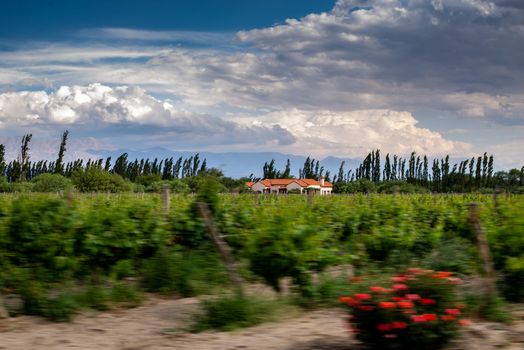
I stepped out of the vintage, dust-caked Ford Bronco at the edge of Gualtallary, a high-altitude sub-region of Mendoza’s Uco Valley, and immediately felt the sharp, dry chill of the Andean autumn. It was late afternoon in May. The sun was dipping behind the jagged, snow-capped wall of the Cordón del Plata, casting a brilliant violet hue over the vines.
The air didn't smell like the damp earth of Burgundy or the manicured cypress of Chianti. It smelled of wild jarilla brush, cold granite, and the sweet, intoxicating scent of fermenting grape must wafting from a nearby concrete cellar.
Underfoot, the soil crunched—not clay, but a pale, powdery mix of limestone and volcanic ash.
```
[Andean Peaks: 6,000m+]
/ \ / \
/ \/ \
/ \
/ Gualtallary\ <-- 1,600m Elevation (Extreme UV, Chalky Soils)
/_______________\
/ [Alluvial Fan] \
/___________________\ <-- Vines planted directly into limestone gravel
```
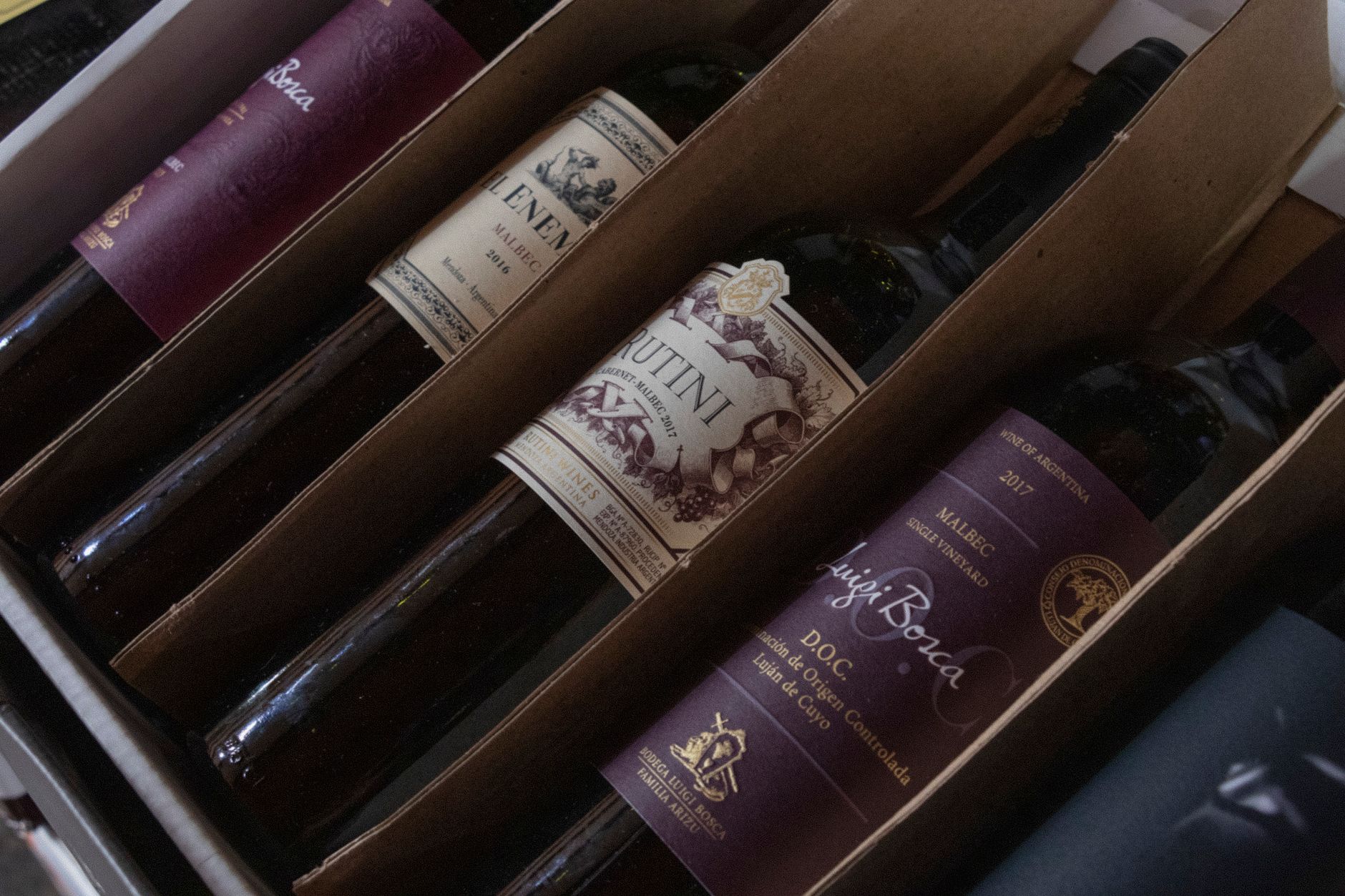
"Taste this," said Gerardo Michelini, his hands stained a deep, semi-permanent purple. He dipped a thief into an egg-shaped concrete vat and poured a cloudy, pale-ruby liquid into my glass. It was a Cabernet Franc, wild-fermented and entirely un-oaked.
It was electric. It had a chalky, mineral tension that vibrated on the palate, accompanied by notes of bruised plum, cracked black pepper, and a distinct salinity.
In that single sip, the realization was absolute: Europe no longer holds a monopoly on the world’s most intellectual, terroir-driven wines. In May 2026, South America is not just challenging the old guard—it is rewriting the rules of viticulture entirely.
---
The Great Shift: Why May 2026 Belongs to South America
For decades, wealthy wine travelers defaulted to the Northern Hemisphere spring. They flocked to Bordeaux, Saint-Émilion, or Montalcino in May, enduring sky-high hotel rates, congested country roads, and highly rehearsed, impersonal tours conducted by corporate brand ambassadors.
May in South America is a completely different world. It is late autumn. The frantic rush of the harvest (la vendimia) has just wound down. The vineyards are painted in dramatic shades of copper, amber, and gold.
More importantly, the wineries are quiet. The winemakers themselves—the iconoclasts who are throwing out the wood-heavy, over-extracted styles of the 1990s in favor of freshness and soil expression—are actually in their cellars. They have time to sit with you on a sandstone terrace, share a plate of wood-fired empanadas, and pull corks from their private libraries.
Add to this the stark economic reality: while a top-tier tasting of Grand Cru Classé Bordeaux will set you back hundreds of Euros (often without meeting anyone who actually touches the grapes), a journey through South America’s premier valleys offers unprecedented access, luxury boutique lodging, and world-class dining at a fraction of the cost.
---
1. Mendoza's High-Altitude Revolution: Gualtallary and Paraje Altamira (Argentina)
If you still think Argentine Malbec is just a sweet, oaky fruit bomb to pair with cheap steak, you are a decade behind the curve. The real action is happening in the extreme, high-altitude sub-districts of the Uco Valley: Gualtallary and Paraje Altamira.
```
Mendoza Terroir Matrix:
+-------------------+-----------------+--------------------+--------------------+
| Sub-Region | Elevation (m) | Soil Type | Key Wine Profile |
+-------------------+-----------------+--------------------+--------------------+
| Gualtallary | 1,300 - 1,600 | Calcareous Sand | Chalky, Herbaceous |
| Paraje Altamira | 1,000 - 1,200 | Large Chalky Rocks | Floral, Structured |
+-------------------+-----------------+--------------------+--------------------+
```
The Terroir of Chalk and Wind
In Gualtallary, vines are planted up to 1,600 meters above sea level. Here, the intense mountain sunlight thickens the grape skins, while the freezing alpine nights preserve natural acidity. The soils are rich in calcium carbonate (limestone) coated gravels, which give the wines a saline, chalky texture that sommeliers call "grip."
In Paraje Altamira, the focus is on micro-terroirs. Winemakers like Sebastián Zuccardi are mapping individual vineyard rows with soil pits to isolate the most limestone-rich parcels. The resulting wines are fermented in raw concrete eggs rather than oak barrels, preserving the pristine, stony character of the place.
- The Standout Wineries:
- Zuccardi Valle de Uco (Piedra Infinita): A brutalist architectural masterpiece constructed from local river stones. The tasting room looks like a villain’s lair set into the side of the Andes.
- SuperUco: A biodynamic oasis run by the Michelini brothers, showcasing extreme-terroir wines made with minimal intervention.
> Pro-Tip: To taste the unreleased, small-lot parcel wines at Zuccardi, do not book the standard online tour. Instead, email their hospitality team directly three months in advance and ask specifically for the "Terroir Evolution Tasting." If you are lucky, they will host you in the private, subterranean gravity-flow cellar.
---
2. Chile's Cool-Climate Rebels: Casablanca and Leyda Valleys
While Argentina dominates the high altitudes, Chile is mastering the cold Pacific ocean currents. Just 12 miles from the freezing waters of the Pacific, the Casablanca and Leyda Valleys are producing cool-climate Syrah, Pinot Noir, and Sauvignon Blanc that rival the best of Sonoma Coast or the Loire Valley.
```
[ Humboldt Current (Cold Ocean) ]
| ~ ~ ~
| ~ ~
/ \ (Coastal Fog)
/ \
/ \
[Leyda Valley] -------> [ ] <-- 12-15km from coast (Granite soils)
/ \
/ \
```
Pacific-Chilled Pinot Noir and Saline Sauvignon Blanc
The secret here is the Humboldt Current, which sweeps cold water up from Antarctica. Every morning, a thick blanket of marine fog rolls over the coastal mountain range, shielding the vines from the sun and dropping temperatures.
The soils are ancient—highly weathered, decomposed granite mixed with red clay, dating back over 100 million years. This combination of cold air and ancient granite results in Sauvignon Blancs with searing acidity, intense pink grapefruit notes, and a distinct sea-salt finish. The Pinot Noirs are delicate, savory, and loaded with wild strawberry and forest floor aromas.
- The Standout Wineries:
- Bodegas RE: An avant-garde winery where winemaker Pablo Morandé uses massive clay amphorae (tinajas) to co-ferment unusual varietals like Pinot Noir and Moscato.
- Casa Marín: Perched on the wind-whipped hills of Lo Abarca, just 4 kilometers from the sea. Maria Luz Marín founded this estate against all local advice, and now produces some of the most critically acclaimed, mineral-driven Sauvignon Blancs in the Southern Hemisphere.
> Pro-Tip: Book the single, private guest cabin at Casa Marín (Mirador Casa Marín). It sits on the highest ridge of the vineyard. Wake up at 7:00 AM to watch the Pacific fog slowly retreat down the valley while sipping a glass of cold, estate-grown Riesling.
---
3. Extreme Altitude Salta: Cafayate (Argentina)
To experience wine at the very edge of possibility, head north to Salta. The town of Cafayate sits in a high-desert valley surrounded by surreal, rust-colored rock formations that look like the surface of Mars.
```
[Salta Elevation Profile]
3,000m +------------------------------------------ Colomé (Altura Máxima)
|
2,000m +------------------------ Cafayate Town
|
1,000m +
|
0m +------------------------ Sea Level
```
Extreme Altitude Torrontés and Fire-Tamed Tannat
Here, vineyards are planted at elevations ranging from 1,700 to over 3,111 meters above sea level (at Colomé's Altura Máxima, one of the highest commercial vineyards on earth). The solar radiation at this altitude is intense, forcing the grapes to develop thick, dark skins to protect their seeds.
The signature white grape of the region is Torrontés, an aromatic variety that, in Salta’s high-altitude sandy soils, develops explosive aromas of white peach, jasmine, and orange blossom, yet remains bone-dry and crisp on the palate.
The reds—primarily Malbec and Cabernet Sauvignon, along with robust Tannat—are dark, ink-like, and concentrated, with aromas of dried fruits, dark chocolate, and wild mountain herbs.
- The Standout Wineries:
- Bodega Colomé: Located a bumpy, four-hour dirt-road drive from Cafayate, this estate is home to the James Turrell Museum—a massive, subterranean art installation dedicated entirely to light and space, surrounded by extreme-altitude vines.
- San Pedro de Yacochuya: Run by the legendary Etchart family in collaboration with flying winemaker Michel Rolland, producing powerful, uncompromising reds from old vines.
> Pro-Tip: When driving from Salta to Cafayate, do not take the main highway. Rent a high-clearance 4x4 and take Route 40 through the Quebrada de las Flechas at exactly 4:30 PM. The late-afternoon sun hits the angled, arrow-like sandstone formations at a perfect angle, creating a sci-fi landscape you will have entirely to yourself.
---
4. Uruguay's Atlantic Frontier: Maldonado and Garzón
Uruguay is the quiet overachiever of South American wine, and the coastal region of Maldonado—specifically around the ultra-chic village of Garzón—is currently stealing the spotlight from Bordeaux.
```
[Atlantic Ocean]
^
| (Cool Saline Breezes)
|
[Bodega Garzón]
(Decomposed Granite "Balasto" Soils)
```
The Rise of Maritime Tannat
Historically known for rustic, highly tannic wines, Uruguay has undergone a quality revolution. The star grape is Tannat, originally from Madiran in southwest France. In Garzón, just a few miles from the Atlantic ocean, the grape finds its ultimate expression.
The soils here are made of balasto—decomposed granite with excellent drainage. The constant maritime breeze keeps the grapes dry and healthy, allowing winemakers to harvest late-ripening Tannat with soft, velvety tannins, bright acidity, and a distinct Atlantic salinity. It behaves less like a heavy rustic red and more like a structured, coastal Cabernet Sauvignon.
- The Standout Wineries:
- Bodega Garzón: Owned by billionaire Alejandro Bulgheroni, this is a state-of-the-art, LEED-certified winery that looks like a luxury wellness retreat. The estate features a private golf course, an open-fire restaurant helmed by celebrity chef Francis Mallmann, and immaculate tasting rooms.
- Viña Edén: Located on the panoramic slopes of Pueblo Edén, this gravity-fed winery focuses on mineral-rich Chardonnay and sparkling wines made using the traditional method.
> Pro-Tip: Skip the standard tasting flight at Bodega Garzón. Instead, book the "Garzón Experience," which includes a private helicopter flight over the coastal dunes of Jose Ignacio, a personal blending session with the head winemaker, and an open-fire lunch paired with their iconic Balasto blend.
---
The Logistics Blueprint: How to Pull Off the Ultimate May 2026 Wine Run
Planning a wine trip to South America requires a different strategy than a weekend in Napa. Distances are vast, and mountain passes can be unpredictable.
Recommended 10-Day Itinerary: The Trans-Andean Express
- Days 1-3: Santiago & Casablanca Valley (Chile)
- Fly into: Santiago (SCL).
- Stay at: The Singular Santiago (Lastarria neighborhood).
- Activities: Day trips to Casablanca and Leyda Valleys.
- Day 4: The Andean Crossing
- Route: Take a private transfer or rent a car to cross the Andes via the Paso Los Libertadores (if open) or take a quick 45-minute flight from SCL to Mendoza (MDZ).
- Days 5-8: Mendoza & Uco Valley (Argentina)
- Stay at: The Vines of Mendoza (Uco Valley) or SB Winemaker’s House (Chacras de Coria).
- Activities: Tasting in Gualtallary and Paraje Altamira.
- Days 9-10: The Coastal Finale (Uruguay)
- Fly to: Montevideo (MVD) or Punta del Este (PDP) via Buenos Aires.
- Stay at: Playa Vik (José Ignacio).
- Activities: Tannat tastings in Garzón and seafood beach barbecues.
---
Quick Facts: Budget, Timing, and Logistics
| Region | Avg. Daily Cost (USD)* | Best Way to Get Around | The Insider Experience |
| :--- | :--- | :--- | :--- |
| Uco Valley (Argentina) | $250 - $450 | Private driver (Remis) | Blending your own barrel at The Vines of Mendoza. |
| Casablanca (Chile) | $200 - $350 | Rental car or private tour | Tasting wild-fermented Pinot Noir straight from clay amphorae. |
| Cafayate (Salta) | $120 - $220 | 4x4 Rental (Crucial for Route 40) | Sunset empanadas paired with 2,000m-altitude Torrontés. |
| Garzón (Uruguay) | $400 - $700 | Private transfer | Open-fire lunch by Francis Mallmann overlooking the vines. |
\*Includes luxury boutique lodging, tasting fees, and high-end dining for two people.
---
The Verdict: Europe Can Wait
In May 2026, the old-world wine regions will still be there, clutching their rigid classification systems from 1855 and charging triple-digit tasting fees for corporate-packaged tours.
But if you want to experience wine in its most dynamic, raw, and exciting state—where winemakers are still pioneers, where the mountains touch the sky, and where every bottle tells a story of wind, granite, and wild ocean currents—pack your bags for South America.
The revolution is happening now, and the wine has never tasted better.
---