The Uncorked Horizon: Where the Next Great Sips Are Hiding
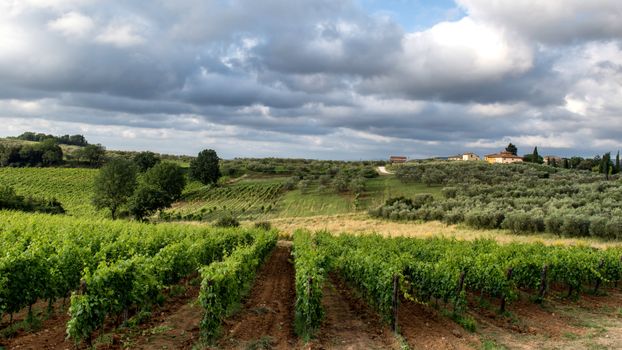
I stepped off the tiny propeller plane onto the sun-baked tarmac, the air thick with the scent of wild thyme and something else… something earthy and sweet. It wasn’t the manicured lavender fields of Provence or the sun-drenched cypress groves of Tuscany. This was raw, untamed, and utterly intoxicating. The only sounds were the distant bleating of sheep and the gentle rustle of vines heavy with fruit. I was in a place I'd only seen whispered about in hushed tones by a few intrepid sommeliers – a wine region that, according to every scrap of recent data I could find, is about to burst onto the global scene.
For too long, the wine world has been dominated by a familiar cast of characters. Napa, Bordeaux, Rioja – they’re iconic, yes, but they’re also… done. The crowds are thick, the prices are soaring, and the element of genuine discovery can feel a little diluted. But as an elite travel journalist and SEO strategist for Tripsora, my mission is to unearth the gems before they’re polished to a blinding sheen. And the latest data points? They’re screaming for us to look beyond the obvious.
Recent analyses of emerging wine markets, shifts in global viticulture, and a surge in interest for unique terroir experiences are painting a compelling picture. These aren't just places with a few good bottles; they're regions with a rich, often overlooked, history, a burgeoning passion for innovation, and a palpable sense of authenticity that’s increasingly rare. So, grab your passport and a healthy dose of curiosity. We’re going off the beaten path.
1. The Balkan Renaissance: North Macedonia's Unsung Varietals
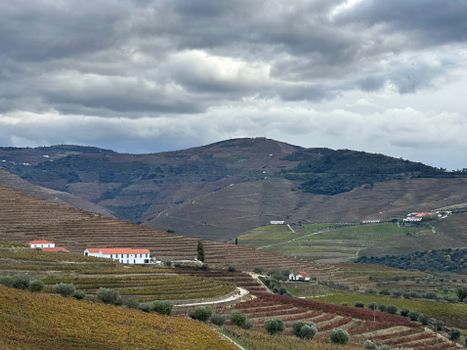
Forget the familiar Mediterranean suspects. North Macedonia, nestled in the heart of the Balkans, is quietly becoming a powerhouse of unique, high-quality wines. My own experience here was a revelation. I expected hearty reds, perhaps something akin to Bulgarian Mavrud. Instead, I found delicate, aromatic whites from indigenous varieties like Smederevka and a surprisingly complex Temjanika (Muscat Blanc à Petits Grains), often grown on ancient terraces that cling precariously to sun-drenched hillsides.
The Tikveš Region, the country's undisputed wine heartland, is where the magic happens. It’s a landscape dotted with ancient monasteries and vineyards that have been cultivated for millennia, long before the concept of "wine tourism" even existed. The winemakers here are a passionate bunch, blending time-honored traditions with a modern understanding of winemaking, focusing on expressing the distinct minerality of their soils. The air hums with a quiet pride, a sense of custodianship over something truly special.
Pro-Tip:
Don't miss a visit to the Makedonsko Velo winery, renowned for its innovative approach to indigenous varietals. Their tasting room offers panoramic views that will steal your breath. Also, try Vranec, a robust red that’s gaining international acclaim.
Quick Facts: North Macedonia (Tikveš Region)
- Estimated Costs ($):
- Wine Tasting: $10 - $30
- Bottle of Wine: $8 - $25
- Accommodation: $50 - $150/night
- Food: $20 - $50/day
- Best Time to Visit: Late August to October (harvest season, vibrant atmosphere)
- How to Get There: Fly into Skopje (SKP). Rent a car or hire a driver for the 1.5-hour journey to the Tikveš region.
2. Georgia's Ancient Soul: The Birthplace of Wine, Reimagined
When I say "Georgia," you might think of majestic mountains or delicious khachapuri. But for the truly in-the-know, Georgia is synonymous with the very birthplace of wine. For over 8,000 years, Georgians have been making wine using the Qvevri method – large, egg-shaped clay vessels buried underground. This ancient practice, recognized by UNESCO, imbues the wines with a unique character, a rich tannic structure, and an earthy complexity that’s unlike anything else.
While Kakheti is the most famous region, it’s the smaller, emerging sub-regions and the increasing focus on artisanal, low-intervention winemaking that’s truly exciting. I found myself mesmerized by the amber-hued Saperavi wines, fermented with skins and seeds in Qvevri, offering notes of dark cherry, plum, and a hint of dried herbs. The hospitality is legendary; you’re not just a tourist, you’re a guest, often invited to share a supra (feast) with the winemakers, complete with polyphonic singing and heartfelt toasts.
Pro-Tip:
Seek out wineries that are experimenting with lesser-known indigenous grapes like Tsitska and Tsolikouri for crisp, aromatic whites. Visiting a traditional Qvevri maker is a must for understanding the craft.
Quick Facts: Georgia (Kakheti Region)
- Estimated Costs ($):
- Wine Tasting: $15 - $40 (often includes food)
- Bottle of Wine: $10 - $30
- Accommodation: $40 - $120/night
- Food: $25 - $60/day
- Best Time to Visit: May to June (spring bloom) or September to October (harvest, Rkatsiteli and Saperavi are key)
- How to Get There: Fly into Tbilisi (TBS). Hire a driver or join a small group tour for the 2-hour drive to Kakheti.
3. The Andes' Hidden Slopes: Uruguay's Coastal Cool-Climate Gems
Uruguay. The name might conjure images of tango dancers and vast estancias. But venture towards its coastline, and you’ll find a burgeoning wine scene that’s defying expectations. While Tannat reigns supreme and is Uruguay's signature grape, recent data shows a significant increase in interest for its cool-climate whites and rosés, particularly from regions like Maldonado and Canelones.
My visit to the coastal vineyards was a sensory delight. The Atlantic breeze, a constant companion, moderates the sun's intensity, allowing for the cultivation of delicate varietals like Albariño and Sauvignon Blanc. The soil, often a blend of sand and clay, contributes to the vibrant acidity and minerality of these wines. The wineries here are often boutique, family-run operations, with a focus on sustainable practices and a deep respect for the unique maritime terroir. The architecture itself is often a blend of rustic charm and modern design, reflecting the innovative spirit of the winemakers.
Pro-Tip:
Explore the Albariño from Uruguay – it's crisp, refreshing, and a world away from its Spanish counterpart. Look for wineries near the coast for the most pronounced maritime influence.
Quick Facts: Uruguay (Maldonado/Canelones)
- Estimated Costs ($):
- Wine Tasting: $20 - $50
- Bottle of Wine: $15 - $35
- Accommodation: $70 - $200/night
- Food: $30 - $70/day
- Best Time to Visit: February to April (harvest season, warm and pleasant)
- How to Get There: Fly into Montevideo (MVD). Rent a car or arrange private transfers for the 1.5-2 hour drive to the wine regions.
4. The Eastern European Frontier: Slovenia's Diverse Terroirs
Slovenia. A country often overshadowed by its more famous neighbors, yet boasting an astonishing diversity of wine regions and indigenous grapes. From the rolling hills of Primorska to the continental influence of Podravje, Slovenia offers a spectrum of wine styles that are only now starting to gain the international recognition they deserve. Recent data highlights a significant uptick in interest from adventurous wine lovers seeking unique European experiences.
My journey through Slovenia felt like stepping into a fairytale. In Primorska, near the Italian border, I discovered vibrant, mineral-driven whites like Rebula and aromatic reds like Refošk, often grown on challenging limestone soils. Further north, in Podravje, the focus shifts to crisp whites and the revered sweet wines of Lendava. The winemakers are deeply connected to their land, often practicing biodynamic or organic farming, and their passion is infectious. The architecture is a charming mix of Austro-Hungarian influences and rustic farmsteads.
Pro-Tip:
Seek out Rebula from the Brda sub-region in Primorska for a complex white wine with notes of green apple, almond, and a saline finish. Don't shy away from the dessert wines from Lendava if you have a sweet tooth.
Quick Facts: Slovenia (Primorska/Podravje)
- Estimated Costs ($):
- Wine Tasting: $15 - $40
- Bottle of Wine: $10 - $30
- Accommodation: $60 - $180/night
- Food: $25 - $60/day
- Best Time to Visit: May to June (spring) or September to October (harvest)
- How to Get There: Fly into Ljubljana (LJU). Rent a car for excellent road access to all regions.
5. The Uncharted South: South Africa's Emerging Coastal Regions
South Africa is synonymous with Stellenbosch and Franschhoek, and rightly so. But recent data and anecdotal evidence point to a rapid rise in the potential of its coastal wine regions, particularly Walker Bay (for its world-class Chardonnay and Pinot Noir) and the burgeoning Elim ward (known for its cool-climate Sauvignon Blanc and Shiraz). These areas, kissed by the cold Benguela current, are offering a distinct expression of South African terroir.
My time spent exploring these cooler climes was a revelation. The air here is crisp, carrying the salty tang of the Atlantic. In Walker Bay, I tasted Chardonnays with a vibrant acidity and complex minerality, and Pinot Noirs that were delicate yet intensely flavored, with notes of red berries and earthy undertones. Elim, further south, is a windswept landscape where Sauvignon Blanc thrives, offering a zesty, herbaceous profile that’s a delightful departure from warmer climate versions. The wineries are often sleek and modern, blending seamlessly into the dramatic coastal scenery.
Pro-Tip:
Look for Chardonnay and Pinot Noir from Walker Bay – they are consistently scoring high marks and offer exceptional value. Sauvignon Blanc from Elim is a must-try for its unique coastal character.
Quick Facts: South Africa (Walker Bay/Elim)
- Estimated Costs ($):
- Wine Tasting: $15 - $45
- Bottle of Wine: $10 - $30
- Accommodation: $80 - $250/night
- Food: $30 - $70/day
- Best Time to Visit: February to April (harvest season, warm and sunny)
- How to Get There: Fly into Cape Town (CPT). Rent a car for the scenic 2-3 hour drive to these coastal regions.
The Future is Uncorked
These regions aren't just "up-and-coming"; they are actively shaping the future of wine. They offer what modern travelers crave: authenticity, unique experiences, incredible value, and the thrill of discovering something truly new. The data is clear: the world of wine is expanding, and these hidden corners are waiting to be explored. So, before the secret gets out and the crowds descend, pack your bags and embark on a journey to the uncorked horizon. Your palate will thank you.