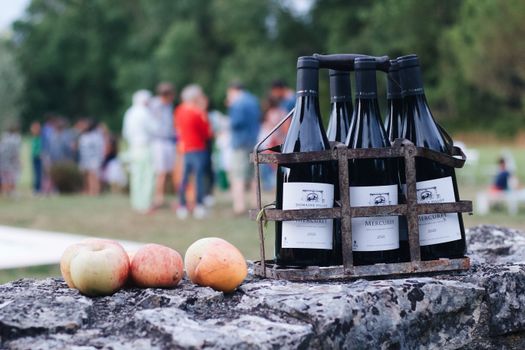
Wine tourism tends to focus on a handful of famous regions, where tasting rooms are busy and the best-known labels are easy to find. Beyond those areas are many smaller wine regions with distinctive grape varieties, family-run estates and food traditions that reflect their landscapes. Visiting them can offer closer contact with winemakers and a slower pace. This guide describes several lesser-known regions in Europe and beyond, explains what each is known for and offers practical advice on planning visits, tastings and transport.
The Jura, France
The Jura is a mountainous region in eastern France, near the Swiss border. Its wines include vin jaune, a yellow wine aged under a layer of yeast in barrels, and vin de paille, a sweet wine made from grapes dried on straw mats. The region also produces Chardonnay and Savagnin, along with reds from Poulsard and Trousseau. Villages along the Route des Vins du Jura offer small cellars, many of which welcome visitors by appointment. The landscape of forests, limestone ridges and lakes adds to the appeal for walkers and cyclists.
Many domaines are family-run and tastings are typically arranged in advance. Opening hours for small producers can be irregular, so contact them before visiting.
Friuli, Italy
Friuli-Venezia Giulia, in northeastern Italy, has a strong reputation among wine enthusiasts for white wines and for indigenous grape varieties grown on hillsides near the Slovenian border. The Collio and Colli Orientali areas are known for their white wines, and small estates often combine wine tourism with local food and accommodation. Friuli's cuisine reflects its mix of Italian, Austrian and Slavic influences, and it is a good region for visitors who enjoy simple, honest cooking.
Many estates in Friuli operate tasting rooms and offer tours by appointment. Some hilltop villages are reachable by car, while others require careful driving on narrow roads, so take care with your route and parking.
The Mosel, Germany
The Mosel River winds through steep, terraced vineyards in western Germany. Riesling is the dominant variety, and the region produces wines that range from dry styles to sweeter ones. Villages along the river have half-timbered houses, small wineries and tasting rooms, and many are accessible by boat or by a riverside path. The steep slopes are demanding to farm, which is why many vineyards are worked by hand.
Visitors can join guided tastings at family estates, and many producers offer tastings in the cellar or in the courtyard. The riverside cycle path is popular, and good planning can make it possible to visit several villages in a day.
The Dão, Portugal
The Dão region sits in the mountains of central Portugal, with granite soils and a continental climate that contrasts with the coastal influence in other parts of the country. Its reds, often made from Touriga Nacional and other local varieties, are known for structure and freshness. The town of Viseu is a useful base, with historic streets, markets and access to regional food. Wine cellars in the area offer tastings, and some estates have restaurants that focus on local produce.
The Dão is less visited than the Douro, which makes it appealing for visitors who want a quieter experience. Driving is the most practical way to reach most estates, so plan designated drivers or a guided tour.
Further Afield: Finger Lakes and Swartland
Wine regions outside Europe can offer similar discoveries. The Finger Lakes in New York State are known for Riesling and aromatic whites, produced on the slopes around deep glacial lakes. Wineries are typically spread along lakeside roads, and many offer tastings in tasting rooms with lake views. In South Africa, the Swartland region north of Cape Town has a growing reputation for small-scale winemakers working with old vines and a range of varieties. Many producers are based in farm settings, and visits usually need to be arranged in advance.
Planning Visits and Tastings
Start by checking whether wineries require appointments. Smaller producers often do, and some run tastings only at certain times of the week or year. Look at tasting fees, which may be waived with a purchase, and check whether reservations are needed for group visits. Many regions have tourist offices or wine route organizations that publish current contact details and maps.
Transport is a key factor. Many wine areas are rural, and public transport may be limited. Consider a guided tour, a driver or a regional train that stops near the vineyards you want to visit. Plan a route with fewer tastings than you think you can manage, since walking between estates takes time.
Practical tips
Never drink and drive, and use a designated driver, a taxi or a tour that includes transport. Eat while tasting, and drink water between samples. Ask winemakers about their vineyards and methods, which often leads to a more interesting conversation than a standard tasting. Respect the working nature of estates by arriving on time and following the cellar's rules. Consider buying a few bottles to take home, but check your country's rules on carrying alcohol and customs limits. Visit in spring or autumn if you prefer quieter estates and comfortable weather, though harvest periods can be busy and exciting.
Lesser-known wine regions reward curiosity with distinctive wines, small producers and landscapes that are often less crowded than famous destinations. Planning visits in advance, arranging safe transport and approaching tastings with patience make these trips rewarding. The most memorable visits often come from conversations with the people who make the wine.