The Hook: A Rebel in the Dust of Gualtallary
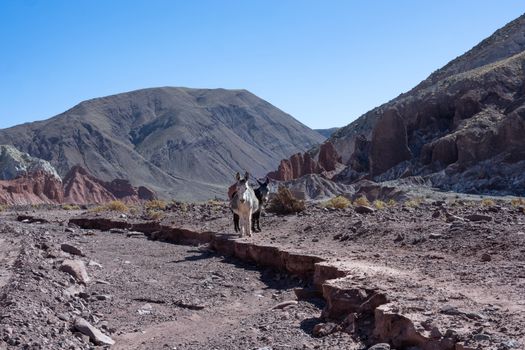
I stepped off the rattling dirt track in Gualtallary, at the northernmost edge of Argentina’s Uco Valley, and immediately felt the thin, dry air of 1,600 meters above sea level bite the back of my throat. The scent of wild jarilla—a resinous, creosote-like native shrub—hung heavy in the wind, mixing with the sharp, metallic tang of freshly turned limestone soil. Behind me, the snow-capped Tupungato volcano loomed like an imposing white monolith.
```
[ Tupungato Volcano: 6,570m ]
/ \
/ \ <-- Extreme UV Light / Cold Alpine Nights
/ \
/=======\
/ \ <-- Gualtallary Vineyards (1,600m)
/ \ [Limestone & Caliche Soils]
/_____________\
```
I wasn't here to taste the heavy, vanilla-soaked Malbecs that dominated the export markets of the early 2000s. The winemaker standing next to me, his hands stained a deep, bruised purple, handed me a glass of unsulfured Cabernet Franc. It was translucent, electric ruby, and practically vibrated with notes of crushed gravel, wild mint, and chalk.
"The French told us we couldn't make elegant wines here," he said, spitting into the pale dust. "They said we had too much sun. They forgot we have the Andes."
That bottle didn't taste like Argentina; it tasted like a knife-edge Saint-Émilion Grand Cru, but with an underlying, untamed alpine energy. Across South America, a quiet revolution has ended. The rebels have won. From the wind-whipped coast of Uruguay to the ancient, forgotten bush vines of Chile’s Itata Valley, South American wine regions are no longer just "great value alternatives"—they are actively outclassing Europe’s historic terroirs.
Here is where you need to travel—and what you need to drink—before the rest of the world catches on.
---
1. Gualtallary, Argentina: The Limestone Threat to Saint-Émilion
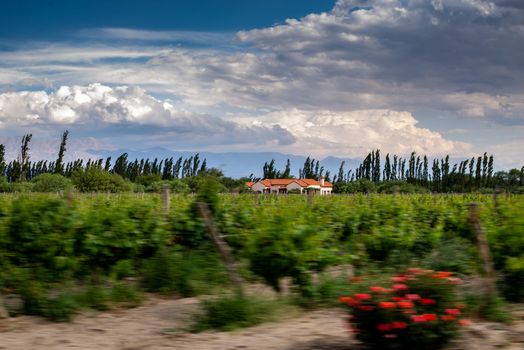
For decades, Mendoza was synonymous with rich, high-alcohol Malbec aged in new French oak. But in Gualtallary, a high-altitude sub-appellation of the Tupungato department in the Uco Valley, winemakers are chasing chalk, not wood.
The secret weapon here is caliche—alluvial gravels coated in calcium carbonate (limestone). This is the same soil family that gives Champagne and Chablis their trademark mineral tension. Combined with intense high-altitude solar radiation and cold mountain nights, Gualtallary produces wines with staggering acidity and fine-grained, chalky tannins.
```
+------------------+----------------------------------------------------+
| Soil Profile | Alluvial gravels, sand, thick layers of Caliche |
| Star Varietals | Cabernet Franc, Austere Malbec, Chardonnay |
| European Rival | Saint-Émilion (Bordeaux), Chablis (Burgundy) |
+------------------+----------------------------------------------------+
```
The Bottles to Seek Out
Look for El Enemigo (by legendary winemaker Alejandro Vigil) or Zorzal Wines, where the Michelini brothers ferment their juice in egg-shaped concrete vats to preserve the pure, unadulterated expression of the soil.
- Pro-Tip: The entrance to Zorzal is unmarked. Look for the minimalist, low-slung concrete building that blends into the grey-green desert scrub. Book a private tasting at 10:00 AM when the wind is low and you can taste the raw components straight from the concrete eggs.
---
2. Itata Valley, Chile: The Ancestral Threat to Beaujolais & Jura
While Chile’s corporate wineries in the Central Valley were busy churning out cheap Cabernet Sauvignon, the country's true viticultural soul was sleeping in the south. Welcome to the Itata Valley, located 400 kilometers south of Santiago.
Here, smallholder farmers have been dry-farming bush vines of País (the original Mission grape brought by Spanish conquistadors in the 1500s) and Cinsault on ancient, decomposed granite soils for nearly five centuries.
```
[ ITATA VALLEY DRY-FARMING SYSTEM ]
(Rainfall Only) (No Trellising)
| | | _|_
v v v / \
_________ | | <-- 300-Year-Old
/ \ | | Bush Vine
/ Granite \ \___/
/ & Clay \ |
/_______________\ / \ <-- Deep Roots (No Irrigation)
```
For centuries, these grapes were relegated to cheap jug wine (pipeño). Today, young, terroir-obsessed winemakers are using carbonic maceration and neutral wood foudres to turn these ancient vines into pale, aromatic, low-alcohol reds that taste like a cross between a wild Jura Poulsard and a cru Beaujolais.
The Taste Profile
Expect crunchy red berries, white pepper, damp earth, and a distinct smoky minerality derived from the granite soils.
- Pro-Tip: Skip the grand tasting rooms; they don't exist here. Instead, rent a 4x4 and head down the dirt roads of Guarilihue. Look for hand-painted wooden signs reading "Hay Pipeño" (We have Pipeño). Knock on the door, hand the farmer a few pesos, and they will fill a plastic jug straight from their raulí (native beechwood) casks.
---
3. Garzón, Uruguay: The Atlantic Threat to Rías Baixas & Madiran
Uruguay is the underdog of South American wine, but its coastal Maldonado region—specifically the rolling hills of Garzón—is delivering a masterclass in maritime viticulture. Situated just 30 kilometers from the Atlantic Ocean, Garzón is defined by constant sea breezes and highly weathered, 2.5-billion-year-old decomposed granite soils known locally as balasto.
```
+------------------+----------------------------------------------------+
| Soil Profile | Balasto (Decomposed Granite with excellent drainage)|
| Star Varietals | Albariño, Tannat |
| European Rival | Rías Baixas (Spain), Madiran (Southwest France) |
+------------------+----------------------------------------------------+
```
Historically, Tannat (Uruguay’s flagship red grape) was a rustic, mouth-puckeringly tannic beast. But in Garzón’s sandy, well-draining soils, and under the cooling influence of the Atlantic, Tannat becomes elegant, juicy, and complex—resembling a fine northern Rhône Syrah or a structured Left Bank Bordeaux.
Meanwhile, their Albariño is a revelation: salty, peaches-and-cream-perfumed, and intensely mineral, easily rivaling the best of Spain’s Galicia.
- Pro-Tip: Book a lunch at the restaurant inside Bodega Garzón, helmed by world-renowned chef Francis Mallmann. Request an outdoor table overlooking the vineyard hills, and order the fire-roasted sweetbreads paired with their single-vineyard Tannat.
---
4. San Antonio & Leyda Valleys, Chile: The Cool-Climate Threat to Burgundy & Sancerre
If you drive west from Santiago toward the Pacific Ocean, the air temperature drops precipitously. Just 4 kilometers from the freezing Humboldt Current lies the San Antonio Valley, and its sub-zone, the Leyda Valley.
This is extreme cool-climate winemaking. The vineyards here are blanketed in thick morning fog (camanchaca) and battered by salty sea winds. Grapes ripen incredibly slowly here, developing intense aromatic complexity while retaining searing, natural acidity.
```
[ Pacific Ocean ] ---> (Humboldt Current: Cold Winds) ---> [ Leyda Vineyards ]
| |
[ Searing Acidity ] <------------------------------------- [ Sancerre Style ]
```
The Wines
* Sauvignon Blanc: Forget the tropical, sweet-pea style of New Zealand. San Antonio Sauvignon Blanc is bone-dry, saline, and herbaceous, smelling of jalapeño, lime zest, and wet stones. It is Sancerre with a wild coastal edge.
* Pinot Noir: Pale, savory, and loaded with notes of wild strawberry, beetroot, and game. It is a direct challenge to the classic premier crus of Burgundy's Côte de Beaune.
- Pro-Tip: Visit Casa Marín in the tiny, wind-swept village of Lo Abarca. The vineyards are planted on steep, sheer-chalk hillsides just 2.9 kilometers from the sea. Try their Miramar Vineyard Syrah—it’s a game-changing, cool-climate red that tastes of black pepper and olive tapenade.
---
5. Cafayate & Molinos, Salta: The Extreme Altitude Threat to Alsace
In the far north of Argentina, the vineyards leave the valleys behind and scale the sky. In Salta’s Calchaquí Valleys, vines are planted at altitudes ranging from 1,600 to an astronomical 3,111 meters above sea level (at Bodega Colomé’s Altura Máxima vineyard).
At this height, the atmosphere is thin, and the ultraviolet radiation is intense. To protect themselves from the sun, the grapes develop thick skins, resulting in wines with deep colors, massive antioxidant levels, and intense, concentrated flavors.
```
+------------------+----------------------------------------------------+
| Altitude Range | 1,600m to 3,111m above sea level |
| Star Varietals | Torrontés, Extreme Altitude Malbec |
| European Rival | Alsace (for whites), Cahors (for structured reds) |
+------------------+----------------------------------------------------+
```
The star of Salta is Torrontés, a native white grape that thrives in this high, arid desert. It produces a highly aromatic wine that smells like a bouquet of fresh roses, jasmine, and orange blossom, but surprises the palate by being bone-dry, crisp, and mineral.
- Pro-Tip: When visiting Bodega Colomé in Molinos, do not miss the James Turrell Museum. It is one of the only museums in the world dedicated solely to light art, hidden in the middle of a remote high-altitude vineyard. It is a sensory transition that perfectly prepares your palate for their monumental wines.
---
6. Chubut, Argentine Patagonia: The Glacial Threat to Germany & Champagne
Welcome to the absolute frontier of southern hemisphere viticulture. Chubut, located in the wild heart of Argentine Patagonia (around the 45th parallel south), is a land of howling winds, glacial lakes, and devastating spring frosts.
For a long time, viticulture here was deemed impossible. But wineries like Otronia have proven the skeptics wrong. By planting vines on the shores of Lake Musters, where the water moderates the extreme cold, they are producing some of the most exciting sparkling wines, Rieslings, and Pinot Noirs on the planet.
```
[ CHUBUT VITICULTURAL FRONTIER ]
(45th Parallel South) (Lake Musters)
| |
v v
[ Howling Winds ] ------------> [ Thermal Regulator ]
| |
+--------------------------------+
|
v
[ Ultra-Low Yields / Chiseled Acidity ]
```
Because of the short growing season and cold temperatures, the yields are incredibly low, resulting in wines with chiseled, electric acidity and a crystalline purity of fruit that you rarely find outside of the Mosel Valley or Champagne.
- Pro-Tip: The wind here is so fierce it can literally blow the doors off your rental car. Always park facing into the wind, and keep your eyes peeled for wild guanacos (Patagonian llamas) crossing the gravel roads.
---
The Budget & Logistics: Planning Your Expedition
Tasting your way through these revolutionary regions requires some planning. Distances in South America are vast, and the terrain can be rugged. Here is your quick-reference travel blueprint.
```
+-------------------+--------------------+-------------------+-------------------------+
| Region | Best Time to Visit | Est. Daily Cost* | How to Get There |
+-------------------+--------------------+-------------------+-------------------------+
| Uco Valley | Feb – April | $150 - $350 USD | Fly to Mendoza (MDZ), |
| (Argentina) | (Harvest) | | rent a car. |
+-------------------+--------------------+-------------------+-------------------------+
| Itata Valley | March – May | $70 - $150 USD | Fly to Concepción (CCP),|
| (Chile) | | | drive 1 hour north. |
+-------------------+--------------------+-------------------+-------------------------+
| Garzón | Nov – March | $200 - $500 USD | Fly to Montevideo (MVD) |
| (Uruguay) | (Summer) | | or Punta del Este (PDP).|
+-------------------+--------------------+-------------------+-------------------------+
| San Antonio | Oct – April | $120 - $250 USD | Drive 1.5 hours west |
| (Chile) | | | from Santiago (SCL). |
+-------------------+--------------------+-------------------+-------------------------+
| Salta | April – June | $90 - $200 USD | Fly to Salta (SLA), |
| (Argentina) | (Dry Season) | | drive south via Route 40|
+-------------------+--------------------+-------------------+-------------------------+
| Chubut | Jan – March | $180 - $350 USD | Fly to Comodoro |
| (Argentina) | | | Rivadavia (CRD). |
+-------------------+--------------------+-------------------+-------------------------+
```
\*Est. Daily Cost includes mid-range boutique accommodation, car rental share, and two winery tastings.
Packing Essentials for South American Wine Travel
* The "Wine Skin" or Hard-Shell Wine Suitcase: You will want to bring bottles home. European customs allow generous personal imports, and many of these boutique producers do not export.
* Hydration Tablets: High altitude (Salta/Uco) plus wind and wine equals instant dehydration.
* Dust-Proof Gear: The best wineries are located down unpaved gravel roads (ripiados). Leave your white designer sneakers at home.
---
The Verdict: Why Europe is Worried
For centuries, European wine regions relied on their historical classifications and the mystique of terroir to justify three-digit price tags. But South America has shattered the illusion that great, mineral-driven, age-worthy wine can only be made in the Old World.
By combining ancient, ungrafted vines with cutting-edge soil science and extreme geography, winemakers in Argentina, Chile, and Uruguay are crafting wines of stunning precision, freshness, and soul. They aren't trying to copy Bordeaux or Burgundy anymore. They are making something entirely new—and it is spectacular.
Pack your bags, secure your tasting reservations, and head south. The wine world has a new compass.
---