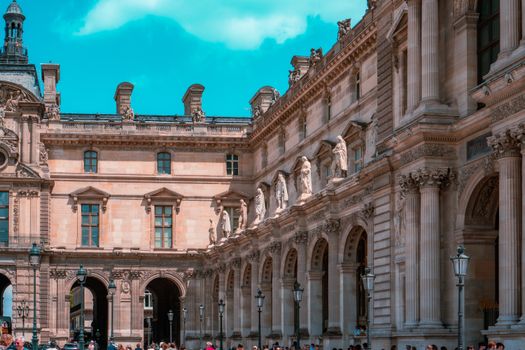
Museums hold some of the richest collections a traveler can visit, yet their audio guides, wall texts and talks are not always accessible to everyone. Sign language tours offer an important alternative. Led by Deaf guides or interpreters, these tours allow visitors to follow commentary in a visual language they understand and to engage with questions and discussion. The availability of such tours varies widely between institutions and countries, and the quality of interpretation can differ. This guide explains how to find accessible museum tours, what makes them work well and how to plan a comfortable visit.
Why sign language tours matter
For Deaf visitors, particularly those who use a sign language as their first language, written text and spoken audio can be less effective than tours delivered in their own language. A tour in sign language allows fuller participation, including asking questions and contributing to conversation. Deaf guides can also share perspectives rooted in Deaf culture, which can enrich the interpretation of artworks, artifacts and historical narratives. For hearing visitors who are learning sign language, these tours can offer valuable exposure to a visual language and its community.
Accessibility also extends to hard-of-hearing visitors, who may benefit from captioned tours, assistive listening devices and written materials. Institutions often combine several approaches, so ask what is available.
Finding sign language tours
Start with the museum's accessibility or visitor services page, which often lists tours, interpreters, assistive devices and captioned resources. Many institutions publish a calendar of tours with dates and languages. If you do not find information online, contact the museum directly and ask whether sign language interpretation or a Deaf-led tour is offered. Some cities also have Deaf associations or cultural organizations that can recommend venues and events.
Check which national sign language is used. Sign languages differ between countries, and a tour in one may not be accessible to someone who uses another. Some tours use international sign or a combination of signing and written support, so confirm the format before booking.
Booking and planning
Advance booking is often recommended, since interpreted or Deaf-led tours may have limited places and specific schedules. Confirm how to reserve, whether there is a fee and how cancellations are handled. Some museums offer tours on request, which can take more lead time. If you need an interpreter for other parts of your visit, such as a ticket desk or a museum café, ask whether one can be arranged in advance.
Plan your visit around the tour. Check opening hours, the size of the collection and the time needed to see the highlights. Consider whether a shorter tour with a focused theme may suit you better than a long general one. Arrive early to find the meeting point and any accessibility facilities.
What makes a good accessible visit
A well-run tour gives clear visual access to the guide. Look for good lighting, a position where you can see the guide and any slides or displays, and enough space for a group to move without blocking artworks. Ask whether the group size is limited, since smaller groups make communication easier. If the tour involves walking, check the route for stairs, lifts and rest areas.
Seating is important for many visitors. Ask whether benches or chairs are available along the route, and whether the museum has accessible restrooms, cloakrooms and quiet spaces. Accessibility features can differ between buildings, even within the same institution.
Making the most of the experience
Prepare by reviewing the museum's collection map and any preview materials, so you know which galleries you want to see. Bring a notebook or use a phone to take notes, if this is helpful, and let your guide know if you need something repeated or clarified. Feel free to ask questions, since interactive discussion is a key benefit of these tours. After the tour, explore on your own at a comfortable pace, and check whether the museum offers printed or digital guides that suit your needs.
Many visitors also enjoy the social aspect. Some Deaf-led tours attract Deaf visitors from across the region, and meeting others can be a rewarding part of the trip.
Practical tips
Contact the museum before your visit to confirm the tour language, format and booking process. Arrive a little early and locate the accessible facilities. Bring any personal communication aids you use. Check whether there is a fee for interpreters or specialized tours, and whether the museum requires advance notice for changes. Plan rest breaks, particularly for longer visits. Let staff know about any additional needs so they can support you.
Sign language tours show how cultural institutions can open their collections to wider audiences. By checking details in advance and planning a comfortable visit, you can enjoy the museum fully and take part in the conversation.