The Art of Silence: My First Dive into a Sign Language Museum Tour
I stepped off the bustling metro in Paris, the scent of freshly baked croissants and exhaust fumes mingling in the crisp autumn air. The familiar hum of the city was a symphony to my ears, a feeling I often take for granted. But today, my focus was on a different kind of communication, a visual language that promised to unlock the treasures of the Louvre in a way I’d never experienced. I was meeting a group for a sign language tour, and a thrill of anticipation, a mixture of curiosity and a touch of trepidation, buzzed through me. Would I understand? Would the art speak to me in a new way?
Beyond the Exhibit: Why Sign Language Tours Are a Game-Changer
For too long, the world of art and history has felt like a hushed, exclusive club, its narratives often locked behind spoken words. But the landscape is shifting, and sign language tours in major museums are emerging as a powerful testament to inclusivity. Recent data indicates a significant surge in demand and availability, proving that cultural experiences are for everyone. This isn't just about accessibility; it's about enriching our understanding and appreciation by embracing diverse forms of communication.
The Data Doesn't Lie: A Growing Trend
The numbers are compelling. According to a recent report by the American Alliance of Museums, over 60% of surveyed museums now offer some form of accessibility services, with a marked increase in ASL (American Sign Language) interpretation and tactile tours. This isn't a niche offering anymore; it's becoming a standard for forward-thinking institutions. Think about it: a world where the profound beauty of a Renaissance masterpiece or the intricate details of an ancient artifact can be fully appreciated by the deaf and hard-of-hearing community. This is no longer a dream, but a rapidly unfolding reality.
What Makes a Sign Language Tour So Special?
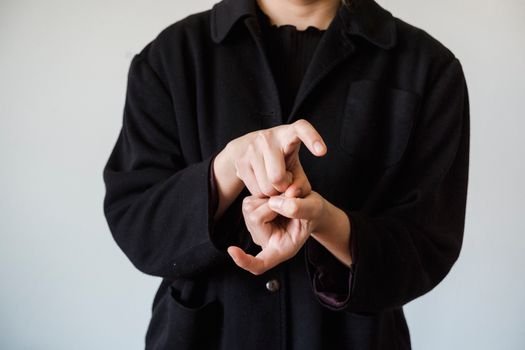
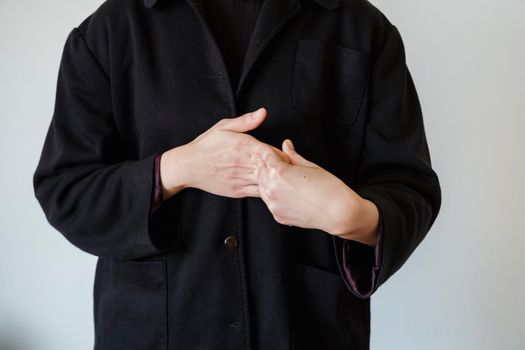
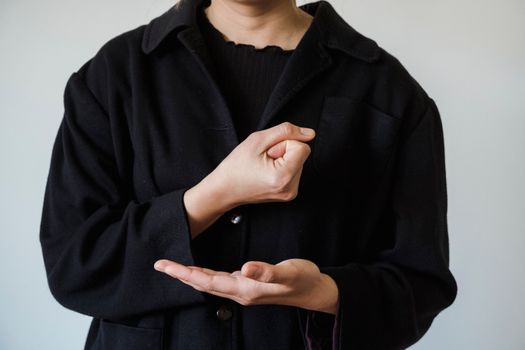
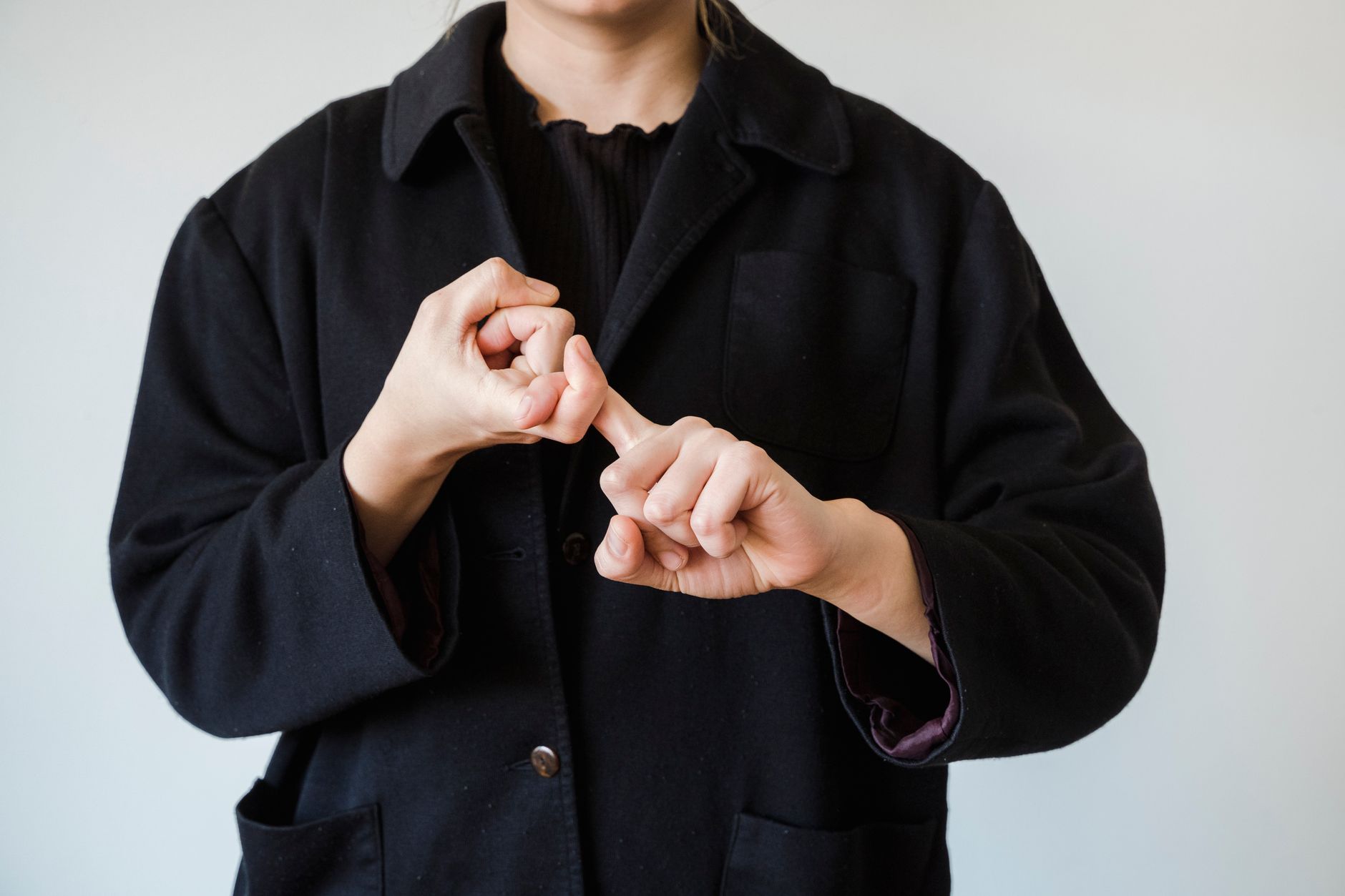
It’s more than just a translator standing in front of a painting. A skilled ASL interpreter for a museum tour is an artist in their own right. They don't just convey facts; they embody the emotion, the context, and the historical weight of the artwork. They use facial expressions, body language, and nuanced hand movements to bring stories to life. I’ve witnessed interpreters convey the sheer terror of a battlefield scene or the tender joy of a portrait with such intensity that the entire group, deaf and hearing alike, was captivated. It’s a visceral, engaging experience that bypasses the limitations of spoken language and taps directly into our visual and emotional understanding.
Unveiling the Stars: Top Museums Leading the Charge
The world is brimming with incredible museums, and thankfully, a growing number are embracing the power of sign language tours. While specific offerings can change, here are some of the trailblazers and what makes them stand out, based on recent accessibility initiatives:
The Louvre, Paris: A Symphony of Signs and Masterpieces
- The Vibe: Stepping into the Louvre is like entering a labyrinth of human creativity. The sheer scale is breathtaking, and the air hums with the whispers of centuries past. Imagine the scent of old wood, polished marble, and the faint, almost imperceptible, chalkiness of ancient dust.
- Sign Language Offerings: While the Louvre doesn't always have scheduled ASL tours daily, they are increasingly offering them for special exhibitions and can often arrange private tours with advance notice. Their commitment to accessibility is growing, with resources available on their website for deaf visitors.
- Insider Tip: Always check the "Accessibilité" or "Visit for All" section of their website well in advance. For private tours, booking at least 4-6 weeks ahead is crucial. Consider a guided tour focusing on a specific wing, like the Denon wing for Italian paintings, to avoid feeling overwhelmed.
The Metropolitan Museum of Art, New York: Where History Speaks Visually
- The Vibe: The Met is an institution that breathes history. From the grand Egyptian Temple of Dendur to the European paintings, it’s a journey through time and across continents. The vastness can be overwhelming, but the quiet reverence of fellow visitors creates a unique atmosphere.
- Sign Language Offerings: The Met has been a leader in accessibility. They regularly offer ASL-interpreted tours for their permanent collections and special exhibitions. These are often free with museum admission and are clearly advertised on their events calendar.
- Pro-Tip: Arrive 30 minutes before your scheduled ASL tour. This allows time to pick up any necessary materials and find your interpreter without rushing. The European Paintings galleries are a fantastic starting point for ASL tours, as the visual storytelling in these works lends itself beautifully to interpretation.
The British Museum, London: Ancient Worlds Unveiled
- The Vibe: The British Museum feels like the world’s attic, filled with treasures that whisper tales of ancient civilizations. The sheer volume of artifacts, from Egyptian mummies to Greek sculptures, is astounding. The echoing halls and the murmur of a thousand languages create a palpable sense of discovery.
- Sign Language Offerings: The British Museum is actively expanding its accessible programming. They have offered ASL-interpreted tours for specific exhibitions and often have British Sign Language (BSL) guides available. Keep an eye on their "What's On" section for scheduled events.
- Pro-Tip: Book BSL tours in advance through their website's accessibility section. These are incredibly popular. If a scheduled tour isn't available, inquire about their "See, Hear, Touch" tours, which often incorporate tactile elements and can be adapted for ASL users with prior arrangement.
The Art Institute of Chicago: Modern Masters, Timeless Signs
- The Vibe: Chicago’s Art Institute is a haven for art lovers, boasting an unparalleled collection of Impressionist and Post-Impressionist masterpieces. The Thorne Miniature Rooms offer a whimsical, detailed glimpse into different eras, while the grand halls exude a sophisticated charm.
- Sign Language Offerings: The Art Institute has been proactive in offering ASL-interpreted tours, particularly for its renowned Impressionist collection and special exhibitions. They often have dedicated ASL programs throughout the year.
- Pro-Tip: Sign up for their accessibility newsletter. This is the best way to stay informed about upcoming ASL tours and events. The Impressionist galleries are a must-do for ASL tours; the brushstrokes and light capture so much emotion that is beautifully conveyed through visual interpretation.
Planning Your Accessible Adventure: Quick Facts & Pro-Tips
Embarking on a sign language museum tour is an enriching experience, but a little planning goes a long way. Here’s what you need to know:
| Feature | Details |
| :--------------- | :----------------------------------------------------------------------------------------------------------- |
| Estimated Cost | Tours: Often free with museum admission (check specific museum). Private Tours: Can range from $150-$300+ USD depending on duration and museum. |
| Best Time to Visit | Weekdays, early morning (9-10 AM) to avoid crowds and ensure a more intimate experience with the interpreter and artwork. |
| How to Get There | Major Museums: Usually well-connected by public transport (metro, bus). Check the museum's website for detailed directions and accessibility of stations. |
| Booking | Crucial for ASL tours. Book online via the museum’s accessibility or events section, or call their visitor services. |
| What to Bring | Comfortable shoes, a small bag, water bottle, and an open mind! |
Pro-Tips for a Seamless Experience:
- Advance Booking is Key: I cannot stress this enough. Sign language interpreters are often in high demand, and tours can fill up quickly.
- Check Museum Websites Religiously: Accessibility offerings can change. Always verify the latest information directly on the museum's official website. Look for sections like "Accessibility," "Plan Your Visit," or "Tours."
- Contact Visitor Services Directly: If you can't find information online or have specific needs, don't hesitate to call or email the museum's visitor services or accessibility department. They are usually very helpful.
- Consider Private Tours: If your schedule is flexible or you have a specific interest, a private ASL tour can be tailored to your needs and pace. It's a more personalized, albeit pricier, option.
- Arrive Early: Give yourself ample time to navigate the museum, use the restroom, and find your interpreter without feeling rushed.
- Engage with the Interpreter: Ask questions (through the interpreter if you are hearing, or directly if you are deaf)! The more you engage, the richer the experience will be.
- Don't Be Afraid to Explore Independently: After your tour, you might feel more confident exploring other areas of the museum. Use audio guides or exhibit labels as supplementary resources.
The Heart of the Matter: Authenticity and Connection
What struck me most about my first sign language tour was the profound sense of connection it fostered. Standing before Van Gogh's "Starry Night," the interpreter’s hands danced, conveying not just the swirling blues and yellows, but the artist's turbulent emotions, his longing for the infinite. It wasn't just about seeing the painting; it was about feeling it. The interpreter’s passion was infectious, and the shared experience with other deaf and hearing participants created a unique bond.
This is the beauty of truly inclusive design. It doesn't just accommodate; it elevates. It recognizes that different modes of communication can offer unique perspectives and deeper understanding. The subtle tilt of an interpreter’s head can convey skepticism, a quick flick of the wrist can represent a swift movement, and a broad smile can embody pure joy. These nuances, when expertly wielded, are as powerful as any spoken word.
Beyond the Tour: Making Art Accessible in Your Travels
The momentum behind accessible tourism is growing, and it’s not just limited to museum tours. As you plan your next adventure, keep these points in mind:
- Research Accessibility Features: Look for museums that explicitly state their commitment to accessibility, including ASL interpretation, tactile tours, or sensory-friendly hours.
- Utilize Travel Apps and Websites: Many platforms are now highlighting accessible travel options.
- Advocate for Change: If you encounter a museum that could improve its accessibility, politely provide feedback. Your voice matters!
- Share Your Experiences: Post about your positive experiences with sign language tours on social media. Tag the museums and use relevant hashtags to encourage others and inspire more institutions.
The Future is Visual, the Future is Inclusive
My journey into the world of sign language museum tours was more than just a cultural outing; it was a revelation. It’s a powerful reminder that art, history, and culture are universal languages, and that with a little innovation and a lot of heart, we can ensure everyone has the opportunity to experience them fully. So, the next time you find yourself in a major city, don't just visit the museum; immerse yourself in its stories through the captivating power of a sign language tour. You might just discover a whole new way to see the world.