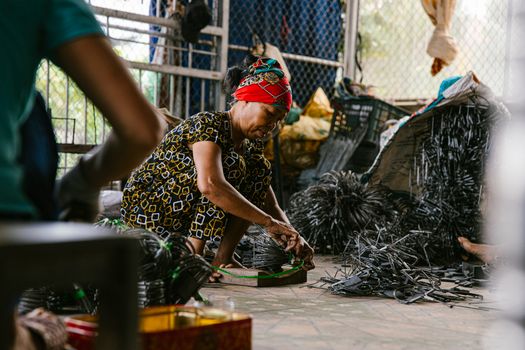
The Era of Impact Travel Has Arrived
I stepped off the morning minibus into the damp, woodsmoke-scented chill of the high Oaxaca valley, and my senses immediately went into overdrive. The sharp, fruity aroma of burning copal resin mixed with the nutty smell of native blue maize crisping on a red-clay comal. Somewhere down the cobbled lane, an old iron press slammed down rhythmically, transforming nixtamalized heirloom corn into dark violet disks.
There was no glossy tourist welcome sign. No mega-resort shuttle idling nearby. Instead, I was met by Doña Elena, a Zapotec seed-preserver whose family has farmed this soil for twelve generations. Her kitchen is the centerpiece of a brand-new social enterprise designed to reclaim land sovereignty through slow food travel.
For decades, the travel industry treated local cultures as backdrops and ecosystems as disposable scenery. But a quiet revolution is happening right now. A new generation of social enterprises you can support through travel emerging this year are flipping the script. These aren't hand-waving greenwashed initiatives or performative voluntourism trips; they are legally structured, community-owned businesses where every dollar spent funds marine restoration, language revitalisation, refugee integration, or land conservancy.
If you are ready to make your itinerary count, here are six radical, high-impact travel enterprises emerging across the world that belong on your radar.
---
1. Tierra Ancestral Heirloom Maize Collective (Oaxaca, Mexico)
Preserving Indigenous Biodiversity Through Culinary Heritage
In the central valleys of Oaxaca, high-yielding industrial corn imports have threatened to wipe out thousands of years of native maize biodiversity. Enter Tierra Ancestral, an agroecological culinary initiative formed by six Zapotec farming hamlets.
```
+------------------------+--------------------------------------------------------+
| Quick Overview | Details |
+------------------------+--------------------------------------------------------+
| Primary Focus | Seed preservation, indigenous land sovereignty |
| Impact Model | 100% of tour profits purchase land water rights |
| Key Activity | Sunrise nixtamalization & heirloom mole masterclasses |
+------------------------+--------------------------------------------------------+
```
When you book a day-long field workshop with Tierra Ancestral, you aren't just eating hand-pressed tortillas made from rare bolita and tepecintle corn. You are paying directly for the water rights and non-GMO seed banks that keep these indigenous smallholders from being priced off their ancestral plots.
The experience is intensely raw and authentic. You’ll sit on hand-carved cedar stools, inhaling the pungent perfume of roasted chicatana ants, wild epazote, and sun-dried pasilla de Oaxaca chiles. You will learn the complex science of nixtamalization—steeping maize in wood-ash alkaline baths—straight from the women who hold this knowledge in their hands.
- Pro-Tip: Skip the crowded afternoon tours. Book the 6:30 AM sunrise session. You'll walk the terraced milpas before the midday heat hits, watching the mist clear off the Sierra Madre peaks.
- The Secret Spot: Look for the unlabeled iron door behind the blue-painted chapel in San Antonio de la Cal; that’s where the collective stores its heritage seed vault.
---
2. Spiti Snow Leopard & High-Altitude Herder Huts (Spiti Valley, India)
Turning Wildlife Conflict into Conservation Equity
Perched at 14,000 feet in the Trans-Himalayas of India, the high-altitude cold desert of Spiti is one of the last strongholds of the elusive ghost of the mountains: the snow leopard. Historically, local agro-pastoralists viewed snow leopards as threats to their livestock, often leading to retaliatory killings.
```
+------------------------+--------------------------------------------------------+
| Quick Overview | Details |
+------------------------+--------------------------------------------------------+
| Primary Focus | Wildlife conservation, indigenous winter homestays |
| Impact Model | Village-managed predator insurance fund |
| Key Activity | High-altitude tracking, Tibetan butter tea workshops |
+------------------------+--------------------------------------------------------+
```
Launched late last year by a local youth council in partnership with regional naturalists, the Spiti Snow Leopard Huts enterprise has transformed high-altitude conservation. The initiative helps pastoralist families convert traditional sun-baked mud-brick homes into solar-heated winter homestays for travelers.
Instead of paying a foreign luxury safari company $10,000 to spot a snow leopard, you stay directly with pastoralist families in villages like Kibber and Chicham. Your lodging fees feed directly into a community-managed livestock insurance scheme that compensates farmers for lost sheep, eliminating retaliatory hunting entirely.
In the mornings, you'll drink salty yak butter tea by a copper bukhari stove while learning to spot mountain ibex through field scopes set up on the roof.
- Pro-Tip: Acclimate for two full days in Kaza before moving up to the higher homestays. Bring a high-capacity solar power bank—sub-zero temperatures drain camera batteries instantly.
- How to Find It: The central coordinator operates out of a small whitewashed building opposite the main stupa in Kibber village.
---
3. Al-Darb Al-Ahmar Urban Micro-Farms (Cairo, Egypt)
Rooftop Hydroponics and Heritage Preservation in Historic Cairo
Cairo's historic Al-Darb al-Ahmar district is world-famous for its Mamluk architecture, but it faces dense urban decay, poor air quality, and rising youth unemployment. Al-Darb Greens, a neighborhood-led social enterprise emerging this year, is tackling all three by building youth-managed hydroponic micro-farms on forgotten concrete rooftops.
```
+------------------------+--------------------------------------------------------+
| Quick Overview | Details |
+------------------------+--------------------------------------------------------+
| Primary Focus | Urban agricultural renewal, youth employment |
| Impact Model | Profits build solar roofs & fund local historic walks |
| Key Activity | Sunset rooftop farm tours & hyper-local farm-to-table |
+------------------------+--------------------------------------------------------+
```
This initiative transforms flat, sun-baked roofs into vibrant green oases growing mint, heirloom rocket, watercress, and strawberries without soil, using 90% less water than traditional agriculture.
Travelers take guided architectural walking tours through medieval alleyways lined with brassmiths and woodturners, culminating in a sunset visit to the rooftops. Up here, surrounded by trailing emerald vines and modern solar arrays, you’ll enjoy fresh herbal teas and mezze while listening to the call to prayer echo across hundreds of historic minarets.
- Pro-Tip: Schedule your visit for late afternoon (around 4:30 PM). The shift in light across the Citadel's stone walls is breathtaking, and the temperature drops as the desert sea breeze picks up.
- Insider Route: Enter through the narrow alley past the Bab Zuweila gate, right behind the workshop of the last remaining tentmaker (Khayamiya) craftsmen.
---
4. Transboundary Apiary Huts of the Accursed Mountains (Albania & Montenegro)
Alpine Hive Preservation and Female Rural Empowerment
Spanning the rugged border between Albania and Montenegro, the Accursed Mountains (Prokletije) offer some of Europe's most spectacular, undiscovered alpine trekking. For decades, depopulation threatened to abandon these mountain villages. The Balkan Ethno-Apiary Trail was founded to stem this tide.
```
+------------------------+--------------------------------------------------------+
| Quick Overview | Details |
+------------------------+--------------------------------------------------------+
| Primary Focus | Alpine biodiversity, rural women's independence |
| Impact Model | Direct hive sponsorship & trail maintenance fund |
| Key Activity | Hut-to-hut hiking, honey tasting, traditional baking |
+------------------------+--------------------------------------------------------+
```
Run entirely by a network of female mountain residents, this enterprise offers hut-to-hut treks centered around high-altitude, sustainable apiculture. The endemic wild bees produce a rich, dark mountain thyme honey that has become a sought-after culinary delicacy.
By booking a stay in these slate-roofed stanovi (rustic shepherd cabins), you support the preservation of ancient beekeeping practices and provide independent financial security for mountain women. You'll fall asleep under thick woolen blankets after dining on warm flija—a multi-layered traditional crepe cooked slowly over glowing charcoal.
- Pro-Tip: The border crossing between Albania and Montenegro along this trail requires a special cross-border pass. Have the apiary collective arrange this permit at least 14 days before your hike.
- The Secret Spot: Ask host Mira at the Theth valley stop to show you her secret hive hidden inside a hollowed-out centuries-old walnut trunk.
---
5. Tagbanwa Ancestral Reef Keepers (Palawan, Philippines)
Marine Conservation Led by Indigenous Coral Guardians
The limestone karst islands of northern Palawan are world-famous for their turquoise lagoons, but hyper-tourism has taken a toll on the delicate marine ecosystem. In response, the Tagbanwa people—the native guardians of these islands for millennia—have launched their own indigenous-owned maritime travel enterprise.
```
+------------------------+--------------------------------------------------------+
| Quick Overview | Details |
+------------------------+--------------------------------------------------------+
| Primary Focus | Marine ecosystem protection, native sovereignty |
| Impact Model | Tour proceeds fund giant clam nurseries & sea patrols |
| Key Activity | Zero-trace outrigger kayaking, coral restoration tours |
+------------------------+--------------------------------------------------------+
```
Unlike commercial island-hopping operators who crowd hundreds of tourists into fragile spots, the Tagbanwa Reef Keepers limit daily visitors to private, zero-trace eco-tours guided by native rangers.
You’ll ride on traditional wooden bancas powered by quiet, low-emission motors, gliding through crystal-clear waters where giant clams thrive under strict protection. The guides share indigenous ecological wisdom, teaching you how their ancestors managed marine life through strict ancestral sanctuary zones (Puyu-puyu).
- Pro-Tip: Book the sunrise outrigger expedition departing at 6:30 AM. You’ll hit the sacred hidden lagoons hours before the main tourist boats arrive from Coron Town, experiencing total silence.
- Insider Detail: Don't wear standard commercial sunscreen—the Tagbanwa collective requires zinc-based, 100% reef-safe formulas before you step into the water.
---
6. Scalabrini Heritage Kitchen & Storytelling Dinners (Cape Town, South Africa)
Pan-African Refugee Integration Through Culinary Arts
Cape Town’s District Six has a long history of displacement and migration. The Scalabrini Heritage Kitchen operates out of this historical epicenter, using culinary traditions to foster economic independence and integration for refugees, asylum seekers, and migrants from across the African continent.
```
+------------------------+--------------------------------------------------------+
| Quick Overview | Details |
+------------------------+--------------------------------------------------------+
| Primary Focus | Refugee economic equity, cultural integration |
| Impact Model | Direct culinary micro-grants and legal assistance |
| Key Activity | Immersive storytelling tasting menus, spice masterclasses|
+------------------------+--------------------------------------------------------+
```
Part cooking school, part storytelling salon, and part pop-up restaurant, this social enterprise invites travelers to sit down for multi-course dinners hosted by chefs from the Democratic Republic of Congo, Somalia, Zimbabwe, and Angola.
As you taste rich dishes like Congolese pondu or Zimbabwean sadza with braised greens, the chefs share personal journeys of resilience, migration, and belonging. It is a powerful antidote to traditional high-end dining in Cape Town, putting real equity into the hands of newcomer communities.
- Pro-Tip: Tickets for the Friday night storytelling dinners sell out weeks in advance due to small seating capacities. Book your spot before arriving in South Africa.
- How to Find It: The main venue is located in a historic brick building on Commercial Street, marked only by a brass plaque shaped like the African continent.
---
Logistics & Impact Travel Budget Breakdown
To help you plan your itinerary, here is a breakdown of logistics, optimal timing, and cost expectations for these emerging social enterprises you can support through travel emerging this year:
| Enterprise | Location | Est. Daily Cost ($USD) | Best Time to Visit | How to Get There |
| :--- | :--- | :--- | :--- | :--- |
| Tierra Ancestral | Oaxaca, Mexico | $65 - $110 | October to April | Fly to Oaxaca City (OAX); 45-min taxi south to San Antonio de la Cal. |
| Spiti Snow Huts | Spiti Valley, India | $40 - $75 | Dec to March (Wildlife) / June to Sept (Hiking) | Overnight drive from Manali or Shimla via high mountain passes. |
| Al-Darb Greens | Cairo, Egypt | $35 - $60 | October to April | Uber or taxi to Bab Zuweila in Historic Cairo; walk into Al-Darb al-Ahmar. |
| Balkan Apiary Trail| Northern Albania | $50 - $90 | June to September | Minibus from Shkodër to Theth or Valbona; trailheads are on foot. |
| Tagbanwa Keepers | Palawan, Philippines| $80 - $140 | November to May | Fly to Busuanga (USU); 30-min van ride to Coron Town port. |
| Scalabrini Kitchen| Cape Town, S. Africa | $45 - $85 | Year-round | Short ride from Cape Town City Bowl or V&A Waterfront to Commercial St. |
---
How to Vet Social Enterprises Before You Book
Not every travel company that uses words like "ethical," "eco," or "community-first" is doing good work. As impact tourism grows, so does greenwashing. Here is my personal, battle-tested vetting checklist to make sure your travel dollars reach the right hands:
1. Check the Ownership Structure
True social enterprises prioritize local ownership. Look for initiatives organized as local cooperatives, community trusts, or community interest companies. If a foreign-owned holding company controls the operations, ask what percentage of gross revenue—not net profit—stays in the destination.
2. Look for Clear Financial Transparency
Ethical organizations state their business model openly. They clearly explain where your money goes—whether that’s funding localized ranger patrols, paying above-market wages to local chefs, or maintaining public infrastructure.
3. Ensure Local Leadership
If an initiative claims to empower indigenous or marginalized groups, those group members should hold board seats, leadership titles, and guide positions—not just work as backend service labor.
---
Final Thoughts: Changing How We Move Through the World
Travel has the power to reshape worldviews, preserve vulnerable history, and redistribute wealth to communities fighting to protect their way of life. By choosing to support social enterprises emerging this year, you turn your journey into a force for good. You leave a place better than you found it—and come home with real stories that stay with you forever.
---