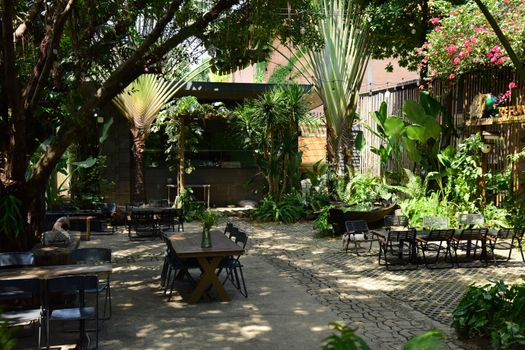
Winter is often assumed to be a quiet season for gardens, yet many of the most rewarding green spaces in towns and cities are at their most characterful in December. Evergreen shrubs, bare branches, clipped hedges, frost on lawns and seedheads reveal structure that is hidden in summer. Many of these gardens are not promoted as major attractions. They sit behind walls, inside older institutions or along quiet streets. This guide describes where such gardens are typically found, how to plan a visit, and what to look for when the days are short and the light is low.
Where quiet gardens tend to be
Several kinds of place often hold well-kept gardens that receive fewer visitors. Botanical gardens and arboreta frequently have winter interest, including conifers, witch hazels and winter-flowering shrubs, although their glasshouses may be the main draw. Historic churchyards and cathedral closes can contain mature trees and quiet paths. University and college grounds sometimes offer walled gardens or courtyards that are open to the public at set times. Municipal parks may include formal gardens or sunken areas sheltered from the wind. Courtyards of older townhouses, guild halls and some museums can also have planting that rewards a closer look.
How to find them
Start with official listings rather than assumptions. Botanical gardens, city parks departments and universities usually publish visiting information, although winter opening hours can be shorter and may change with little notice. Local tourism offices often maintain walking-route suggestions that include lesser-known green spaces. Map applications can show parks and gardens, but a map listing does not confirm that a garden is open to visitors, so check the place's own page. Asking staff at a nearby café or information desk is often more useful than a general search, because local people usually know which spaces are open in winter and which gates are normally unlocked.
What to see in December
Winter gardens reward patience. Look for bark colour, which can be striking on birches, dogwoods and certain maples. Evergreen structure, including yew, box, holly and bay, shows how a designer planned the space when little else is in leaf. Winter-flowering plants such as hellebores, mahonia and early viburnum may bloom in mild conditions, although flowering depends heavily on the weather and local climate. Frost can turn grasses and seedheads into fine detail. Some gardens include sculpture or water features that look especially clear in low sun. Because daylight is limited, plan the visit for late morning or early afternoon, when the light is strongest.
Visiting respectfully
Quiet gardens are often maintained by small teams or volunteers, so visitors should follow posted rules. Keep to paths, avoid climbing on walls or sculptures, and do not pick plants or seedheads. Dogs may be restricted in some spaces, and cycling is often not allowed. Photography is usually permitted for personal use, though some institutions require permission for commercial work. Carry a small bag for litter and keep noise low, since many of these places sit in residential or working areas.
Planning and comfort
Dress for cold, damp conditions, with footwear suited to wet paths. Check whether a garden charges admission or asks for a donation, and whether toilets and cafés are open. Winter daylight can end early, so note sunset times and allow time to leave before dark. If you are visiting several gardens in one area, group them by neighbourhood to save travel time, and consider pairing a garden with a nearby museum or church.
Practical tips
Confirm opening hours on the day you plan to visit. Bring a flask and a light layer for breaks outdoors. Pick up a printed map from a visitor centre if the signal is weak. Check accessibility details, including slopes and gravel paths. Allow more time than you expect, since many of these spaces reward slow walking.
Common mistakes to avoid
A common mistake is expecting a summer-style display of flowers. Winter gardens depend on structure, bark and evergreen planting, so the atmosphere is often quieter than in spring. Visitors may also arrive at a garden that has a seasonal closure for pruning or maintenance without checking first. Another error is planning a long itinerary on short December days, which leaves gardens rushed or missed in the dark. Some travelers wear unsuitable footwear for frozen or muddy paths, which can make walking uncomfortable. Finally, assuming that an open gate means the public is welcome can lead to disappointment at a space that is still restricted.
Who this suits and who it doesn't
Winter garden visits suit people who enjoy calm walks, architecture, plant structure and quiet places in cities. They can suit solo visitors, couples and anyone interested in photographing bare branches and frost. They are less suitable for people who expect colourful borders or extensive indoor displays at every site, or for those with limited mobility on gravel or steep paths. Families with young children may prefer gardens with play areas or cafés, which are not always open in December, so check before planning.
Frequently asked questions
Are winter gardens worth visiting if I am short of time?
Often yes, especially when paired with a nearby museum or church.
Will there be flowers?
Some winter-flowering plants may appear, but this depends heavily on weather and the local climate.
Is it all right to take photographs?
Usually for personal use, though commercial shoots may need permission in advance.
A December garden visit does not need a famous name or a long itinerary. Careful research, courteous behaviour and an eye for winter structure can turn an ordinary walk into a memorable outing. Places that are easy to overlook often offer the most calm, and the rewards usually go to visitors who take the time to look.