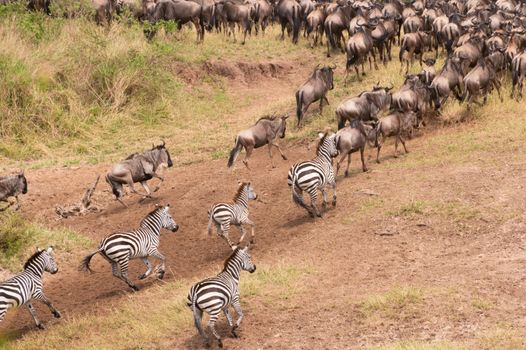
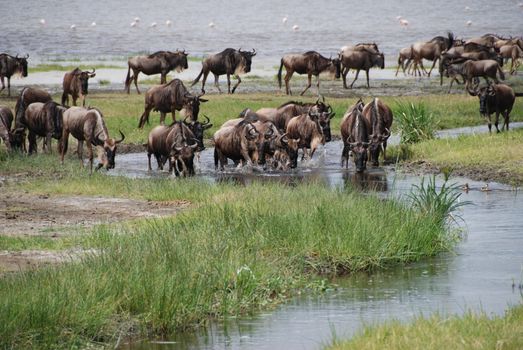
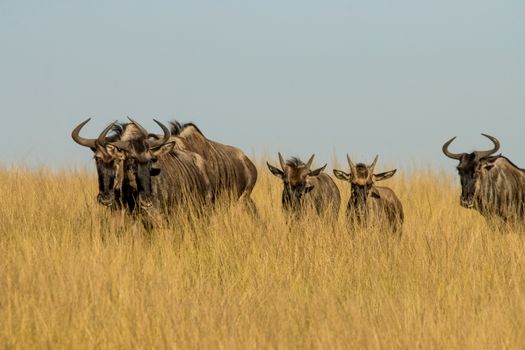
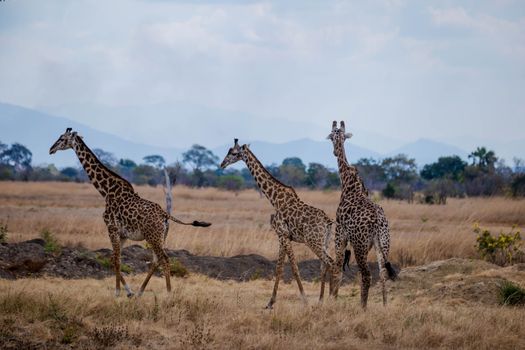
The word safari is often associated with Africa, but wildlife viewing on safari-style trips is possible in many other regions. Tiger reserves in India, national parks in Nepal and Sri Lanka, wetlands in South America and wilderness areas in Australia, North America and elsewhere all offer opportunities to see animals in their natural habitats. Each destination has its own species, seasons and rules. This guide introduces several options, explains how to judge whether an operator is responsible, and offers practical advice for planning a wildlife trip that protects the animals and the places they live.
Tiger and big cat reserves in Asia
Several Asian parks are known for tiger and leopard viewing. In India, reserves such as Ranthambore in Rajasthan and Bandhavgarh in Madhya Pradesh are popular for tiger sightings, usually made by vehicle on set routes. Kaziranga in Assam is noted for one-horned rhinoceros and other wildlife. In Nepal, Chitwan National Park offers jeep and elephant-based safaris, with rhinos and a range of birds. In Sri Lanka, Yala National Park is often visited for leopards, elephants and bird life. Sighting success depends on season, park management and luck, so set realistic expectations before you go.
Wildlife in the Americas and beyond
South America offers some of the best options for seeing big cats in the wild. The Pantanal in Brazil is a large wetland where jaguars, caimans, capybaras and many bird species can be seen, typically by boat, on foot or by vehicle with a guide. Many operators run trips from lodges in the region. In North America, guided tours can offer bear, bison, elk and wolves in national parks and wildlife reserves, depending on location and season. Australia's outback and national parks provide opportunities to see kangaroos, emus and marsupials, often on guided night drives in certain areas.
Galapagos and island wildlife
Island ecosystems can offer unique wildlife experiences. The Galapagos Islands in Ecuador are known for their endemic species, including giant tortoises, marine iguanas and many seabirds. Visits are highly regulated, with set itineraries, licensed guides and specific rules to protect wildlife. Other island destinations may offer marine or bird-focused tours, and these often combine boat trips with snorkeling or shore walks. Because island habitats are fragile, respect instructions from guides closely, and avoid disturbing animals or leaving the designated paths.
How to judge an ethical operator
Responsible wildlife tourism prioritizes animal welfare and habitat protection. Look for operators that keep a safe distance from animals, follow official park rules, and avoid feeding, baiting or handling wildlife. Be wary of any experience that offers close contact with big cats, cubs or other wild animals for photographs, as these are often associated with welfare concerns. Ask whether guides are trained and licensed, how many vehicles or boats are in each group, and how the operator handles sightings. Operators that contribute to conservation or local communities can be a positive sign, but verify claims through independent sources.
Planning and timing
Wildlife viewing depends heavily on timing. Dry seasons often concentrate animals around water sources, making sightings more likely in some regions, while monsoon or wet seasons can limit access or change behavior. Park opening times, permit requirements and vehicle rules can change, so check current information from official park authorities. Book well in advance for popular reserves, and allow flexibility in your schedule for changes in weather or animal movements. Consider a multi-day stay, as this increases the chance of a varied experience.
Practical tips
- Check park rules, permit requirements and the best viewing season before booking.
- Choose operators that keep a respectful distance and avoid feeding or handling animals.
- Pack neutral-coloured clothing, binoculars, sun protection and insect repellent.
- Keep voices low and follow your guide's instructions during viewings.
- Be patient, since wildlife sightings are never guaranteed.
Common mistakes to avoid
A frequent error is expecting a guaranteed sighting of a particular animal on a single outing. Wildlife behavior is unpredictable, and a successful trip often depends on several days of observation. Another mistake is choosing the cheapest vehicle or boat tour without checking how many people will share the space, since crowded viewing can reduce everyone's experience. Some visitors wear bright or strongly scented clothing, which can unsettle animals and insects alike. Underestimating heat, humidity or the effort of early starts is also common. Finally, booking a safari without checking whether a park or trail is closed for conservation or weather reasons can waste a valuable day. Confirm the status of the reserve before you travel.
Who this suits and who it doesn't
Wildlife safaris outside Africa suit patient observers, photographers and travelers who enjoy quiet landscapes and early mornings. They can also work well for families with older children who can stay calm and follow guide instructions. These trips may be less suitable for people who want to see a specific big cat within a single day, visitors with limited mobility who would struggle with rough tracks or long periods in a vehicle, and anyone who is sensitive to heat or biting insects. If your main goal is a specific animal, consider a longer stay in a reserve with a good record of regular sightings, while keeping expectations flexible. Choosing an operator that limits group sizes often improves the experience for everyone, including the animals.
A checklist before you book
- Have you confirmed the park's current opening status and any seasonal closures?
- Do you know how many people share each vehicle or boat, and whether that suits you?
- Are guides licensed, and does the operator describe its approach to distance and feeding rules?
- Are pickup times, departure points and the cancellation policy clear in writing?
- Do you have a plan for heat, insects and early-morning cold in the same trip?
- Have you considered whether the pace and early starts fit your fitness level?
Wildlife safaris outside Africa offer a wide range of experiences, from big cats in Asia to wetland wildlife in South America and island species in the Pacific. The most rewarding trips are usually those that combine good planning, realistic expectations and a commitment to responsible viewing, which protects the animals and the habitats that keep them thriving.