Beyond the Savannah: How Safaris Outside Africa Changed My Life Forever
Let's get one thing straight: I am, and always will be, madly, deeply in love with African safaris. The vast plains of the Serengeti, the drama of the Maasai Mara, the sheer power of the Big Five – they carved a permanent place in my soul years ago. Like many, I thought "safari" was synonymous with Africa, a beautiful, undeniable truth.
Then, something shifted. A whisper in the wind, a restless curiosity, a desire to see what other wild corners of our planet held. Could there be other safaris? Could they possibly hold the same magic, the same raw, visceral connection to nature? My passport, usually well-worn from trips to Tanzania or Botswana, started yearning for new stamps. What I discovered on these "non-African safaris" didn't just meet my expectations; they shattered them, rebuilt them, and left me with a profound appreciation for the diversity of our world's wild heart. They didn't just change my travel itinerary; they changed me.
Join me as I recount four incredible journeys that proved the world's wild spirit is boundless, and that the safari experience is far richer and more varied than I ever imagined.
The Roar of Royalty: Tracking Tigers in India's Ranthambore & Tadoba
My first foray beyond the African safari paradigm took me to the vibrant, chaotic, and utterly mesmerizing land of India. The goal? To see a wild tiger. I’d seen lions, leopards, and cheetahs, but the striped phantom of the Indian jungle held a mythical allure.
Ranthambore National Park: Where History Meets the Wild
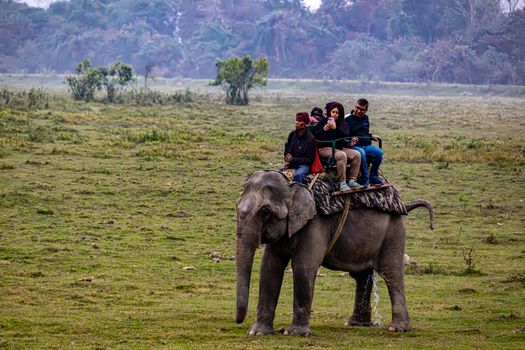
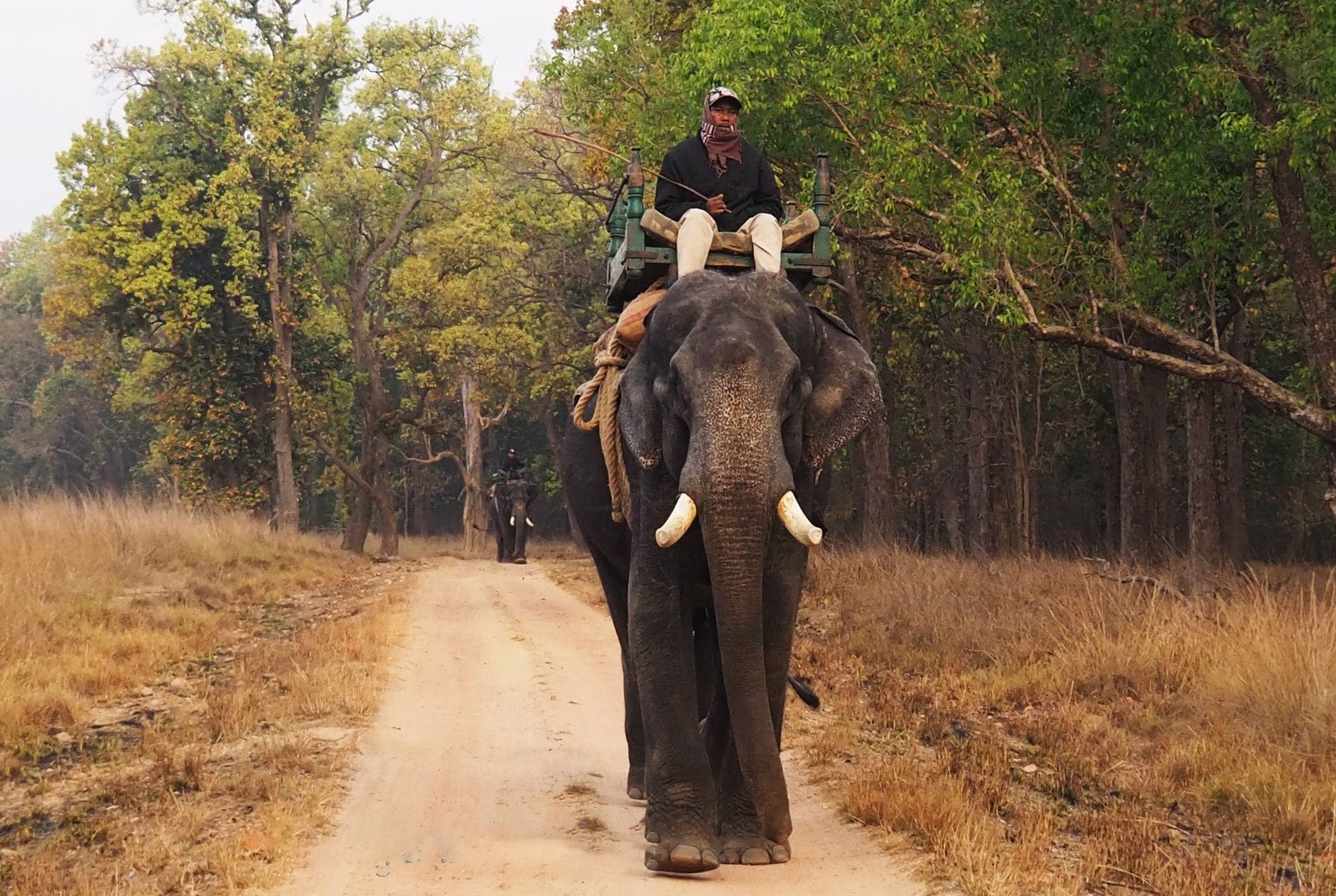
My journey began in Ranthambore, Rajasthan, a park famed not just for its tigers but for its dramatic landscape, punctuated by ancient fort ruins that whisper tales of bygone eras. The air was thick with anticipation as we set out in our open-top jeep (called a 'Canter' or 'Gypsy'). Unlike the vast open plains of Africa, the Indian jungle is dense, a mosaic of dry deciduous forest, rocky outcrops, and serene lakes. This means tiger sightings are often a game of patience, tracking, and a little bit of luck.
We spent two days crisscrossing the park, following pugmarks, listening to alarm calls of langurs and deer. The jungle was alive with sambar deer, nilgai, sloth bears, and crocodiles sunning themselves by the water. But the tiger remained elusive. My guide, a seasoned local named Raju, was a master tracker, his eyes constantly scanning the undergrowth.
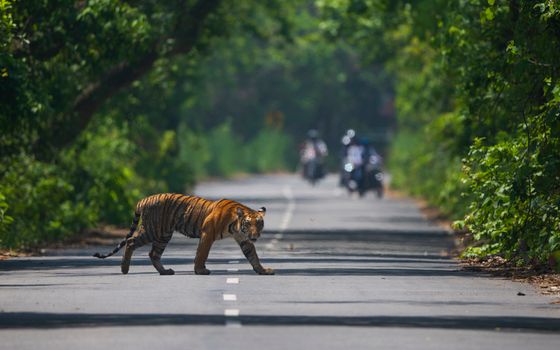
Then, on our third safari drive, it happened. A sudden hush fell over the forest, followed by a collective gasp from our jeep. There, emerging from behind a thicket, was a magnificent tigress – Padam, as Raju identified her – with two nearly full-grown cubs trailing behind. She moved with an almost ethereal grace, her stripes a perfect camouflage against the dappled sunlight. For a full 20 minutes, we watched them drink from a waterhole, play-fight, and then disappear back into the emerald depths. The sheer power, beauty, and rarity of that moment sent shivers down my spine. It wasn't just a sighting; it was an encounter with royalty, a profound privilege.
Specifics & Tips for Your Indian Tiger Safari:
- Location: Ranthambore National Park (near Sawai Madhopur, Rajasthan) and Tadoba Andhari Tiger Reserve (near Chandrapur, Maharashtra) are excellent choices. Tadoba is often less crowded and has a high tiger density.
- Best Time to Visit: October to May. The dry season (March-May) offers the best chances for sightings as tigers frequent waterholes.
- Booking: Book your safaris well in advance (3-4 months, especially for Ranthambore) as permits are limited. You'll need to choose between different zones.
- Cost: Expect to pay around $50-100 USD per person per safari drive (including park fees, jeep, and guide). Accommodation ranges from budget guesthouses ($30-50/night) to luxury resorts ($200-500+/night).
- Logistics: Fly into Jaipur (for Ranthambore) or Nagpur (for Tadoba), then take a train or taxi.
- What to Pack: Earth-toned clothing, hat, sunglasses, good binoculars, telephoto lens for photography, insect repellent.
- Instagram Moment: A majestic tiger lounging by a waterhole, or the ancient Ranthambore Fort ruins at sunrise.
Amazonian Immersion: Jaguar Tracking in Brazil's Pantanal
From the dry jungles of India, my compass pointed southwest, deep into the heart of South America – to the Pantanal, the world's largest tropical wetland. This vast, biodiverse region, straddling Brazil, Bolivia, and Paraguay, is an ecosystem unlike any other. My mission here: to find the elusive jaguar.
The Pantanal's Watery Wilderness: A World Untouched
I chose the Northern Pantanal in Brazil, specifically the area around Porto Jofre, renowned as the "Jaguar Capital of the World." The journey itself was an adventure, a long drive down the Transpantaneira highway – an unpaved road punctuated by over 100 wooden bridges, each one a potential wildlife viewing spot.
Unlike the jeep safaris of Africa or India, the Pantanal safari is primarily a boat safari. We navigated the intricate network of rivers and channels, the Cuiabá River and its tributaries, searching for the apex predator. The landscape was breathtakingly lush, teeming with caiman, capybara, giant otters, and an astonishing array of birds – vibrant macaws, jabiru storks, and kingfishers darting by.
Days were spent slowly cruising, eyes peeled on the riverbanks. The heat was intense, the air humid, but the sheer volume of wildlife was mesmerizing. One afternoon, our guide, a quiet but incredibly knowledgeable local named Pedro, pointed towards a fallen log. There, perfectly camouflaged, lay a magnificent male jaguar, "Mick Jagger," as the local guides affectionately called him. He was enormous, muscular, and his spotted coat shimmered in the sunlight. We watched him for nearly an hour, as he stretched, yawned, and eventually sauntered off into the dense foliage. The raw power and untamed beauty of this creature, in its natural, undisturbed habitat, was an experience I'll never forget. It felt more intimate, more immediate than any other predator sighting I'd had.
Beyond jaguars, the Pantanal offered so much more: thrilling night safaris where caiman eyes glowed like embers, piranha fishing (and then eating our catch!), and unforgettable sunsets that painted the sky in fiery hues.
Specifics & Tips for Your Pantanal Safari:
- Location: Northern Pantanal (access via Cuiabá) for jaguars; Southern Pantanal (access via Campo Grande) for a broader wildlife experience.
- Best Time to Visit: July to October (dry season) is ideal for jaguar sightings as receding waters concentrate prey and jaguars frequent riverbanks.
- Booking: Book an all-inclusive package with a reputable eco-lodge (pousada) that specializes in boat safaris. Many lodges include transfers from Cuiabá.
- Cost: Expect to pay $300-600 USD per person per day for a mid-range all-inclusive lodge package (includes accommodation, meals, guided activities).
- Logistics: Fly into Cuiabá (CGB), then arrange a transfer to your lodge (often a 4-6 hour drive).
- What to Pack: Lightweight, quick-drying clothing, swimwear, wide-brimmed hat, strong insect repellent (DEET is a must!), sunscreen, binoculars, waterproof bag for electronics.
- Instagram Moment: A jaguar lounging on a riverbank, a caiman with its mouth agape, or a stunning Pantanal sunset reflected in the water.
The Gentle Giants: Orangutan Encounters in Borneo's Rainforests
My next adventure took me to the lush, ancient rainforests of Indonesian Borneo (Kalimantan), specifically to Tanjung Puting National Park. This was a safari of a different kind – one focused on a single, incredibly special species: the orangutan.
Klotok Life: A River Journey into the Heart of the Jungle
The experience in Tanjung Puting is unique. Instead of jeeps or powerboats, you embark on a traditional wooden riverboat called a 'klotok.' This becomes your home for several days, gently cruising up the Sekonyer River, deep into the heart of the national park. The pace is slow, tranquil, allowing you to truly immerse yourself in the sights and sounds of the rainforest.
My klotok was simple but comfortable, with a mattress on the upper deck for sleeping under a mosquito net, and a small crew who cooked delicious Indonesian meals. Waking up to the symphony of the jungle – the chirping of cicadas, the calls of gibbons, the rustling of leaves – was an experience in itself.
The primary goal of the trip is to visit the park's rehabilitation centers and feeding stations, such as Camp Leakey, Pondok Tanggui, and Tanjung Harapan. These stations were established to help orphaned and rehabilitated orangutans transition back into the wild. While the feeding stations provide supplementary food, the orangutans are wild and free to come and go as they please.
Witnessing these magnificent "people of the forest" up close was profoundly moving. My most vivid memory is at Camp Leakey, sitting silently on a wooden platform as a huge male orangutan, his cheek pads wide, slowly descended from the trees. He sat just meters away, observing us with intelligent, soulful eyes. There was a quiet dignity, a profound sense of connection, that transcended species. Later, we saw mothers with their babies clinging to them, gracefully swinging through the canopy. It was a powerful reminder of our shared ancestry and the urgent need to protect these critically endangered beings and their fragile habitat.
Specifics & Tips for Your Borneo Orangutan Safari:
- Location: Tanjung Puting National Park, Central Kalimantan, Indonesian Borneo. Access via Pangkalan Bun (PKN) airport.
- Best Time to Visit: May to September (dry season) offers the most comfortable weather for klotok trips.
- Booking: Book a multi-day klotok tour (typically 2-4 days) through a reputable local operator in Pangkalan Bun. Ensure they practice ethical tourism.
- Cost: Expect to pay $300-500 USD per person for a 3-day/2-night klotok tour (includes boat, crew, guide, meals, park fees).
- Logistics: Fly from Jakarta or Surabaya to Pangkalan Bun. Your tour operator will arrange airport transfers.
- What to Pack: Lightweight, long-sleeved clothing (to protect from sun and insects), hat, strong insect repellent, waterproof bag, good walking shoes, binoculars, camera with zoom lens.
- Ethical Considerations: Maintain a respectful distance from orangutans, do not feed them, and avoid flash photography. Support conservation efforts.
- Instagram Moment: An orangutan swinging through the trees, a mother and baby embracing, or the serene view from your klotok on the river.
Outback Wonders: Crocodiles and Culture in Australia's Kakadu National Park
For my final "beyond Africa" safari, I ventured to the ancient landscapes of Australia's Northern Territory, to Kakadu National Park. This UNESCO World Heritage site is a place of immense natural beauty and deep cultural significance, home to saltwater crocodiles, incredible birdlife, and some of the world's oldest Aboriginal rock art.
Kakadu's Ancient Spirit: A Land of Giants and Dreamtime
Kakadu is vast and diverse, encompassing wetlands, sandstone escarpments, rainforests, and savannah woodlands. My exploration began with a Yellow Water Billabong cruise, a quintessential Kakadu experience. As our boat glided silently through the tranquil waters, surrounded by purple water lilies, the air filled with the calls of exotic birds – jacanas, magpie geese, and majestic white-bellied sea eagles.
But the stars of the show were undoubtedly the saltwater crocodiles. These prehistoric giants, some reaching over 6 meters (20 feet) in length, are formidable predators. We saw them basking on muddy banks, their eyes barely visible above the water, and even witnessed one explosively leap out of the water to snatch a piece of bait (a controlled, ethical demonstration by our guide). It was a chilling yet awe-inspiring display of raw power.
Beyond the wildlife, Kakadu offers a profound cultural journey. We visited ancient rock art sites like Ubirr and Nourlangie, where intricate paintings, some thousands of years old, tell stories of the Dreamtime, hunting, and ceremonies. Standing before these ancient galleries, feeling the spiritual weight of the land, was a humbling experience. It wasn't just about spotting animals; it was about connecting with a landscape shaped by millennia of nature and human history.
My Kakadu safari was a blend of thrilling wildlife encounters, breathtaking scenery (especially the sunsets over the billabongs), and a deep dive into Aboriginal culture. It was a reminder that "safari" can also be a journey of cultural discovery.
Specifics & Tips for Your Kakadu Safari:
- Location: Kakadu National Park, Northern Territory, Australia. Access via Darwin (DRW).
- Best Time to Visit: Dry season (May to October) is best for accessibility to all areas of the park and comfortable weather.
- Booking: You can self-drive or join guided tours. For Yellow Water Cruise, book in advance.
- Cost: A Kakadu National Park pass costs around AUD $40 per person for 7 days. Guided tours and cruises vary from AUD $150-500+. Accommodation ranges from camping ($10-30/night) to lodges ($150-300+/night).
- Logistics: Rent a 4WD vehicle if you plan to explore off the main sealed roads. Darwin is the gateway city.
- What to Pack: Lightweight clothing, wide-brimmed hat, sunglasses, strong sunscreen, insect repellent, sturdy walking shoes, swimwear (for designated swimming holes), camera, plenty of water.
- Safety: Be croc-wise! Always obey warning signs and never swim in undesignated areas.
- Instagram Moment: A massive saltwater crocodile, a stunning sunset over Yellow Water Billabong, or the ancient Aboriginal rock art.
Beyond the Big Five: Why These Safaris Are Different (and Just as Rewarding)
My adventures outside Africa were not about replacing my love for the continent; they were about expanding it. They taught me that the safari experience is a spectrum, not a single definition.
Here's why these "beyond Africa" safaris are so uniquely rewarding:
- Specialized Focus: While Africa offers incredible biodiversity, these other safaris often allow for a deeper, more focused immersion with specific, iconic species – the tiger, the jaguar, the orangutan. This singular pursuit can create an incredibly intense and rewarding experience.
- Diverse Landscapes & Modes of Travel: From the dense jungles of India to the vast wetlands of the Pantanal, the ancient rainforests of Borneo, and the rugged Australian outback, the landscapes are dramatically different. So are the modes of travel – jeep, boat, klotok, even on foot – each offering a unique perspective.
- Unique Cultural Immersion: In places like India and Australia, the wildlife experience is often intertwined with rich cultural heritage, ancient traditions, and local communities, adding another profound layer to the journey.
- A Different Kind of Thrill: While African safaris offer the thrill of the chase, these non-African safaris often provide a quieter, more intimate thrill of discovery, where patience is key, and every sighting feels like a hard-earned reward.
- Conservation Story: Many of these destinations are at the forefront of conservation battles. By visiting them responsibly, you directly contribute to the protection of these endangered species and their habitats.
These safaris taught me that the "Big Five" is just one chapter in the world's incredible wildlife story. There's a whole library of awe-inspiring encounters waiting to be discovered, each offering its own unique brand of magic.
Your Next Wild Adventure Awaits: Plan Your Life-Changing Safari!
If, like me, you've been captivated by the allure of African safaris, I implore you to broaden your horizons. These journeys beyond the savannah were not just trips; they were profound, life-altering encounters with the wild heart of our planet. They challenged my perceptions, deepened my respect for nature, and filled my soul with unforgettable memories.
Whether it's the electrifying roar of a tiger, the silent power of a jaguar, the soulful gaze of an orangutan, or the ancient spirit of a crocodile-filled billabong, there's a safari out there waiting to change your life forever.
Which non-African safari destination is calling your name? Share your dreams in the comments below, or better yet, start planning your own life-changing adventure!
---